
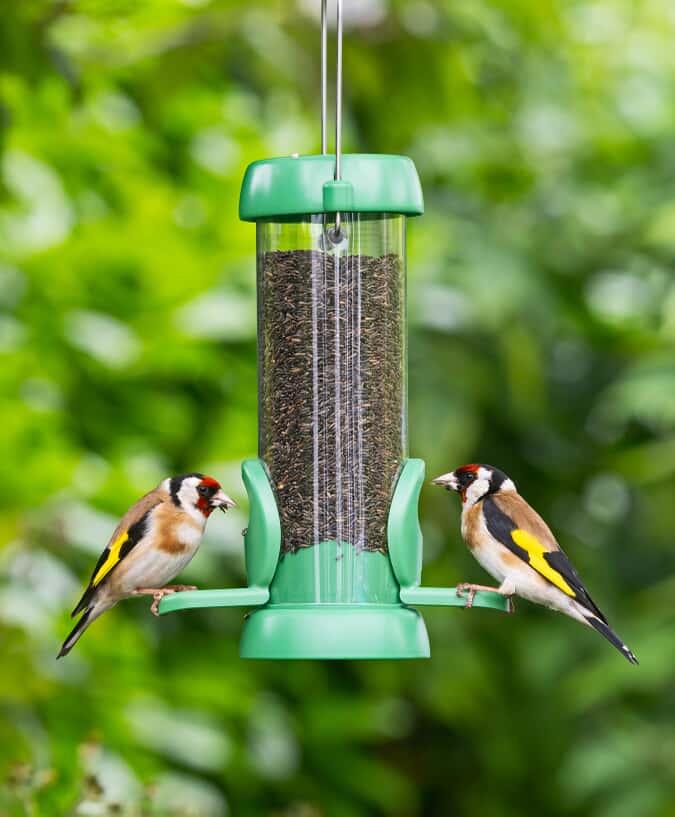
If you love watching birds visit your garden, feeding them the right food can make all the difference. Niger seed is one of the best choices to attract a variety of colorful and lively birds.
But do you know how to feed Niger seed to birds in a way that keeps them coming back for more? You’ll discover simple, effective tips to offer Niger seed that your feathered friends will enjoy safely and happily. Keep reading to turn your backyard into a buzzing bird paradise!

Credit: www.ivelvalleybirdfood.co.uk
Benefits Of Niger Seed For Birds
Niger seed is a favorite among many bird enthusiasts because it offers more than just a tasty treat. Feeding niger seed to your birds brings a range of benefits that can enhance their health and attract a variety of feathered visitors to your garden. If you want to support your birds’ wellbeing and enjoy watching diverse species, niger seed is a smart choice to add to your bird feeding routine.
Nutritional Value
Niger seed is packed with essential nutrients that birds need. It contains high levels of fat, which gives birds the energy to stay active and warm, especially during colder months. The seed also provides protein and fiber, aiding digestion and muscle maintenance.
Birds like finches and canaries particularly benefit from niger seed’s nutrient profile. Have you noticed how your finch seems more energetic after trying niger seed? That’s the fat and protein working to boost its vitality.
Attracting Wild Birds
Niger seed is excellent for attracting wild birds to your yard. Its small size and high oil content make it irresistible to many species, especially smaller finches. You can expect to see a lively mix of goldfinches, siskins, and redpolls visiting your feeders.
Try placing niger seed in a specialized feeder with small holes—it prevents larger birds and squirrels from stealing the supply. This way, you create a welcoming spot for your favorite wild visitors without constant refills.
Improving Feather Health
Good feather condition is vital for birds’ flight and insulation. The oils and fats in niger seed help maintain healthy, shiny feathers. Birds that regularly eat niger seed often display brighter colors and less feather wear.
Have you ever noticed how your bird’s feathers look dull before molting? Adding niger seed to their diet can support the regrowth of strong, vibrant feathers, helping them look their best year-round.
Choosing Quality Niger Seed
Choosing quality Niger seed is vital for healthy, happy birds. Poor seeds may contain dust, debris, or pests. Quality seeds are fresh, clean, and full of nutrients. Paying attention to seed quality ensures birds enjoy their food and get proper nutrition.
Types Of Niger Seed
Niger seed comes in two main forms:
- Raw Niger Seed:Unprocessed and natural. Requires cleaning before feeding.
- Hulled Niger Seed:Outer shell removed for easier eating and less mess.
Hulled seeds are better for small birds. Raw seeds may attract larger birds. Choose based on the type of birds you want to feed.
Organic Vs. Conventional
Organic Niger seed is grown without synthetic chemicals or pesticides. It is safer for birds and the environment. Conventional seeds may use pesticides but are often cheaper. Organic seeds usually have higher nutritional value. Many bird lovers prefer organic for peace of mind.
Where To Buy
Buy Niger seed from trusted sources to ensure quality:
- Specialty bird feed stores
- Organic or natural food shops
- Reputable online retailers
Check for freshness dates and clean packaging. Avoid seeds stored in damp or dusty conditions. Good packaging keeps seeds dry and pest-free.
Preparing Niger Seed For Feeding
Preparing Niger seed for feeding birds ensures they get clean and nutritious food. Proper preparation helps birds digest the seeds easily. It also reduces the risk of mold or pests harming the seeds. Follow simple steps to make the seeds safe and tasty.
Cleaning And Sorting
Start by removing any debris like dust, dirt, or broken seeds. Use a fine mesh sieve or screen to separate small particles. Spread the seeds on a clean surface and pick out stones or husks. Clean seeds prevent bird illnesses and improve feeding quality.
Soaking And Sprouting
Soaking Niger seeds softens the outer shell. Place seeds in water for 8 to 12 hours. Drain the water and rinse seeds well. Sprouting can increase nutrients and make seeds easier to digest. Keep seeds damp in a cool place until small sprouts appear. Feed sprouted seeds within a few days to avoid spoilage.
Mixing With Other Seeds
Mix Niger seeds with other bird-friendly seeds for variety. Combine with sunflower, millet, or safflower seeds. A varied mix attracts different bird species. It also balances nutrition and keeps birds interested. Store mixed seeds in a dry, airtight container to keep freshness.

Credit: www.livingwithbirds.com
Feeding Methods
Feeding niger seed to birds can be done in several effective ways. Each method helps attract different types of birds and keeps them safe while they eat. Using the right feeding techniques also reduces waste and mess around your feeding area.
Using Seed Feeders
Seed feeders are perfect for offering niger seed to small birds like finches. Choose feeders with small ports to prevent larger birds from taking over. Hang the feeder in a quiet spot to attract shy birds. Keep the feeder clean and refill it regularly to avoid mold and pests.
Ground Feeding Tips
Some birds prefer feeding on the ground. Spread niger seed on a flat surface or bird table. Clear the area from leaves and debris to keep the seed visible and clean. Place the feeding spot near bushes or trees so birds feel safe from predators. Change the feeding spot often to avoid soil buildup.
Feeding Schedules
Maintain a consistent feeding schedule to help birds rely on your feeding spot. Offer fresh niger seed early in the morning or late afternoon. Remove leftover seeds after a day to prevent spoilage. Adjust feeding frequency based on bird activity and weather conditions.
Maintaining A Healthy Feeding Environment
Keeping a healthy feeding environment is crucial for the well-being of the birds visiting your garden. Cleanliness and proper maintenance prevent diseases and encourage birds to return regularly. It also ensures that the niger seed you offer stays fresh and safe to eat.
Cleaning Feeders Regularly
Dirty feeders can quickly become breeding grounds for bacteria and fungi. Clean your feeders at least once a week with warm soapy water, then rinse thoroughly. This simple step helps keep the seed fresh and your feathered friends healthy.
Have you noticed birds avoiding a feeder? It might be time for a good scrub. Regular cleaning also stops leftover seed from building up and spoiling.
Preventing Mold And Spoilage
Niger seed is oily, which makes it prone to mold if left damp. Always check the seed for any signs of discoloration or a sour smell before putting it out. Store extra seed in a cool, dry place inside a sealed container to keep it fresh longer.
Spilled seed under feeders can attract moisture and mold too. Use a tray or mat to catch spills and clean that area often. Do you check your seed for freshness before refilling your feeder?
Avoiding Pests
Squirrels, rats, and insects love niger seed as much as birds do. To protect your seed and the birds, choose feeders designed to deter pests or place feeders in spots that are hard for animals to reach. You can also use baffles or weight-sensitive feeders that close when heavier animals try to access the seed.
Keeping the area tidy and removing spilled seed reduces pest attraction. Have you tried any pest-control tricks that worked well for your bird feeding station?

Credit: www.livingwithbirds.com
Common Issues And Solutions
Feeding niger seed to birds can attract a variety of feathered friends. Yet, some common issues may arise during feeding. Addressing these problems helps keep birds safe and your garden clean. Below are frequent challenges and easy solutions.
Seed Wastage
Niger seeds are small and lightweight. Birds may scatter seeds while eating. This leads to a lot of waste on the ground. To reduce wastage:
- Use feeders with seed trays or catch pans.
- Place feeders over hard surfaces like concrete.
- Offer smaller amounts of seed at a time.
- Check feeders often and clean spilled seed.
Attracting Unwanted Wildlife
Niger seed can attract squirrels, rodents, and other animals. These visitors may scare birds away or damage feeders. Try these tips to limit unwanted guests:
- Use squirrel-proof feeders with weight-sensitive perches.
- Place feeders away from trees or fences where animals can jump.
- Remove spilled seed promptly.
- Consider feeding during cooler parts of the day when some animals are less active.
Bird Health Concerns
Fresh, clean seed is vital for bird health. Old or damp niger seed can cause illness. Avoid these problems by:
- Storing seed in a cool, dry place.
- Cleaning feeders regularly to prevent mold and bacteria.
- Replacing seed every few days, especially in wet weather.
- Observing birds for signs of sickness and adjusting feeding habits.
Encouraging Bird Activity Around Feeders
Encouraging bird activity around feeders is key to enjoying wildlife up close. Birds need more than just food to feel safe and comfortable. Creating a welcoming space invites them to visit often and stay longer.
Simple changes in the environment can attract various bird species. Offering food alongside water and safe resting spots makes your feeder a favorite place. This helps birds thrive and makes birdwatching more rewarding.
Choosing The Right Location
Select a quiet spot with some natural cover nearby. Trees or shrubs provide birds a place to hide from predators. Avoid busy areas with lots of noise or heavy foot traffic.
Place feeders where birds can easily see them but still feel safe. Keeping feeders away from windows prevents bird collisions. A location with some sunlight helps keep seeds dry and fresh.
Providing Water Sources
Fresh water attracts birds for drinking and bathing. A shallow birdbath works well for many species. Change the water regularly to keep it clean and inviting.
Water near feeders encourages longer visits. Moving water, like a small fountain, can catch birds’ attention. Make sure water sources are easy to access and safe from predators.
Using Birdhouses And Perches
Birdhouses offer shelter and nesting spots close to food. Choose houses suitable for local bird species. Position them at a safe height and away from predators.
Adding perches near feeders gives birds a place to rest. Natural branches or small poles work well. Perches help birds feel secure while eating or watching for danger.
Frequently Asked Questions
What Birds Eat Niger Seed The Most?
Finches, canaries, and parakeets are the top Niger seed eaters. These birds love its high oil content and energy boost.
How To Prepare Niger Seed For Birds?
Simply offer Niger seed raw or lightly soaked. Avoid roasting or seasoning to keep it healthy and attractive for birds.
Can Niger Seed Be Mixed With Other Bird Seeds?
Yes, mixing Niger seed with sunflower or millet seeds works well. It attracts a wider variety of birds to your feeder.
How Often Should I Feed Niger Seed To Birds?
Feed Niger seed daily in small amounts. This ensures birds get fresh food and prevents mold or spoilage.
Conclusion
Feeding niger seeds to birds can be a rewarding experience. These tiny seeds attract a variety of colorful birds. Use a feeder with small holes to prevent seed waste. Keep the feeder clean to avoid mold. Fresh seeds ensure birds return often.
Observe the lively bird activity in your garden. It’s a simple way to bring nature closer. Enjoy the sights and sounds of happy birds visiting. Sharing niger seeds supports local bird populations. Start today and watch your backyard transform. It’s a small step with big rewards.
Happy bird watching!