
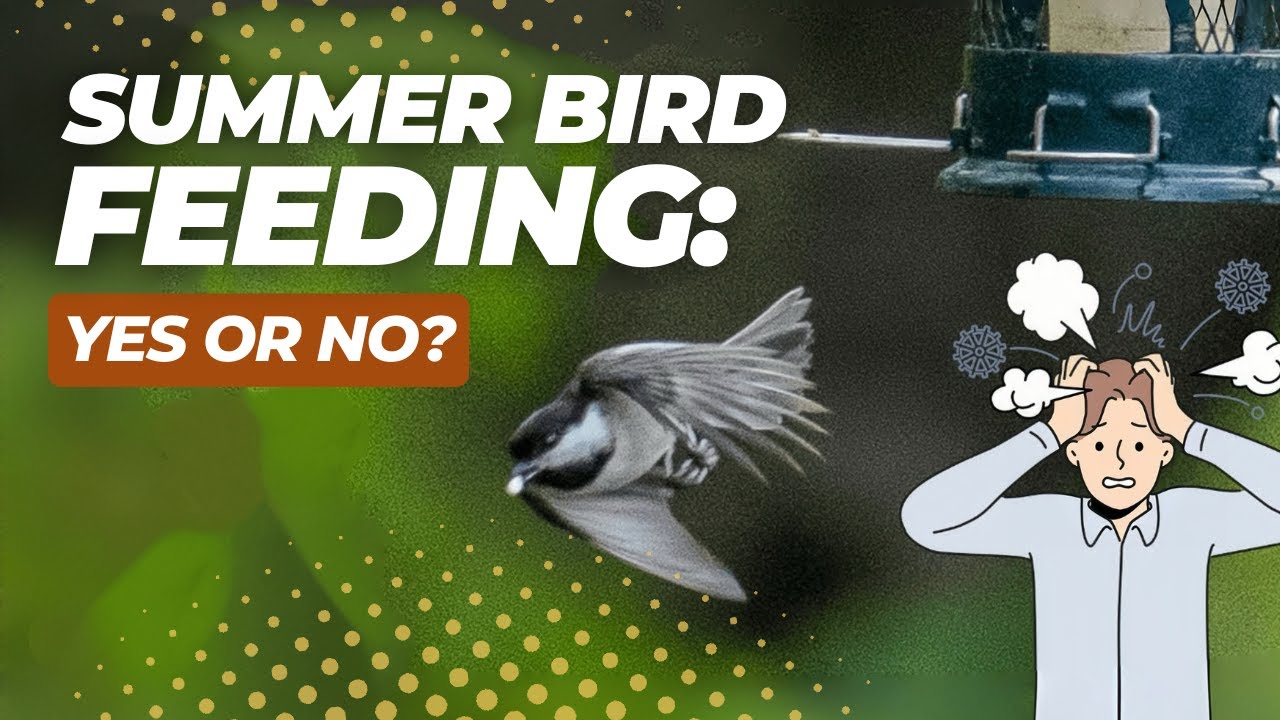
Have you ever wondered if feeding birds during the hot summer months is a good idea? You might think birds don’t need extra food when nature is full of fruits and insects.
But what if your simple act of offering birdseed could make a big difference for your feathered friends? You’ll discover why summer feeding matters, what to offer, and how to help birds stay healthy and happy when the sun is blazing.
Keep reading to find out how you can make a positive impact on your backyard visitors this season.

Credit: www.ruralsprout.com
Benefits Of Feeding Birds In Summer
Feeding birds in summer offers many benefits for both birds and people. It helps birds find extra food during hot months. This simple act supports their health and survival. Birds rely on natural food, but feeders add a steady supply. Summer feeding creates a positive impact on the environment around you.
Supporting Local Wildlife
Providing food supports local bird populations during summer. Some natural food sources become scarce in hot weather. Feeders give birds energy to build nests and raise chicks. This support keeps bird numbers healthy and strong. Feeding encourages birds to stay in your area. It helps maintain the balance of local wildlife.
Encouraging Bird Diversity
Summer feeding attracts many different bird species. Birds with various diets visit feeders for seeds, fruits, or insects. A diverse group of birds makes your garden lively and colorful. It gives you a chance to observe unique birds. This diversity also benefits plants and insects in your garden.
Enhancing Garden Ecosystems
Birds play a key role in garden health. They eat pests that harm plants and crops. Feeding birds keeps them around to control insects naturally. Birds also help spread seeds, aiding plant growth. A healthy bird population creates a balanced garden ecosystem. Your garden becomes more vibrant and productive with their help.
Choosing The Right Bird Food
Choosing the right bird food in summertime is more important than you might think. Birds need different nutrients during warmer months to stay healthy and active. Offering the right mix of seeds, fruits, and hydration options can make a big difference in supporting your local feathered friends.
Best Seeds And Fruits For Summer
Sunflower seeds are a summer favorite for many birds. They provide essential fats and proteins to keep energy levels high during hot days.
Try adding small pieces of fresh fruits like watermelon, blueberries, and apples. These fruits offer natural sugars and hydration, which are perfect for summer feeding.
Don’t forget to switch things up occasionally. Birds appreciate variety, and diverse foods help meet different nutritional needs.
Avoiding Harmful Foods
Not all human foods are safe for birds. Avoid feeding bread, salty snacks, or anything processed, as these can harm their digestion and health.
Some fruits like avocado and citrus should be skipped, as they can be toxic or upsetting to birds’ systems.
Remember, your good intentions can sometimes backfire if you’re not careful about what you offer. Always research or consult local bird experts before introducing new foods.
Hydration Tips For Birds
Water is just as important as food during summer. Birds can easily become dehydrated in hot weather.
Provide fresh, clean water daily in shallow dishes or birdbaths. Adding a few small stones helps smaller birds perch safely while they drink.
Consider misting birds with water on very hot days to help them cool down. Have you noticed your backyard birds looking for water more often as temperatures rise?
Safe Feeding Practices
Feeding birds in summer requires care to keep them healthy and safe. Safe feeding practices help avoid harm to birds and the environment. Clean feeders, proper food amounts, and predator protection are key points to focus on. These simple steps make bird feeding a positive experience for everyone.
Keeping Feeders Clean
Dirty feeders spread disease among birds. Clean feeders at least once a week. Use hot water and mild soap to wash them. Rinse well and let them dry completely. Avoid harsh chemicals that could harm birds. Clean feeders attract more birds and keep them healthy.
Preventing Overfeeding
Offering too much food can harm birds. Birds may become dependent on feeders and stop searching for natural food. Give small amounts of food and refill only when empty. Remove leftover food after a day. Overfeeding also attracts pests like rats and insects. Balance feeding with natural food availability in your area.
Protecting Birds From Predators
Feeders can expose birds to predators like cats and hawks. Place feeders in open areas with good visibility. Avoid placing feeders near thick bushes where predators hide. Use baffles on poles to stop climbing predators. Watch for signs of predators and move feeders if needed. Safe spots help birds feed without fear.
Ideal Feeder Types For Summer
Choosing the right feeder for summer makes a big difference in attracting and helping birds thrive during the hot months. Your feeder should not only offer food but also consider the birds’ comfort and safety. Different types of feeders serve different purposes, so think about what works best for your local birds and environment.
Open Vs. Covered Feeders
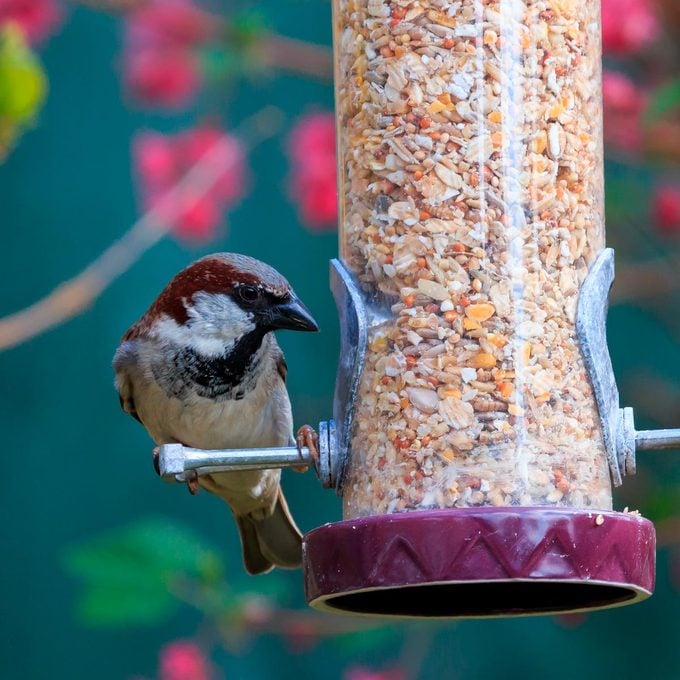
Open feeders let birds easily access seeds and fruits but can leave food exposed to sun and rain. This can cause quick spoilage, especially in summer heat. Covered feeders protect food from weather and help keep it fresh longer.
You might notice more birds visiting an open platform feeder during cooler mornings, but covered feeders often attract species that prefer shade and shelter. Have you tried switching between the two to see which birds come around more?
Water Stations And Baths
Water is as important as food in summer. Adding a water station or birdbath encourages birds to stay nearby and cool down. Moving water, like a dripper or small fountain, grabs birds’ attention more than still water.
Keep water clean and fresh daily to prevent diseases. You’ll be surprised how many species show up just to drink or splash around. Have you noticed how a simple water dish can turn your garden into a lively bird hotspot?
Diy Feeder Ideas
Making your own feeder can be fun and eco-friendly. Using materials like pine cones, peanut butter, and birdseed creates easy, affordable feeders. You can hang these in shady spots where birds feel safe.
Try crafting feeders from recycled bottles or small wooden boxes to suit different bird sizes. Personalizing your feeder allows you to experiment and find what your feathered friends prefer. What creative feeder will you build to brighten your backyard this summer?
Seasonal Considerations
Feeding birds during the summer requires a bit more attention than you might expect. The warmer months bring changes in bird behavior, food availability, and weather conditions that all affect how and when you should feed your feathered visitors. Understanding these seasonal factors can help you support local birds effectively while keeping their health and safety in mind.
Adjusting Feeding Frequency
Summer often means birds find plenty of natural food like insects and berries. Because of this, you may notice fewer visitors at your feeders. You might want to reduce the amount you fill to avoid waste and discourage pests like ants or rodents.
However, during hot spells or droughts, natural food can become scarce. In these times, increasing feeding frequency can provide much-needed energy and hydration for birds. Have you noticed changes in bird activity on very hot days? Adjust your feeding schedule to match these patterns.
Dealing With Weather Changes
Summer weather can be unpredictable, with sudden rainstorms and heatwaves. Wet seed can spoil quickly, leading to mold growth that harms birds. It’s important to check and clean your feeders more often in summer to keep food fresh and safe.
Strong sunlight can also cause seed to dry out or lose nutrients. Offering shade near feeders or moving feeders to shaded spots helps keep food fresh longer. What steps do you take to protect your feeding station during extreme weather?
Monitoring Bird Health
Birds can become stressed or sick if their feeding environment is not properly managed in summer. Watch for signs like lethargy, unusual feather loss, or lack of visits, which may indicate health issues or unsafe feeder conditions.
Providing fresh water alongside food is crucial for hydration and cooling down. You can also switch to offering fruits or mealworms, which many birds enjoy in summer and which provide extra moisture.
Keeping an eye on bird behavior and health helps you know when to change your feeding approach. What changes have you observed in your local birds during summer?
Credit: www.familyhandyman.com

Credit: www.allaboutbirds.org
Frequently Asked Questions
Should I Feed Birds During Hot Summer Months?
Feeding birds in summer can support them when natural food is scarce. Provide fresh water and seeds to help birds stay hydrated and nourished.
What Foods Are Best For Birds In Summertime?
Offer seeds like sunflower and millet, plus fresh fruits and insects. Avoid bread and processed foods as they lack nutrition and can harm birds.
How Often Should I Clean Bird Feeders In Summer?
Clean feeders weekly to prevent mold and bacteria growth. Use hot water and mild soap, then rinse thoroughly to keep birds healthy.
Can Feeding Birds In Summer Attract Unwanted Pests?
Yes, leftover food can attract rodents and insects. Regularly clean feeding areas and remove excess food to minimize pest problems.
Conclusion
Feeding birds in summertime? It depends on your local environment. Some birds rely on natural food. Others might enjoy extra treats. Consider the bird species in your area. Providing seeds or fruits can help. But, it may attract pests too.
Keep feeders clean to prevent diseases. Always observe bird activity. If they visit often, continue feeding. Otherwise, let nature provide. Balance is key. Appreciate their beauty and songs. Ensure a healthy bird population. Your effort makes a difference. Enjoy watching them thrive!