
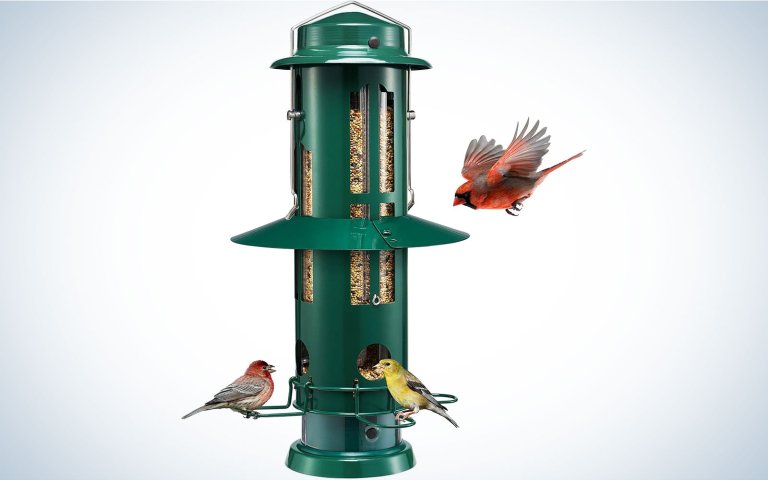
Are you tired of watching squirrels raid your bird feeder and steal all the seeds meant for your feathered friends? You’re not alone.
Squirrels are clever, quick, and determined, making it a real challenge to keep them away. But what if you could enjoy watching colorful birds without the constant battle against these pesky intruders? Understanding what makes a bird feeder truly squirrel proof can save you time, money, and frustration.
Keep reading, and you’ll discover simple, effective features that can protect your bird feeder and let you enjoy peaceful birdwatching like never before.

Credit: www.popsci.com
Common Challenges With Squirrel Proofing
Protecting bird feeders from squirrels is not simple. Squirrels are smart and persistent. They find many ways to reach the seeds. This makes squirrel proofing a tough task for many bird lovers.
Why Squirrels Target Feeders
Squirrels see bird feeders as easy food sources. Seeds offer high energy and are tasty. Feeders are often low and accessible. Squirrels prefer these spots over foraging for nuts or berries.
Typical Squirrel Behaviors
Squirrels climb poles and hang upside down. They chew through wires and plastic parts. Some jump from nearby trees or roofs. They test different angles to access food.
Damage Caused By Squirrels
Squirrels can break feeder parts and supports. They scatter seeds, leading to waste. Chewed feeders lose effectiveness quickly. This damage can cost time and money to fix.
Key Features Of Squirrel Proof Feeders
Squirrel proof bird feeders have special features to keep squirrels away. These features stop squirrels from stealing bird food. They help birds eat safely and keep feeders clean. Understanding these key features helps choose the best feeder for your garden.
Weight-activated Mechanisms
Weight-activated mechanisms close feeding ports when heavy animals sit on the feeder. Birds are light, so they can still eat comfortably. Squirrels are heavier, so the mechanism shuts off their access. This feature uses simple physics to protect seeds from squirrels.
Baffle Designs
Baffles are barriers placed above or below feeders. They block squirrels from climbing or jumping onto feeders. Baffles come in dome, cone, or cylinder shapes. These shapes stop squirrels from reaching the food by making access difficult or impossible.
Material Durability
Strong materials prevent squirrels from chewing through feeders. Metal, thick plastic, and wire mesh resist damage well. Durable feeders last longer and keep food safe. Lightweight or weak materials make feeders easy targets for squirrels.
Choosing The Right Feeder Location
Choosing the right location for your bird feeder is key to keeping squirrels away. Placement affects how easy it is for squirrels to reach the feeder. A well-chosen spot can protect your bird food and give birds a safe place to feed.
Consider your yard’s layout and the paths squirrels use. Small changes in location can make a big difference in preventing squirrel visits. The goal is to place the feeder where birds can easily access it but squirrels cannot.
Optimal Placement Tips
- Place feeders at least 10 feet away from trees or structures.
- Keep feeders 5 feet above the ground to reduce squirrel access.
- Choose open areas with clear views to spot squirrels early.
- Use poles with baffles to block climbing squirrels.
Avoiding Squirrel Access Routes
- Watch for nearby branches squirrels use to jump onto feeders.
- Trim branches within 10 feet to remove jumping points.
- Check for fences or wires close to the feeder.
- Remove nearby objects squirrels could climb to reach feeders.
Using Distance To Your Advantage
Distance is a simple but effective barrier. Squirrels usually jump about 8 to 10 feet. Place feeders beyond this range from trees and ledges. This distance stops squirrels from making long leaps.
Keep feeders away from walls or fences squirrels can climb. A well-placed feeder uses space as a natural squirrel deterrent.
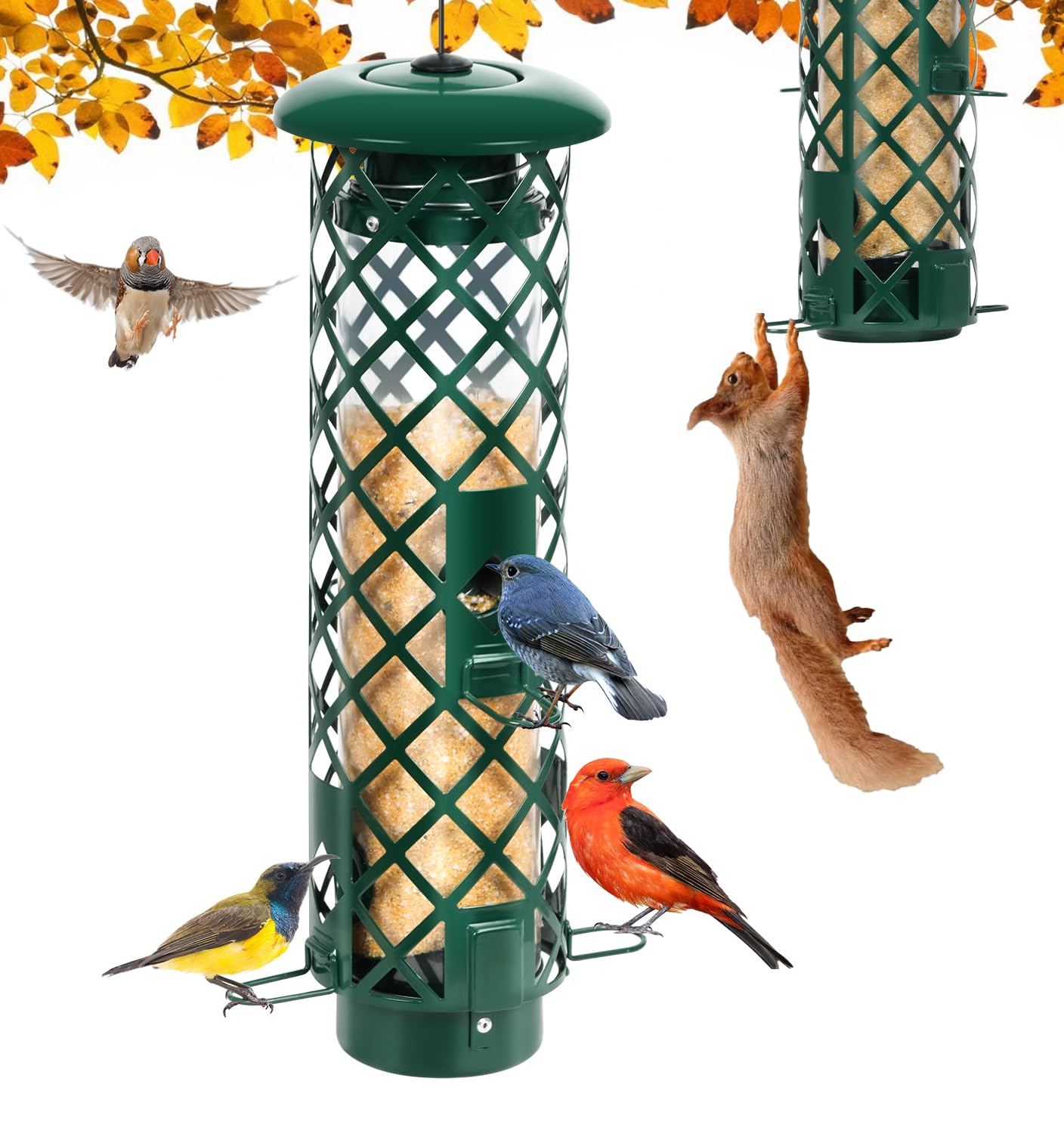
Credit: www.amazon.com
Effective Feeding Strategies
Effective feeding strategies can make a huge difference in keeping squirrels away from your bird feeder. It’s not just about the feeder design; what and when you feed plays a big role too. Let’s look at some practical ways you can make your bird feeding experience more successful and squirrel-free.
Selecting Bird-friendly Seeds
Choosing the right seeds can help you attract birds while discouraging squirrels. Birds love black oil sunflower seeds because they have thin shells and high oil content, making them easy to eat. Squirrels, on the other hand, prefer larger, messier seeds like corn and peanuts.
Try offering seeds that squirrels find less tasty or harder to crack open. For example:
- Nyjer (thistle) seeds
- Millet
- Safflower seeds
Adding safflower seeds to your mix can be a game-changer since many birds enjoy them but squirrels tend to avoid them. Have you noticed which seeds your local squirrels ignore? Experiment with your seed mix and watch the difference.
Limiting Squirrel Appeal
Besides seed choice, reducing what attracts squirrels to your feeder is key. Avoid spilling seeds on the ground, as this creates a squirrel buffet right below your feeder. Place a seed tray or catch pan under your feeder to catch spills and clean it regularly.
Another trick is to use feeders with built-in squirrel baffles or weight-sensitive mechanisms. These close access to seeds when something heavy, like a squirrel, tries to feed. You can also try adding hot pepper flakes to your seed mix—birds don’t mind the spice, but squirrels will stay away.
Feeding Schedule Adjustments
Timing your feeding can also influence squirrel activity. Squirrels are most active during dawn and dusk, so feeding birds at midday may reduce squirrel visits. Try filling your feeders only once a day and remove leftover seeds at night to prevent squirrels from feasting after dark.
Changing your feeding times regularly may confuse squirrels and keep them from staking out your feeder. Have you tried adjusting your schedule to see if the squirrels lose interest? Small changes like these can save you a lot of frustration.
Diy Squirrel Proofing Solutions
DIY squirrel proofing solutions offer effective ways to protect bird feeders. These ideas use simple tools and materials. Anyone can apply them at home. They help keep squirrels away and save birdseed. Let’s explore easy and creative options for squirrel proofing.
Simple Home Modifications
Small changes around the feeder can stop squirrels. Moving feeders away from trees or fences blocks squirrel access. Adding a metal or plastic guard around the pole prevents climbing. Changing seed types to less tasty options like safflower can discourage squirrels. These tweaks cost little and take little time.
Building Custom Baffles
Baffles are barriers that block squirrels from reaching feeders. You can build them using metal or plastic sheets. Shape the baffle like a dome or cone and place it below the feeder. This makes it hard for squirrels to climb up. Secure the baffle tightly to avoid gaps. Custom baffles fit any feeder style and keep squirrels at bay.
Using Natural Deterrents
Natural scents can repel squirrels without harming birds. Spreading cayenne pepper or chili powder on the feeder works well. Squirrels dislike the spicy taste and smell but birds ignore it. Garlic or peppermint oil near the feeder can also act as a deterrent. Refresh the scent regularly for best results. These natural options are safe and easy to apply.
Maintaining Your Squirrel Proof Feeder
Keeping your squirrel proof feeder in top shape is key to ensuring it stays effective and welcoming for birds. Maintenance isn’t just about cleanliness; it’s about preserving the feeder’s structure and functionality over time. You’ll find that a little regular care can save you from major headaches and keep those pesky squirrels at bay.
Regular Cleaning Practices
Clean your feeder at least once every two weeks to prevent mold and bacteria buildup. Use warm water and mild soap to scrub all surfaces, especially feeding ports and perches. Avoid harsh chemicals that could harm birds or leave residues.
Rinse thoroughly and let the feeder dry completely before refilling. This simple routine stops old seeds from clogging openings and deters squirrels who might be attracted to spoiled food.
Inspecting For Damage
Check your feeder regularly for cracks, loose parts, or signs of chewing. Squirrels are persistent and can exploit even small weaknesses to gain access.
Pay special attention to metal components and locking mechanisms—these often take the brunt of squirrel attacks. Tighten screws and replace damaged parts promptly to maintain the feeder’s integrity.
Seasonal Maintenance Tips
Adjust your maintenance approach with the seasons. In wet weather, focus on keeping the feeder dry to avoid mold growth. During colder months, check for ice build-up that can block seed openings or damage the feeder.
Spring and fall are great times for a thorough inspection and deep cleaning. Consider rotating the feeder’s location to prevent squirrels from learning its spot. Have you noticed how changing the feeder’s position can confuse these crafty critters?
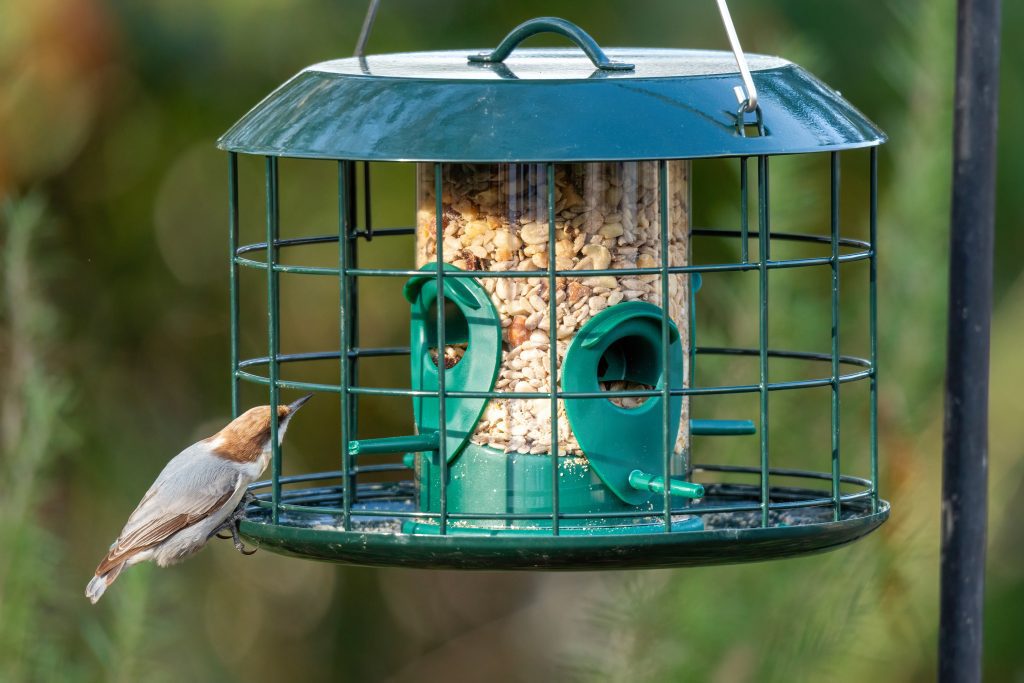
Credit: www.kingsyard.com
Frequently Asked Questions
What Features Make A Bird Feeder Squirrel Proof?
Squirrel-proof feeders have weight-sensitive perches, cages, or baffles. These features block squirrels while allowing birds to feed safely.
How Do Squirrel-proof Bird Feeders Prevent Squirrel Access?
They use mechanisms like spring-loaded doors or cages. These close or block access when a squirrel’s weight is detected.
Can Squirrel-proof Feeders Keep All Squirrels Away?
Most designs deter typical squirrels but very determined ones may still try. Combining feeders with baffles improves effectiveness.
Why Is Material Important For Squirrel-proof Bird Feeders?
Durable materials like metal resist chewing and damage. Plastic feeders are less effective as squirrels can gnaw through them.
Conclusion
Creating a squirrel-proof bird feeder takes some planning. Choose materials squirrels can’t chew. Metal and sturdy plastic work best. Consider feeders with weight-sensitive perches. They close access to squirrels. Install baffles above and below feeders. These barriers keep squirrels away.
Place feeders away from trees and jump points. Distance matters. Regular maintenance ensures effectiveness. Clean and check for damage often. Enjoy watching birds, not squirrels, at your feeder. With the right setup, your bird feeder stays for birds only. Happy birdwatching!