
Finding a baby bird that needs help can be both exciting and overwhelming. You want to make sure you do everything right to keep it safe and healthy.
But how do you feed a baby bird properly? If you’re worried about causing harm or unsure where to start, this guide is made just for you. By the end, you’ll feel confident and ready to give that little bird the care it truly needs.
Keep reading, because what you do next could make all the difference.
Identifying Baby Bird Needs
Knowing when and how to feed a baby bird can save its life. But before you offer food, you must understand the baby bird’s specific needs. Not all baby birds require immediate feeding, and some might just need warmth or help returning to their nest.
Signs A Bird Needs Feeding
Look for these clear signs to know if a baby bird is hungry:
- Open mouth begging:The bird opens its mouth wide and chirps loudly.
- Weakness or lethargy:A hungry bird might look frail or barely move.
- Weight loss or thin body:You can often see the bird’s breastbone if it’s underfed.
Have you noticed a bird repeatedly begging when you approach? That’s a strong indicator it needs food soon.
Common Baby Bird Species
Different species have different feeding needs and habits. Some common baby birds you might find include:
| Species | Feeding Type | Typical Diet |
|---|---|---|
| Robins | Insectivores | Worms, insects, fruit |
| Sparrows | Omnivores | Seeds, insects, fruits |
| Blue Jays | Omnivores | Nuts, seeds, insects |
Recognizing the species helps you choose the right food and feeding technique. Have you ever tried feeding the wrong food and noticed the baby bird refuse it?
Legal Considerations
Before you feed or rescue a baby bird, check your local laws. Many wild birds are protected by law, and handling them without permission can cause legal trouble.
Contact a licensed wildlife rehabilitator or local animal control for guidance. Sometimes, feeding a baby bird yourself is not allowed or could harm the bird more than help.
Have you reached out to local experts when finding a baby bird? It’s a critical step that many overlook but can make all the difference.
Preparing For Feeding
Preparing to feed a baby bird is a careful process. It ensures the bird gets the right care and nutrition. Proper preparation helps avoid harm and stress to the bird. Follow these steps to get ready for feeding a baby bird safely and effectively.
Gathering Proper Supplies
Start by collecting all needed items before feeding. Essential supplies include:
- Feeding syringe or dropper
- Soft, small brush or cotton swab
- Appropriate food for the bird species
- Warm water for mixing food
- Small container for food preparation
Having these ready makes feeding smoother and faster.
Creating A Safe Feeding Environment
Choose a quiet, warm place free from pets and loud noise. The bird needs calm surroundings to feel secure. Use a soft towel or cloth to gently hold the bird. Avoid bright lights or strong drafts. A steady environment helps the bird stay calm during feeding.
Sanitizing Equipment
Clean all feeding tools before each use. Use hot water and mild soap. Rinse well to remove soap residue. Sanitize with a safe disinfectant suitable for animals. Dry equipment fully to prevent bacteria growth. Clean tools protect the baby bird from infections.
Choosing The Right Food
Choosing the right food is vital for feeding a baby bird. The food affects the bird’s growth and health. Baby birds need nutrients that match their natural diet. Providing the proper food helps them develop strong bones and feathers. It also supports their immune system and energy levels. Understanding different food options ensures the baby bird gets what it needs.
Natural Diet Components
Baby birds usually eat insects, worms, and soft fruits. These foods provide protein, vitamins, and minerals. Protein is important for muscle growth. Soft fruits give energy and hydration. Offering a mix of these natural foods helps the bird thrive. Avoid hard seeds or large pieces that can cause choking.
Commercial Feeding Options
Specialized baby bird formulas are available in pet stores. These formulas contain balanced nutrients for young birds. They come as powders or gels that mix with water. These options are easy to digest and safe. Use formulas designed for the specific bird species. Avoid feeding adult bird food to babies, as it lacks needed nutrients.
Avoiding Harmful Foods
Some foods are dangerous for baby birds. Never feed chocolate, caffeine, or salty snacks. These can cause serious health problems. Avoid bread and milk; they offer little nutrition and can cause harm. Stay clear of foods with spices or sugar. Always provide clean, fresh food to keep the bird healthy.

Credit: www.youtube.com
Feeding Techniques
Feeding a baby bird requires patience, care, and the right techniques to ensure it grows strong and healthy. Understanding how to approach feeding can make all the difference in your success. Let’s look at some essential feeding techniques that will help you nurture these fragile creatures effectively.
Hand Feeding Methods
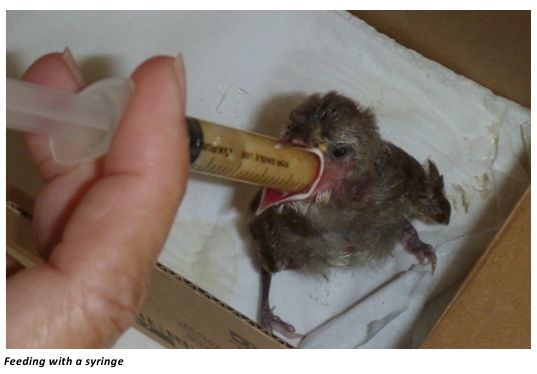
Hand feeding involves gently offering food directly to the baby bird using a tool or your fingers. Many people find using a small syringe or a spoon works well because it mimics how parent birds feed their young.
Start by warming the food to about body temperature; this encourages the bird to accept it. Avoid force-feeding; instead, allow the bird to open its mouth naturally and gently place the food inside. I once struggled with a baby bird refusing food until I switched to a tiny spoon instead of a syringe, which helped it feel more comfortable.
Feeding Frequency And Amounts
Baby birds need frequent feeding, sometimes every 15 to 20 minutes during daylight hours. The amount depends on the bird’s age and size, but overfeeding can cause health issues just as underfeeding can.
Observe how quickly the bird finishes each feeding and adjust accordingly. If you notice food spilling from the mouth or the bird becoming lethargic, it’s a sign to slow down. Have you ever wondered how wild baby birds manage constant feeding without being overwhelmed? That’s a cue to keep your approach gentle and paced.
Handling Baby Birds Safely
Handling baby birds requires a delicate touch to avoid injury or stress. Always wash your hands before and after feeding to prevent infection. Support their body fully, especially the head and neck, to prevent harm.
Limit handling time to reduce stress and never squeeze or hold the bird too tightly. I found that using a soft cloth to gently hold the bird gave me better control without causing distress. How do you think the right handling can affect a baby bird’s recovery and growth?
Monitoring Growth And Health
Monitoring the growth and health of a baby bird is crucial for its survival. Careful observation helps spot problems early. Healthy growth means the bird is getting the right food and care. Knowing signs of illness can save a life. This section explains how to track development, recognize illness, and know when to get expert help.
Tracking Weight And Development
Weigh the baby bird daily using a small, accurate scale. Record the weight to notice changes over time. Healthy birds gain weight steadily each day. Watch for steady growth in feathers and size. Compare your bird’s progress with species-specific growth charts. Note any delays or unusual changes in behavior.
Recognizing Illness
Look for signs like lethargy, weak movements, or lack of appetite. Check for unusual droppings—changes in color or consistency matter. Observe breathing patterns; noisy or labored breathing is a red flag. Swelling, discharge, or sores on the body need attention. Cold body temperature can indicate sickness. Early detection can prevent severe problems.
When To Seek Expert Help
Contact a wildlife rehabilitator or vet if the bird stops eating. Seek help if the bird shows any signs of illness listed above. Immediate care is crucial for injuries or severe weakness. Professionals can provide medical treatment and advice for proper care. Don’t delay if you feel unsure about the bird’s health. Expert support improves the chances of survival.

Credit: www.reddit.com
Preparing For Release
Preparing a baby bird for release is a delicate process that requires patience and attention to detail. It’s not just about feeding anymore; it’s about helping the bird regain its independence and natural instincts. Getting this stage right can make all the difference in the bird’s survival once it’s back in the wild.
Encouraging Natural Behaviors
Before release, you want the bird to practice skills it will need to survive. Encourage flying by providing a safe, enclosed space where it can stretch its wings without the risk of injury. Let it explore branches or safe outdoor areas to develop balance and coordination.
Simulate natural feeding by offering live insects or natural food sources. This helps the bird learn hunting or foraging techniques. Have you noticed how a bird’s curiosity spikes when it encounters new textures or sounds? Use this to build confidence.
Timing The Release
Choosing the right moment to release a baby bird is crucial. It should be strong enough to fly and find food independently. Weather conditions also matter—a calm, dry day reduces stress and increases the bird’s chances of adapting quickly.
Observe the bird’s behavior closely. Is it active and alert? Does it respond well to outside stimuli? If yes, it might be time. If not, give it more time to build strength and confidence.
Post-release Care
Release doesn’t mean your job is done. Keep an eye on the area for a few days to see if the bird returns or shows signs of distress. Sometimes, supplemental feeding nearby can help the bird adjust without making it dependent.
Document your observations—these can be valuable for future releases and help improve techniques. Remember, every bird’s journey is unique, and your involvement may be the difference between survival and struggle.

Credit: www.youtube.com
Frequently Asked Questions
How Often Should I Feed A Baby Bird?
Feed a baby bird every 15-20 minutes from dawn to dusk. Young birds need frequent meals for proper growth and energy.
What Type Of Food Is Best For Baby Birds?
Offer a diet of soft, protein-rich foods like soaked dog food, mealworms, or baby bird formula for healthy development.
Can I Feed A Baby Bird With Milk?
No, avoid feeding milk to baby birds. They cannot digest dairy and it may cause serious health issues.
How Do I Safely Feed A Baby Bird By Hand?
Use a small syringe or dropper to gently feed the baby bird. Avoid force-feeding or inserting food too deep.
Conclusion
Feeding a baby bird requires patience and care. Always ensure the bird is warm. Use the right food and tools. Observe the bird’s reaction to feeding. Adjust portions and frequency as needed. Cleanliness is crucial to prevent illness. Seek professional help if unsure.
With these steps, you can help a baby bird grow strong. Remember, your gentle touch makes a difference. Enjoy the rewarding experience of nurturing these little creatures. Your efforts contribute to their survival and future.