

Have you ever found a tiny baby bird and wondered what you should feed it? It’s natural to want to help, but giving the wrong food can do more harm than good.
You want to make sure your little feathered friend grows strong and healthy. You’ll discover exactly what baby birds need to eat at each stage of their early life. By the end, you’ll feel confident and ready to care for these delicate creatures the right way.
Keep reading to learn the simple steps that can make a big difference for your baby bird’s survival.

Credit: m.youtube.com
Identifying Baby Bird Species
Identifying the species of a baby bird is key to feeding it properly. Different birds have different diets and care needs. Observing the bird’s size, color, and beak shape helps. Noting its location and the type of nest is useful too. Correct identification ensures the bird gets the right nutrition for healthy growth.
Common Baby Birds In Your Area
Many baby birds live near homes and parks. Some common ones include:
- American Robin
- House Sparrow
- Blue Jay
- Mourning Dove
- Chickadee
Each species looks different in feathers and size. Observing these traits helps identify the bird quickly. Knowing their names helps when finding the right food.
Diet Differences Among Species
Baby birds’ diets vary by species. Some eat mostly insects and worms. Others prefer seeds or fruit. For example:
| Species | Preferred Diet |
|---|---|
| American Robin | Insects, worms, soft fruits |
| House Sparrow | Seeds, grains, insects |
| Blue Jay | Nuts, seeds, insects |
| Mourning Dove | Seeds and grains |
| Chickadee | Insects, seeds |
Feeding the wrong food can harm baby birds. Match food to their natural diet for best care.
Natural Diets Of Baby Birds
Understanding what baby birds naturally eat can guide you in providing the right nutrition if you ever find yourself caring for a hatchling. Their diets vary widely depending on species, but nature has tailored their meals to support rapid growth and development. Let’s look closer at the common natural foods baby birds rely on during their early days.
Insects And Worms
Many baby birds depend heavily on insects and worms for protein. These foods are rich in nutrients that fuel their fast-growing bodies and help build strong feathers.
For example, robins and bluebirds often get caterpillars, beetles, and earthworms delivered by their parents. Have you noticed how quickly the parents hunt and bring back these wriggling treats? It’s a nonstop job to keep the chicks fed.
Seeds And Fruits
Some species rely more on seeds and fruits, especially as they get a bit older. These provide essential carbohydrates and vitamins needed for energy and immune support.
Finches and sparrows often feed their babies a mix of soft seeds and mashed fruits. Think about what fruits are safe and easy to digest—berries like blueberries or small pieces of apple work well. This variety ensures the chicks get a balanced diet.
Regurgitated Food From Parents
In many bird species, parents pre-digest food and regurgitate it directly into the mouths of their young. This process makes the food easier to swallow and digest, especially when the chicks are very small.
Watching a parent bird feed its young this way is fascinating—it’s like a built-in food processor. This method allows baby birds to absorb nutrients efficiently and stay hydrated. Have you ever thought about how perfectly nature designs these feeding techniques?
Safe Homemade Food Options
Feeding baby birds at home requires careful choice of food. Safe homemade options ensure the birds get enough nutrients. These foods mimic what baby birds eat in nature. Preparing food at home also reduces risks from harmful additives or preservatives. Fresh ingredients help baby birds grow strong and healthy.
Protein-rich Recipes
Protein is vital for baby birds’ growth. Soft, easy-to-digest protein works best. Try these recipes:
- Boiled egg yolk mashed finely
- Cooked mealworms or finely chopped insects
- Plain cottage cheese mixed with a little water
- Cooked chicken, shredded and softened
Mix these with a bit of water to make a smooth paste. Offer small amounts frequently for best results.
Fruits And Vegetables To Include
Fruits and vegetables provide vitamins and minerals. Use fresh, soft options only. Good choices include:
- Mashed banana
- Grated apple without seeds
- Cooked carrots, finely chopped
- Soft peas, mashed
- Small pieces of soft berries
Always remove skins and seeds that can harm baby birds. Mix fruits and vegetables with protein pastes to balance meals.
Avoiding Harmful Ingredients
Some foods can hurt baby birds. Avoid these at all costs:
- Salt or salty foods
- Sugar and sugary treats
- Milk or dairy products (except small cottage cheese)
- Onions, garlic, and spicy foods
- Raw potatoes and raw beans
- Chocolate and caffeine
Keep food fresh and clean. Use plain, natural ingredients only. This keeps baby birds safe and healthy.
Credit: besgroup.org
Feeding Techniques For Baby Birds
Feeding baby birds requires care and attention to their unique needs. Proper feeding helps them grow strong and healthy. Understanding the right techniques ensures their survival and well-being.
Proper Feeding Frequency
Baby birds need frequent feeding throughout the day. Young hatchlings require food every 15 to 20 minutes during daylight. Older nestlings can be fed every 30 to 60 minutes. Missing feedings can cause stress and harm their development. Feeding should stop at night to mimic natural parental behavior.
How To Feed Orphaned Birds
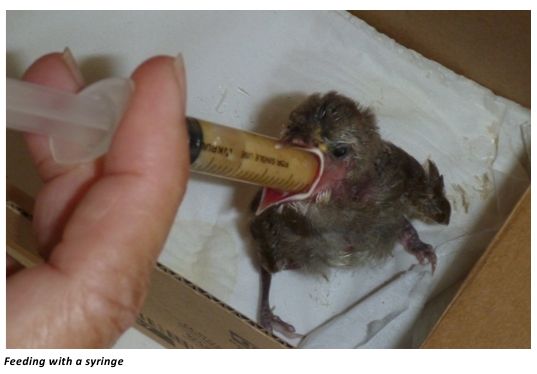
Hold the baby bird gently in your hand or place it in a soft cloth. Use a small dropper or syringe to deliver food slowly. Avoid overfeeding to prevent choking or aspiration. Feed small amounts and observe the bird’s reaction. Keep the bird warm before and after feeding for better digestion.
Tools And Equipment For Feeding
- Small eyedroppers or feeding syringes for precise feeding
- Soft tweezers or forceps to handle insects or small food pieces
- Clean containers for mixing and storing food
- Heating pad or warm cloth to maintain bird’s body temperature
Signs Of Healthy Growth
Monitoring the signs of healthy growth in baby birds is essential to ensure they receive the right care and nutrition. Observing their development helps you understand if they are thriving or need additional support. Knowing what to look for can make a big difference in their survival and well-being.
Physical Development Milestones
Healthy baby birds show clear physical progress as they grow. Their feathers should start filling in, moving from sparse down to more structured plumage. You’ll notice their eyes open fully, and their beaks grow stronger and more defined.
Weight gain is another key milestone. Regularly checking their weight can help you spot if they’re getting enough food. If a chick’s body feels plump rather than thin or fragile, it’s a good sign they’re on the right track.
Behavioral Indicators
Active movement is a strong indicator of health. Healthy chicks will wiggle, stretch their wings, and respond to sounds around them. If you see your baby bird begging eagerly for food, it means their energy levels are good.
Listen for consistent chirping. Quiet or weak sounds might mean your bird is stressed or unwell. Have you noticed how some baby birds immediately perk up when you approach? That eagerness signals they’re feeling strong and ready to eat.
When To Consult A Wildlife Expert
If you spot unusual signs like lethargy, failure to gain weight, or wounds, it’s time to reach out to a wildlife expert. Baby birds that refuse to eat or show no interest in movement need professional care quickly. Don’t wait too long—early intervention can save their lives.
Experts can provide guidance tailored to the species and condition of the bird. Have you ever wondered what specialized care might look like? Contacting a local wildlife rehabilitator can give you answers and peace of mind.
Common Feeding Mistakes To Avoid
Feeding baby birds is delicate work. Mistakes can harm their health or slow growth. Avoiding common errors helps baby birds thrive. Careful feeding supports their natural development and survival.
Overfeeding And Underfeeding
Too much food can cause choking or digestive problems. Overfeeding stresses their small bodies. Underfeeding leads to weakness and poor growth. Feed baby birds small amounts often. Watch their hunger cues and stop when full.
Feeding Inappropriate Foods
Feeding the wrong food is dangerous. Avoid bread, milk, or processed snacks. These foods lack nutrients and can cause illness. Offer protein-rich insects or specialized bird formula. Fresh water should always be available for hydration.
Handling And Hygiene Tips
Always wash hands before feeding. Dirty hands spread germs and infections. Use clean tools and containers for feeding. Avoid touching the bird’s face or beak directly. Keep feeding areas clean to protect baby birds from bacteria.

Credit: www.wmra.org
Frequently Asked Questions
What Is The Best Food For Baby Birds?
The best food for baby birds depends on their species. Generally, protein-rich foods like soaked dog food, mealworms, or finely chopped insects work well. Avoid bread or milk, as these can harm them. Always provide fresh water and consult a wildlife expert if unsure.
Can I Feed Baby Birds Bread Or Milk?
No, feeding baby birds bread or milk is harmful. Bread lacks essential nutrients, and milk can cause digestive issues. Instead, offer appropriate protein-rich foods like insects or specialized bird formula. Proper nutrition helps baby birds grow healthy and strong.
How Often Should Baby Birds Be Fed?
Baby birds need frequent feeding, typically every 15-20 minutes during daylight hours. Their rapid growth demands constant nutrition. As they mature, feeding intervals can increase. Consistent feeding supports healthy development and survival until they can eat independently.
When Can Baby Birds Eat Solid Food?
Baby birds start eating solid food around 10-14 days old. Initially, offer soft, small pieces of fruit or insects. Gradually introduce more solid food as they grow. Transitioning carefully ensures proper nutrition and supports natural feeding behaviors.
Conclusion
Feeding baby birds requires care and attention. Fresh food choices matter. Offer soft fruits, small insects, or specialized bird formula. Avoid bread and milk; they can harm them. Keep food portions small and frequent. Observe their reactions to adjust their diet.
Clean feeding tools to prevent illness. Patience is key in nurturing these young creatures. Each step ensures their healthy growth. Always consult a vet if uncertain about feeding choices. With proper care, baby birds can thrive and grow strong. Your efforts make a difference in their early lives.