

Finding a baby bird can be both exciting and overwhelming. You want to help, but you might wonder, “What do I feed a found baby bird?” Feeding the wrong food can harm the little creature, while the right choice can give it a chance to survive and grow strong.
You’ll discover simple, clear answers that will guide you step-by-step. By the end, you’ll feel confident about how to care for that fragile life in your hands. Keep reading—you’re about to become the bird’s best chance at survival.
Credit: besgroup.org
Identifying The Bird Species
Identifying the bird species is a crucial step before deciding what to feed a found baby bird. Different species require different diets, and feeding the wrong food can do more harm than good. Knowing the type of bird helps you provide proper care and increases its chances of survival until it can be reunited with its parents or taken to a wildlife rehabilitator.
Common Baby Bird Types
You might come across several common baby bird types in your area. Some of the most frequently found include:
- Robins:Known for their bright orange chest and spotted backs when young.
- Sparrows:Small, brownish birds with streaked patterns on their wings.
- Blue Jays:Recognizable by their striking blue feathers and crested heads.
- Finches:Tiny birds with colorful plumage, often yellow or red.
Have you ever noticed how each baby bird looks different even at a very young age? These differences are clues to their species.
Physical Characteristics To Note
When you find a baby bird, take a moment to observe its physical features closely. Note the size, feather color, and any distinct markings. These details are essential for identification.
Look at the beak shape. Is it short and stout or long and thin? The beak tells you a lot about what the bird eats naturally.
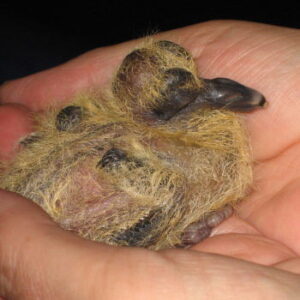
Also, check if the bird has feathers or just downy fuzz. Nestlings without feathers are more vulnerable and need more delicate care compared to fledglings with some feather development.
Have you ever tried matching a bird you found with pictures online? It can be surprisingly effective and helps you avoid feeding mistakes.
Assessing The Baby Bird’s Condition
Finding a baby bird can be both exciting and nerve-wracking. Before deciding what to feed it, you need to carefully assess its condition. This step is crucial because the care a baby bird requires depends heavily on its health status.
Signs Of Injury Or Illness
Look closely for any visible wounds, such as cuts, bruises, or broken wings. Check if the bird is bleeding or has swelling in any area. Notice if it’s breathing heavily or making unusual noises, which might indicate respiratory trouble.
Another sign is lethargy—if the bird barely moves or doesn’t respond to touch, it could be seriously ill. Watch for abnormal droppings; watery or discolored waste may signal digestive issues. Also, observe if the bird’s eyes are closed or crusty, which can be a sign of infection.
Have you ever tried to feed a baby bird only to realize it was too weak to swallow? That’s a sign you need to reconsider your approach and possibly get expert help.
When To Seek Professional Help
If the bird shows any signs of injury or illness, it’s best to contact a wildlife rehabilitator immediately. Professionals have the right tools and knowledge to provide proper care and increase the bird’s survival chances.
Even if you think the bird looks healthy, reaching out to an expert is wise if you’re unsure about its age or species. Some birds require specialized diets that can be difficult to replicate at home.
Remember, your good intentions can sometimes cause more harm than good. Asking for professional help ensures the bird gets the best chance to thrive. Would you want to risk feeding something inappropriate and unintentionally harm a fragile life?
Safe Temporary Housing
Providing safe temporary housing for a found baby bird is crucial for its survival and comfort until you can get professional help. The right environment helps reduce stress and mimics what the bird would experience in its natural nest. Think about how fragile these tiny creatures are and how careful you need to be in creating a space that feels secure and warm.
Creating A Comfortable Nest
Use a small container like a shoebox or a clean plastic basket to serve as the bird’s temporary home. Line it with soft materials such as tissue paper, paper towels, or a clean cloth—avoid anything with loose threads that could tangle tiny feet or beaks.
Make sure the nest padding is thick enough to cushion the bird but breathable to prevent overheating. You want to create a cozy spot that stops the bird from sliding around but doesn’t trap moisture or heat excessively. Have you noticed how baby birds naturally snuggle into their nests? You’re aiming to replicate that gentle support.
Maintaining Proper Temperature
Baby birds cannot regulate their body temperature well. They need a warm environment between 85°F and 95°F (29°C to 35°C). Use a heating pad set on low beneath half of the container or a warm water bottle wrapped in a cloth to provide gentle heat.
Check the warmth regularly to avoid overheating or chilling. Place a thermometer near the nest to monitor conditions. If the bird moves away from the heat source, it’s a sign the temperature might be too high—adjust accordingly.
Credit: irishwildlifematters.ie
Feeding Basics For Baby Birds
Feeding a found baby bird requires care and knowledge. Baby birds have specific dietary needs. Their diet changes as they grow. Providing the right food helps them survive and grow strong. Understanding what to feed and what to avoid is key. This section covers the basic feeding needs of baby birds.
What Baby Birds Eat
Baby birds mainly eat protein-rich foods. Their diet depends on their species and age. Most baby birds need insects, worms, and soft foods. Here are common foods to offer:
- Small insects like mealworms or crickets
- Soft cooked eggs, mashed finely
- Moist dog or cat food, softened with water
- Mashed fruits such as bananas or berries (for some species)
- Specialized bird formula from pet stores
Feed small portions every 15 to 20 minutes during daylight hours. Keep the food soft and easy to swallow. Use tweezers or a small spoon for feeding. Avoid forceful feeding that can harm the bird.
Foods To Avoid
Some foods can harm baby birds. Avoid feeding these items:
- Milk or dairy products – birds cannot digest them
- Honey – can cause bacterial infections
- Raw meat or fish – may contain harmful bacteria
- Bread or crackers – offer no nutrition and can choke
- Salty, sugary, or processed foods – unhealthy for birds
- Seed-only diets – lack necessary protein for babies
Never give baby birds water directly. They get enough moisture from their food. Improper feeding can cause illness or death. Always handle baby birds gently and clean feeding tools well.
Homemade Food Options
Finding a baby bird in need can be stressful, especially when you’re unsure what to feed it. Homemade food options can be a lifesaver, providing the nutrition these tiny creatures need to grow strong. Preparing their meals yourself means you control the ingredients and freshness, ensuring safety and quality.
Diy Bird Formula Recipes
Creating a bird formula at home is simpler than you might think. You can mix easy-to-find ingredients to mimic what a mother bird would provide. A basic recipe includes:
- 1 part dry dog or cat food (ground finely)
- 1 part hard-boiled egg yolk
- 2 parts warm water or baby formula (without additives)
Blend these until smooth to make a soft, porridge-like consistency. This formula supplies protein and moisture essential for the baby bird’s survival. Have you noticed how quickly baby birds need feeding? This formula lets you respond fast with nutritious food.
Using Natural Ingredients
Natural ingredients often provide the best nourishment. You can use mashed fruits like bananas or cooked sweet potatoes for energy. Adding finely chopped insects or mealworms offers vital protein.
Remember to avoid honey or milk, as they can harm the baby bird’s delicate system. Instead, stick to plain, fresh ingredients you trust. What natural foods have you tried feeding a baby bird that worked well?
Feeding Techniques
Feeding a found baby bird needs careful attention and gentle care. Proper feeding techniques help the bird grow strong and healthy. Feeding too fast or giving wrong food can hurt the bird. Understanding how to feed safely and how much to give is key to its survival.
How To Feed Without Causing Harm
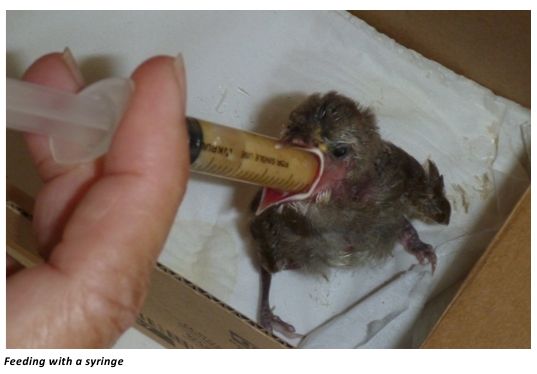
Hold the baby bird gently but firmly in your hand. Use a small spoon or syringe without a needle to offer food. Avoid forcing food into the bird’s throat. Let the bird open its mouth on its own. Feed slowly and watch for choking signs.
Never give food that is too hot or cold. Room temperature food is best. Avoid milk or bread as these can harm the bird. Soft, easy-to-digest foods like mashed insects or special bird formula work well.
Frequency And Portion Sizes
Baby birds need feeding often because they have small stomachs. Feed every 15 to 20 minutes during daylight hours for very young birds. Older chicks can be fed every 30 to 60 minutes.
Offer small portions each time. Overfeeding can cause health problems. The bird should appear full but not bloated after feeding. Watch its crop, a small pouch on its neck, to check if food is digesting well.
- Feed tiny amounts to avoid choking.
- Keep feeding intervals regular and consistent.
- Adjust portions as the bird grows.
Hydration Needs
Hydration is crucial for a found baby bird’s survival. Young birds need water to stay healthy and grow strong. Without enough water, they can become weak quickly. Proper hydration supports their digestion and keeps their bodies functioning well.
Providing Water Safely
Offer water carefully to avoid choking. Use a small dropper or a clean syringe. Place tiny drops of water on the bird’s beak. Never force water directly into the throat. Make sure the water is fresh and clean. Avoid giving too much water at once. Keep the bird warm during hydration to prevent shock.
Signs Of Dehydration
Look for these signs to know if the bird is dehydrated:
- Dry or sticky mouth and throat
- Sunken eyes
- Weak or lethargic behavior
- Cold or dry skin
- Slow or irregular breathing
If you notice these signs, provide water gently and seek expert help quickly.
When To Release Or Contact Wildlife Experts
Knowing when to release a found baby bird or contact wildlife experts is crucial for the bird’s survival and your peace of mind. Not every bird you find is ready to return to the wild right away, and sometimes professional help is the best option. Understanding the right timing and signs can make a significant difference in the bird’s future.
Preparing For Release
Before you release a baby bird, make sure it is healthy and able to survive on its own. The bird should be fully feathered and able to perch, fly short distances, and feed independently.
Set up a safe, quiet area outside where predators are minimal. Gradually expose the bird to outdoor elements, so it adjusts to natural conditions.
Watch the bird closely for a few days after release. Are they finding food? Are they avoiding danger? These observations help you decide if additional support is needed.
Finding Local Wildlife Rehabilitators
If the bird is injured, sick, or too young to survive without constant care, contacting a local wildlife rehabilitator is essential. These professionals have the training and resources to provide the best care.
Use online directories or contact your local animal control or veterinarian for referrals. Many areas have dedicated organizations that specialize in native bird rescue.
- Prepare information like the bird’s species, condition, and location before calling.
- Follow their advice carefully to avoid causing harm.
- Ask about drop-off procedures and what to expect during rehabilitation.
Have you ever wondered if your help could unintentionally harm a baby bird? Seeking expert guidance reduces that risk and gives the little bird a better chance at a healthy life.

Credit: www.reddit.com
Frequently Asked Questions
What Is The Best Food For A Found Baby Bird?
The best food depends on the bird species. Generally, moist dog or cat food, soaked in water, works well. Avoid bread or milk. Specialized bird formula is ideal if available. Always feed small amounts frequently to mimic natural feeding.
Can I Feed A Found Baby Bird With Milk?
No, do not feed milk to baby birds. Birds are lactose intolerant and milk can cause digestive issues. Instead, offer moistened dog or cat food, or a commercial bird formula designed for hand-feeding baby birds.
How Often Should I Feed A Found Baby Bird?
Feed baby birds every 15 to 20 minutes during daylight hours. Young birds need frequent, small meals for proper growth. As they grow, feeding intervals can increase. Always keep the food warm and fresh for best results.
Should I Feed Insects To A Found Baby Bird?
Yes, many baby birds naturally eat insects. You can offer small, soft insects like mealworms or finely chopped cooked eggs. Avoid wild insects to prevent parasites. Proper protein is essential for their development and energy.
Conclusion
Feeding a found baby bird requires care and patience. Offer the right food for its age and species. Small insects or bird formula work well. Avoid bread and milk; they’re harmful. Keep the bird warm and safe. Contact wildlife experts for guidance.
They can provide the best advice. Always handle the bird gently. Your efforts can help it grow strong. Remember, the bird depends on your care. With proper feeding, it has a better chance of survival. You play a crucial role in its early life.
Your compassion makes a difference.