

Are you passionate about capturing stunning images of birds in their natural habitat? If so, you know that having the right equipment can make all the difference.
Bird photography is a rewarding yet challenging hobby that demands precision and stability. That’s why finding the best tripod is crucial for your success. Imagine having a reliable tripod that keeps your camera steady, even when you’re zooming in on a distant subject.
It can transform your photography experience and elevate the quality of your shots. In this guide, we’ll explore the top tripod choices for bird photography, ensuring you have the perfect companion for your birdwatching adventures. Get ready to discover how the right tripod can help you capture breathtaking images that tell a story of nature’s beauty. Dive in and find out which tripod will become your new favorite tool in the field!
Key Features For Bird Photography Tripods
Choosing the right tripod for bird photography is crucial because it directly affects your ability to capture sharp, detailed images. The best tripod supports your camera gear securely while offering flexibility in height and positioning. Let’s break down the key features you should focus on to make a confident choice.
Stability And Load Capacity
Stability is non-negotiable in bird photography. You often use heavy telephoto lenses that need a sturdy base to prevent camera shake. Look for tripods with a high load capacity—ideally, one that can support at least 1.5 times the weight of your heaviest camera setup.
Have you ever had your shot ruined by a slight shake? A solid tripod eliminates that frustration, especially in windy or uneven terrain.
Height And Adjustability
Your tripod should adjust to various heights easily. Some birds perch high in trees, while others stay close to the ground. A tripod with a wide height range and adjustable leg angles lets you adapt quickly without disturbing your subject.
Think about whether you need to shoot low to the ground or stand tall for eye-level shots. Flexibility in height can mean the difference between a good photo and a great one.
Weight And Portability
You’ll likely hike to remote birding spots, so weight matters. Heavy tripods can tire you out fast, but too light might sacrifice stability. Aim for a balance: something light enough to carry comfortably yet robust enough to hold your gear steady.
Have you ever avoided bringing a tripod because it felt like a burden? Choosing a compact, lightweight model can make your bird photography trips more enjoyable.
Material And Durability
Tripods made from carbon fiber or aluminum offer different benefits. Carbon fiber is lighter and absorbs vibrations better, but aluminum is often more affordable and durable against rough conditions. Think about your typical shooting environment and choose accordingly.
Are you often out in rainy or dusty conditions? A tripod with weather-resistant features can save you from unexpected damage.
Ease Of Setup And Use
Quick and simple setup means you won’t miss fleeting bird moments. Features like easy-to-use leg locks and a smooth center column make adjustments faster and hassle-free. Look for intuitive designs that suit your shooting style.
Have you missed a shot because you were fumbling with your tripod? A user-friendly tripod keeps you focused on the action, not the equipment.
Types Of Tripods For Bird Photography
Tripods are essential for bird photography. They keep your camera steady and reduce blur. Different types of tripods serve different needs. Choosing the right tripod depends on your style and location.
Standard Tripods
Standard tripods offer strong support and stability. They are usually heavier but very sturdy. Ideal for long shoots in one spot. They hold heavy lenses and cameras without shaking. Perfect for detailed bird shots from a fixed position.
Travel Tripods
Travel tripods are lightweight and compact. Easy to carry on long trips or hikes. They fold small but still provide good stability. Great for bird photographers who move a lot. Balance between portability and support.
Monopods
Monopods have one leg instead of three. They are lighter and quicker to set up. Offer some stability but less than tripods. Useful for fast-moving birds or crowded places. Help reduce camera shake while allowing mobility.
Gimbal Heads And Ball Heads
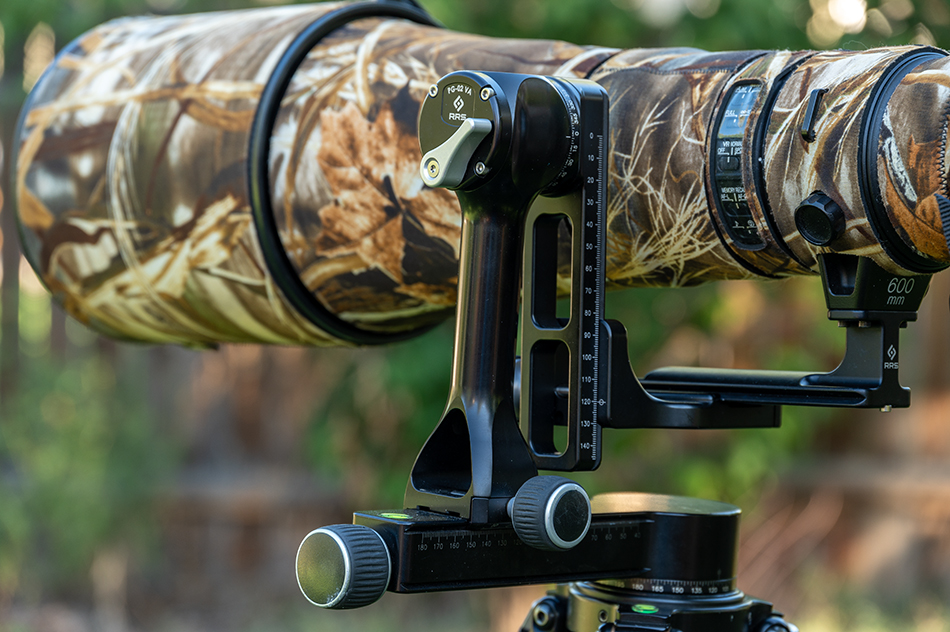
Gimbal heads allow smooth movement of heavy lenses. Perfect for tracking flying birds with ease. Ball heads offer quick adjustments and flexibility. Both help position the camera precisely. Choose based on your lens weight and shooting style.
Top Tripod Picks For Bird Photography
Choosing the right tripod can make a huge difference in your bird photography experience. The perfect tripod offers stability, ease of use, and durability, helping you capture sharp, detailed shots of even the most elusive birds. Here are some top tripod picks that cover a range of needs and budgets, so you can find the one that fits your style and gear.
Best Overall Tripod
The Manfrotto MT055CXPRO4stands out as the best overall tripod for bird photography. It balances stability and portability, thanks to its carbon fiber legs that reduce weight without sacrificing strength.
Its 90-degree center column allows for versatile shooting angles, perfect for tracking birds in flight or perched high above. If you want a reliable tripod that performs well in various conditions, this one won’t disappoint.
Best Lightweight Option
If you hike to remote birdwatching spots, the Gitzo Traveler Series 1is a game-changer. Weighing just around 2.4 pounds, it’s incredibly light but still sturdy enough to support telephoto lenses.
Its compact design fits easily into your backpack, making long walks less tiring. Wouldn’t you agree that less weight on your shoulders means more energy to focus on spotting rare birds?
Best Budget Tripod
The AmazonBasics 60-Inch Lightweight Tripodoffers surprising value for bird photographers on a budget. It’s not as durable as high-end models but provides decent stability for beginners or casual shooters.
Its adjustable legs and quick-release plate make setup fast, so you don’t miss fleeting bird moments. Could this be the perfect starter tripod that keeps your wallet happy while still delivering quality shots?
Best Heavy-duty Tripod
For those who shoot with heavy lenses or in rugged terrain, the Really Right Stuff TVC-33is worth every penny. This tripod delivers exceptional stability and can handle large telephoto lenses without wobbling.
Its solid build ensures your gear stays secure, even in windy conditions. How much more confident would you feel knowing your equipment is firmly supported in any environment?
Credit: www.tombolphoto.com
Tips For Choosing The Right Tripod
Choosing the right tripod can make a huge difference in your bird photography. It’s not just about picking the sturdiest or the lightest one. You need a tripod that fits your gear, matches how you shoot, and balances weight with stability perfectly.
Matching Tripod To Your Gear
Your camera and lens setup play a big role in deciding the tripod. Heavy telephoto lenses demand a tripod that can hold the weight without shaking. If you use a smaller camera or lens, a lightweight tripod might be enough.
Think about the maximum load capacity of the tripod. It’s wise to choose one rated slightly above your gear’s total weight to avoid wobbling. Have you checked if your tripod head supports your camera and lens combo properly?
Considering Your Shooting Style
How you shoot birds affects the tripod you need. Do you spend hours waiting in one spot, or are you moving often to follow the action? For stationary shooting, a robust, heavier tripod can provide extra stability.
If you’re on the move, portability becomes key. Look for tripods that fold compactly and don’t weigh you down. Ask yourself, would you rather carry a little extra weight for steadiness, or save energy with a lighter setup?
Balancing Weight And Stability
Finding the sweet spot between weight and stability is crucial. A super-heavy tripod might hold steady but can tire you quickly during hikes. On the other hand, a lightweight tripod might not offer enough support for sharp shots.
Consider materials like carbon fiber, which offer strength without too much weight. Also, check if the tripod has features like spiked feet for uneven terrain. What’s more important to you: carrying ease or rock-solid stability?
Maintaining And Caring For Your Tripod
Maintaining and caring for your tripod ensures it works well for every bird photography session. A well-kept tripod stays stable and lasts longer. Simple habits protect your investment and improve your shooting experience. Take time to clean, handle, and upgrade your tripod properly.
Cleaning And Storage
Remove dirt and dust after each use. Use a soft brush or cloth for cleaning. Avoid harsh chemicals that damage the tripod’s finish. Dry the tripod completely before storing it. Store in a cool, dry place to prevent rust and corrosion. Use a padded bag for extra protection during transport.
Handling Wear And Tear
Check for loose screws and tighten them regularly. Inspect leg locks and joints for smooth operation. Replace worn-out rubber feet to maintain grip on surfaces. Avoid forcing parts to prevent damage. Handle the tripod gently, especially on rough terrain.
Upgrading Tripod Accessories
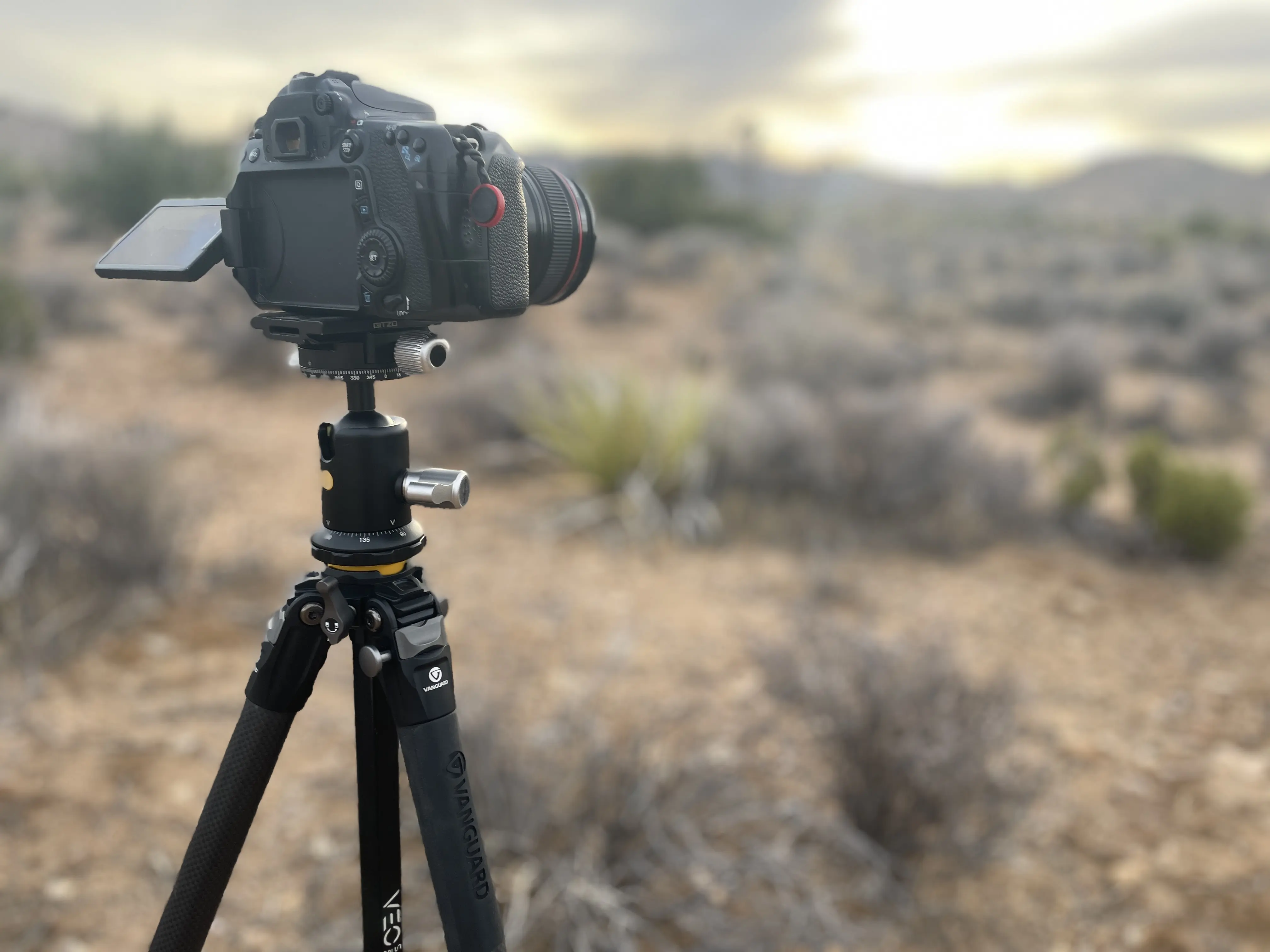
Consider adding quick-release plates for faster setup. Use a tripod head that suits your camera and style. Add spiked feet for better stability in mud or grass. Upgrade to carbon fiber legs for lighter weight and strength. Choose accessories that match your shooting needs and improve comfort.

Credit: www.youtube.com
Credit: gearjunkie.com
Frequently Asked Questions
What Features Make A Tripod Ideal For Bird Photography?
An ideal bird photography tripod is lightweight, stable, and height-adjustable. It should support heavy lenses and allow smooth panning. Quick setup and durability are essential for outdoor use. These features ensure sharp images and ease of movement when tracking birds.
How Important Is Tripod Weight For Bird Photographers?
Tripod weight is crucial for bird photographers who hike or travel. A lightweight tripod reduces fatigue during long shoots. However, it must still be sturdy enough to hold heavy lenses without shaking. Balancing weight and stability improves overall shooting experience.
Which Tripod Material Suits Bird Photography Best?
Carbon fiber tripods are preferred for bird photography due to their light weight and strength. Aluminum tripods are heavier but more affordable. Carbon fiber also absorbs vibrations better, enhancing image sharpness. Choose based on budget and shooting needs.
Can A Tripod Improve Bird Photography Image Quality?
Yes, a tripod significantly improves image quality by stabilizing the camera. It reduces camera shake, especially with long telephoto lenses. This results in sharper, clearer bird photos. Tripods also help maintain consistent framing during long observation sessions.
Conclusion
Choosing the right tripod makes bird photography easier and more fun. A good tripod keeps your camera steady and sharp. It helps you capture clear, detailed photos of birds. Think about weight, height, and stability when selecting one. Test a few to see what feels best for you.
A solid tripod supports your creativity outdoors. Enjoy your bird watching and photography adventures with confidence.