

Are you passionate about capturing the beauty of birds but unsure which camera will help you get the best shots? Choosing the right camera for bird photography can feel overwhelming with so many options out there.
But don’t worry—this guide will help you find the perfect match for your needs and skill level. By the end, you’ll know exactly what features to look for to take stunning, sharp photos of birds in action. Ready to discover the camera that will elevate your bird photography?
Let’s dive in!
Key Features For Bird Photography
Choosing the right camera for bird photography means looking beyond just the brand or model name. You need features that help you capture sharp, detailed images of fast-moving, often distant subjects. Understanding what matters most can save you time and money, and improve your bird shots dramatically.
Sensor Size And Resolution
The sensor size affects how much light your camera can capture. Larger sensors, like full-frame, generally perform better in low light and produce clearer images with less noise. However, crop sensors can be beneficial because they give extra reach, making distant birds appear closer.
Resolution matters too. Higher megapixels allow you to crop photos without losing detail. Think about whether you want large prints or just digital sharing; this will influence how many megapixels you really need.
Autofocus Performance
Birds move quickly and unpredictably, so your camera’s autofocus (AF) system must be fast and accurate. Look for cameras with multiple focus points and good tracking capabilities. Some models have eye-detection AF, which helps keep a bird’s eye sharp even in flight.
Test the autofocus yourself if possible. Can it lock onto a small bird against a busy background? If it struggles, your shots might end up blurry or missed altogether.
Frame Rate And Burst Mode
Birds rarely stay still. You need a camera that shoots multiple frames per second to capture the perfect moment. A high frame rate paired with burst mode lets you take a rapid series of shots so you don’t miss a wing flap or a sudden turn.
Consider how many shots your camera can hold before slowing down. A fast buffer is essential for long bursts, especially if you shoot in RAW format.
Lens Compatibility
The right lens is just as important as the camera body. Telephoto lenses with long focal lengths help you get close-up shots without disturbing the birds. Check that your camera supports a wide range of lenses, including third-party options.
Also, think about your budget and weight preferences. Sometimes a smaller, lighter lens paired with a crop sensor camera can work better for long walks in the field than a heavy, professional lens.
Image Stabilization
Bird photography often involves handheld shooting or long lenses that magnify even the smallest shake. Image stabilization (IS) helps reduce blur caused by camera movement. Some cameras offer in-body stabilization, while others rely on lens-based IS.
Try to get a system with at least 3-5 stops of stabilization. This can make a big difference, especially during early morning or late evening when light is low and slower shutter speeds are needed.
Best Cameras For Beginners
Choosing your first camera for bird photography can feel overwhelming. You want gear that’s easy to use but powerful enough to capture stunning shots. The right beginner camera balances affordability, performance, and features that help you learn and grow.
Affordable Dslrs
DSLRs offer great image quality and a comfortable grip for long birdwatching sessions. Models like the Canon EOS Rebel T7or Nikon D3500are perfect for beginners because they come with user-friendly menus and reliable autofocus systems.
These cameras let you swap lenses, so you can start with an 18-55mm lens and later add a telephoto lens to get closer to your feathered subjects. Plus, their battery life tends to last longer than mirrorless cameras, which is handy for extended outdoor shoots.
Entry-level Mirrorless Options
Mirrorless cameras are lighter and more compact, making them easier to carry during long walks in nature. The Sony Alpha a6100and Fujifilm X-T200are excellent choices for beginners with fast autofocus and high-resolution sensors.
These cameras often feature advanced video modes and touchscreen controls that beginners find intuitive. Their electronic viewfinders show exactly what the sensor captures, which can help you frame your bird shots more accurately.
Think about what matters most to you: Do you prefer a camera that feels solid in hand, or one that’s easy to carry around? Your answer will guide you to the right beginner camera for bird photography.
Top Cameras For Enthusiasts
Choosing a camera with fast autofocus and good zoom helps capture clear bird photos. Cameras with high resolution and image stabilization improve detail and sharpness. Lightweight models make it easier to carry during long birdwatching trips.
Bird photography demands patience and the right equipment. For enthusiasts eager to capture stunning avian images, choosing the right camera is crucial. The camera should offer high-speed performance and excellent image quality. Let’s explore some top camera options tailored for bird photography enthusiasts.Advanced Dslrs
Advanced DSLRs are perfect for enthusiasts seeking robust performance. They offer fast autofocus and high-speed shooting. These cameras boast large sensors, enhancing image quality. Popular models include the Canon EOS 7D Mark II and Nikon D500. Both feature excellent autofocus systems and weather sealing. This makes them ideal for outdoor shooting in various conditions. DSLRs also provide an extensive range of lenses. This versatility is vital for capturing birds at different distances.Mid-range Mirrorless Cameras
Mid-range mirrorless cameras offer a lightweight alternative. They combine portability with high performance. Models like the Sony Alpha a6400 and Fujifilm X-T4 are popular. These cameras feature fast autofocus and impressive burst modes. Their electronic viewfinders offer real-time previews, aiding in composition. Mirrorless systems also provide a wide lens selection. This flexibility is key for diverse bird photography settings. Choosing between DSLRs and mirrorless depends on individual preferences. Both options offer unique advantages for capturing beautiful bird images.
Credit: photzy.com
Professional Cameras For Birders
Choosing a professional camera for bird photography means balancing power, precision, and portability. As you aim to capture sharp, vibrant images of birds in action, your equipment must keep up with fast movements and varying light conditions. Professional cameras offer advanced features that can make the difference between a good shot and a breathtaking one.
High-end Mirrorless Models
High-end mirrorless cameras are transforming bird photography with their lightweight bodies and impressive autofocus systems. These cameras excel at tracking rapid movements, letting you follow a bird in flight without losing focus.
Models like the Sony A1 and Canon EOS R5 offer incredibly fast burst rates, often exceeding 20 frames per second. This speed allows you to capture multiple images during a quick flight or sudden behavior, increasing your chances of that perfect shot.
Mirrorless cameras also provide excellent image stabilization, reducing blur caused by handheld shooting. The electronic viewfinder gives you a real-time preview, which is a big help when adjusting settings on the fly.
Specialized Wildlife Cameras
Some cameras are built specifically for wildlife photography, including birders who need ruggedness and long reach. These models often feature extended zoom lenses and weather-sealed bodies to handle tough outdoor conditions.
For example, the Nikon D6 and Canon-1D X Mark III are favorites among professional wildlife photographers. They combine robust build quality with fast autofocus and high frame rates, ensuring reliability in challenging environments.
Specialized cameras also tend to have superior battery life—critical for long hours in the field. Plus, they support extensive lens options, including super-telephoto lenses that bring distant birds closer without disturbing them.
Essential Lenses For Bird Photography
Choosing the right lens is just as important as picking the camera body for bird photography. The lens determines how close you can get to your subject and the quality of the images you capture. Focusing on lenses that offer the right reach, speed, and clarity will elevate your bird photography experience.
Telephoto Lenses
Telephoto lenses are a must-have for bird photography because birds are often far away or shy. A lens with a focal length of 300mm or more allows you to capture sharp, detailed images without disturbing the bird.
For example, a 400mm lens helped me photograph a rare hawk perched on a distant tree without scaring it away. Telephoto lenses also compress the background, making your subject stand out beautifully.
Zoom Vs Prime Lenses
Choosing between zoom and prime lenses depends on your shooting style and budget. Zoom lenses offer flexibility by covering a range of focal lengths, which is useful when birds move unpredictably.
Prime lenses, on the other hand, usually provide better image quality and wider apertures but require you to move physically to frame your shot. Ask yourself: do you need quick adjustments, or are you willing to plan your shots carefully for sharper images?
Lens Aperture Considerations
A lens with a wide aperture (like f/2.8 or f/4) allows more light to enter, which is crucial for fast shutter speeds and sharp images in low light. This is especially important during early morning or late evening bird activity.
However, wider apertures can reduce depth of field, so focusing becomes critical. Think about how often you shoot in dim conditions and whether you need that extra light-gathering power to freeze fast bird movements.
Accessories To Enhance Your Setup
Choosing the right camera is just the start for bird photography. Accessories help improve your photos and make shooting easier. They support stability, lighting, and protection. These tools add comfort and increase your chances of capturing great shots.
Tripods And Monopods
Birds move fast and often stay far away. A tripod keeps your camera steady for clear photos. It reduces blur from hand shake. Monopods offer more mobility while still supporting your camera’s weight. They are lighter and easier to carry. Both help you hold long lenses without tiring your arms. Choose a tripod or monopod that is strong but easy to set up.
External Flashes And Lighting
Natural light is not always enough. An external flash brightens your subject without scaring birds. It helps in low light or shaded spots. Look for flashes that allow soft, diffused light to avoid harsh shadows. Some flashes have adjustable power to match the scene. Lighting accessories improve details and colors in your bird photos.
Camera Bags And Weather Protection
Bird photography often happens outdoors. A good camera bag keeps your gear safe and organized. Choose bags with padded compartments for lenses and camera bodies. Weather protection is essential to shield your equipment from rain, dust, and cold. Rain covers and waterproof bags prevent damage. These accessories let you shoot in different weather without worry.
Tips For Choosing The Right Camera
Choosing the right camera for bird photography can feel tricky. The best camera matches your needs, style, and budget. Knowing what matters helps you pick gear that lasts. Focus on key points before buying. This guide helps you make smart choices for great bird photos.
Budgeting And Cost Factors
Set a clear budget before you start. Cameras range from affordable to expensive. Remember to include costs for lenses, memory cards, and accessories. Sometimes a mid-range camera with a good lens works better than a cheap camera with poor optics. Think about what features matter most for your photos. Balance price and quality to avoid overspending.
Portability And Weight
Bird photography means being outdoors a lot. Carrying heavy equipment can tire you quickly. Lightweight cameras and lenses make long walks easier. Compact gear helps you move quietly and fast. Choose something you can carry all day without strain. Portability improves your chances to capture quick bird movements.
Future-proofing Your Gear
Buy gear that grows with your skills. Look for cameras with upgrade options and good support. Check if lenses and accessories are easy to find. New camera models appear often. Pick a system that stays useful for years. This saves money and avoids frequent replacements. Think long-term to enjoy bird photography longer.
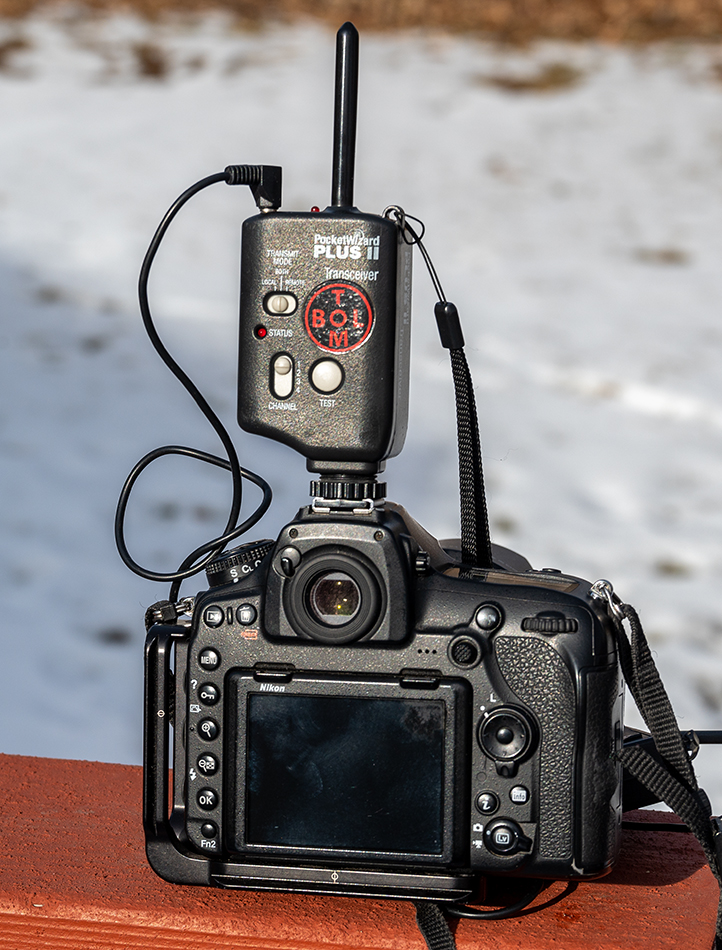
Credit: www.tombolphoto.com

Credit: www.youtube.com
Frequently Asked Questions
What Features Matter Most In Bird Photography Cameras?
Key features include fast autofocus, high frame rates, and excellent image stabilization. A long zoom lens and good low-light performance also help capture sharp, detailed bird photos in varied conditions.
Should I Choose Dslr Or Mirrorless For Bird Photography?
Mirrorless cameras offer faster autofocus and lighter bodies, ideal for birding. DSLRs often have longer battery life and robust build. Both can perform well; choose based on personal preference and lens availability.
How Important Is Lens Choice For Bird Photography?
Lens choice is critical. A telephoto lens (300mm or longer) lets you capture distant birds without disturbance. High-quality lenses with image stabilization ensure sharp, clear shots even in challenging environments.
What Camera Settings Work Best For Bird Photography?
Use a fast shutter speed (1/1000s or faster) to freeze motion. Set a wide aperture (f/5. 6 or lower) for background blur. Use continuous autofocus and burst mode to capture action sequences.
Conclusion
Choosing the right camera makes bird photography more enjoyable. Focus on features like zoom, speed, and image quality. Think about your budget and how often you will shoot. A good camera helps capture birds clearly and quickly. Remember, practice and patience improve your photos most.
Start with what fits your needs today. Keep learning and exploring the world of bird photography. Your perfect camera is waiting to help you see nature better.