
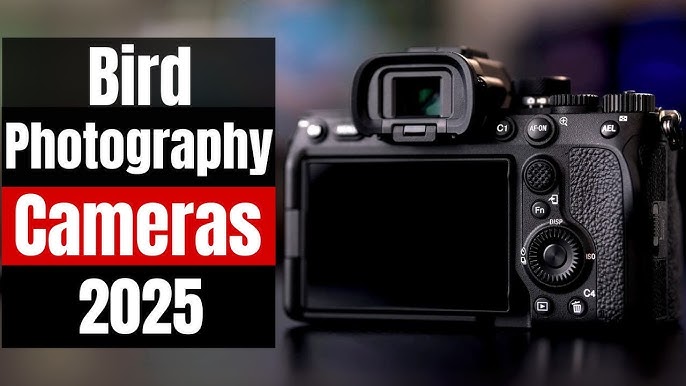
Are you ready to capture the breathtaking beauty of birds in their natural habitat? Choosing the right camera for bird photography can be a game-changer, allowing you to freeze moments of grace and vibrant colors in stunning detail.
But with so many options out there, how do you decide which camera will truly elevate your bird photography? In this guide, we’ll unravel the mystery for you, helping you find the perfect companion to bring your avian adventures to life.
Whether you’re a seasoned birdwatcher or just starting out, this article is crafted to pique your curiosity and empower you with the knowledge to make the best choice. Keep reading to discover the camera that will transform your bird photography experience.

Credit: medium.com
Key Features For Bird Photography
Choosing the right camera for bird photography depends on certain key features. These features affect image quality, focus speed, and durability. Understanding them helps pick a camera that captures sharp, clear, and detailed bird photos.
Sensor Size And Resolution
A larger sensor captures more light and details. Full-frame sensors are excellent for sharp images. Crop sensors offer extra reach, helpful for distant birds. High resolution helps zoom in without losing quality. Aim for at least 20 megapixels for crisp images.
Autofocus Performance
Birds move fast. A quick, accurate autofocus system is essential. Look for cameras with many focus points. Continuous autofocus keeps moving birds sharp. Eye-tracking autofocus improves focus on the bird’s head and eyes.
Lens Compatibility
Long lenses are key for bird photography. Check if the camera supports telephoto lenses. Some cameras work better with certain brands. A wide choice of lenses gives flexibility in shooting styles.
Image Stabilization
Birds often appear far away. Image stabilization reduces blur from hand shake. In-body stabilization works with any lens. Lens stabilization adds extra sharpness. Both types help capture clear images at slow shutter speeds.
Burst Mode Speed
Birds move quickly and unpredictably. Burst mode captures many photos in seconds. Faster burst rates mean better chances of getting the perfect shot. Look for cameras with at least 8 frames per second.
Weather Sealing
Bird photography happens outdoors in all weather. A weather-sealed camera resists dust and moisture. It allows shooting in rain, wind, or cold. This feature protects your gear and ensures reliability.
Top Camera Types For Birding
Choosing the right camera for bird photography is key to capturing sharp, detailed images. Different camera types offer unique features that suit various birding styles. Understanding these options helps pick a camera that matches your needs and skill level.
Dslr Cameras
DSLR cameras have been popular among bird photographers for years. They provide fast autofocus and excellent image quality. Their large sensors capture fine details and vibrant colors. DSLRs offer a wide range of lenses, including powerful telephoto options. These cameras work well in different lighting conditions. They tend to be bulkier but deliver reliable performance for serious birders.
Mirrorless Cameras
Mirrorless cameras are gaining popularity in bird photography. They are lighter and more compact than DSLRs. Their electronic viewfinders show real-time exposure and settings. Mirrorless models often have faster burst rates for capturing quick bird movements. They support interchangeable lenses, including many telephoto options. These cameras combine portability with high image quality, ideal for active birders.
Bridge Cameras
Bridge cameras are an affordable choice for beginners. They come with built-in zoom lenses that cover a broad focal range. This means less need to carry extra lenses. Bridge cameras are easy to use and often include image stabilization. Their smaller sensors may limit low-light performance and detail. Still, they offer a good balance of convenience and zoom power for casual bird photography.
Best Cameras For Beginners
Choosing the right camera is key for beginners in bird photography. The best cameras offer a balance of price, ease, and features. They help capture sharp, clear images without confusion. Starting with the right gear makes learning fun and rewarding.
Affordable Options
Many beginner cameras come at a low cost but deliver good quality. Brands like Nikon, Canon, and Sony offer models under $600. These cameras have decent zoom and focus systems needed for bird shots. Budget-friendly options help beginners practice without large investments.
Ease Of Use
Simple controls and menus are vital for new photographers. Cameras with automatic modes and clear buttons reduce frustration. Models with touchscreen or guided settings help users adjust quickly. Easy-to-use cameras let beginners focus on the birds, not the settings.
Essential Features
Some features make bird photography easier for beginners:
- Good autofocus to catch moving birds
- Decent zoom lens for distant shots
- Image stabilization to reduce blur
- Lightweight design for quick handling
- High-resolution sensor for clear details
Look for cameras that offer these basics to start strong in bird photography.

Credit: www.youtube.com
Professional-level Cameras
Choosing a professional-level camera for bird photography means prioritizing speed, image quality, and durability. These cameras handle fast movements and challenging lighting conditions with ease, giving you the edge in capturing that perfect shot. Let’s look at some top options that can elevate your bird photography to a new level.
High-end Dslr Models
DSLR cameras still hold a strong place in bird photography because of their robust build and long battery life. Models like the Nikon D6 or Canon EOS-1D X Mark III offer fast autofocus and high frame rates, essential for snapping quick bird movements.
The optical viewfinder on these cameras provides a clear and lag-free view, helping you track birds effortlessly. You also get access to a wide range of lenses, from telephoto zooms to prime options designed specifically for wildlife.
Advanced Mirrorless Cameras
Mirrorless cameras have surged in popularity thanks to their compact size and cutting-edge technology. Cameras like the Sony A1 or Canon EOS R5 deliver incredible resolution and rapid burst shooting speeds, perfect for detailed bird photos.
Mirrorless models often feature advanced autofocus systems that can track birds in flight more accurately. Plus, their electronic viewfinders give you real-time exposure previews, which can be a game-changer when shooting in tricky lighting.
Specialized Wildlife Cameras
Some cameras are built specifically for wildlife photographers, combining ruggedness with features tailored to birdwatching. The Olympus OM-D E-M1X, for example, offers excellent image stabilization and weather sealing, letting you shoot in harsh environments.
These cameras often include customizable settings to react quickly to sudden bird activity. Have you thought about how much time you spend adjusting settings? A specialized wildlife camera can reduce that time, keeping your focus on the subject instead.
Lens Choices For Bird Photography
Choosing the right lens can make or break your bird photography experience. Your lens affects how close you can get, the image quality, and how easily you can track fast-moving birds. Let’s look at some key lens options and accessories that help capture those perfect bird shots.
Telephoto Lenses
Telephoto lenses are often the first choice for bird photography because they let you shoot from a distance without disturbing your subject. A focal length of 300mm or more is ideal for most bird species, giving you sharp close-ups. I’ve found that a 400mm lens strikes a good balance between reach and portability, especially when hiking.
Longer lenses, like 600mm or 800mm, provide incredible detail but can be heavy and require a sturdy tripod. Ask yourself: how far are you willing to carry your gear during a shoot? Your comfort with weight and stability matters as much as the lens specs.
Prime Vs Zoom Lenses
Prime lenses have a fixed focal length, offering excellent image sharpness and wider apertures for better low-light performance. They’re perfect if you want top-notch clarity and don’t mind moving around to frame your shot.
Zoom lenses give you flexibility to adjust focal length on the fly. This is handy when birds are unpredictable or when you’re in tight spaces. However, zoom lenses usually have smaller maximum apertures, which can affect image quality in dim conditions.
Think about your shooting style: do you prefer precision and image quality, or versatility and speed? Trying both types in the field will show you what suits your approach best.
Lens Accessories
Don’t overlook accessories that enhance your lens’s performance. A good lens hood reduces glare and protects your glass from accidental bumps. Filters, such as UV or polarizing filters, can improve contrast and color saturation in bright outdoor settings.
A tripod or monopod is almost essential for steady shots, especially with heavy telephoto lenses. I’ve saved countless shots from blur by stabilizing my camera setup. Also, consider a remote shutter release to avoid camera shake during long exposures.
What accessories do you carry to improve your bird photography? Sometimes small additions make a big difference in the field.
Tips For Choosing The Right Camera
Choosing the right camera for bird photography can feel overwhelming with so many options available. Focusing on key factors like your budget, how portable the camera is, and the potential for future upgrades will help you make a smart choice. Let’s break down these important points to guide you toward the best camera that fits your unique needs.
Budget Considerations
Your budget sets the foundation for which cameras you can realistically consider. High-end models offer excellent autofocus and fast burst rates, but mid-range cameras can still deliver impressive results if you know what to prioritize.
Think about what features matter most to you. Is it sharp image quality, or maybe a long zoom lens? Sometimes spending a bit more on a quality lens rather than the camera body itself can make a bigger difference in capturing sharp bird images.
Portability And Weight
Bird photography often means hiking or standing in one spot for hours. Carrying a heavy camera can quickly become tiring and affect your ability to stay steady and patient.
Look for lightweight cameras or mirrorless options that reduce bulk without sacrificing too much on performance. Ask yourself: Will you be comfortable carrying this gear all day in the field?
Future Upgrade Paths
Think beyond your first camera purchase. Will the system you choose allow you to upgrade lenses, add external flashes, or improve autofocus with new bodies later?
Investing in a camera brand with a strong ecosystem can save you money and hassle down the road. For example, a beginner Nikon DSLR might be perfect now and still offer professional-grade lenses and accessories as you grow your skills.
2025 Camera Models To Watch
Choosing the right camera for bird photography in 2025 means keeping an eye on the latest models designed to capture fast-moving, often distant subjects with precision. New cameras are pushing the boundaries of autofocus speed, sensor quality, and image stabilization. Let’s look at some of the most exciting 2025 models and innovations that could transform your bird photography experience.
New Releases
Several camera makers have launched models tailored for wildlife enthusiasts. These cameras feature higher frame rates, improved autofocus algorithms, and enhanced zoom capabilities.
- Sony Alpha 9 IV:Offers up to 30 frames per second with blackout-free shooting, perfect for snapping quick bird movements.
- Canon EOS R7 Mark II:Packs a crop sensor with 32MP resolution and advanced tracking, ideal for capturing fine feather details.
- Nikon Z9 Pro:Combines a full-frame sensor with 120fps video and AI-based autofocus to keep birds sharply in focus.
Have you tested any of these in the wild yet? Their speed and clarity might just change how you approach your next shoot.
Upcoming Innovations
Manufacturers are working on tech that might soon redefine bird photography tools. Expect improvements in battery life and weather sealing, so you can shoot longer in harsh conditions.
- Enhanced AI autofocus systems that predict bird flight paths for better tracking.
- Real-time noise reduction to improve image quality in low light without sacrificing speed.
- Lightweight carbon fiber bodies to reduce gear weight without losing durability.
Imagine a camera that can anticipate a bird’s next move or handle a rainy forest shoot without a hitch. Would these features push you to upgrade your current gear?
Comparing Latest Features
Comparing the top models side-by-side helps you decide which fits your style and budget.
| Feature | Sony Alpha 9 IV | Canon EOS R7 Mark II | Nikon Z9 Pro |
|---|---|---|---|
| Sensor | Full-frame 24.2MP | APS-C 32.5MP | Full-frame 45.7MP |
| Max FPS | 30 fps (electronic shutter) | 15 fps (mechanical shutter) | 20 fps (RAW burst) |
| Autofocus Points | 693 phase-detect | 651 phase-detect | 493 phase-detect |
| Weight | 678g | 612g | 1340g |
| Price | High-end | Mid-range | Premium |
Which features matter most to you—speed, resolution, or handling? Your choice could depend on the kinds of birds you chase and how far you usually shoot.
Credit: suryatara.com
Accessories To Enhance Bird Photography
Bird photography demands more than just a good camera and lens. The right accessories can significantly improve your shots and make your experience more enjoyable. Let’s look at some essential gear that supports your camera and protects your equipment while helping you capture those perfect bird moments.
Tripods And Supports
Steady shots are crucial when photographing birds, especially with long telephoto lenses. A sturdy tripod eliminates camera shake and helps you maintain sharp focus. Look for tripods that are lightweight yet strong, so you can carry them easily during long walks.
Monopods are another great option if you need more mobility but still want some stability. I once carried a heavy tripod through a dense forest, but a monopod could have saved me time and effort without compromising support.
Remote Shutters
Have you ever missed a perfect bird pose because pressing the shutter caused a slight blur? Remote shutters solve this problem by allowing you to snap photos without touching the camera. They are especially useful during long exposures or when your camera is on a tripod at a distance.
Wireless remotes add convenience, letting you control your camera from several meters away. Some models also offer interval shooting, which is great for capturing bird behavior over time without disturbing them.
Protective Gear
Bird photography often means working outdoors in varying weather conditions. Protecting your camera and lens from dust, rain, and scratches is vital. Weather-resistant covers and rain sleeves keep your gear safe without limiting access to controls.
Lens hoods help reduce glare and protect the front element of your lens from accidental bumps. Carrying a microfiber cloth ensures you can quickly clean your lens from smudges or water drops, keeping your images clear and vibrant.
Frequently Asked Questions
What Camera Features Are Ideal For Bird Photography?
Ideal bird photography cameras have fast autofocus, high frame rates, and good low-light performance. A long zoom lens and image stabilization also help capture sharp bird images.
Which Camera Types Suit Bird Photography Best?
DSLRs and mirrorless cameras are best for bird photography. They offer fast autofocus, interchangeable lenses, and high image quality essential for capturing birds in detail.
How Important Is Sensor Size In Bird Photography Cameras?
Sensor size matters as larger sensors capture more detail and perform better in low light. Full-frame or APS-C sensors are preferred for sharp bird images.
What Lens Specifications Are Best For Bird Photography?
A telephoto lens with at least 300mm focal length is ideal. Lenses with image stabilization and wide apertures (f/4 or wider) improve sharpness and background blur.
Conclusion
Choosing the best camera for bird photography depends on your needs. Focus on features like zoom, speed, and image quality. A good camera helps capture sharp, clear bird photos. Remember, practice and patience improve your shots too. Enjoy the process of watching and photographing birds.
Keep exploring different cameras to find your perfect match. Happy bird watching and shooting!