

If you want your pet bird to live a happy and healthy life, what you feed it matters more than you might think. Choosing the right food isn’t just about filling their bowl—it’s about giving your feathered friend the nutrients they need to thrive.
You might be surprised how some common foods can harm your bird, while others can boost their energy and mood. Keep reading to discover exactly what to feed your pet bird and how to create a diet that keeps them chirping with joy every day.
Choosing The Right Diet
Feeding your pet bird a balanced diet supports its health and happiness. Fresh fruits, vegetables, seeds, and pellets provide essential nutrients for growth and energy. Avoid foods high in fat, salt, or sugar to keep your bird safe.
Choosing the Right Diet When it comes to ensuring the health and happiness of your pet bird, diet is key. The right diet can make a significant difference in their mood, energy, and lifespan. So, how do you decide what’s best to feed your feathered friend?Seed-based Diets
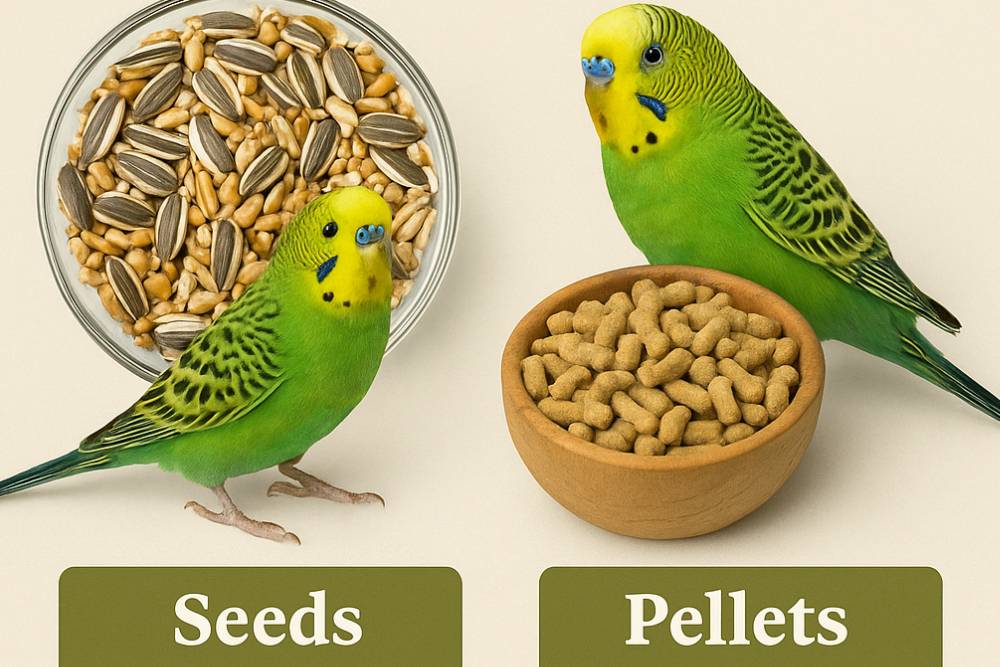
Seed-based diets are often the go-to choice for many bird owners. They are convenient and easy to find in pet stores. However, a seed-only diet can lack essential nutrients. While seeds are high in fat and can be tasty for birds, they do not provide a balanced diet. Consider mixing seeds with other food types to ensure your bird gets a variety of nutrients. Have you ever noticed how birds in the wild eat more than just seeds?Pellet Options
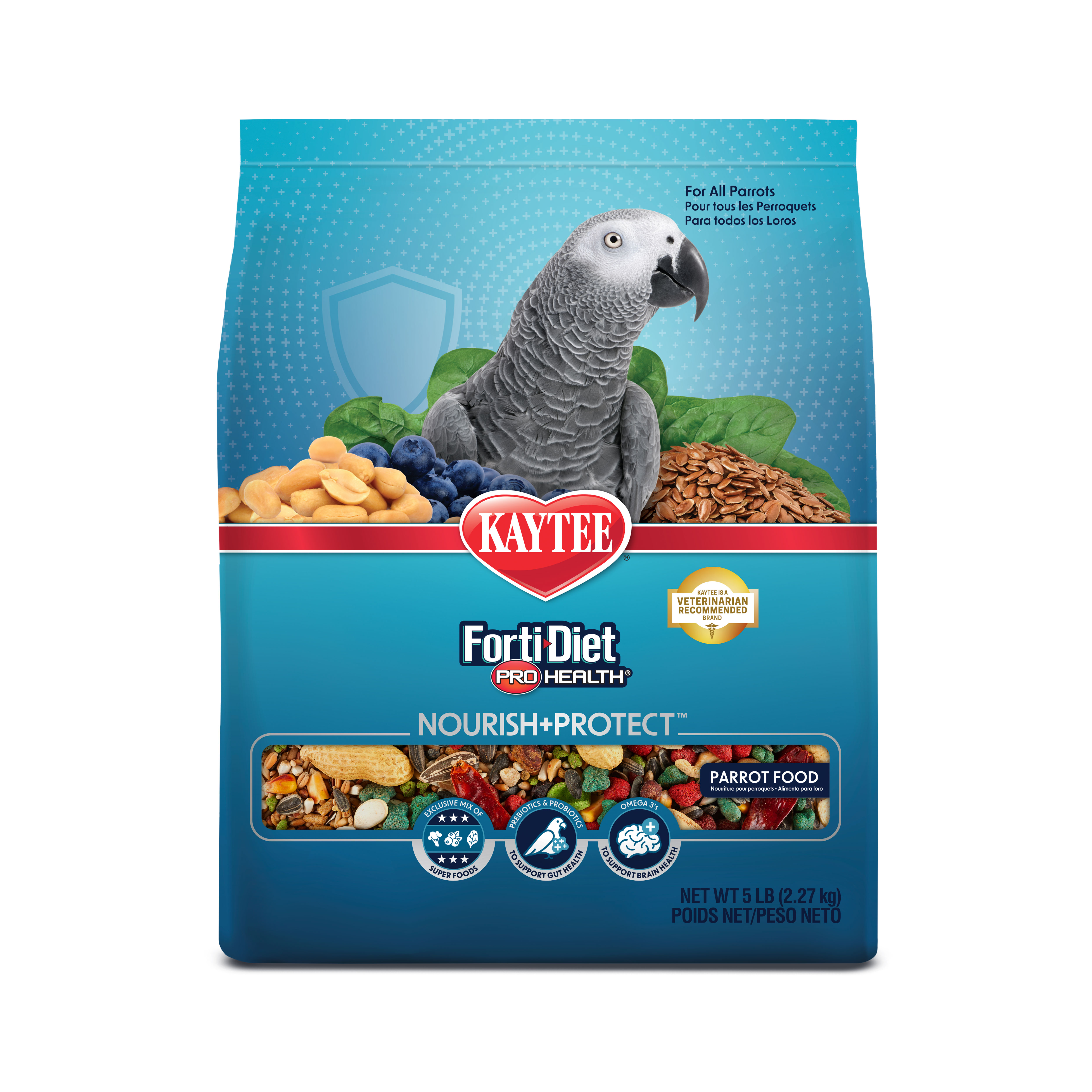
Pellets are specially formulated to meet all your bird’s nutritional needs. They are designed to prevent selective eating, ensuring your bird consumes a balanced diet. Most veterinarians recommend a pellet-based diet as it provides a comprehensive nutritional foundation. Pellets come in different shapes and sizes, appealing to various bird species. If you find your bird hesitant to try pellets, gradually mix them with their current food. Have you tried observing your bird’s reaction to different pellet flavors?Fresh Fruits And Vegetables
Incorporating fresh fruits and vegetables can greatly enhance your bird’s diet. These foods offer essential vitamins and minerals that can boost your bird’s immune system. Some bird-friendly fruits include apples, bananas, and berries, while safe vegetables include carrots, spinach, and peas. Always wash produce thoroughly and avoid feeding your bird anything toxic, like avocado. Do you know which fruits and veggies your bird loves the most?Protein Sources
Protein is an essential component of your bird’s diet, contributing to their overall health and vitality. In the wild, birds often consume insects and small animals as a protein source. For pet birds, boiled eggs, cooked beans, or small amounts of cooked chicken can be excellent alternatives. Be sure to introduce these proteins gradually and monitor your bird’s response. How do you ensure your bird gets the right amount of protein? By carefully choosing a diet that includes seeds, pellets, fresh produce, and protein, you can provide your bird with a balanced and nutritious diet. Remember, a happy bird is a healthy bird!Foods To Avoid
Knowing which foods to avoid keeps your pet bird safe and healthy. Some common foods can harm birds even in small amounts. Birds have sensitive digestive systems that react badly to certain human foods, seeds, and additives. It is vital to recognize these risks and keep harmful items away from your bird’s diet.
Toxic Human Foods
- Chocolate – Contains theobromine, which is deadly to birds.
- Avocado – Contains persin, toxic to many bird species.
- Onions and garlic – Can cause digestive upset and anemia.
- Caffeine – Found in coffee and tea, it overstimulates and poisons birds.
- Alcohol – Even small amounts can cause severe poisoning.
- Salt – Excess salt can lead to dehydration and kidney damage.
- Raw beans – Contain toxins that can be fatal if ingested.
Unsafe Seeds And Plants
- Apple seeds – Contain cyanide, harmful to birds.
- Cherry pits – Also contain cyanide and should be avoided.
- Rhubarb leaves – Toxic and can cause kidney failure.
- Tomato leaves and stems – Contain solanine, which is poisonous.
- Castor beans – Highly toxic and dangerous.
- Mistletoe – Poisonous plant that can harm birds if eaten.
Harmful Additives
- Sugary snacks – Lead to obesity and health issues.
- Artificial sweeteners – Toxic and can cause organ damage.
- Processed foods – High in salt and preservatives, bad for birds.
- Flavor enhancers – Chemicals can upset digestion and cause illness.
- Food dyes – Some dyes may trigger allergic reactions.
- Preservatives – Chemicals used to extend shelf life can be harmful.
Meal Frequency And Portions
Feeding your pet bird the right amount at the right times helps keep it healthy. Birds need regular meals and balanced portions. This supports their energy and overall wellbeing. Understanding meal frequency and portion sizes is key. It prevents overfeeding or underfeeding. Let’s explore daily feeding schedules, portion control, and species-specific needs.
Daily Feeding Schedule
Birds thrive on routine. Feed your bird twice a day: morning and evening. Some species may need a small midday snack. Fresh food should always be available. Remove uneaten fresh food after a few hours to avoid spoilage. Seeds and pellets can stay longer but check daily.
Portion Control Tips
- Offer only what your bird can eat in 2-3 hours.
- Measure dry food to avoid overfeeding.
- Use small bowls to control portions easily.
- Observe your bird’s eating habits and adjust accordingly.
- Watch for weight changes as a sign of improper feeding.
Adjusting Based On Bird Species
Different birds have different needs. Small birds like finches eat less but need frequent meals. Larger birds like parrots require bigger portions and varied diets. Some species need more fruits and vegetables, others rely heavily on seeds. Research your bird’s species for precise feeding guidelines. Consult a vet for special dietary needs.
Credit: petsloungeuae.com
Hydration Needs
Hydration is vital for your pet bird’s health. Birds need water to stay active and digest food properly. Without enough water, they can become weak or sick. Keep your bird’s water fresh and clean every day. Watch for any signs of dehydration, like dry feathers or lethargy. Proper hydration supports their energy and helps prevent illness.
Fresh Water Importance
Always provide fresh water to your bird. Change the water at least once daily. Birds prefer cool, clean water without any chemicals. Avoid giving water that has been sitting out too long. Fresh water encourages your bird to drink more. It also reduces the risk of bacteria growth. Clean water supports your bird’s immune system and keeps them happy.
Water Bowl Maintenance
Clean your bird’s water bowl every day. Use warm water and mild soap to wash it. Rinse the bowl well to remove any soap residue. Dirty bowls can spread germs and cause infections. Check the bowl for cracks or damage regularly. Replace the bowl if it looks worn out. Proper bowl care ensures safe drinking water for your bird.
Supplements And Treats
Supplements and treats are important parts of your pet bird’s diet. They provide extra nutrients and fun flavors. Treats should be healthy and given in small amounts. Supplements help fill gaps in their nutrition. Both should be chosen carefully for your bird’s well-being.
When To Use Supplements
Supplements are useful if your bird lacks certain vitamins or minerals. Birds with special health needs might need them. Use supplements only after talking to a vet. Too many supplements can harm your bird. A balanced diet usually provides most nutrients. Supplements support health during illness or growth.
Healthy Treat Ideas
Treats should be natural and safe for birds. Fresh fruits and vegetables make good treats. Some favorites include:
- Apple slices (without seeds)
- Carrot sticks
- Peas and corn
- Small pieces of cooked sweet potato
- Berries like blueberries and strawberries
Seeds and nuts are tasty but give them sparingly. Avoid sugary or salty snacks. Treats should never replace the main food. Use treats for training or bonding moments.
Credit: www.kaytee.com
Signs Of Nutritional Deficiency
Recognizing the signs of nutritional deficiency in your pet bird is crucial for its health and happiness. Birds can’t tell you when they’re not getting the right nutrients, so you need to watch for clues in their behavior and appearance. Catching these signs early can save your bird from serious health problems.
Behavioral Changes
Has your bird suddenly become less active or more irritable? Changes in behavior often signal that your bird is not getting enough vitamins or minerals.
- Reduced energy or lethargy can mean a lack of essential nutrients like vitamin B or iron.
- Increased aggression or unusual vocalization might indicate stress caused by poor diet.
- Loss of appetite or refusal to eat certain foods is another red flag you shouldn’t ignore.
I once noticed my parrot became unusually quiet and withdrawn. After checking its diet, I realized it was missing fresh fruits and vegetables. Adding those back made a huge difference quickly.
Physical Symptoms
Look closely at your bird’s feathers, skin, and eyes. Physical signs can tell you a lot about their nutritional state.
- Dull or brittle feathers often point to protein or vitamin A deficiency.
- Swollen joints or beak abnormalities may indicate calcium or vitamin D shortage.
- Weight loss or a thin body shape can be a sign of overall malnutrition.
Have you checked your bird’s feathers for shine and strength lately? A quick look can reveal if it’s time to adjust their diet.
Special Diets For Specific Birds
Different bird species need special diets to stay healthy and happy. Their natural eating habits vary a lot. Feeding them the right food helps avoid health problems. It also supports their energy and bright feathers.
Some birds eat mostly seeds, while others need fruits or nuts. Understanding these differences is key. Below are diet tips for popular pet birds.
Parrots And Macaws
Parrots and macaws need a mix of foods. Their diet should include:
- High-quality pellets as a base
- Fresh fruits like apples and berries
- Vegetables such as carrots and leafy greens
- Nuts for healthy fats and protein
Avoid avocado and chocolate, which are toxic. These birds enjoy variety and benefit from fresh foods daily.
Finches And Canaries
Finches and canaries mainly eat seeds. Their diet should include:
- Small seed mixes with millet and canary seed
- Fresh greens like spinach or dandelion leaves
- Occasional boiled egg for extra protein
Provide clean water daily. These birds need less fat and more fiber. Avoid high-fat seeds like sunflower seeds in large amounts.
Cockatiels And Lovebirds
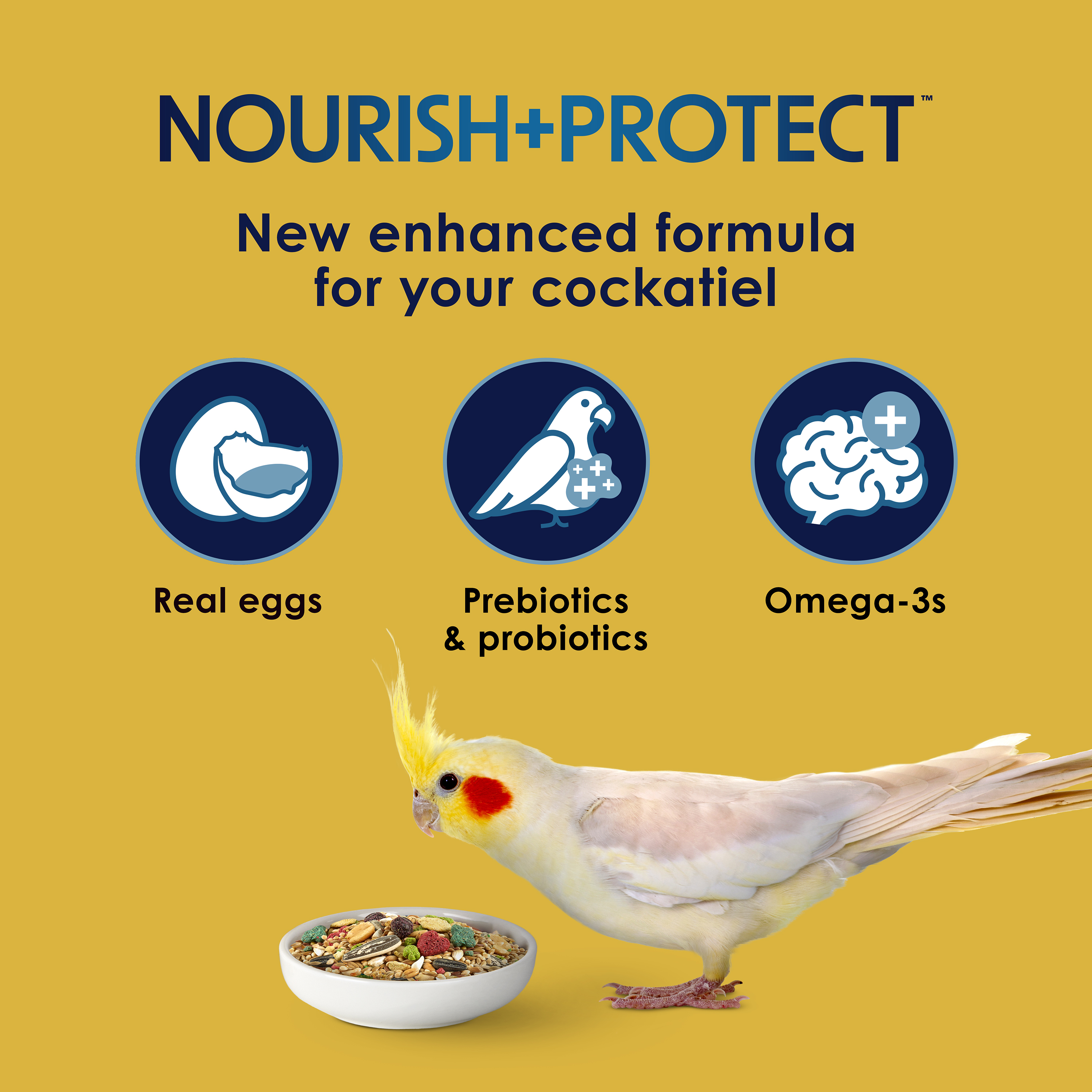
Cockatiels and lovebirds thrive on balanced diets. Include:
- Pellets designed for small parrots
- Fresh fruits and vegetables such as peas and apples
- Sprouted seeds for extra nutrition
Limit fatty seeds to prevent obesity. Fresh water and clean bowls are essential every day.
Credit: www.kaytee.com
Frequently Asked Questions
What Is The Best Diet For Pet Birds?
A balanced diet includes seeds, pellets, fresh fruits, and vegetables. Avoid junk food and toxic items. Variety ensures proper nutrition and bird health.
Can Pet Birds Eat Fruits And Vegetables?
Yes, fresh fruits and vegetables are essential. They provide vitamins, minerals, and fiber. Always wash produce and remove seeds before feeding.
How Often Should I Feed My Pet Bird?
Feed your bird twice daily—morning and evening. Fresh food and clean water should be available at all times. Avoid overfeeding to prevent obesity.
Are Seeds Alone Enough For Pet Birds?
No, seeds lack some nutrients. Combine seeds with pellets and fresh produce for balanced nutrition. This prevents deficiencies and supports overall health.
Conclusion
Feeding your pet bird the right food keeps it healthy and happy. Fresh fruits, vegetables, and seeds create a balanced diet. Avoid foods that can harm your bird’s health. Watch your bird’s eating habits and adjust food as needed. Clean water is important every day.
A well-fed bird shows more energy and friendliness. Careful feeding strengthens your bond with your pet. Small changes in diet can make a big difference. Always learn about your bird’s specific needs. Healthy food means a longer, joyful life for your feathered friend.