

Are you wondering where to put a bird feeder to attract the most beautiful birds to your yard? Choosing the right spot can make all the difference.
You want to enjoy watching colorful birds up close, but also keep them safe and comfortable. You’ll discover simple tips that help you pick the perfect place for your bird feeder. Keep reading, and soon your garden will be buzzing with feathered friends!
Choosing The Right Location
Choosing the right location for your bird feeder is key to attracting birds while keeping them safe and allowing you to enjoy their visits. The placement influences how often birds will visit and how comfortable they feel. Let’s look at some important factors to consider when deciding where to put your feeder.
Consider Bird Safety
Birds need protection from predators like cats and hawks. Place your feeder at least 5 to 6 feet off the ground to reduce risks. Avoid locations too close to windows to prevent bird collisions—adding decals or moving the feeder helps if you notice strikes.
Think about nearby cover such as shrubs or trees where birds can quickly hide if threatened. But don’t put feeders too close to dense bushes where predators might lurk. A clear flight path around the feeder keeps birds alert and safe.
Access To Food And Water
Birds are more likely to visit if food and water sources are near each other. If you have a birdbath, place the feeder nearby to save birds time and energy. Clean water attracts a wider variety of species, especially during hot or dry weather.
Also, consider sunlight exposure. Feeding stations that dry quickly after rain keep seeds fresh and prevent mold. You might want to avoid extremely windy spots where seeds spill quickly or get wet often.
Visibility For Enjoyment
Where do you spend most of your time? Position your feeder within view from a window or patio so you can watch the birds easily. A spot with good lighting helps you see colors and behaviors clearly, making birdwatching more rewarding.
Think about placing the feeder near your garden or porch where you can relax comfortably. Have you ever noticed how much joy a quick glance at a busy feeder can bring during a hectic day? Creating this simple connection with nature starts with the right location.
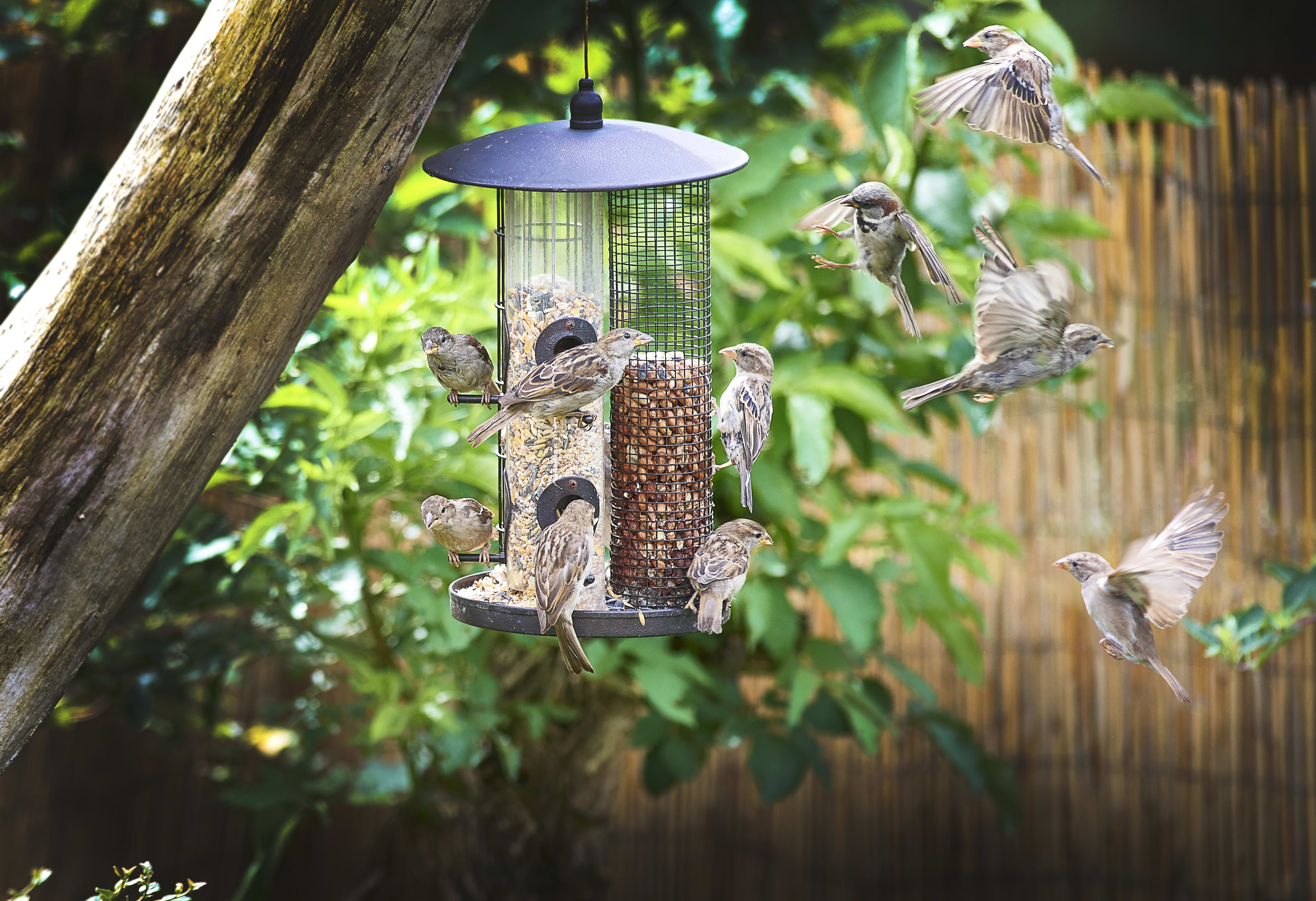
Credit: dengarden.com
Ideal Yard Spots
Place bird feeders near trees or shrubs to offer birds shelter and safety. Choose quiet spots away from busy paths to attract more visitors. Ensure feeders are visible from windows for easy birdwatching.
Finding the perfect spot to place your bird feeder can make all the difference in attracting a delightful array of feathered friends to your yard. It’s not just about sticking it anywhere; it’s about creating a welcoming environment for birds. Consider the layout of your yard and think strategically about where to put your feeder for the best results.Near Trees And Shrubs
Birds appreciate safety and privacy. Positioning your bird feeder near trees and shrubs offers them a sense of security. These natural elements provide excellent cover from predators and harsh weather. Imagine watching a cardinal flitting from a nearby bush to your feeder. It’s not just beautiful; it’s smart. The proximity allows birds to quickly retreat to the safety of branches if they sense danger.Open Spaces With Shelter
While it might seem counterintuitive, open spaces can be ideal if they offer some form of shelter. A feeder placed in an open area with a nearby overhang or a garden umbrella provides birds a clear view of approaching threats. This spot balances visibility with protection. Birds can enjoy their meal without feeling trapped or exposed. Have you ever noticed how sparrows prefer a spot where they can see the sky, yet quickly dive for cover? It’s all about the mix of openness and safety.Close To Windows
Placing your feeder close to windows offers a dual benefit. Not only do you get a front-row seat to nature’s show, but birds also benefit from the reflection that windows provide, which can deter predators. Ensure your windows have decals or screens to prevent bird collisions. Enjoying a morning coffee while watching a flock of finches from your kitchen window can be a delightful routine. It’s a simple pleasure that enriches your daily life. Choosing the right spot for your bird feeder can transform your yard into a vibrant sanctuary. Where will you place yours?Avoiding Common Mistakes
Placing your bird feeder in the right spot is more than just picking a pretty view. Avoiding common mistakes can make a huge difference in attracting birds and keeping them safe. Let’s look at key pitfalls you should watch out for.
Too Close To Predators
It’s tempting to put your feeder near trees or bushes for shade, but if those spots hide cats or hawks, birds won’t visit. I once hung a feeder near dense shrubs and noticed no birds for weeks—only a lurking neighborhood cat.
Keep your feeder at least 10 feet away from places where predators can hide. Open areas are safer for birds to spot danger early and feel secure.
Exposure To Harsh Weather
Placing feeders in full sun might seem good, but intense heat can spoil the food quickly and stress the birds. On the other hand, spots fully exposed to wind or rain can leave birds cold and wet.
Choose a location with some shelter, like under an eave or near a tree that offers protection without blocking access. Think about how weather changes throughout the day and season to pick the best spot.
Areas With High Human Activity
Busy driveways, patios, or playgrounds might seem convenient, but birds are shy about frequent human movement. I found that moving my feeder from a front porch to a quieter backyard corner increased visits dramatically.
Look for calm, low-traffic places where birds can eat undisturbed. You want them to feel safe enough to come back regularly, not startled away by constant noise or motion.
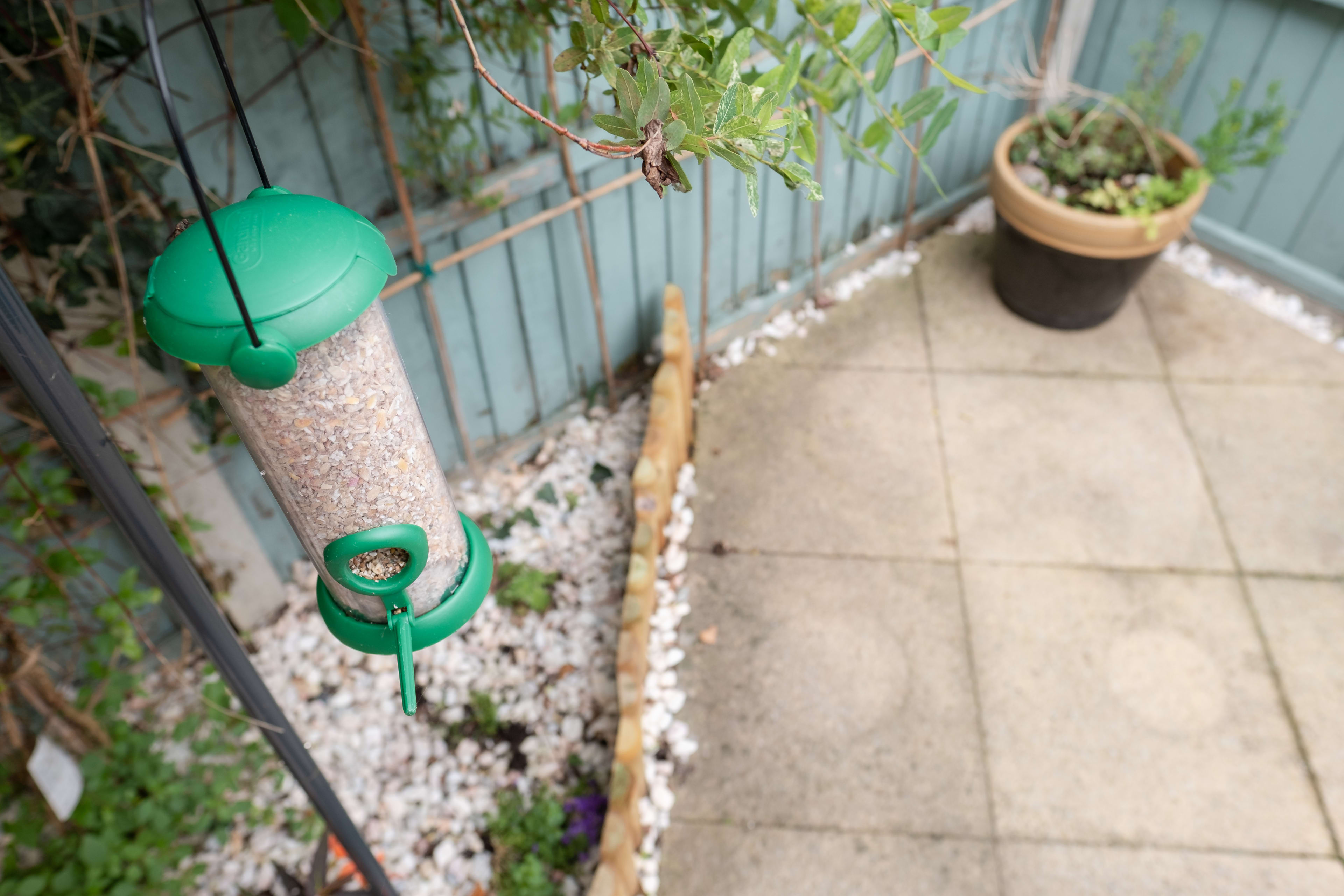
Credit: dengarden.com
Special Locations For Different Bird Types
Different bird species have unique habits and preferences when it comes to feeding spots. Placing your feeder in the right location can make all the difference in attracting the birds you want to see. Understanding these special locations helps you create a welcoming environment tailored to each bird type’s needs.
Ground Feeders For Ground Birds
Birds like sparrows, doves, and juncos prefer feeding on the ground. To attract these birds, place feeders or scatter seeds directly on bare soil or low platforms close to the ground. Avoid placing feeders too close to dense shrubbery where predators might hide.
Adding a shallow tray feeder or a platform feeder about 6-12 inches off the ground works well. Have you noticed how ground feeders often come in small groups? Creating an open, safe space encourages them to visit more frequently.
High Perches For Songbirds
Songbirds such as chickadees, finches, and cardinals feel safer feeding from elevated spots. Position your feeders 5 to 6 feet above the ground near tree branches or sturdy poles. This gives them a good view to spot predators and nearby cover to dart into if threatened.
Consider feeders with perches or hanging feeders that sway gently in the breeze. Have you ever watched a cardinal choose a feeder? They prefer a quiet, undisturbed area with nearby shrubs for quick escape routes.
Water Source Proximity
Birds need fresh water not only for drinking but also for bathing. Setting your feeder near a water source, like a birdbath or small pond, increases the chances of visits. Birds often combine feeding and drinking stops in one trip to save energy.
Keep the water clean and change it regularly to avoid attracting pests. Think about how you can create a mini oasis by pairing feeders with water—what birds might discover your yard because of this combo?
Maintenance And Monitoring
Maintaining and monitoring a bird feeder ensures birds stay healthy and keep coming back. Clean feeders prevent disease and keep seeds fresh. Watching birds helps understand their needs and habits.
Regular Cleaning Tips
Clean your bird feeder every two weeks. Use warm water and mild soap to remove dirt. Rinse thoroughly to avoid soap residue. Dry the feeder before refilling. Remove old seeds and debris daily. This stops mold and bacteria growth.
Refilling And Food Choices
Refill the feeder often to keep food fresh. Use quality seeds suited to local birds. Black oil sunflower seeds attract many species. Avoid moldy or wet seeds. Store seeds in a dry, cool place to keep them fresh longer.
Observing Bird Behavior
Watch birds to learn their feeding times and preferences. Notice any signs of illness or stress. Change seed types if birds stop visiting. Keep a journal of bird species and numbers. This helps track changes and improve feeder use.

Credit: www.natureswaybirds.com
Frequently Asked Questions
Where Is The Best Spot To Hang A Bird Feeder?
The best spot is near natural cover like trees or shrubs. This provides birds protection from predators and harsh weather. Ensure the feeder is visible and accessible but not too close to windows to prevent collisions.
How High Should I Place A Bird Feeder?
Place your bird feeder about 5 to 6 feet above the ground. This height keeps birds safe from cats and other predators. It also makes refilling and cleaning easier for you.
Should A Bird Feeder Be Near A Water Source?
Yes, placing a feeder near water attracts more birds. Birds need water for drinking and bathing. A nearby water source encourages longer visits and a variety of bird species.
How Far From Windows Should I Place A Bird Feeder?
Place feeders at least 3 feet away from windows. This distance helps prevent birds from flying into glass. Alternatively, place feeders within 1 foot of windows to reduce collision impact.
Conclusion
Placing a bird feeder in the right spot helps birds feel safe and welcome. Choose a quiet area near trees or bushes for shelter. Avoid places too close to windows to prevent bird collisions. Keep feeders clean and filled with fresh seeds to attract more birds.
Watching birds up close brings joy and peace. Enjoy the beauty and sounds of nature right outside your door. Small changes make a big difference for your feathered friends. Start simple and see which spot works best for your garden.