

Have you ever stopped to think about how birds fit into the bigger picture of protecting our planet? Birds are more than just beautiful creatures singing outside your window—they play a key role in keeping nature balanced.
Understanding how birds connect to conservation can change the way you see the world around you. You’ll discover surprising facts about birds and learn why protecting them is essential for your environment and future. Keep reading to find out how these feathered friends are quietly shaping the health of our planet—and what you can do to help.
Birds As Ecosystem Indicators
Birds act as important indicators of ecosystem health. Their presence, behavior, and population changes reveal the state of the environment. Scientists study birds to understand the impact of human activities and natural changes on ecosystems. Observing birds helps detect problems early, allowing timely conservation efforts.
Monitoring Environmental Health
Birds respond quickly to changes in their habitats. A decline in certain bird species often signals habitat loss or pollution. Bird populations reflect the availability of food, water, and safe nesting areas. Healthy bird communities show a balanced ecosystem. Tracking bird numbers over time gives clues about overall environmental conditions.
Detecting Pollution And Climate Change
Birds can reveal pollution levels in air, water, and soil. Some species are sensitive to toxins and chemicals. Changes in their health or behavior point to contamination. Migratory birds help track climate change effects. Shifts in migration patterns or breeding times indicate temperature changes. Birds provide early warnings of environmental stress caused by pollution and climate shifts.
Birds And Habitat Preservation
Birds play a vital role in habitat preservation. Their presence helps maintain healthy ecosystems. They act as indicators of environmental quality. Protecting birds means protecting their habitats too. This link makes birds central to conservation efforts worldwide.
Supporting Biodiversity
Birds contribute to biodiversity by spreading seeds. They help many plant species grow in new areas. Insects and pests are controlled by birds eating them. This natural pest control supports balanced ecosystems. Diverse bird populations often signal a rich variety of life.
Different bird species fill unique roles. Some pollinate flowers while others clean up waste. Each bird species adds value to its habitat. Protecting birds supports the entire web of life.
Protecting Critical Habitats
Many bird species depend on specific habitats to survive. Wetlands, forests, and grasslands are crucial for nesting and feeding. Protecting these areas ensures birds have safe places to live. Conserving habitats benefits many other animals and plants too.
Habitat destruction is a major threat to birds worldwide. Conservation efforts focus on preserving important bird habitats. These efforts include:
- Creating protected areas and wildlife reserves
- Restoring damaged ecosystems
- Reducing pollution and human disturbance
- Promoting sustainable land use
By saving habitats, we protect birds and the natural balance they support.
Birds In Pollination And Seed Dispersal
Birds play a crucial role in nature beyond just their beauty and songs. They actively contribute to pollination and seed dispersal, which are essential for healthy ecosystems. Understanding how birds support these processes can change how you view conservation efforts and the importance of protecting bird habitats.
Facilitating Plant Reproduction
Birds act as pollinators by transferring pollen from one flower to another while feeding on nectar. This helps plants reproduce and produce seeds. Hummingbirds are a prime example; their long beaks allow them to reach deep into flowers, carrying pollen as they move.
Have you noticed how certain flowers only bloom in areas where specific birds live? That’s because these plants rely heavily on birds for pollination. Without these avian pollinators, many plants would struggle to survive and reproduce.
Maintaining Forest Regeneration
Birds also help spread seeds across large areas by eating fruits and dropping seeds far from the parent tree. This natural seed dispersal supports forest regeneration and biodiversity. Think about how a single fruit-eating bird can carry seeds miles away, planting new trees in unexpected places.
In tropical rainforests, toucans and hornbills are key players in this process. By ensuring seeds reach fertile ground, they help maintain forest health and resilience. Next time you see a bird flying with fruit, consider how it might be planting the forest of tomorrow.

Credit: www.wildlifenomads.com
Birds Controlling Pest Populations
Birds play a crucial role in controlling pest populations, which helps maintain the balance in various ecosystems. Their natural hunting skills reduce the need for chemical pesticides, benefiting both the environment and human health. Have you ever noticed how a garden feels healthier when birds visit regularly? That’s no coincidence.
Natural Pest Management
Birds act as natural pest controllers by feeding on insects, larvae, and other small animals that damage crops and plants. Species like swallows, sparrows, and woodpeckers consume large amounts of pests daily, keeping their numbers in check.
You can encourage this natural service by creating bird-friendly habitats. Plant native trees and shrubs, provide water sources, and avoid pesticides that harm birds. These small steps invite more birds to your area and reduce pests without chemical use.
Reducing Agricultural Damage
Farmers benefit directly from birds controlling pest populations. Birds reduce the damage caused by harmful insects, which means healthier crops and higher yields.
Some farmers use birdhouses and nest boxes to attract insect-eating birds to their fields. This not only lowers pest numbers but also cuts down on expensive pesticide costs. Could supporting birds be a cost-effective strategy for your garden or farm?
Birds And Cultural Importance
Birds hold a unique place in many cultures around the world. Their songs, colors, and behaviors often symbolize freedom, peace, and connection to nature. This cultural importance shapes how communities view and protect their natural environments.
Inspiring Conservation Efforts
Birds have inspired people to take action for the environment. Many conservation projects start because a particular bird species is at risk or because communities want to preserve their natural heritage.
Take the story of the California condor. This bird’s near extinction sparked nationwide efforts to save it. People donated money, volunteered, and supported policies to protect the condor’s habitat.
Have you ever felt moved to protect something simply because it holds special meaning? That emotional connection can be a powerful motivator for conservation.
Promoting Ecotourism
Birds attract travelers eager to see rare or beautiful species. Birdwatching tours bring visitors to local communities, boosting the economy and encouraging preservation of natural areas.
Countries like Costa Rica have built strong ecotourism industries around their bird diversity. This creates jobs and adds value to conserving forests and wetlands.
Imagine visiting a place where your presence helps protect birds and supports local people. How would that affect your view of travel and nature?
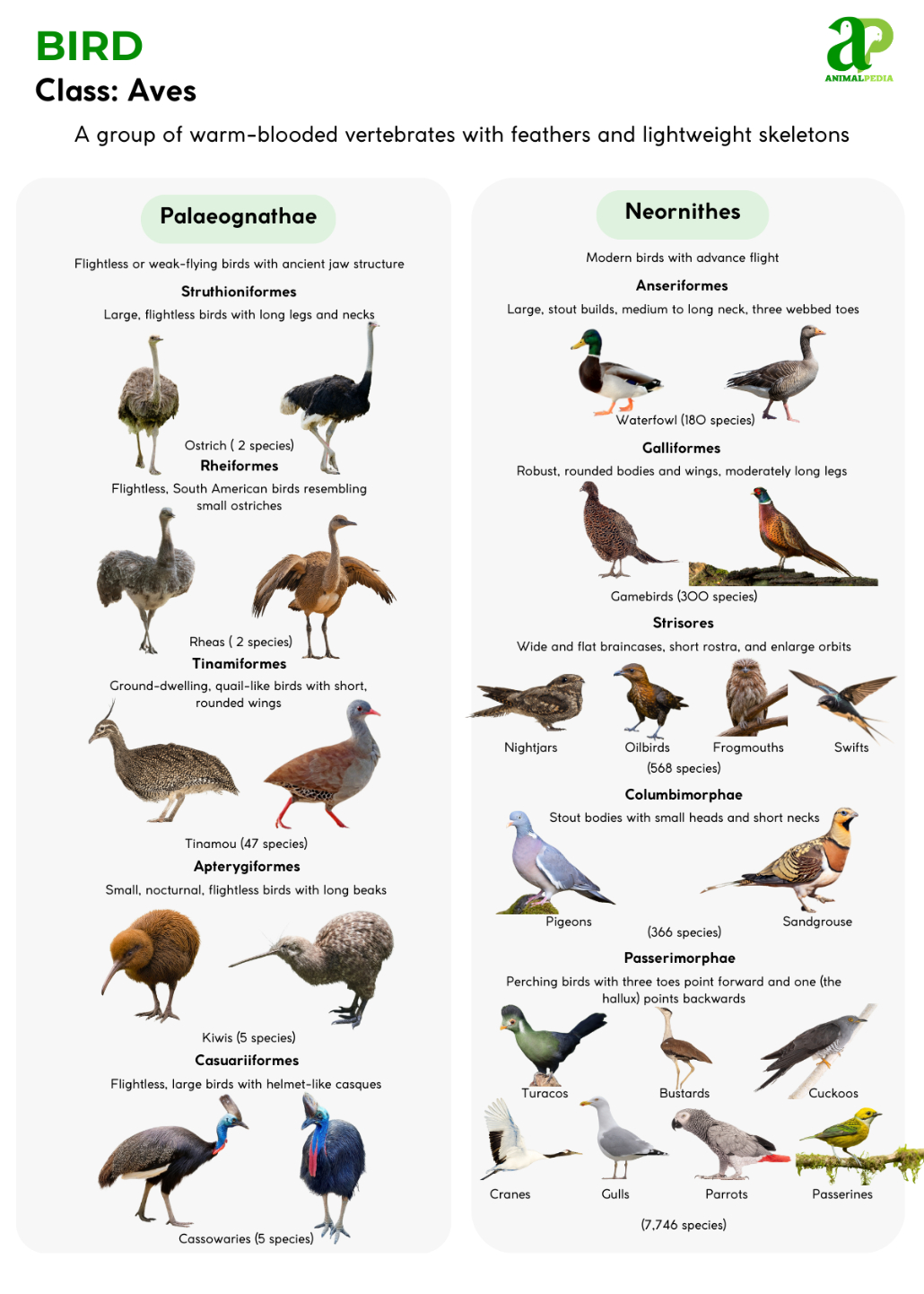
Credit: animal-pedia.org
Threats To Bird Populations
Birds play a vital role in our ecosystems, but their populations face serious threats that demand our attention. Understanding these dangers helps you see why conservation efforts matter so much. Let’s take a closer look at the main challenges birds encounter today.
Habitat Loss And Fragmentation
Birds rely on specific habitats to feed, nest, and raise their young. When forests are cleared or wetlands drained, birds lose crucial homes. Even small patches of habitat can become useless if they’re isolated by roads or buildings.
Imagine a songbird that migrates through your backyard. If its resting spots are gone, can it survive the journey? Protecting continuous, healthy habitats gives birds the best chance to thrive.
Climate Change Impacts
Rising temperatures and changing weather patterns disrupt birds’ natural cycles. Some species arrive too early or late for food sources, affecting their survival. Others are forced to move to cooler areas, often facing new dangers along the way.
Have you noticed fewer birds in your area during certain seasons? That’s a sign climate shifts are already impacting them. Your awareness can drive support for policies that reduce carbon emissions and protect wildlife corridors.
Pollution And Human Activities
Pollution from pesticides, plastics, and chemicals harms birds directly and indirectly. Toxic substances can poison their food or nesting sites, while plastic waste causes injury or death. Noise and light pollution also disturb their natural behaviors.
Think about the last time you saw trash near a bird feeder or pond. Cleaning up and reducing waste helps create safer spaces. Simple actions like using bird-friendly products and supporting clean energy can reduce these threats significantly.
Conservation Strategies Involving Birds
Birds play a vital role in many conservation strategies because they serve as indicators of environmental health and help maintain balanced ecosystems. Their presence or absence can signal changes in habitat quality, pollution levels, and climate shifts. Understanding how birds fit into conservation efforts can give you practical ways to support biodiversity and protect natural spaces.
Protected Areas And Reserves
Creating protected areas specifically for bird habitats helps preserve species that might otherwise disappear. These reserves provide safe breeding grounds and feeding sites free from human disturbances. Have you ever visited a bird sanctuary and noticed how peaceful the environment feels? That calm is crucial for birds to thrive and for ecosystems to stay balanced.
Many countries have established national parks and wildlife refuges to conserve critical bird habitats. These areas often focus on endangered species or migratory stopovers, ensuring birds have reliable places to rest and reproduce. Protecting these spaces means safeguarding countless other plants and animals that depend on the same environment.
Community-based Conservation
Involving local communities in bird conservation creates lasting impacts because people protect what they value and understand. When communities take charge of protecting bird habitats, they often develop sustainable practices that benefit both wildlife and their livelihoods. Have you considered how your neighborhood could support local bird species through simple actions?
Community-led initiatives may include restoring native vegetation, reducing pesticide use, or managing water sources. These efforts not only help birds but also improve soil quality, water purity, and overall biodiversity. Supporting these projects can connect you with others who share a passion for nature and conservation.
Citizen Science And Monitoring
Citizen science projects invite you to become an active participant in bird conservation by observing and reporting bird sightings. This data helps scientists track population trends and detect early signs of environmental problems. Have you ever used an app to identify birds or logged your sightings? Your contributions could influence conservation policies.
Monitoring efforts often rely on volunteers to cover large areas and gather information that would be impossible for researchers alone. These projects empower people to learn about bird behavior and habitats, fostering a deeper connection with nature. Engaging in citizen science turns your curiosity into a powerful tool for protecting birds.

Credit: www.newindianexpress.com
Frequently Asked Questions
How Do Birds Contribute To Ecosystem Conservation?
Birds help maintain ecosystems by controlling pests, pollinating plants, and dispersing seeds. Their activities support biodiversity and healthy habitats. Protecting birds ensures balanced ecosystems and promotes conservation of other wildlife species.
Why Are Birds Indicators Of Environmental Health?
Birds respond quickly to environmental changes, making them reliable indicators. Monitoring bird populations helps detect pollution, habitat loss, and climate impacts early. This data guides conservation efforts and environmental policies effectively.
What Role Do Birds Play In Habitat Restoration?
Birds aid habitat restoration by spreading seeds and insects that enrich soil quality. Their presence attracts other wildlife, helping ecosystems recover naturally. Protecting bird habitats supports broader restoration and conservation goals.
How Does Bird Conservation Benefit Humans?
Bird conservation supports agriculture by controlling pests and pollinating crops. It also promotes ecotourism, which boosts local economies. Healthy bird populations indicate clean environments, benefiting human health and wellbeing.
Conclusion
Birds play a vital role in conservation efforts globally. They help maintain ecosystems. Their presence indicates a healthy environment. Birds assist in plant pollination and seed dispersal. Conserving bird habitats ensures biodiversity thrives. Protecting birds also benefits humans. Clean air, water, and balanced climates result.
Everyone can help in simple ways. Support local conservation projects. Reduce waste and use eco-friendly products. Each effort makes a difference. Together, we can protect our feathered friends and planet. Let’s cherish and conserve these beautiful creatures for future generations.