
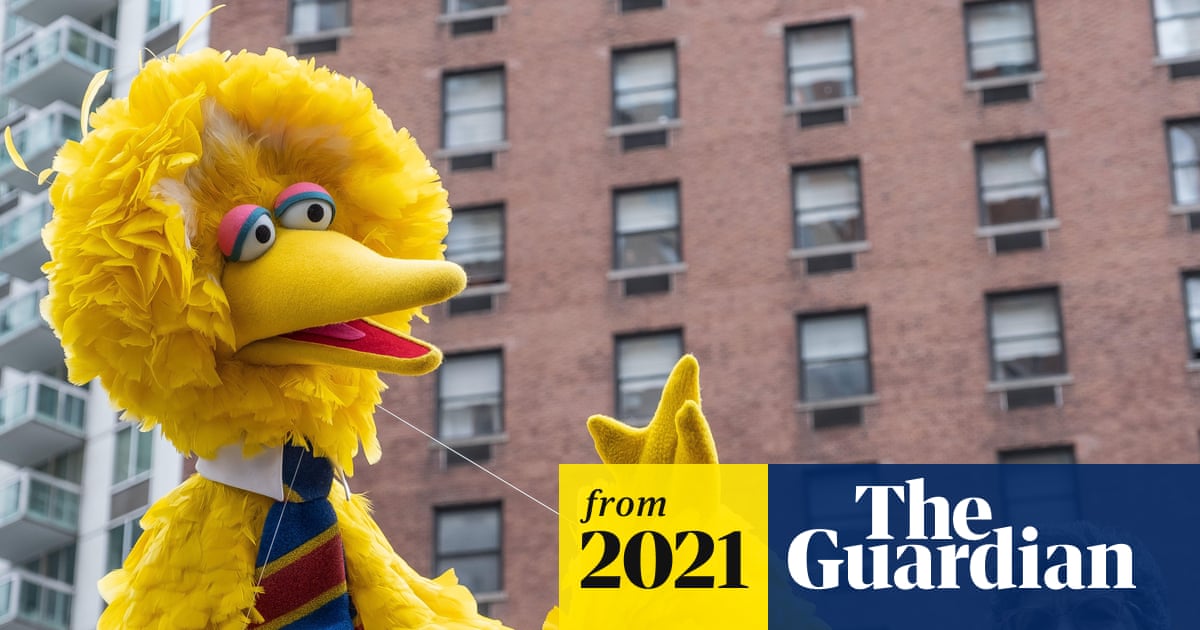
Have you ever wondered why Big Bird, the friendly yellow bird from Sesame Street, is suddenly at the center of a heated debate? If you’re like many, you might be surprised to hear that conservatives are upset with this beloved character.
But what’s behind all this anger? You’ll discover the real reasons why Big Bird has become a target, and how it might affect your view of a childhood icon. Keep reading—you won’t want to miss the surprising facts that explain this unexpected clash.
Big Bird’s Political History
Big Bird, the beloved yellow giant from Sesame Street, has unexpectedly found himself at the center of political debates. While many grew up learning numbers and letters with him, Big Bird’s role in political discussions has a surprisingly rich history. Understanding this history offers insights into why some conservatives might be frustrated with him today.
Origins And Cultural Impact
Big Bird first appeared on Sesame Street in 1969, designed to be a curious and innocent character, much like the children watching at home. His purpose was educational, aiming to teach kids about the world in a friendly and accessible way. Yet, over the decades, Big Bird became more than a character; he turned into a cultural icon representing public broadcasting’s values.
His presence on a publicly funded platform like PBS made him a symbol of the educational system many conservatives believe should be privatized. Big Bird’s influence extends beyond entertainment, shaping how generations perceive learning and public media’s role in society. This cultural impact is a crucial element of the ongoing debate surrounding him.
Past Controversies
Big Bird’s political history includes several instances where he unwittingly stepped into controversy. Notably, in 2012, during a presidential debate, Big Bird was mentioned as a symbol of government spending. This reference sparked discussions about public broadcasting’s funding and the role of media in shaping public opinion.
Additionally, Sesame Street’s episodes occasionally touch on social issues, which can be polarizing. Some see this as educating children on important topics, while others argue it introduces political bias into children’s programming. These controversies highlight the complex interplay between education, media, and politics.
Have you ever thought about how a children’s character could stir such deep political debates? It’s fascinating how something as simple as a bird can symbolize larger societal discussions. What does Big Bird represent to you in this context?
Conservative Criticisms
Conservative criticisms of Big Bird focus on a few key concerns. Many feel the character no longer represents simple children’s entertainment. Instead, they see Big Bird as part of a larger cultural and political debate. These critics express worries about bias and the content shown on the program. They also believe there is an underlying political message aimed at young viewers.
Claims Of Bias
Some conservatives argue Big Bird shows bias in its messages. They say the character supports certain political or social views. This bias, they claim, can influence children in subtle ways. Critics worry that the show pushes ideas without presenting all sides fairly.
Concerns Over Content
Concerns arise about the type of content Big Bird shares. Some believe the show includes topics unsuitable for young kids. They mention themes that are too complex or controversial. These critics want the program to focus on basic learning, not politics or social debates.
Perceived Political Agenda
Many conservatives see a clear political agenda behind Big Bird’s appearances. They feel the show promotes certain ideologies to shape children’s opinions. This perception leads to distrust of the program’s intentions. Parents and viewers want neutral content without political influence.
Role Of Media Influence
The role of media influence plays a big part in why conservatives are upset with Big Bird. Media shapes how people see characters and stories. It can create strong opinions quickly. This influence can push certain ideas or feelings about Big Bird into the spotlight.
Media coverage often highlights specific moments or messages. These moments may not show the full picture but still impact viewers. The way media frames Big Bird affects public opinion deeply. It can turn a simple children’s character into a symbol of political debate.
Media Portrayal Of Big Bird
Media often shows Big Bird in political contexts, not just children’s TV. Some news outlets link Big Bird to government spending and education debates. This portrayal makes Big Bird a target for criticism. Conservatives see these stories as signs of waste or bias.
Big Bird becomes more than a puppet. He represents ideas about culture and politics. Media reports sometimes focus on controversy rather than facts. This fuels anger and misunderstanding among viewers.
Social Media Reactions
Social media spreads opinions about Big Bird fast. Users share memes, videos, and posts expressing strong feelings. Conservative voices often use social media to criticize Big Bird. These reactions can go viral quickly, increasing the tension.
Social platforms also create echo chambers. People see mostly views that match their own. This deepens divides and hardens opinions about Big Bird. The rapid sharing of content makes the debate louder and more emotional.

Credit: www.independent.co.uk
Impact On Public Perception
The controversy around Big Bird has shaken public perception in ways that go beyond just a beloved children’s character. This debate reveals how cultural icons can become lightning rods for larger social and political tensions. Understanding these shifts helps you see how media influences not just kids but entire communities.
Effect On Children’s Programming
Big Bird has long been a symbol of educational children’s programming. When conservatives express frustration, it often reflects concerns about the direction of content aimed at young audiences.
You might wonder how a puppet can stir such strong feelings. It’s because children’s shows shape values and worldviews early on. Changes in themes or messaging can feel like a challenge to traditional norms.
For example, if a show introduces topics some parents find controversial, it can lead to calls for boycotts or policy changes. This reaction impacts what producers are willing to include, potentially limiting educational diversity.
Polarization In Audience
Big Bird’s role has become more than entertainment; it now signals cultural identity for many viewers. This shift means reactions to the character often split along political lines.
You might notice that discussions about Big Bird evoke strong emotions on both sides. Supporters see the character as promoting inclusivity and learning. Critics sometimes view the same traits as pushing a political agenda.
This polarization affects how families and communities interact with media. It raises questions like: How do you balance educational content with diverse values? What happens when a simple character becomes a symbol in a cultural battle?
Responses From Creators
Creators behind Big Bird and Sesame Street have faced a wave of criticism, sparking various responses that reveal their priorities and challenges. These reactions show how they balance public concern with their mission to educate and entertain. Understanding their stance can give you a clearer picture of why the controversy persists and how it might evolve.
Statements From Sesame Workshop
Sesame Workshop quickly addressed the backlash with clear, direct statements. They emphasized Big Bird’s role as a friendly and educational character who has helped children for decades. Their message highlighted that the show’s goal remains teaching kindness, respect, and curiosity.
They also acknowledged the differing opinions but stood firm on the importance of diversity and inclusion in their content. This approach reflects their commitment to representing a wide range of experiences and backgrounds. Have you noticed how media messages shape your own views on social issues?
Adjustments In Programming
In response to the criticism, some changes have been made to how Big Bird and other characters are presented. The creators have introduced new storylines that address current social topics more sensitively. This includes more focus on empathy and understanding, rather than avoiding complex issues altogether.
These adjustments aren’t about avoiding controversy but about fostering meaningful conversations with young audiences. By evolving the programming, Sesame Workshop aims to stay relevant while respecting diverse viewpoints. What changes do you think could make educational shows more effective for today’s kids?
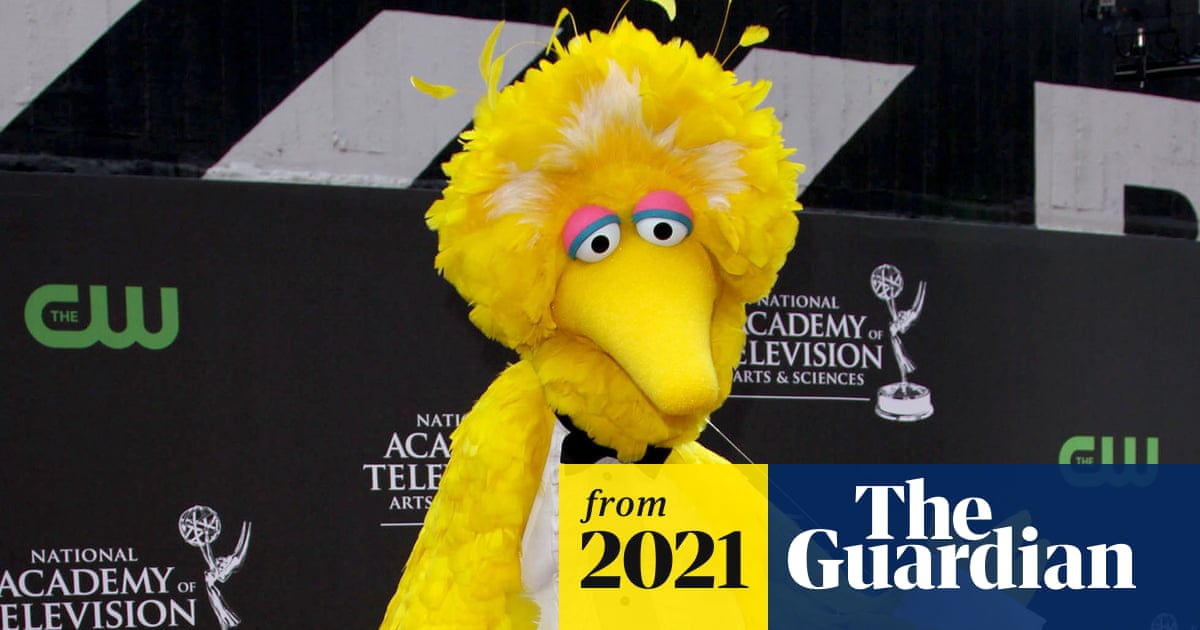
Credit: www.theguardian.com
Wider Cultural Implications
The controversy surrounding Big Bird extends beyond a simple disagreement about a beloved children’s character. It taps into larger cultural debates about values, media influence, and political identity in today’s society. Understanding these wider cultural implications helps explain why emotions run so high and why Big Bird has become a focal point of conservative frustration.
Debate Over Children’s Media
Children’s media is often seen as a battleground where different cultural and political ideas compete for influence. Conservatives worry that shows like Sesame Street promote viewpoints that don’t align with their values. You might ask yourself: what exactly should kids be exposed to at such a young age?
This debate raises practical questions about content control and parental rights. Should media producers prioritize education, entertainment, or ideological messaging? The line between teaching empathy and pushing political agendas can seem blurry, fueling mistrust among some viewers.
- Concerns about gender identity and diversity topics in children’s programming
- Arguments for preserving traditional family values in media
- The role of public broadcasting and its funding sources
Big Bird As A Symbol
Big Bird represents more than just a character on a TV show; he stands as a cultural icon tied to childhood nostalgia and educational ideals. For many conservatives, Big Bird symbolizes the changes they see in society’s moral compass and the media’s role in shaping it.
When Big Bird becomes a target, it reflects deeper anxieties about shifting norms and the perceived loss of familiar cultural touchstones. Have you noticed how a single character can spark debates about national identity and social values?
| Perspective | View on Big Bird |
|---|---|
| Conservative | Sees Big Bird as part of a media shift away from traditional values |
| Liberal | Views Big Bird as a positive figure promoting diversity and inclusion |
Ultimately, the debate over Big Bird challenges you to think about what cultural symbols mean in your own life. Do you see him as a harmless puppet or a sign of deeper cultural shifts? The answer says a lot about the current state of American culture.

Credit: abq.news
Frequently Asked Questions
Why Are Conservatives Upset With Big Bird?
Conservatives are upset with Big Bird due to perceived political bias. They believe the character promotes liberal agendas in children’s programming. This has sparked debates about media influence on young audiences and government spending on PBS, where Big Bird appears.
Did Big Bird Comment On Political Issues?
Big Bird, as a character, does not comment on politics. However, conservatives interpret some content as promoting progressive values. This has caused controversy, especially when public funds support Sesame Street, leading to accusations of ideological bias.
How Does Big Bird Relate To Government Funding Debates?
Big Bird is often linked to debates about federal funding for PBS. Conservatives argue that taxpayer money should not support programming with political messages. This has made Big Bird a symbol in discussions about government spending priorities.
Has Big Bird Been Involved In Recent Political Controversies?
Yes, Big Bird has been mentioned in recent political controversies. Discussions around education, media influence, and funding often feature the character. Conservatives use Big Bird to highlight concerns about liberal influence in public broadcasting.
Conclusion
Conservatives feel Big Bird represents ideas they oppose. The character became a symbol in political debates. This sparked strong feelings and heated discussions. People want their values reflected in media they trust. Big Bird’s role grew beyond children’s TV shows.
It shows how culture and politics often mix. Understanding these views helps explain the anger. The debate over Big Bird is about more than a bird. It reflects bigger issues in society today.