

Have you ever wondered which creatures would benefit more from your support—birds soaring in the sky or fish swimming in the depths? When it comes to conservation, understanding who responds better can change how you make a difference.
Imagine your efforts leading to thriving forests filled with songbirds or vibrant rivers teeming with life. This isn’t just about animals; it’s about the impact you want to create. Keep reading to discover surprising insights that will help you decide where your energy can make the biggest splash.

Credit: deepmind.google
Birds’ Response To Conservation
Birds show clear reactions to conservation efforts. Their survival often depends on how well these actions protect their needs. Many bird species adjust quickly to positive changes in their environment. Conservation can help restore habitats and secure food sources, which birds rely on heavily.
Understanding birds’ behavior and life patterns helps improve conservation plans. Birds’ ability to adapt varies by species and habitat. Their response to protection efforts can reveal how to support other wildlife too.
Behavioral Adaptations
Birds change behaviors to survive in new or restored habitats. Some learn to use artificial nests or feeders. Others shift feeding times to avoid human activity. These adaptations increase their chances of thriving in altered environments.
Habitat Preferences
Birds select habitats that meet their needs for food and shelter. Conservation efforts focus on protecting these preferred areas. Wetlands, forests, and grasslands are vital for many species. Preserving these zones helps maintain bird populations.
Migration Patterns
Many birds migrate to find food and breed safely. Conservation helps by protecting stopover sites along migration routes. Safe resting spots are crucial for energy and survival during long flights. Changes in climate and habitat loss can disrupt these patterns.
Reproductive Strategies
Birds have varied ways to raise their young. Some build complex nests, others lay many eggs to increase survival chances. Conservation can protect breeding grounds and reduce threats from predators. Supporting reproduction boosts population recovery.

Credit: www.wildlifenomads.com
Fish Response To Conservation
Fish respond to conservation efforts in ways that reveal their complex relationship with aquatic environments. Understanding their behavior and biology helps you tailor actions that genuinely support their survival. Let’s look at key factors affecting fish response to conservation.
Habitat Use And Movement
Fish depend heavily on specific habitats for shelter, feeding, and growth. Many species migrate between freshwater and saltwater or move along river systems to find the right conditions.
If you protect critical habitats like spawning grounds or nurseries, you increase the chances for fish populations to thrive. But simply preserving water bodies is not enough—you must consider connectivity to allow natural movement.
Breeding And Spawning
Successful reproduction is crucial for fish conservation. Different species have unique breeding seasons and spawning sites that require protection from disturbance.
For example, some fish lay eggs on gravel beds, which must remain clean and undisturbed. If you disrupt these areas during spawning, the fish population will decline despite other conservation efforts.
Population Dynamics
Fish populations can fluctuate due to predation, food availability, and environmental pressures. Understanding these dynamics helps you predict how populations will respond to conservation actions.
Restoring predator-prey balance or managing fishing quotas can stabilize populations. Have you considered how local fishing practices might impact the long-term health of fish communities?
Sensitivity To Environmental Changes
Fish are sensitive to changes in water temperature, pollution, and oxygen levels. Even small shifts can affect their metabolism and survival rates.
Monitoring water quality and reducing contaminants directly benefits fish health. What steps can you take to minimize runoff or chemical pollution in your area?
Comparing Adaptability
Adaptability plays a key role in how animals survive changes in their environment. Birds and fish face different challenges but both show unique ways to cope. Understanding these differences helps target conservation efforts effectively.
Flexibility In Habitat Use
Birds often live in many types of habitats. They can move between forests, fields, and cities. This ability allows them to find new homes if their usual places disappear. Fish, on the other hand, depend on water quality and specific conditions. Some fish can live in different water types, but many need stable environments like coral reefs or rivers. Birds generally show more flexibility in where they can live.
Response To Human Disturbance
Birds can sometimes get used to human presence. They may nest near people or use urban areas for food. Fish usually avoid noisy or polluted waters. Human activities often reduce fish habitats faster than birds can adapt. Birds’ ability to tolerate some disturbance helps them survive better in changing areas.
Recovery Rates After Threats
Birds often reproduce faster and raise their young more quickly than many fish. This helps bird populations bounce back after threats like storms or hunting. Fish can take longer to grow and reproduce, especially large species. Their slow recovery makes them more vulnerable to overfishing and habitat loss.
Conservation Challenges
Conservation efforts face many challenges. Birds and fish live in different habitats, so their threats vary. Understanding these challenges helps target efforts better. Both groups suffer from human activities and natural changes. Protecting them requires clear knowledge of the problems they face.
Threats To Birds
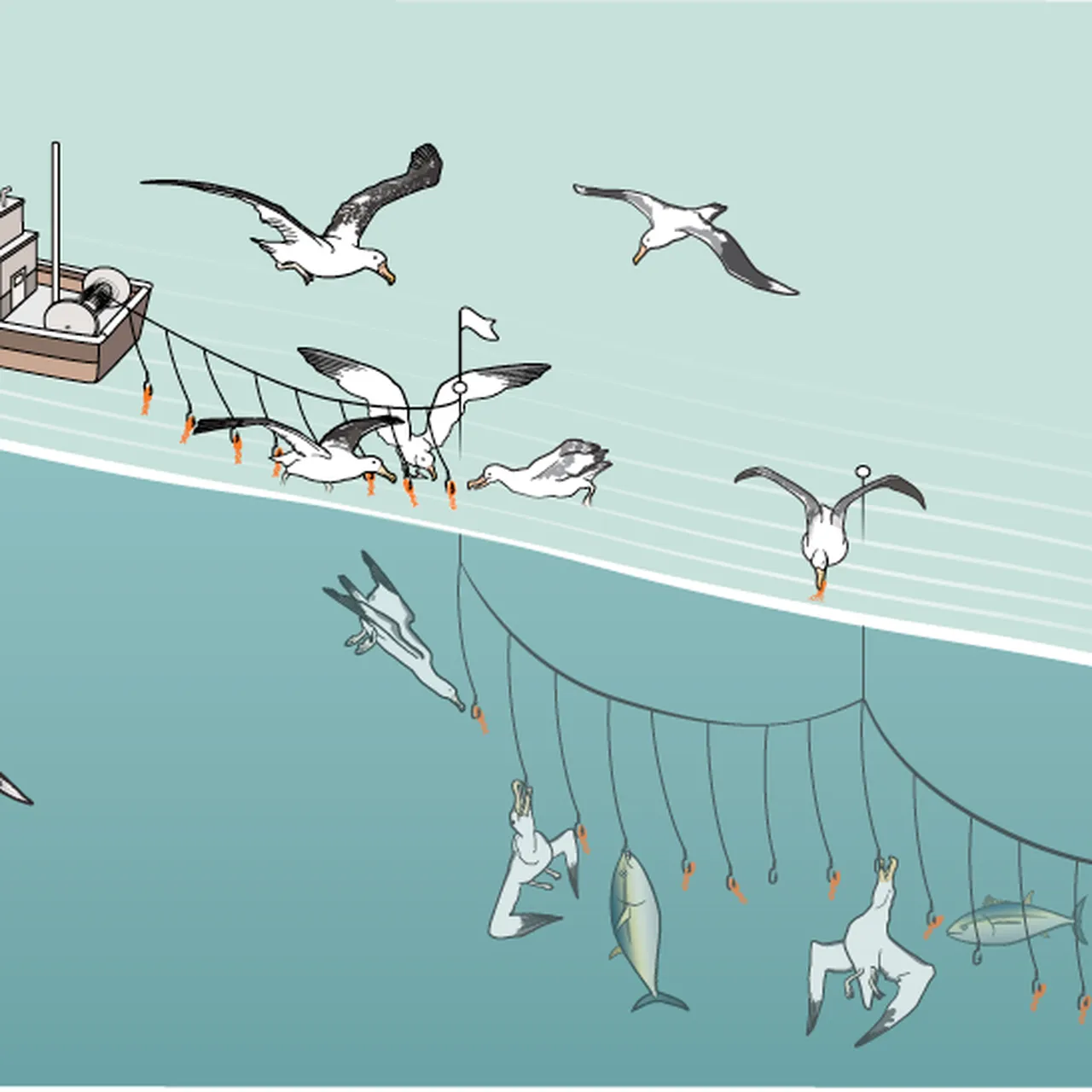
Birds face habitat loss from deforestation and urban growth. Many species struggle to find safe nesting places. Pollution, especially pesticides, weakens birds and reduces their food sources. Hunting and trapping also threaten some bird populations. Collisions with buildings and vehicles cause many deaths annually.
Threats To Fish
Fish populations decline due to overfishing and habitat destruction. Water pollution from chemicals and plastics harms fish health. Dams and water diversions block fish migration routes. Invasive species compete with native fish for food and space. Loss of wetlands and coral reefs reduces breeding grounds.
Impact Of Climate Change
Climate change alters temperatures and weather patterns. Birds may lose food sources and suitable habitats. Fish face changing water temperatures, affecting growth and reproduction. Ocean acidification harms coral reefs, vital for many fish species. Extreme weather events disrupt both bird and fish ecosystems.
Effective Conservation Strategies
Effective conservation strategies are key to helping both birds and fish thrive in their natural environments. The success of these efforts often depends on how well we restore habitats, protect critical areas, involve communities, and track progress through research. Each approach plays a unique role in supporting wildlife, and understanding their impact can guide your efforts toward better results.
Habitat Restoration
Restoring habitats provides the foundation for wildlife to recover and flourish. For birds, planting native trees and shrubs can create safe nesting sites and food sources. Fish benefit from restoring riverbanks and wetlands, which improve water quality and breeding grounds.
Have you noticed how a small garden can attract birds? Imagine the difference it makes on a larger scale. Restoring habitats is practical and often shows quick benefits, especially when focused on the specific needs of the species you want to help.
Protected Areas
Setting aside protected areas ensures safe zones where wildlife can live without constant human disturbance. Birds often need quiet, undisturbed nesting sites, while fish require clean, flowing waters free from pollution and overfishing.
Think about the national parks or marine reserves you’ve visited. These places are living examples of how protection allows ecosystems to stabilize. Prioritizing protected areas can be a powerful step in conserving species that struggle in heavily used landscapes.
Community Involvement
Your role in conservation can be more significant than you think. Communities that engage in protecting local species tend to see better outcomes because people care for what they know. Involving locals in bird counts or fish monitoring builds awareness and encourages stewardship.
Have you ever participated in a beach cleanup or birdwatching event? These activities connect you directly to conservation efforts and create a sense of responsibility. Encouraging community involvement turns conservation into a shared mission rather than a distant goal.
Monitoring And Research
Tracking the health of bird and fish populations helps identify what works and what needs adjustment. Regular monitoring detects changes early, allowing timely responses to threats like disease or habitat loss.
Imagine trying to solve a puzzle without knowing which pieces fit. Research fills in those missing details, guiding smarter conservation choices. Your support for local research projects can make a real difference in protecting species for the future.
Credit: www.smithsonianmag.com
Frequently Asked Questions
Which Species Respond Better To Conservation, Birds Or Fish?
Birds often respond quicker to conservation due to their mobility and habitat adaptability. Fish recovery depends more on water quality and ecosystem health. Both groups benefit differently, but birds generally show faster population rebounds under targeted efforts.
How Does Habitat Affect Birds Vs. Fish Conservation?
Birds rely on terrestrial and wetland habitats, which are easier to restore. Fish need aquatic environments, requiring complex water quality and flow improvements. Habitat quality directly impacts the success of conservation for both, but aquatic habitat restoration is often more challenging.
What Conservation Methods Work Best For Birds And Fish?
Bird conservation benefits from habitat protection, nesting sites, and predator control. Fish conservation requires water pollution reduction, habitat restoration, and fishing regulations. Tailored strategies for each group maximize recovery chances and ensure sustainable populations.
Are Birds More Vulnerable Than Fish To Environmental Changes?
Birds are sensitive to habitat loss and climate change but can migrate. Fish are highly vulnerable to water pollution, temperature shifts, and habitat fragmentation. Both face threats, but fish often suffer more from aquatic ecosystem degradation.
Conclusion
Birds and fish both face serious threats in nature. Conservation helps protect their homes and food. Birds often react quickly to changes in the environment. Fish need clean water and safe habitats to thrive. Both groups show signs of improvement with care.
Saving one helps the other, too. Efforts should focus on habitats and pollution control. Small actions can lead to big results. Protecting wildlife benefits everyone on Earth. The choice is clear: act now to save both.