

Have you ever stopped to wonder why birds sing the way they do? That beautiful melody you hear isn’t just random noise—it reveals a lot about their behavior and world.
Understanding which best describes singing behavior in birds can change how you experience nature around you. You’ll discover surprising facts that make bird songs more than just background sounds. Ready to unlock the mystery behind those tunes? Keep reading, and your next encounter with a singing bird will never be the same.

Credit: owlcation.com
Birdsong Functions
Birdsong is more than just a pleasant background noise in nature. It plays crucial roles in the daily lives of birds, helping them survive and thrive. Understanding these functions gives you a clearer picture of why birds sing and what their songs really mean.
Communication And Territory
Birds use their songs to communicate with others in their area. A strong, clear song often signals that a bird claims a territory and warns rivals to stay away. This reduces physical fights, saving energy and preventing injury.
Have you noticed how some birds sing louder or more frequently at dawn? This early morning chorus helps establish boundaries before the day begins, making it easier to avoid conflicts later.
Mating And Attraction
Birdsong plays a big part in attracting a mate. Males often sing complex and varied tunes to show off their fitness and genetic quality. The more impressive the song, the better the chances of finding a partner.
Imagine hearing a bird with a richer song than others nearby. That bird is advertising its health and vitality—qualities you might find attractive in a mate too. This natural audition helps ensure strong offspring.
Alarm And Warning Signals
Birds also use specific calls to warn others about nearby dangers. These alarm songs vary depending on the threat, like predators or human presence. They help other birds react quickly to stay safe.
Next time you hear sudden, sharp bird calls, ask yourself: what might have triggered this alert? Recognizing these signals can deepen your connection with the natural world around you.
Types Of Birdsong
Birdsong varies widely across species and regions. Understanding the types helps us appreciate bird behavior better. Songs serve many purposes like attracting mates or marking territory. They range from simple sounds to complex melodies.
Innate Vs Learned Songs
Some birds sing songs they are born knowing. These are called innate songs. Others learn songs by listening to adults. Learning helps birds create unique tunes. It also allows them to adapt songs over time.
Simple Calls Vs Complex Melodies
Simple calls are short and clear sounds. Birds use these for alarms or quick messages. Complex melodies have many notes and changes. These songs often show a bird’s health and skill. They can last several seconds or longer.
Regional Dialects
Birds of the same species may sing differently in places. These variations are called regional dialects. Dialects help birds recognize neighbors from their area. They also play a role in mating and social groups.
Physiology Behind Singing
Birds sing through a complex system involving their body and brain. Their singing depends on special organs and signals. Understanding the physiology behind singing reveals how birds produce beautiful sounds. This section breaks down the key parts that control bird songs.
Syrinx Structure
The syrinx is the main organ for bird singing. It sits where the windpipe splits into the lungs. Unlike human vocal cords, the syrinx has two sides. Each side can make different sounds at the same time.
The syrinx has thin membranes that vibrate to create sound. Birds control these membranes with muscles. Stronger muscles mean better control of pitch and tone. The shape of the syrinx varies by species, affecting their unique songs.
Neural Control Of Song
The bird’s brain controls song production and learning. Specific brain areas send signals to the syrinx muscles. These signals decide the timing and strength of each note.
Birds learn songs by listening to others. Their brain changes and adapts during this learning. This process is called neural plasticity. It helps birds improve songs over time.
Hormonal Influences
Hormones affect singing behavior in many birds. Testosterone, a common hormone, increases singing during breeding seasons. It boosts brain activity and muscle control for better songs.
Hormones also influence motivation to sing. Higher hormone levels lead to more frequent and louder singing. Changes in daylight and seasons affect hormone levels and, in turn, song patterns.
Development Of Singing Skills
The development of singing skills in birds is a fascinating process that reveals how nature and nurture work together. Birds don’t just sing instinctively; they learn and refine their songs over time. Understanding how these skills develop can shed light on the complexity of bird communication and even inspire how you approach learning new skills yourself.
Critical Learning Periods
Birds have specific windows in their early life when they are most receptive to learning songs. During these critical learning periods, young birds listen carefully and memorize the songs of adult tutors. Missing this phase can result in incomplete or incorrect song development, much like missing foundational lessons in language learning.
Have you ever noticed how toddlers pick up languages faster than adults? Birds show a similar pattern with their songs—timing matters a lot. This suggests that if you want to master a skill, starting early and paying close attention during key phases makes a huge difference.
Role Of Practice And Imitation
Learning a bird’s song doesn’t stop at listening; practice is essential. Young birds repeatedly imitate the sounds they hear, adjusting their pitch and rhythm to match their tutor’s song. This trial-and-error process sharpens their vocal skills and helps them develop a unique but recognizable tune.
Imagine trying to learn a musical instrument without practice. It’s unlikely you’d improve. Birds show us that imitation combined with practice leads to mastery. If you want to improve your skills, focus not only on observing but also on consistent repetition and refinement.
Impact Of Environment
The environment where a bird grows up greatly influences its singing development. Birds raised in noisy or crowded areas might struggle to hear and learn songs accurately. Conversely, a peaceful environment with clear sound transmission helps young birds pick up intricate details of songs more effectively.
Think about your own learning spaces—are they noisy or distracting? Birds remind us that a calm, supportive environment can boost how well you learn and perform. What changes could you make to your surroundings to help you focus better and develop your skills faster?
Behavioral Patterns In Singing
Birds use singing as a key behavior to communicate and interact. Their singing patterns show clear rhythms and changes depending on time and social context. Understanding these patterns helps us learn about bird life and their environment.
Daily Singing Rhythms
Birds often sing most at dawn and dusk. These times have calm air, helping their songs travel far. Morning songs usually serve to mark territory and attract mates. Evening songs can signal safety or end of day routines. Some species also sing during the day, but less often.
Seasonal Variations
Singing changes with the seasons. In spring, males sing more to find mates and defend nests. Summer songs can help keep territory and communicate with family. In fall and winter, singing reduces as birds focus on survival. Some birds even stop singing completely during cold months.
Social Influences
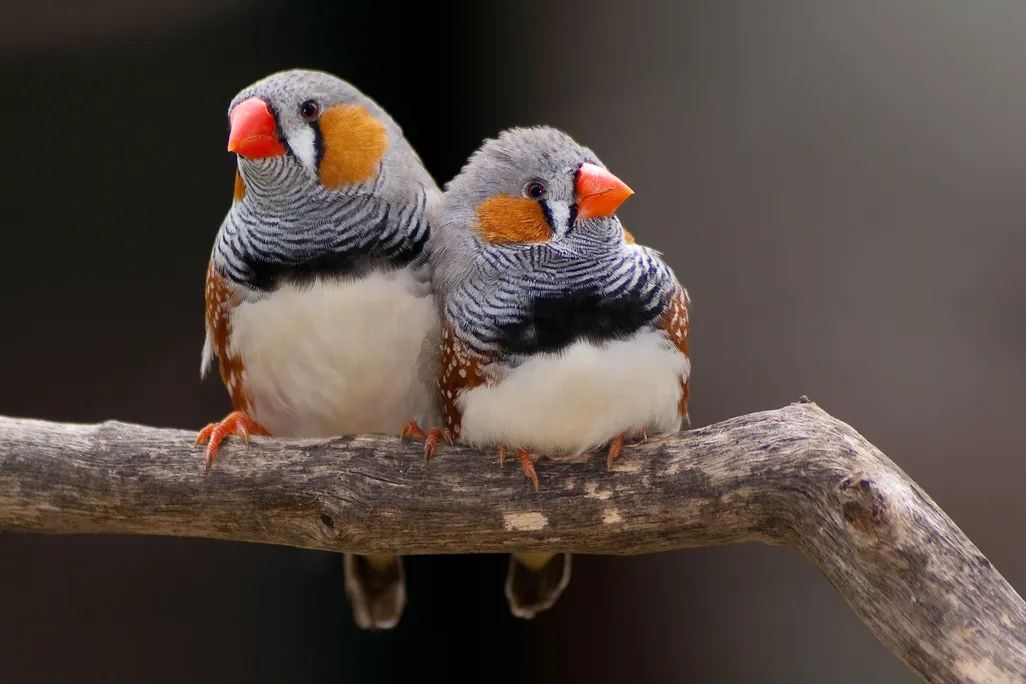
Bird songs react to social factors. Male birds may sing louder or more when rivals are near. Songs can also attract females by showing strength or fitness. Some birds learn songs from neighbors, creating local “dialects.” Group singing may help keep flocks together or warn of dangers.
Credit: www.smithsonianmag.com
Evolutionary Perspectives
Understanding singing behavior in birds from an evolutionary perspective reveals why these vocalizations matter beyond just beautiful sounds. Birdsong plays a critical role in survival and reproduction, shaped over countless generations. This section breaks down the evolutionary reasons behind why birds sing and how their songs have adapted to fit their environment and species needs.
Adaptive Advantages
Birdsong often serves as a survival tool rather than just a display of talent. Males use singing to attract mates, signaling health and genetic quality.
Beyond attraction, songs warn rivals to stay away from territories. This reduces physical fights and conserves energy, which is essential for survival.
Have you noticed how some bird songs are louder or more complex during breeding season? This increase is a strategic move to maximize reproductive success.
Species-specific Traits
Each bird species has unique song patterns shaped by their evolutionary history. These differences help birds recognize their own kind and avoid hybridization.
For example, the complex melodies of the nightingale differ greatly from the simple calls of sparrows. These traits have evolved to fit their ecological niche.
Think about how you might instantly identify a bird just by its song. This specificity is no accident—it’s an evolutionary adaptation to improve communication.
Co-evolution With Habitat
Birdsong changes according to the environment where a species lives. Dense forests favor lower-pitched, slower songs that travel better through thick foliage.
Open areas, like grasslands, allow higher-pitched, faster songs to carry farther without distortion. Birds have adapted their singing style to fit these acoustic challenges.
Next time you hear a bird in different habitats, consider how its song might have evolved to match its surroundings. What does this tell you about the relationship between nature and behavior?
Research Methods In Birdsong Study
Studying birdsong requires careful research methods to understand the behavior. Scientists use a mix of techniques to record, analyze, and test bird vocalizations. These methods help reveal how and why birds sing.
Field Observations
Researchers watch birds in their natural habitats. They note when, where, and how birds sing. Observing birds in the wild gives real-world context to their songs. This method shows how environment affects singing behavior. It also helps identify different species by their unique calls.
Acoustic Analysis
Sound recordings capture birdsong for detailed study. Scientists use special software to examine pitch, duration, and patterns. This analysis breaks down complex songs into simple parts. It helps compare songs between birds and populations. Acoustic data can show learning and changes over time.
Experimental Approaches
Experiments test how birds respond to songs. Playback studies play recorded songs to birds to observe reactions. Controlled settings allow researchers to study song learning and memory. Experiments can reveal the role of song in mating or territory defense. They provide insight into the functions of singing behavior.

Credit: swibirds.org
Frequently Asked Questions
What Is Singing Behavior In Birds?
Singing behavior in birds is vocal communication used for mating, territory defense, and social interaction. It varies by species and context.
Why Do Birds Sing Different Songs?
Birds sing different songs to attract mates, establish territory, and signal identity. Variation helps avoid confusion and improves communication.
How Do Birds Learn Their Songs?
Birds learn songs through imitation of adult males during a critical early-life period. This learning shapes their unique vocal patterns.
When Do Birds Typically Sing The Most?
Birds usually sing most during dawn and early morning. This timing helps maximize communication while minimizing noise competition.
Conclusion
Bird songs paint a vibrant picture of nature. These melodies serve many purposes. Birds sing to attract mates. They also defend their territory with songs. Each species has unique tunes. Environment and season often influence these vocal behaviors. Understanding bird songs enriches our connection with nature.
It reminds us of the harmony in wildlife. Birdwatching becomes more fascinating with this knowledge. So, next time you hear a bird sing, pause and listen. You might discover a whole new world.