

Have you ever wondered how so many different kinds of birds can live in the same place without fighting over food or space? The secret lies in how birds use their bodies and behaviors to share resources.
By adapting their beaks, feet, and habits, birds create their own ways to survive side by side. You’ll discover the fascinating tricks birds use to avoid competition and thrive together. Get ready to see the natural world from a new perspective and understand how these amazing creatures master the art of sharing.
Keep reading to find out how birds have cleverly divided resources through their unique structures and behaviors.
Credit: learn.birdscanada.org
Resource Partitioning In Birds
Resource partitioning in birds is a fascinating way nature ensures different species thrive side by side without outcompeting each other. It’s about how birds share their environment by dividing food sources, nesting sites, and hunting times. This clever balancing act helps maintain biodiversity and keeps ecosystems healthy.
Concept Of Resource Partitioning
Resource partitioning means different bird species use different parts of the same resource to reduce competition. Imagine several birds feeding on insects in the same tree—some pick insects from leaves, others from bark, while a few hunt flying insects nearby. This way, each bird species finds its unique niche.
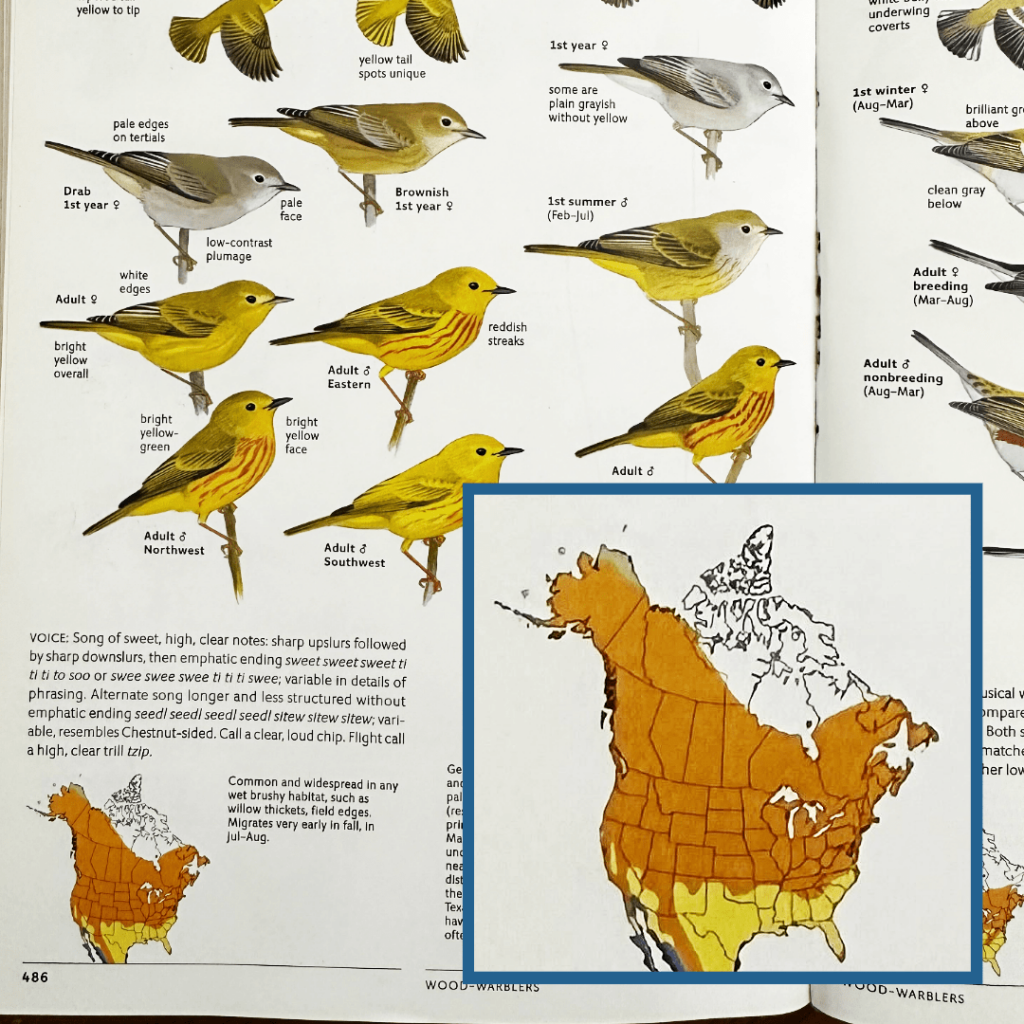
Structural adaptations play a big role here. Birds with different beak shapes can access different food types even within the same area. For example, woodpeckers have strong, chisel-like beaks to drill into wood, while warblers have slender beaks perfect for snatching small insects off leaves.
Importance For Species Coexistence
Without resource partitioning, one species might dominate, pushing others to extinction. When birds share resources efficiently, they avoid direct conflict and promote stable coexistence. This balance benefits the entire ecosystem.
Think about your local park or garden. You may notice various birds feeding at different heights or times of day. This behavior reduces competition and allows multiple species to flourish in the same space. Have you ever watched birds and noticed how they don’t seem to fight over food? That’s resource partitioning in action.
Understanding this concept can help you create bird-friendly spaces. By providing diverse plants and feeding spots, you encourage a variety of birds to visit and thrive together. Have you tried planting a mix of flowers, shrubs, and trees to attract different birds?
Credit: animal-pedia.org
Structural Adaptations For Resource Use
Structural adaptations in birds play a crucial role in how they access and use resources in their environment. These physical traits have evolved to help birds specialize in certain niches, reducing competition and allowing multiple species to coexist. Understanding these adaptations gives you insight into the diversity of bird life and how form meets function in nature.
Beak Shapes And Feeding Niches
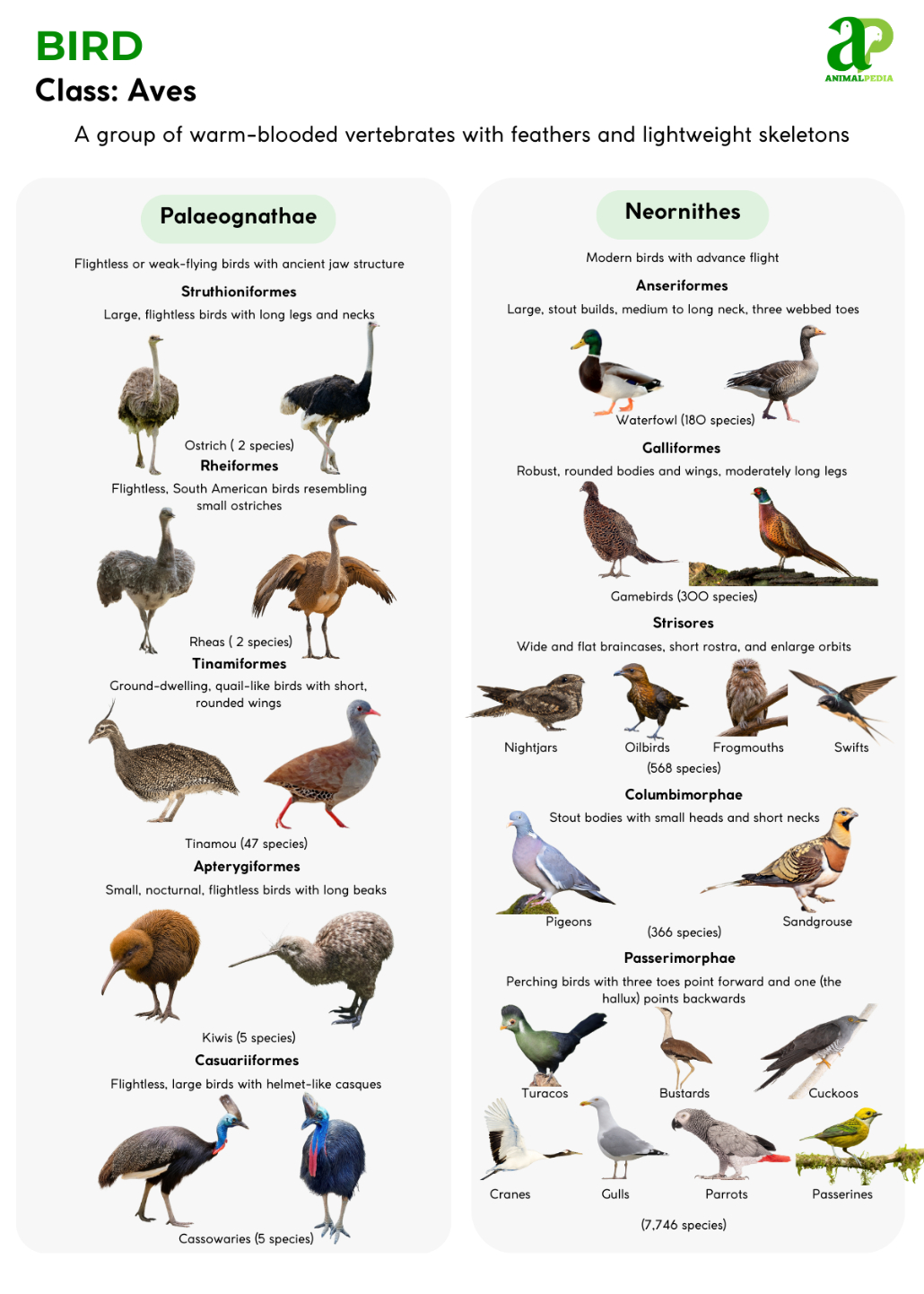
Bird beaks come in many shapes and sizes, each suited to a specific diet or feeding strategy. A hummingbird’s long, slender beak lets it reach deep into flowers for nectar, while a hawk’s sharp, hooked beak tears through meat with ease.
Think about your local park—do you spot finches with short, strong beaks cracking seeds or woodpeckers with chisel-like beaks drilling into bark? These differences let birds avoid direct competition by targeting different food sources.
Claw And Foot Variations
Claws and feet are another key area where birds show adaptations for resource use. Birds that perch on branches often have three toes forward and one back for gripping, while wading birds have long legs and toes to walk in mud or water.
Consider the osprey, whose sharp talons let it snatch fish right from the water. Meanwhile, ducks have webbed feet to paddle efficiently. These features determine where and how birds find their food.
Body Size And Flight Styles
Body size influences flight capability and habitat use. Small birds like warblers can dart quickly through dense foliage to catch insects, while larger birds like eagles soar high to spot prey over wide areas.
Flight style affects energy use and hunting strategies. Gliding birds conserve energy over long distances, while agile fliers can maneuver through tight spaces. How might your local birds’ flight styles reflect their feeding habits?
Behavioral Strategies In Resource Partitioning
Birds use behavior to share resources and reduce competition. These strategies help different species live together in the same area. Behavior changes how birds find food, use space, and interact with each other. This section explores how birds divide resources through their actions.
Foraging Techniques
Birds use different ways to find food. Some peck at the ground, while others catch insects in the air. Each species has unique methods suited to its needs. These techniques prevent birds from competing for the same food. For example, some birds search tree bark, while others look under leaves.
Temporal Activity Patterns
Birds also separate resources by being active at different times. Some feed during the day, others at dawn or dusk. This timing reduces overlap in food gathering. It allows more birds to share the same space without fighting. By changing their activity hours, birds avoid direct competition.
Territorial And Social Behaviors
Birds often defend areas to keep food sources safe. Territories help them control access to resources. Some birds form groups to share food and protect each other. Social behaviors like cooperation and communication also play a role. These actions balance competition and help birds survive together.
Case Studies Of Resource Partitioning
Understanding how birds share their environment without outcompeting each other offers valuable lessons in coexistence and adaptation. Resource partitioning shows how species evolve unique traits and behaviors to thrive side by side. Let’s look at some striking examples that reveal the clever ways birds divide resources.
Darwin’s Finches
On the Galápagos Islands, Darwin’s finches are a classic example of resource partitioning through structural adaptation. Different finch species have beaks shaped precisely for their preferred food sources—some crack hard seeds, others pick insects or sip nectar.
This diversity reduces competition by allowing multiple finch species to live in the same area while eating different things. Have you noticed how small changes in beak shape can lead to big differences in diet and survival? It’s a powerful reminder of how tiny adaptations help species coexist.
Woodpecker Species
Woodpeckers share forests by dividing up feeding and nesting resources. Some species prefer different tree types or heights, while others specialize in distinct insects living beneath the bark. This separation reduces clashes over food and shelter.
Behavior also plays a role; for instance, some woodpeckers drum at unique rhythms to mark territory, avoiding unnecessary conflicts. Observing these birds can teach you how subtle differences in behavior and structure help neighbors live in harmony.
Shorebird Communities
Shorebirds often gather in large groups along coastlines, yet they avoid direct competition by feeding in different zones. Some probe mud for worms, others pick small crustaceans from shallow water, and a few snatch insects from the air above the shoreline.
This spatial and dietary partitioning ensures each species gets enough food without interference. Next time you watch birds at the beach, ask yourself how their feeding spots and techniques keep peace among so many species.
Environmental Influences On Adaptations
Environmental factors shape how birds adapt their bodies and behaviors. These influences guide the ways birds use resources and survive. Changes in surroundings create challenges and chances for birds to evolve. Understanding these environmental impacts helps explain bird diversity and survival strategies.
Habitat Diversity And Resource Availability
Birds live in many habitats, from forests to deserts. Each habitat offers different food and shelter. Birds develop unique beaks, feet, and feathers to fit their homes. Some have long beaks for reaching nectar. Others have strong claws for catching prey.
Resource availability forces birds to specialize. They may eat specific seeds or insects found only in their area. This specialization reduces competition among species. It allows many birds to share the same space peacefully.
Seasonal Changes And Migration
Seasons bring shifts in temperature and food supply. Birds respond by changing behavior or moving. Migration helps birds find food and warmer climates. Some fly thousands of miles to survive winter. Others grow thicker feathers or store fat to endure cold.
Seasonal changes also affect breeding times. Birds time their nesting to match food abundance. This ensures their chicks get enough nourishment. Adaptations to seasons improve survival and reproduction.
Human Impact And Adaptation
Human activities alter bird habitats and resources. Urban growth, pollution, and deforestation create new challenges. Some birds adapt well to cities. They learn to use buildings and human food waste. Others struggle and face population declines.
Birds also change nesting sites and feeding habits due to humans. Some shift to night activity to avoid disturbance. Others modify calls to communicate over city noise. These adaptations show birds’ resilience in a changing world.
Evolutionary Perspectives
Understanding how birds have carved out their place in diverse environments requires looking at their evolutionary history. Their structural adaptations and behaviors didn’t appear by chance—they are results of gradual changes shaped by evolutionary forces. This perspective helps you appreciate how competition for resources drives species to specialize and thrive side by side.
Natural Selection And Niche Differentiation
Natural selection favors traits that improve survival and reproduction in specific environments. Birds competing for the same food source develop differences in beak shape or feeding habits to reduce direct competition. This process, known as niche differentiation, allows multiple species to coexist by exploiting different resources or the same resource in different ways.
Think about how finches on the Galápagos Islands have beaks perfectly suited for seeds, insects, or flowers. Each variation ensures they don’t overlap too much in their food choices, reducing competition and increasing survival chances. Have you noticed similar patterns in birds around your home or local park?
Co-evolution Among Bird Species
Bird species don’t evolve in isolation. They often influence each other’s evolution through co-evolution, where changes in one species drive adaptations in another. This is common between pollinating birds and flowering plants, or between predatory birds and their prey.
For example, hummingbirds and certain flowers have evolved together—hummingbirds develop long, slender bills while flowers evolve shapes that fit those bills perfectly. This relationship ensures efficient feeding and pollination, benefiting both species. Can you spot any such partnerships in your surroundings?
Adaptive Radiation Examples
Adaptive radiation occurs when a single ancestral species rapidly diversifies into many new forms, each adapted to a unique environment or resource. This is a powerful example of how birds have partitioned resources through both structure and behavior.
The Hawaiian honeycreepers showcase this beautifully. From a common ancestor, they evolved into dozens of species with a variety of beak shapes—from probing nectar feeders to seed crushers. This diversity reduces competition and allows them to inhabit different ecological niches across the islands.
When you observe birds in your area, consider what unique adaptations they have that help them survive without stepping on each other’s toes. How might your local bird populations change if one species were removed?

Credit: wildlifenomads.com
Frequently Asked Questions
How Do Birds Use Structural Adaptations To Share Resources?
Birds have unique beak shapes and body sizes that allow them to access different food types. These adaptations reduce competition by enabling multiple species to feed in the same area without conflict.
What Behavioral Traits Help Birds Partition Resources?
Birds exhibit behaviors like foraging at different times or in varied habitats. Such actions minimize overlap in resource use, promoting coexistence among species in the same environment.
Why Is Resource Partitioning Important For Bird Survival?
Resource partitioning reduces competition, ensuring diverse bird species thrive together. It allows birds to exploit different ecological niches, enhancing ecosystem stability and biodiversity.
How Do Beak Shapes Influence Bird Feeding Habits?
Different beak shapes suit specific diets like seeds, insects, or nectar. This structural diversity helps birds specialize and efficiently utilize various food resources.
Conclusion
Birds showcase fascinating resource partitioning through structural adaptations and behaviors. Each species adapts uniquely to its environment. Beaks, claws, and wings help birds find food and survive. Their diverse behaviors reduce competition for resources. Birds fly at different heights and times.
They also eat different foods, creating harmony in nature. Understanding these adaptations reveals nature’s intricate balance. Such knowledge inspires us to appreciate biodiversity. Observing birds teaches us about coexistence and adaptation. Witnessing these wonders strengthens our connection to nature. Let’s cherish and protect these amazing creatures.
Their survival ensures a vibrant, balanced ecosystem for all.