
Are you curious about who protects the beautiful wild birds you see around you? You might wonder who makes sure these birds stay safe and their habitats are preserved.
The Wild Bird Conservation Act plays a big role in this, but do you know who enforces it? Understanding who is behind these important rules can help you appreciate the effort it takes to keep wild birds safe. Keep reading, and you’ll discover the key players working to protect our feathered friends and why their job matters to you and the environment.
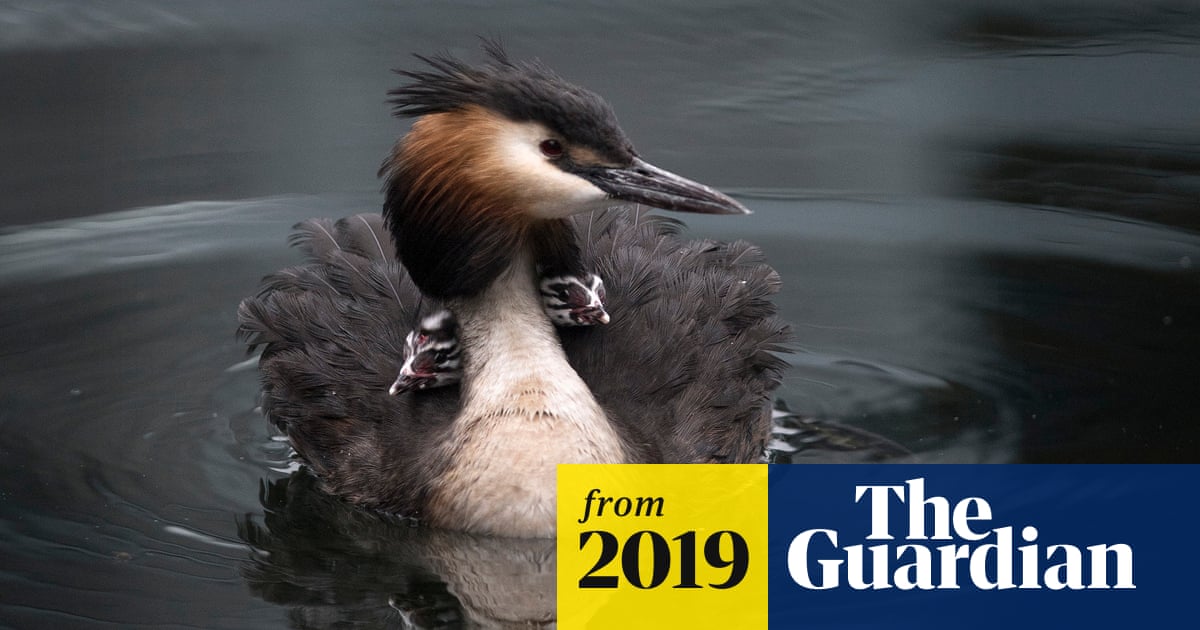
Credit: www.theguardian.com
Wild Bird Conservation Act Basics
The Wild Bird Conservation Act (WBCA) plays a crucial role in protecting wild birds from over-exploitation through international trade. Understanding its basics can help you appreciate how this law safeguards bird populations globally. Let’s break down the key elements that define the act and what it covers.
Purpose And Scope
The primary goal of the Wild Bird Conservation Act is to prevent the decline of wild bird populations caused by excessive trade. It aims to ensure that international commerce in wild birds is sustainable and does not threaten their survival.
This law applies broadly, covering all native and exotic wild bird species that are traded across U.S. borders. If you’re thinking about importing or exporting any wild bird, the WBCA’s rules are in play.
Have you ever wondered how your favorite exotic pet bird was legally brought into the country? The WBCA is often behind those protections, working quietly to keep bird species thriving.
Key Provisions
- Import Restrictions:The act sets strict limits on importing certain bird species, especially those that are endangered or threatened.
- Permit Requirements:Importers must obtain permits that prove the birds were sourced legally and sustainably.
- Trade Monitoring:The act mandates close monitoring of bird trade to detect illegal activities and enforce compliance.
- Protection of Habitats:While focused on trade, the act indirectly supports the conservation of natural habitats by reducing demand for wild-caught birds.
By laying out these specific rules, the WBCA ensures that bird lovers and traders follow ethical practices. This protects both the birds you admire and the ecosystems they depend on.
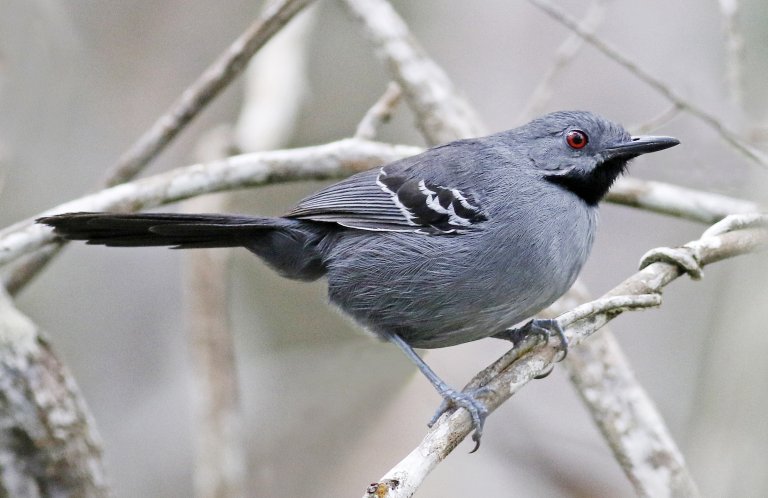
Credit: abcbirds.org
Primary Enforcement Agencies
The Wild Bird Conservation Act protects wild bird species from illegal trade and exploitation. Several agencies work together to enforce this law. These primary enforcement agencies ensure the safety and preservation of wild birds across the United States. Their roles include monitoring, investigation, and prevention of illegal activities involving wild birds.
U.s. Fish And Wildlife Service Role
The U.S. Fish and Wildlife Service (USFWS) leads the enforcement of the Wild Bird Conservation Act. This agency monitors bird imports and exports carefully. It issues permits to control legal trade. The USFWS investigates suspected violations and takes action against offenders. It also educates the public about bird conservation laws. This agency works closely with other organizations to protect wild birds.
Customs And Border Protection Involvement
Customs and Border Protection (CBP) helps enforce the Wild Bird Conservation Act at U.S. borders. CBP officers inspect shipments entering and leaving the country. They check for illegal bird products or live birds without proper permits. CBP works with USFWS to stop unlawful trade. Their efforts reduce smuggling and illegal trafficking. This cooperation strengthens bird conservation efforts nationwide.
State And Local Authorities
State and local authorities play a crucial role in enforcing the Wild Bird Conservation Act. They act as the frontline defenders, ensuring that wild birds are protected within their regions. Their efforts complement federal regulations, making enforcement more effective and widespread.
State Wildlife Agencies
State wildlife agencies are responsible for managing and protecting native bird populations. They monitor habitats, issue permits, and investigate illegal activities involving wild birds. These agencies often collaborate with federal bodies to share information and resources.
You might not realize it, but these agencies are the ones who often respond to reports of illegal bird trade or poaching. Their officers conduct field inspections and work closely with local communities to raise awareness about bird conservation.
Local Law Enforcement Support
Local police and sheriff departments provide vital support in enforcing wildlife laws at the ground level. They assist with investigations, conduct raids, and help enforce penalties against violators.
Imagine a local officer responding to a tip about illegal bird sales at a market. Their quick action can stop harmful practices and protect vulnerable bird species. Their involvement ensures that enforcement reaches even the smallest communities.
How connected are your local authorities to wildlife protection efforts? Engaging with them can strengthen conservation in your area.
International Cooperation
International cooperation is key to enforcing the Wild Bird Conservation Act effectively. Birds don’t recognize borders, so protecting them requires countries to work together. This shared responsibility helps prevent illegal trade and supports conservation efforts worldwide.
Collaboration With Foreign Governments
Enforcement agencies in the U.S. team up closely with foreign governments to monitor and control the trade of wild birds. These partnerships involve sharing intelligence and conducting joint operations to catch traffickers. When officials in different countries communicate well, they can stop illegal shipments before birds reach the market.
Have you ever wondered how border agents identify illegal wildlife products? Training and information exchange between countries play a huge role. This cooperation helps officers spot suspicious activities and respond quickly.
Role Of International Treaties
Treaties like CITES (the Convention on International Trade in Endangered Species) set common rules for protecting wild birds across nations. The Wild Bird Conservation Act aligns with these treaties to ensure consistent enforcement. This creates a unified front that discourages illegal trade globally.
These treaties also require countries to report their enforcement actions and trade data. This transparency holds governments accountable and helps track progress. When you see a bird species thriving again, it’s often because these agreements pushed countries to act together.
Challenges In Enforcement
Enforcing the Wild Bird Conservation Act presents many obstacles. Agencies face tough challenges that slow down their work. These challenges impact the protection of wild birds and their habitats.
Enforcement officers must manage complex issues daily. They work hard but face limits that make their job harder. Understanding these challenges helps us see why wild bird protection is difficult.
Illegal Trade And Poaching
Illegal trade threatens many wild bird species. Poachers capture birds secretly to sell them illegally. These actions violate the Wild Bird Conservation Act. Tracking down poachers is difficult because they operate in hidden areas. The demand for exotic birds keeps this illegal market alive. Officers must act fast to stop these crimes. Many birds are lost before authorities can intervene.
Resource And Staffing Limitations
Many enforcement agencies lack enough staff. Limited funding reduces the number of officers on the ground. This shortage makes monitoring large areas nearly impossible. Officers often work long hours with few resources. Technology and equipment needs are not always met. This slows response times and reduces enforcement effectiveness. More staff and better tools could improve protection efforts greatly.
Technological Tools Used
Enforcing the Wild Bird Conservation Act requires advanced technology to protect bird species effectively. Authorities use various tools to monitor bird populations and track illegal activities. These technologies help gather accurate data and support law enforcement efforts.
Monitoring And Tracking Technologies
Officials use GPS tags to follow bird movements in real time. This technology reveals migration paths and nesting sites. Remote cameras capture images without disturbing birds. Drones help patrol large areas quickly and quietly. Acoustic sensors record bird calls to identify species presence. These tools provide essential information to detect threats early.
Data Sharing Platforms
Data collected from different sources is shared across agencies. Online platforms allow real-time updates on bird locations and incidents. This cooperation improves response time and decision-making. Public databases also enable researchers to study bird trends globally. Sharing information creates a stronger network for bird protection.
Public Involvement And Reporting
The Wild Bird Conservation Act depends heavily on the public to help protect wild birds. People play a key role in spotting illegal activities and informing authorities. Public involvement helps enforcement officers take quick action. Awareness and reporting are two powerful tools in this effort.
Community Awareness Programs
Community programs teach people about the Wild Bird Conservation Act. They explain why wild birds need protection. These programs often include:
- Workshops in schools and community centers
- Informative flyers and posters
- Local events focused on wildlife conservation
- Social media campaigns to reach more people
Raising awareness helps people recognize illegal bird trade or harm. It encourages respect for nature and wildlife laws.
How To Report Violations
Reporting violations is simple and important. Anyone can report illegal bird activities. Reports can be made by:
- Calling designated wildlife protection hotlines
- Using official government websites to submit tips
- Contacting local law enforcement or wildlife agencies
Provide clear details like location, time, and description of the violation. Anonymous reports are accepted and protect the reporter’s identity.

Credit: en.wikipedia.org
Frequently Asked Questions
Who Enforces The Wild Bird Conservation Act?
The U. S. Fish and Wildlife Service enforces the Wild Bird Conservation Act. They regulate import and export of protected wild birds to prevent trafficking and protect species.
What Agencies Oversee Wild Bird Protection Laws?
Primarily, the U. S. Fish and Wildlife Service oversees wild bird protection laws, including the Wild Bird Conservation Act. They collaborate with customs and wildlife agencies.
How Does Enforcement Protect Wild Bird Populations?
Enforcement ensures illegal trade is stopped, reducing exploitation. It supports conservation efforts by controlling imports and exports of endangered and threatened bird species.
Are Penalties Strict For Violating This Act?
Yes, penalties for violating the Wild Bird Conservation Act include fines and imprisonment. Strict enforcement deters illegal wildlife trade and helps preserve wild bird populations.
Conclusion
The Wild Bird Conservation Act plays a crucial role in protecting birds. Enforcement ensures that these beautiful creatures are safe. Government agencies and wildlife organizations work together. They monitor bird trade and habitats. This cooperation helps maintain bird populations. Educating the public is also vital.
People need to understand the importance of conservation. Simple actions can make a big difference. Protecting wild birds benefits everyone. It preserves nature for future generations. By supporting these efforts, we can all help. Let’s cherish and protect our feathered friends.
Their survival depends on us.