
Have you ever looked up at a bird soaring effortlessly in the sky and wondered how it manages to stay airborne? The secret lies deep within its body—its unique anatomy built perfectly for flight.
Understanding what makes birds able to fly can change the way you see these creatures forever. You’ll discover the fascinating features that give birds the power to lift off, glide, and maneuver through the air with such grace. Ready to uncover the incredible design behind every flap of their wings?
Keep reading, and you’ll be amazed at how nature crafted the perfect flying machine.

Credit: sandiegogreg.blogspot.com
Lightweight Skeleton
Birds have lightweight skeletons filled with air spaces, making their bones strong yet light. This helps reduce weight and makes flying easier. Thin, hollow bones support flight muscles without adding heavy bulk.
The fascinating ability of birds to soar high lies in their unique anatomy. One key factor is their lightweight skeleton. Birds have evolved to have a skeleton that is strong yet light. This allows them to fly effortlessly through the sky. Their bones are structured in a way that helps reduce weight without sacrificing strength.Hollow Bones
Birds have hollow bones, which are also known as pneumatic bones. These bones are filled with air spaces, making them lighter than solid bones. Despite being hollow, they are strong and can support the bird’s body during flight. This adaptation significantly reduces the bird’s overall body weight, aiding in lift and energy efficiency.Fused Bones For Strength
Birds have many fused bones, which adds to their skeletal strength. The fusion of bones like the collarbone and sternum creates a rigid structure. This rigidity is crucial during flight as it provides stability. Fused bones also help distribute the forces of flight evenly across the bird’s body. This structural adaptation supports the bird’s ability to fly long distances without tiring.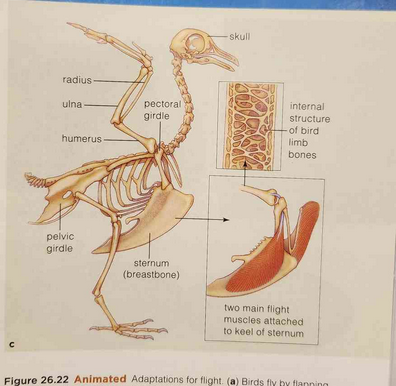
Credit: medium.com
Powerful Muscles
Birds owe their ability to soar through the skies largely to their powerful muscles. These muscles generate the strength and precision needed for flight, allowing birds to flap their wings with incredible force and control. Understanding how these muscles work gives you a deeper appreciation of the physical demands of flying.
Flight Muscles
The primary muscles that power flight are the pectoralis major and the supracoracoideus. The pectoralis major is the largest muscle in a bird’s body and is responsible for the powerful downstroke of the wings. This downstroke generates the lift and thrust needed to keep the bird airborne.
On the other hand, the supracoracoideus muscle controls the upstroke. It might be smaller, but it’s just as important because it lifts the wing to prepare for the next powerful downstroke. These two muscles work in harmony to create the flapping motion you see when birds take off or maneuver in the air.
Muscle Attachment Points
The strength of a bird’s flight muscles comes not only from their size but also from where they attach. These muscles connect to the bird’s keel, a special ridge on the breastbone. This keel acts like a sturdy anchor, providing a large surface area for muscle attachment and allowing for powerful contractions.
Imagine trying to lift a heavy weight with your arm attached to a flexible stick instead of a solid bone—it wouldn’t work well. The keel provides birds with a rigid base, enabling those muscles to work efficiently. This setup allows you to see why birds with larger keels tend to be stronger fliers.
Wing Structure
The wing structure of birds is a remarkable design that enables flight. It combines lightweight bones, strong muscles, and specialized feathers. These parts work together to create lift and thrust. The shape and arrangement of wings help birds move through the air with ease. Understanding the wing structure reveals why birds can fly so well.
Feather Arrangement
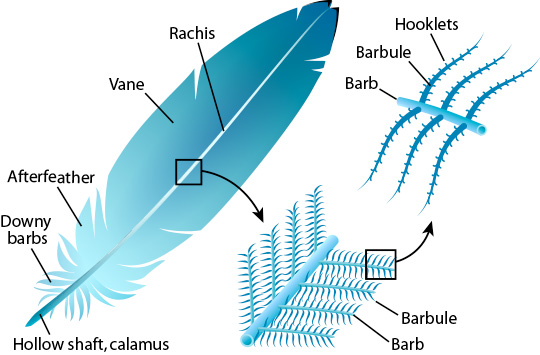
Feathers are arranged in layers on the wings. The main flight feathers are long and stiff. They form the wing’s outer edge and provide lift. Smaller feathers cover the wing’s surface and protect the flight feathers. Feathers overlap like shingles on a roof to create a smooth surface. This smoothness reduces air resistance during flight.
Birds can adjust their feathers to control airflow. They spread or close them to change wing shape. This adjustment helps with steering and stability. The feather structure also makes wings strong yet flexible.
Wing Shape And Aerodynamics
Wing shape affects how air flows over the wing. Birds have different wing shapes for different flying styles.
- Long, narrow wings help with gliding and soaring.
- Short, rounded wings enable quick takeoffs and sharp turns.
- Broad wings provide strong lift for slow flight.
The wing’s curved upper surface causes air to move faster above than below. This difference in air pressure creates lift. The wing’s angle can change to increase or decrease lift. Birds also use wingtip feathers to reduce drag and improve efficiency.
Respiratory System
The respiratory system in birds plays a crucial role in enabling their incredible ability to fly. Unlike mammals, birds need an extremely efficient way to get oxygen to their muscles during flight, which requires a lot of energy. Their respiratory system is uniquely designed to meet these high demands.
Efficient Oxygen Exchange
Birds have a highly efficient method of exchanging oxygen that supports sustained flight. Their lungs allow air to flow in one direction, which means fresh air constantly passes through. This continuous flow ensures that oxygen exchange happens even when they breathe out, unlike humans who have bidirectional breathing.
Think about how you feel when you run hard—you get out of breath quickly because your lungs can’t keep up. Birds don’t face this problem because their system maximizes oxygen intake. This helps their muscles get the oxygen they need without interruption.
Air Sacs And Breathing
Birds have multiple air sacs connected to their lungs that act like bellows. These sacs store air and push it through the lungs in a steady stream. This setup means birds can maintain a constant supply of fresh air, even during rapid wing beats.
These air sacs also help reduce the bird’s body weight, making flight easier. Have you ever noticed how birds look so light? Their respiratory system is one reason why. It’s a clever adaptation that supports both breathing efficiency and the physical demands of flying.
Circulatory Adaptations
Birds need an efficient circulatory system to support the energy demands of flight. Their hearts and blood flow work together to deliver oxygen swiftly to muscles, keeping them powerful and ready. Understanding these circulatory adaptations helps you appreciate how birds sustain long flights without tiring.
Strong Heart
Birds have hearts that are larger and stronger relative to their body size compared to mammals. This allows them to pump a greater volume of blood with each beat. Imagine your heart working harder and faster to fuel your body during intense exercise—that’s what a bird’s heart does continuously during flight.
A strong heart also helps maintain high blood pressure, ensuring oxygen-rich blood reaches every muscle fiber. This is crucial because flight muscles consume a lot of oxygen very quickly. Could your heart keep up if you had to flap wings for hours on end?
Rapid Blood Flow
Blood in birds moves rapidly through their bodies, reaching flight muscles in seconds. This quick circulation delivers oxygen and nutrients efficiently, preventing fatigue during long flights. You might think of it like a fast highway system inside their bodies, moving resources exactly where and when needed.
Rapid blood flow also helps remove waste products like carbon dioxide and lactic acid. This keeps muscles from cramping and allows birds to stay airborne longer. What changes would you notice if your blood flow slowed down during intense activity?
Balance And Coordination
Balance and coordination are vital for birds to fly smoothly and safely. Birds must control their body weight and movements precisely. This control helps them stay steady in the air and change directions quickly. Their anatomy supports these skills in special ways. Two key features that aid balance and coordination are the lightweight head and tail feathers.
Lightweight Head
A bird’s head is very light compared to its body. This lightness reduces the weight at the front, making it easier to balance. The skull is thin but strong, protecting the brain without adding much weight. A lighter head helps birds keep their center of gravity closer to their body’s middle. This balance point is crucial for smooth flight and quick maneuvers.
Tail Feathers For Stability
Tail feathers act like a rudder on a boat. They help birds steer and maintain stability in the air. When a bird changes direction, its tail feathers spread out or close together. This action controls air flow and keeps the bird balanced. The tail also helps slow down during landing and supports hovering in some species. Tail feathers provide essential control for precise flying and safe landings.
Energy And Metabolism
Energy and metabolism are at the heart of what allows birds to take to the skies. Flying demands a huge amount of power in a short time, and birds have evolved to meet this challenge through specialized metabolic processes. Understanding how they generate and use energy offers fascinating insights into their ability to sustain flight.
High Metabolic Rate
Birds have one of the highest metabolic rates among animals. This means their bodies burn fuel quickly to produce energy. You can think of it like a car engine that runs faster and hotter to deliver more power.
This rapid metabolism supports intense muscle activity needed for wing movement. It also helps maintain body temperature during flight, especially at high altitudes where it’s colder. Imagine trying to run a marathon nonstop—that’s how demanding flight is for a bird’s body.
Fuel From Food
To keep their high metabolism going, birds need efficient fuel sources from their diet. They convert carbohydrates, fats, and proteins into energy quickly. Fat, in particular, is a dense fuel that many migratory birds rely on to power long flights.
Have you ever noticed how birds eat a lot before migration? That’s because they’re building up energy reserves. Your own body works similarly when you carb-load before an endurance event—except birds take it to a whole new level.

Credit: www.birdspot.co.uk
Frequently Asked Questions
What Anatomical Features Enable Birds To Fly?
Birds have lightweight bones, strong chest muscles, and feathers. Their wing shape creates lift, allowing flight. These features work together to support flight mechanics efficiently.
How Do Bird Feathers Aid In Flying?
Feathers provide lift, reduce air resistance, and enable control. They are lightweight and flexible, which helps birds glide and maneuver in the air effectively.
Why Are Bird Bones Hollow And Light?
Hollow bones reduce body weight without sacrificing strength. This adaptation makes flying easier by minimizing the energy needed to stay airborne.
What Role Do Bird Muscles Play In Flight?
Powerful chest muscles control wing movement and provide the force needed for flapping. These muscles are essential for takeoff, sustained flight, and maneuvering.
Conclusion
Birds fly because of their unique body design. Their hollow bones make them light. Strong muscles help them flap wings powerfully. Feathers shape the air for smooth flight. Their lungs work well to get oxygen fast. All these parts work together perfectly.
This amazing anatomy lets birds soar high. Understanding this helps us appreciate nature more. Flying is not just movement; it’s a skill made by nature’s design.