
Imagine if you could make a real difference in saving migratory birds, those incredible travelers who cross continents every year. But with so many places and threats to consider, where should your efforts go first?
This is where a network approach changes everything. By looking at how different habitats connect and support these birds, you can help focus conservation where it matters most. Keep reading to discover how this smart strategy can guide your actions and make your impact stronger than ever before.

Credit: www.mdpi.com
Migratory Bird Challenges
Migratory birds face many threats during their long journeys. Using a network approach helps identify key areas needing protection. This method guides efforts to save important habitats along migration routes.
Migratory birds face numerous challenges on their long journeys, which can impact their survival and the ecosystems they help sustain. Understanding these challenges is crucial for prioritizing conservation efforts effectively. By focusing on specific issues such as habitat loss, climate change, and human-induced threats, we can develop targeted strategies to protect these remarkable creatures.Habitat Loss And Fragmentation
The relentless expansion of urban areas and agriculture is consuming and dividing the natural habitats that migratory birds rely on. When these birds return to find their breeding grounds replaced with concrete jungles or endless crop fields, their survival becomes precarious. Consider the plight of a bird that embarks on a journey spanning thousands of miles, only to find its rest stops and nesting areas have vanished. How can it continue its journey or raise its young without the essential resources these habitats once provided? Small steps like supporting local conservation areas or advocating for sustainable land-use policies can make a significant difference. What actions can you take in your community to contribute to habitat preservation?Climate Change Impacts
Climate change is reshaping the environments migratory birds depend on, often faster than they can adapt. Altered weather patterns can disrupt the availability of food and suitable nesting sites, throwing migration schedules into disarray. Imagine a bird arriving at its breeding ground only to find that the insects it feeds on are no longer abundant due to temperature changes. This mismatch can have dire consequences for the species’ survival and reproduction. By supporting renewable energy initiatives and reducing your carbon footprint, you can play a part in mitigating climate change. What lifestyle changes are you willing to make to help protect these vital avian travelers?Human-induced Threats
Human activities pose significant threats to migratory birds, from window collisions to illegal hunting. These dangers add layers of risk to already perilous journeys. Think about the last time you saw a bird collide with a building window. It’s a stark reminder of how our modern infrastructure can unintentionally harm wildlife. Simple changes, like installing bird-friendly window treatments or advocating for stricter enforcement against illegal hunting, can reduce these threats. How can you raise awareness about these issues within your community? By prioritizing these challenges, we can develop more effective conservation strategies that ensure migratory birds continue to grace our skies for generations to come. Your actions, no matter how small, can have a ripple effect in preserving these magnificent creatures. How will you contribute to their conservation?Network Theory In Conservation
Network theory offers a powerful lens to understand and protect migratory birds by mapping the complex connections they form across landscapes. It shifts the focus from isolated sites to the relationships between multiple habitats, showing how each location influences the entire migration route. This perspective can help you prioritize conservation actions where they matter most, ensuring the survival of these incredible travelers.
Basics Of Network Models
Network models use nodes and links to represent systems. In the context of migratory birds, nodes are stopover sites or breeding grounds, while links show the routes birds take between these places.
These models help you visualize the entire migration as a connected system. They also highlight key sites that, if lost, could disrupt the whole network.
Think about a stopover site that’s crucial for refueling. Losing that site might force birds to take longer, riskier routes, increasing mortality. Network models make these vulnerabilities clear.
Applications To Ecological Systems
Ecologists use network theory to identify critical habitats and corridors that support species survival. It reveals not just where birds go, but how they depend on the connections between habitats.
For migratory birds, this means you can target conservation efforts on sites that serve as major hubs or bridges in their journey. Protecting these sites can have a bigger impact than focusing on less connected areas.
Network analysis also helps in planning protected areas by showing how different sites interact. This approach can guide resource allocation and management strategies to strengthen the entire migration network.
Have you considered how protecting a single site might ripple through a migratory network? Network theory gives you the tools to think beyond boundaries and make smarter conservation choices.
Mapping Migratory Routes
Mapping migratory routes is essential to protect migratory birds effectively. These routes show the paths birds take between breeding and wintering areas. Understanding these pathways helps identify critical locations where birds rest and feed. Mapping also reveals how different sites connect, forming a network that supports bird survival during long journeys. This knowledge guides conservation efforts to focus on the most important areas.
Data Collection Techniques
Researchers use several techniques to track migratory birds. Satellite tracking attaches small devices to birds, sending real-time location data. Geolocators record light levels to estimate positions during migration. Banding involves placing a small ring on a bird’s leg to track movements when recaptured. Observations from birdwatchers provide valuable sighting data. Combining these methods gives a clearer picture of migration patterns.
Identifying Key Stopover Sites
Stopover sites are places where birds rest and eat during migration. These sites must have enough food and safe habitats. Scientists analyze tracking data to find areas visited repeatedly by many birds. Protecting these key sites ensures birds regain strength for their journey. Conservationists prioritize these locations to maintain healthy bird populations. Some stopover sites become vital hubs in the migratory network.
Prioritizing Conservation Sites
Prioritizing conservation sites is crucial for protecting migratory birds. These birds depend on multiple locations during their journey. Not all sites hold the same value for their survival. Selecting key sites helps use resources wisely and boosts conservation success. Understanding site importance and network roles guides better decisions.
Criteria For Site Importance
Several factors define a site’s importance for migratory birds. Habitat quality is one key factor. Sites with abundant food, shelter, and safe nesting areas rank higher. Another factor is the site’s role in migration routes. Some sites serve as critical stopovers or breeding grounds. The presence of endangered or rare species increases a site’s priority. Human threats like pollution or development pressure can lower a site’s value but also highlight urgent need for protection.
Network Metrics For Prioritization
Network science provides tools to measure site importance in migration. One common metric is degree centrality, showing how many connections a site has with others. Sites with high degree centrality act as hubs for bird movement.
Betweenness centralitymeasures how often a site lies on the shortest path between other sites. High betweenness sites are vital corridors for migration.
Closeness centralityreflects how close a site is to all other sites in the network. Sites with high closeness centrality enable quick movement across the network.
Using these metrics together reveals which sites have the biggest impact on the entire migration network. Protecting these sites supports the whole migratory population.
Strategic Conservation Actions
Strategic conservation actions are essential to protect migratory birds effectively. These actions focus on targeted efforts that maximize impact across the bird’s entire migratory path. By understanding the network of habitats and threats, you can make smarter decisions that benefit both birds and communities.
Habitat Protection And Restoration
Protecting key habitats along migration routes is critical. You might be surprised how a small wetland or forest patch can serve as a vital resting spot for thousands of birds.
Restoration efforts can bring degraded habitats back to life. Planting native vegetation and controlling invasive species create safe environments for feeding and breeding.
Think about the last time you saw a flock of birds. Did you realize the effort behind maintaining that habitat? Your support for local habitat projects can make a visible difference.
Policy And Community Engagement
Strong policies help create legal protections for important bird areas. Advocacy for such policies ensures long-term conservation success.
Community engagement is equally important. When local people understand the value of migratory birds, they become powerful allies in conservation.
Have you ever participated in a bird count or local clean-up? These activities build awareness and inspire collective action, which can influence policy decisions.
Case Studies
Examining real-world case studies reveals how a network approach can transform conservation efforts for migratory birds. These stories show practical applications, challenges faced, and the results achieved when prioritizing habitats and migration corridors. Understanding these examples helps you see what works and what doesn’t in the field.
Successful Network-based Strategies
One notable success comes from the East Asian-Australasian Flyway Partnership. This network links over 30 countries to protect critical stopover sites for migratory shorebirds. By sharing data and coordinating actions, local groups have improved habitat quality across vast regions.
Another example is the Atlantic Flyway in North America. Conservationists mapped key wetlands and nesting areas, then focused efforts on sites with the highest connectivity. This targeted approach boosted population recovery for several species, including the threatened Red Knot.
- Collaborative data sharing increased monitoring accuracy.
- Prioritizing highly connected habitats optimized resource use.
- Engaging local communities ensured sustained protection efforts.
These cases prove that focusing on networks rather than isolated sites creates stronger, lasting impacts.
Lessons Learned From Implementation
Even with success, challenges remain. One common issue is balancing local interests with broader conservation goals. Some communities resist restrictions on land use, highlighting the need for clear communication and incentives.
Data gaps also hinder decision-making. Without consistent monitoring, it’s hard to identify priority sites accurately. Investing in technology and training can close these gaps and improve outcomes.
Have you thought about how your conservation actions fit into a larger network? Sometimes, protecting a less obvious location can have greater benefits than focusing solely on well-known hotspots.
- Engage stakeholders early to build trust and cooperation.
- Use flexible plans that can adapt as new data emerges.
- Consider social and economic factors alongside ecological ones.
These lessons encourage you to approach bird conservation not just as isolated efforts but as parts of an interconnected system.
Future Directions
The future of conserving migratory birds depends on how well we adapt our strategies to changing environments and emerging challenges. Prioritizing conservation sites is just the beginning; the real test lies in continuously improving our methods and tools. Are you ready to see how technology and flexible management can shape the next steps in protecting these incredible travelers?
Integrating Technology And Research
Advanced tracking devices now offer detailed data on bird movements like never before. This information helps you identify critical stopover points and breeding grounds with high precision.
Satellite imagery and drones provide up-to-date habitat conditions, allowing quicker responses to habitat loss or degradation. Imagine being able to adjust conservation priorities almost in real-time based on fresh data.
Combining citizen science apps with AI can also engage you and communities in monitoring efforts. Your observations could directly influence where conservation funds and efforts are focused next.
Adaptive Management Approaches
Nature is unpredictable, and rigid plans often fail when conditions change. Adaptive management lets you test different conservation actions, learn from outcomes, and adjust strategies accordingly.
This approach encourages ongoing monitoring and flexibility, ensuring your efforts remain effective despite environmental shifts. How often do you revisit and revise your conservation plans?
By setting clear objectives and regularly assessing progress, you can make smarter, evidence-based decisions. This keeps conservation efforts aligned with the actual needs of migratory birds over time.
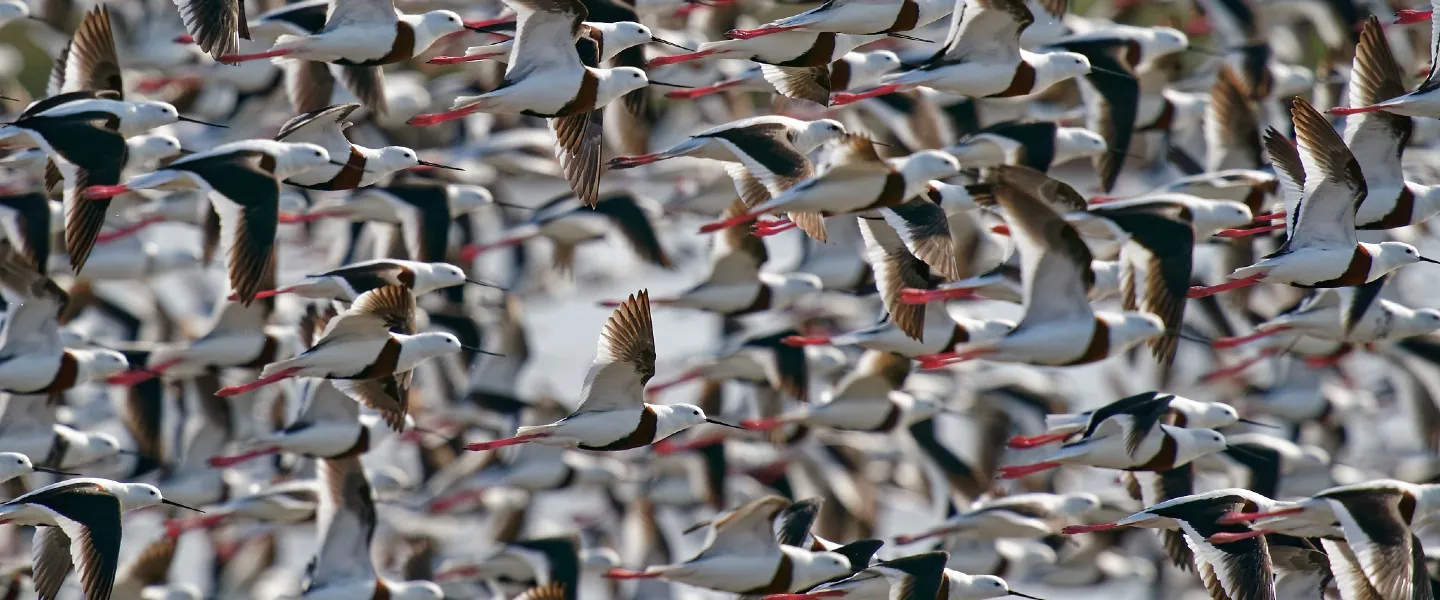
Credit: birdlife.org.au

Credit: www.facetsjournal.com
Frequently Asked Questions
What Is A Network Approach In Bird Conservation?
A network approach studies connections between habitats and migratory routes. It helps identify key sites crucial for bird survival and guides targeted conservation efforts efficiently.
How Does This Approach Improve Conservation Strategies?
By mapping bird movements and habitat links, it prioritizes critical areas. This method optimizes resource allocation and enhances protection of vital migratory corridors.
Why Prioritize Migratory Birds In Conservation Efforts?
Migratory birds connect ecosystems and indicate environmental health. Protecting them ensures biodiversity, supports ecosystem services, and maintains natural balance across regions.
What Data Is Used In The Network Approach?
Researchers use satellite tracking, bird banding, and habitat mapping data. These data reveal movement patterns and habitat importance to inform conservation priorities.
Conclusion
Protecting migratory birds needs smart planning and strong actions. A network approach shows where efforts matter most. It helps save habitats along migration paths. This method uses data to guide decisions clearly. Communities, scientists, and leaders can work together better.
Every small step helps birds survive and thrive. Conservation is a shared responsibility for us all. Keeping these birds safe keeps nature balanced too. Let’s support efforts that protect their journeys. The future of migratory birds depends on wise choices today.