

Have you ever wondered where conservation birds find safe places to live and thrive? If you care about protecting nature and want to learn how these special birds are being saved, you’re in the right place.
Understanding where conservation birds live can help you appreciate their struggles and the efforts made to protect them. Keep reading, and you’ll discover surprising facts that might change the way you see our feathered friends forever.
Bird Habitats Worth Saving
Protecting bird habitats helps keep many species safe and healthy. Conservation areas offer birds places to live, eat, and breed. Saving these spaces supports nature and balances the environment.
Bird Habitats Worth Saving Birds are enchanting creatures, gracing our skies with their vibrant colors and melodious tunes. Yet, their habitats are under threat, and it’s crucial to protect these natural sanctuaries. By preserving bird habitats, we ensure the survival of countless species, maintaining the delicate balance of our ecosystems.Wetlands And Marshes
Wetlands and marshes are bustling with life, offering vital breeding grounds for numerous bird species. They act as nature’s water filters, purifying the water while providing a refuge for birds like herons and ducks. Imagine a world without the haunting call of a loon or the graceful flight of a stork—these wetlands are worth saving for future generations to enjoy.Forests And Woodlands
Forests and woodlands are home to an array of bird species, from the tiny, energetic chickadee to the majestic owl. These areas offer shelter and food, essential for bird survival. Have you ever felt the magic of a dawn chorus in a woodland? Protecting these habitats ensures that your children and grandchildren can experience this awe-inspiring symphony.Grasslands And Meadows
Grasslands and meadows are often overlooked, yet they are crucial for ground-nesting birds like quails and skylarks. These open spaces provide not just habitat but also critical food resources. Picture a summer day without the cheerful chirps of a meadowlark—preserving these areas is essential for biodiversity.Coastal And Marine Areas
Coastal and marine areas are teeming with life, supporting migratory birds like sandpipers and puffins. These habitats offer abundant food sources and resting spots for birds on long journeys. Have you ever watched a flock of seagulls dancing over the ocean waves? Saving these habitats ensures these beautiful scenes remain a part of our world. Each of these habitats plays an irreplaceable role in the survival of bird species. As a steward of the Earth, your actions can make a difference. How will you contribute to saving these vital bird habitats?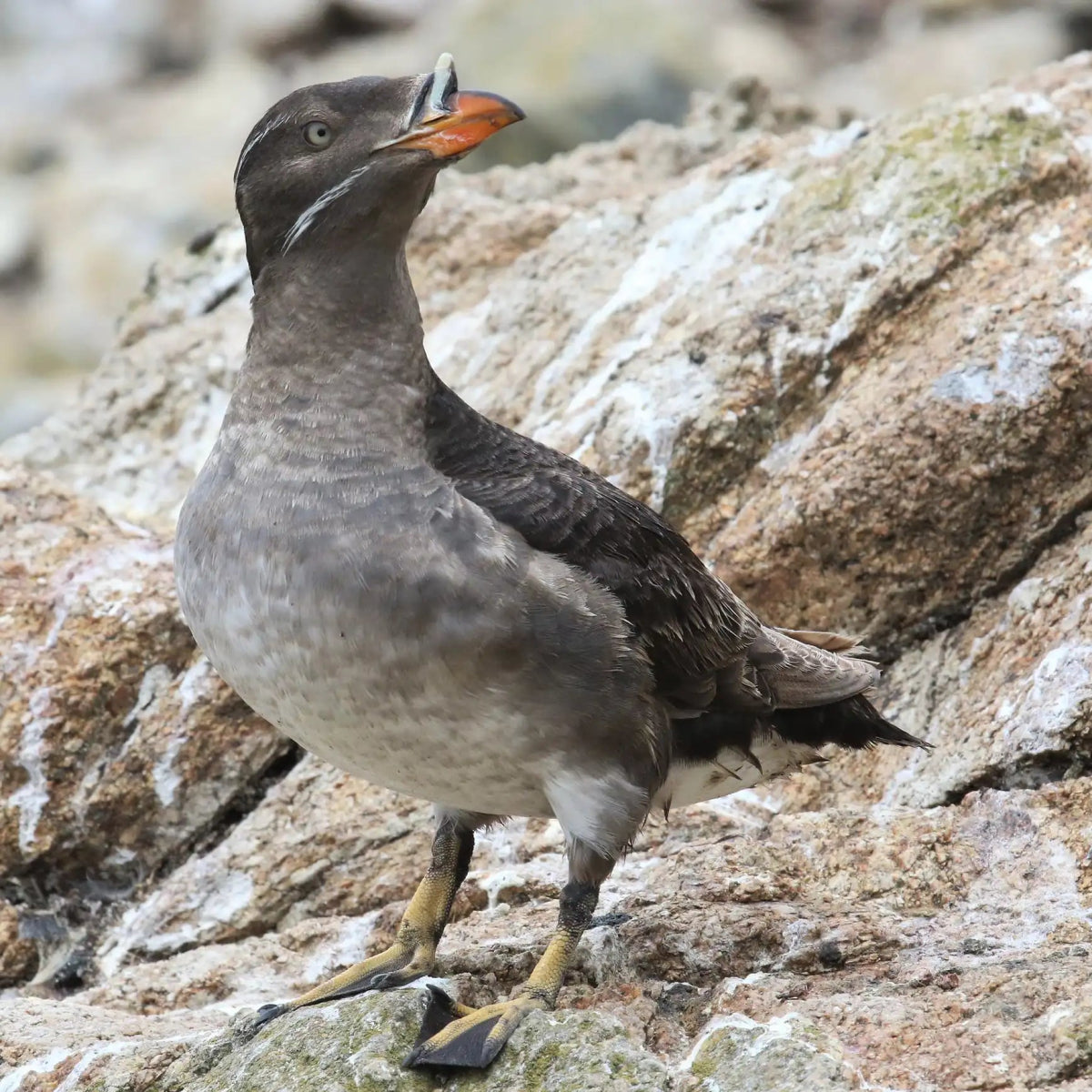
Credit: www.birdcollective.com
Threats To Bird Populations
Bird populations face many threats that put their survival at risk. These dangers come from human activities and natural changes. Understanding these threats helps in protecting birds and conserving their habitats. Below are the key challenges that affect bird populations worldwide.
Habitat Loss And Fragmentation
Birds need safe places to live, feed, and breed. Cutting down forests and building cities destroy these homes. Small patches of habitat make it hard for birds to find food and mates. Fragmented areas expose birds to predators and harsh weather.
Many species lose their nesting sites. Migration routes get blocked. Without large, connected habitats, bird numbers drop quickly.
Climate Change Effects
Changing weather patterns affect bird behavior and survival. Warmer temperatures shift food availability and breeding times. Birds may arrive too early or too late for food sources.
Storms and droughts become more frequent. These events can destroy nests and reduce food supplies. Some birds struggle to adapt to fast climate changes.
Pollution And Chemical Exposure
Pollution harms birds through poisoned water, air, and soil. Pesticides and chemicals enter the food chain, causing illness and death. Oil spills coat feathers, reducing insulation and flight ability.
Heavy metals and plastics also build up in bird bodies. These toxins weaken their immune systems and reduce reproduction rates.
Invasive Species Impact
Non-native animals and plants disrupt bird ecosystems. Invasive predators like rats and cats hunt eggs and chicks. Invasive plants change habitat structure and food sources.
Birds often cannot compete with new species for resources. This leads to population declines and loss of native species diversity.
Conservation Success Stories
Conservation success stories show how focused efforts can turn the tide for bird species once on the brink of extinction. These stories offer hope and a clear path for what you and others can achieve through dedication and smart strategies. They remind us that positive change is possible when science, community, and passion come together.
Endangered Species Recovery
Some bird species have made remarkable comebacks thanks to targeted recovery programs. The California condor is a prime example, rising from just 27 individuals in the wild during the 1980s to over 400 today. This success came from captive breeding, habitat protection, and careful monitoring.
What species in your area might benefit from similar focused efforts? Sometimes, small changes in habitat or protection can spark a big recovery.
Protected Area Establishment
Designating protected areas plays a huge role in conserving bird populations. The creation of reserves like the Danum Valley Conservation Area in Malaysia safeguards critical habitats for countless bird species. These areas limit human disturbance and provide safe breeding grounds.
Have you noticed how birds thrive in local parks or reserves? Supporting the creation or expansion of these spaces can directly help bird conservation.
Community-led Conservation Efforts
Communities often hold the key to lasting conservation success. In Costa Rica, local groups have taken charge of protecting the Scarlet Macaw by combining education with sustainable farming practices. This approach helps both birds and people coexist peacefully.
Could your community take similar steps? Engaging neighbors and local leaders can multiply the impact of conservation projects.
Innovative Research And Technology
Technology is changing how we protect birds. Satellite tracking helps researchers understand migration routes, while drones monitor nests without disturbing wildlife. Such tools provide data that guide smarter conservation decisions.
What new technologies could you support or learn about to help local bird conservation? Staying informed about innovations can keep your efforts effective and up to date.

Credit: www.ualberta.ca
How To Support Bird Conservation
Supporting bird conservation is more than just a good deed—it’s a chance to connect with nature and protect the incredible diversity of bird species around you. Small actions in your own space and community can create big changes. You don’t have to be an expert or spend a lot of money to make a real difference.
Creating Bird-friendly Spaces
Transform your garden or balcony into a haven for birds by adding native plants, fresh water sources, and safe nesting spots. Think about the types of birds in your area and what they need to thrive—food, shelter, and protection from predators.
Simple changes like avoiding pesticides and providing bird feeders during harsh seasons can help birds survive and reproduce. Have you noticed how birds respond when you add a birdbath or plant a flowering shrub? These small steps invite more bird visitors to your space.
Participating In Citizen Science
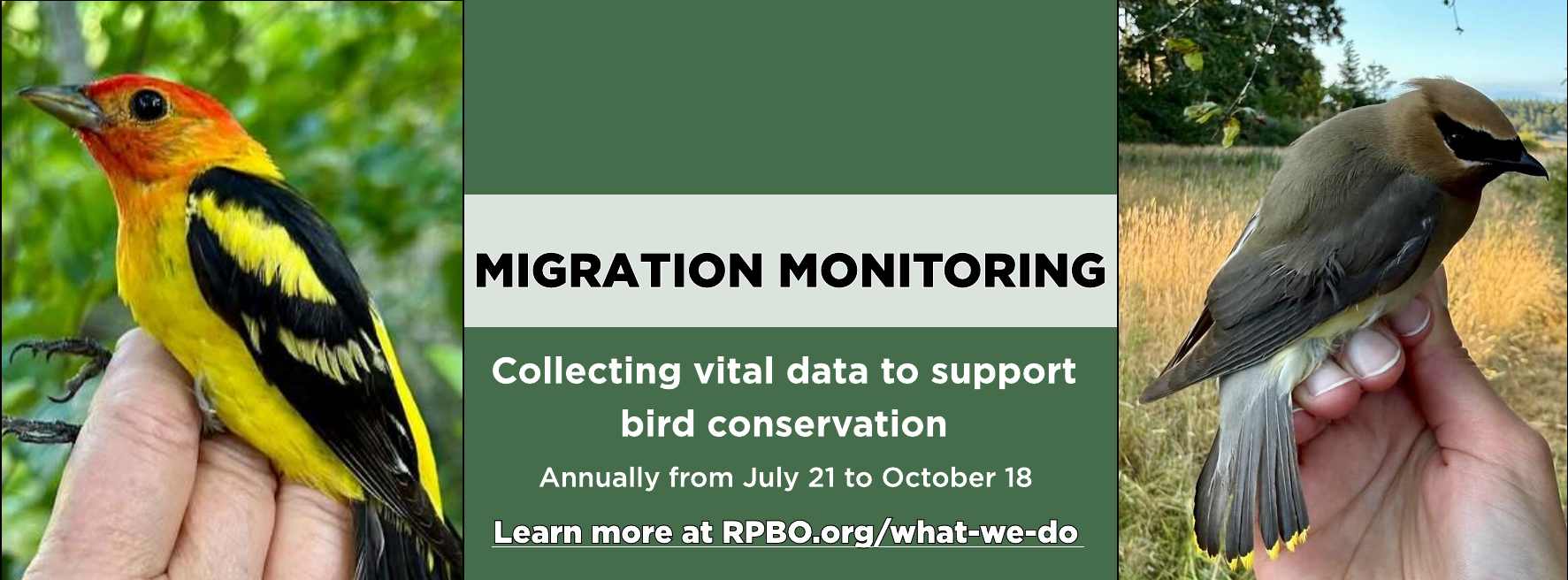
Join community projects that track bird populations and migration patterns. By reporting your sightings through apps or local birdwatching groups, you contribute valuable data that scientists use to understand and protect birds.
You might be surprised how much your casual observations matter. Tracking just a few species can help reveal trends that guide conservation efforts. What bird did you see on your last walk? Sharing that info could help save its future.
Supporting Conservation Organizations
Donate to or volunteer with groups dedicated to bird conservation. These organizations work on habitat restoration, research, and education, often relying on public support to continue their efforts.
Your support can fund projects that protect endangered species or create protected reserves. Think about which causes resonate with you most—whether it’s saving wetlands, forests, or urban bird habitats—and get involved.
Advocating For Policy Changes
Speak up for policies that protect birds and their habitats at local, national, or global levels. Contact your representatives, sign petitions, or join advocacy campaigns focused on environmental laws and land use.
Policies can shape the future of bird conservation far beyond your backyard. How often do you consider the impact of legislation on wildlife? Your voice can influence decisions that secure safe environments for birds to live and migrate.
Future Of Bird Protection
The future of bird protection depends on innovative approaches that can adapt to changing environments and human impacts. It requires a mix of new ideas, education, partnerships, and smart planning. You have a role to play in shaping how we protect these vital creatures.
Emerging Conservation Strategies
New technologies like drones and satellite tracking are helping scientists monitor bird populations more closely than ever. These tools provide real-time data, allowing faster responses to threats like habitat loss or poaching.
Community-led conservation is gaining ground. When local people take charge, conservation efforts become more effective and sustainable. Have you ever joined a local birdwatching group? It’s a powerful way to support these strategies firsthand.
Role Of Education And Awareness
Raising awareness about bird conservation starts with education. Schools and social media campaigns can teach people why birds matter and how to protect them.
Simple actions like creating bird-friendly gardens or avoiding plastics can make a big difference if enough people get involved. What’s one change you could make today to help birds in your neighborhood?
Global Collaboration Efforts
Birds migrate across countries, so protection efforts must cross borders too. International agreements like the Migratory Bird Treaty help coordinate actions worldwide.
Scientists and governments now share data and resources more than ever. This cooperation speeds up problem-solving and creates unified conservation plans.
Balancing Development And Nature
Urban growth often clashes with natural habitats. The challenge is to find ways for cities and wildlife to coexist without one destroying the other.
Green spaces, wildlife corridors, and bird-safe building designs are practical solutions. How can your community encourage development that respects bird habitats?
Credit: rpbo.org
Frequently Asked Questions
What Are Conservation Birds And Why Protect Them?
Conservation birds are species at risk due to habitat loss or other threats. Protecting them preserves biodiversity and ecosystem balance. Conservation efforts help maintain healthy bird populations and prevent extinction.
Where Can I Find Conservation Birds Habitats?
Conservation birds live in protected areas like wildlife reserves, national parks, and wetlands. These habitats provide food, shelter, and breeding grounds vital for their survival.
How Do Conservation Programs Help Bird Populations?
Conservation programs focus on habitat restoration, legal protection, and public awareness. They reduce threats like poaching and pollution, ensuring bird populations grow and thrive sustainably.
Why Is Bird Conservation Important For The Environment?
Birds play key roles in pollination, seed dispersal, and pest control. Conserving birds supports healthy ecosystems and maintains natural processes essential for all wildlife.
Conclusion
Conservation birds play a big role in keeping nature healthy. They help plants grow and control pests naturally. Protecting their homes is important for many reasons. People can help by supporting clean environments and safe spaces. Every small step makes a difference for these birds.
Watching and learning about them brings joy to many. Let’s care for these birds and the world they live in. Together, we can keep our planet full of life and beauty.