

Have you ever wondered how you can make a real difference for the birds you see every day? Bird conservation might sound like a big challenge, but the truth is, your actions can have a huge impact.
Whether you have a backyard, a balcony, or just a few minutes to spare, there are simple and powerful ways you can help protect our feathered friends. Keep reading to discover easy steps you can take right now to support bird conservation and create a safer, healthier world for birds everywhere.
Your small efforts can lead to big changes.
Why Bird Conservation Matters
Birds are more than just enchanting creatures gracing our skies; they are vital to the health of our planet. Their presence in ecosystems is a clear indicator of environmental well-being. Yet, many bird species face unprecedented threats, making conservation efforts crucial for their survival.
Birds’ Role In Ecosystems
Birds are key players in maintaining the balance of our ecosystems. They help control pest populations, pollinate flowers, and disperse seeds, ensuring the growth of new plants. Imagine your favorite park without the chirping and fluttering of birds—less vibrant and more prone to pest infestations.
Birds also contribute to nutrient cycling by breaking down organic matter. Their activities enrich the soil, supporting plant life and, in turn, the entire food chain. Without birds, entire ecosystems could collapse, affecting humans directly.
Threats Facing Bird Populations
Bird populations are declining due to habitat loss, climate change, and pollution. Urban development often leads to the destruction of natural habitats, leaving birds with fewer places to live and breed. Have you noticed fewer birds in your neighborhood compared to a few years ago?
Climate change alters migration patterns and food availability, making survival more challenging for many species. Pollution, particularly plastic waste and pesticides, poses severe health risks to birds. Each threat is a call to action for us to make a difference.
Consider what steps you can take today to help protect these vital creatures. Can you start by minimizing your plastic use or supporting local conservation initiatives? Every small action contributes to a larger movement in safeguarding our feathered friends.
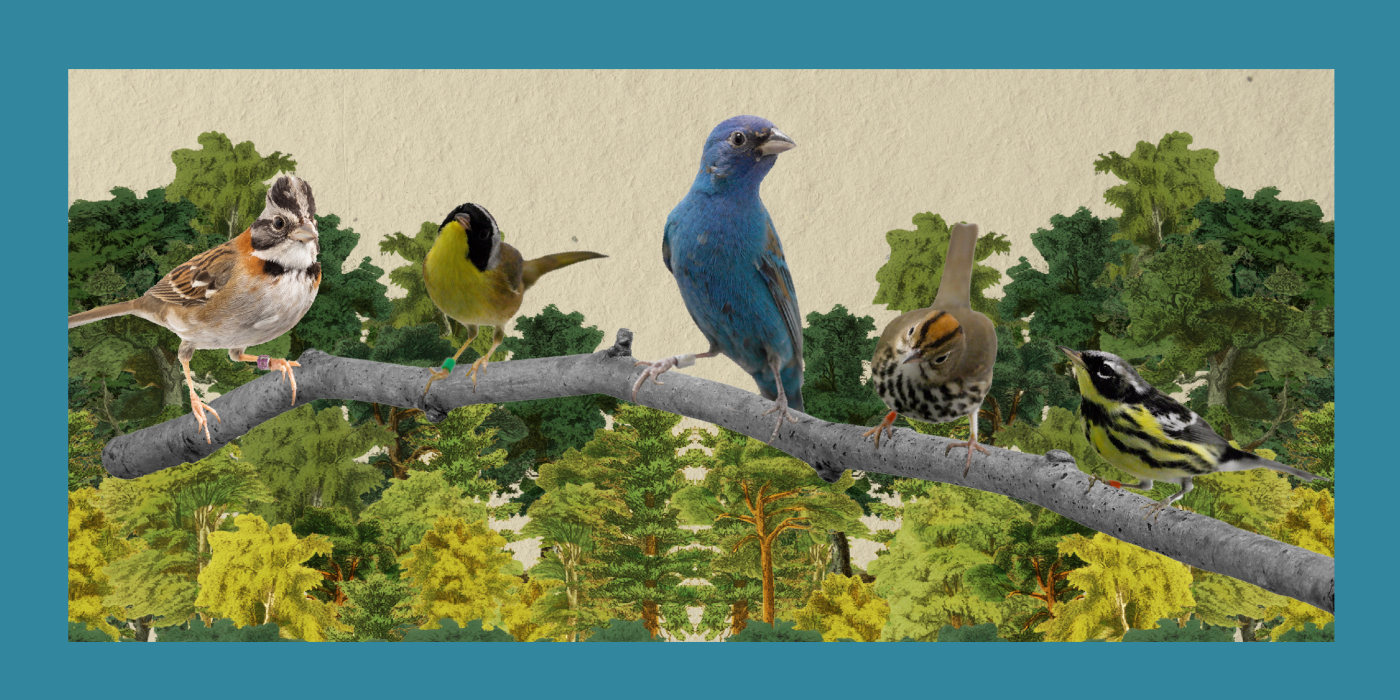
Credit: nationalzoo.si.edu
Creating Bird-friendly Spaces
Creating bird-friendly spaces helps protect local bird species and supports their survival. These spaces offer food, shelter, and safety from dangers. Small changes in your garden or yard can make a big difference for birds. Focus on natural elements and avoid harmful practices to invite birds to your area.
Planting Native Vegetation
Native plants provide the right food and shelter for local birds. They attract insects that birds eat and offer berries and seeds. These plants grow well without much care. Use trees, shrubs, and flowers that naturally belong to your region. This creates a familiar habitat for birds to thrive.
Providing Safe Nesting Sites
Birds need safe places to build nests and raise young. Leave some dead trees or branches standing if possible. Install birdhouses suited to species in your area. Avoid disturbing nests during breeding season. Safe sites help increase bird populations and protect eggs from predators.
Avoiding Harmful Chemicals
Chemicals like pesticides and herbicides harm birds and their food sources. Choose natural ways to manage pests and weeds. Chemical-free spaces keep insects healthy for birds to eat. Protecting birds means keeping their environment clean and safe.
Feeding Birds Responsibly
Feeding birds can help their survival, especially during cold or dry seasons. Feeding birds responsibly means choosing proper feeders, food, and keeping the area clean. This helps keep birds healthy and safe from diseases.
Choosing The Right Bird Feeders
Pick feeders that suit the types of birds in your area. Use feeders that keep food dry and safe from pests. Avoid feeders with sharp edges or small parts that can hurt birds. Place feeders where birds feel safe from cats and other predators.
Selecting Proper Bird Food
Offer natural foods that birds eat in the wild. Seeds like sunflower, millet, and safflower work well. Avoid bread and salty snacks because they harm birds. Change food types by season to meet birds’ needs.
Maintaining Clean Feeding Areas
Clean feeders every two weeks to stop mold and bacteria growth. Remove old or moldy food daily. Clear fallen seeds and bird droppings from the ground. Use mild soap and water for cleaning, then rinse well.
Reducing Hazards To Birds
Reducing hazards to birds is a vital part of bird conservation. Many birds face dangers around homes and cities. Simple actions can lower these risks and save lives. Small changes protect birds from common threats they meet daily.
Preventing Window Collisions
Birds often cannot see glass and fly into windows. This causes many injuries and deaths each year. You can make windows safer by:
- Placing decals or stickers on the outside glass
- Using screens or netting to break up reflections
- Closing blinds or curtains when not in use
- Installing window films that reduce glare
These actions make windows visible to birds and prevent crashes.
Keeping Cats Indoors
Domestic cats hunt birds easily. Many birds fall prey to free-roaming cats. Keeping cats inside reduces bird deaths. Indoor cats live safer, longer lives too. If cats go outside, use a harness or enclosed cat patio. This keeps birds safe and cats happy.
Minimizing Light Pollution
Bright lights confuse migrating and nocturnal birds. Artificial light can lead birds off course. Turn off unnecessary outdoor lights at night. Use motion sensors to limit light use. Choose low-intensity, warm-colored bulbs. Reducing light pollution helps birds navigate safely during migration.
Supporting Conservation Efforts
Supporting bird conservation goes beyond just admiring these creatures from afar. You can actively contribute to their survival and well-being through meaningful actions. Your involvement helps protect habitats, monitor populations, and fund important research.
Volunteering For Bird Projects
Volunteering offers a hands-on way to support birds. Many organizations need help with habitat restoration, bird banding, and nest monitoring. Even a few hours a month can make a big difference.
Imagine spending a morning planting native shrubs that provide food and shelter for local birds. Not only does this help the environment, but it also connects you with nature in a deeper way. Are there bird projects near you that could use your time?
Donating To Conservation Organizations
Financial support allows conservation groups to operate effectively. Donations fund research, habitat protection, and public education campaigns. You don’t need to give a lot; even small amounts add up when many people contribute.
Consider organizations like the Audubon Society, BirdLife International, or local wildlife trusts. Your gift can help save endangered species and protect critical ecosystems. What causes resonate most with you that would inspire you to donate regularly?
Participating In Citizen Science
Citizen science projects invite you to collect and share bird data. Activities like bird counts, migration tracking, and habitat surveys provide valuable information to scientists. Your observations can influence conservation policies and actions.
One popular example is the Christmas Bird Count, where thousands of volunteers count birds in their communities. Joining such efforts can sharpen your birdwatching skills and connect you with a passionate community. How could your daily outdoor time become a contribution to science?
Credit: www.audubon.org
Educating Others About Birds
Educating others about birds is a powerful way to support bird conservation. When you share what you know, you help others appreciate the importance of protecting these creatures and their habitats. Education sparks curiosity and motivates action, turning awareness into real-world impact.
Sharing Knowledge In Communities
Talking about birds in your local community can make a big difference. You might join or start a birdwatching group, host talks at schools, or organize nature walks. These activities create opportunities for hands-on learning and build a network of people who care.
Imagine explaining the role of birds in pest control or pollination to neighbors who never thought about it before. Suddenly, they see birds as more than just pretty animals—they become vital parts of the ecosystem worth protecting.
Have you considered volunteering at community centers or libraries to give presentations? Simple actions like these raise awareness and encourage others to take part in conservation efforts.
Using Social Media For Awareness
Your social media platforms can be a powerful tool for spreading bird conservation messages. Posting photos, facts, and stories about birds can reach a wide audience quickly and inspire action.
Try sharing updates about local bird sightings or conservation projects you’re involved in. This personal touch makes the information relatable and encourages others to get involved.
Have you thought about creating short videos or live streams? These formats grab attention and allow you to answer questions in real time, making education interactive and engaging.
Remember, consistency is key. Regular posts keep the conversation alive and help build a community of bird lovers who support conservation.

Credit: theconsciousgroup.com
Frequently Asked Questions
How Can I Create A Bird-friendly Garden?
Plant native trees and shrubs to provide food and shelter. Avoid pesticides and offer fresh water sources. Use bird feeders and nesting boxes to attract birds safely.
What Are The Best Foods To Feed Wild Birds?
Offer seeds like sunflower, millet, and nyjer. Avoid bread and processed foods. Fresh fruits and suet also provide essential nutrients for birds.
How Does Reducing Plastic Help Bird Conservation?
Plastic waste harms birds through ingestion and entanglement. Reducing plastic use minimizes pollution in their habitats and protects their health and survival.
Can I Participate In Bird Monitoring Programs?
Yes, join local bird counts or citizen science projects. Reporting sightings helps track bird populations and guides conservation efforts effectively.
Conclusion
Helping birds stay safe is important for nature and us. Small actions like feeding birds or planting native flowers make a difference. Protecting habitats and reducing waste also support bird life. Everyone can join in, no matter where they live.
Care for birds today to see them thrive tomorrow. Together, we keep their songs alive and skies full of life. It’s simple, and it matters.