
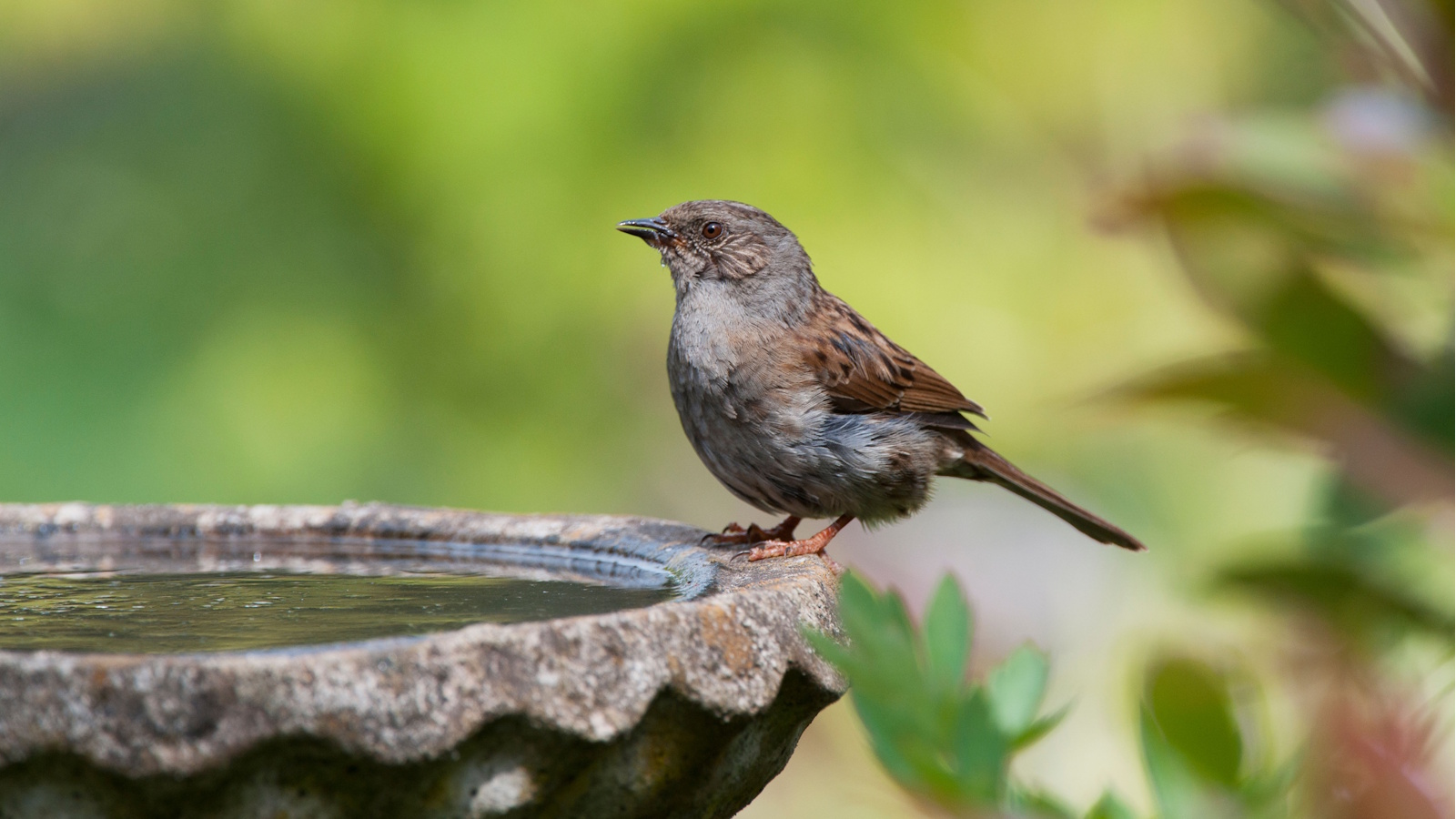
Have you ever wondered if sharing your leftover pasta with the birds in your backyard is safe? You might think it’s a harmless treat, but not all human foods are good for our feathered friends.
If you care about the birds visiting your garden, it’s important to know what you can and cannot feed them. Keep reading to discover the surprising truth about feeding birds pasta and how to keep your winged visitors healthy and happy.
Pasta And Birds: Basic Facts
Feeding birds pasta might sound unusual, but it’s a question many bird lovers ask. Understanding the basics can help you decide if pasta is a safe and healthy treat for your feathered friends. Let’s break down what you need to know about pasta and birds.
Types Of Pasta Birds Can Eat
Not all pasta is created equal when it comes to feeding birds. Simple, plain pasta without any sauces, salt, or seasoning is the safest choice. Cooked pasta is easier for birds to digest than dry, hard pasta.
- Small shapes like macaroni or orzo work well for smaller birds.
- Larger shapes like penne or fusilli suit bigger birds but should be broken into smaller pieces.
- Avoid flavored or colored pasta, as additives can harm birds.
I once offered plain cooked spaghetti to backyard sparrows, and they eagerly pecked at it. This shows that birds can enjoy pasta if prepared correctly.
Nutritional Value Of Pasta For Birds
Pasta provides carbohydrates, which give birds a quick energy boost. However, it lacks essential proteins, fats, vitamins, and minerals birds need daily. Relying solely on pasta can lead to nutritional deficiencies.
| Nutrient | Role for Birds | Presence in Plain Pasta |
|---|---|---|
| Carbohydrates | Energy source | High |
| Protein | Growth and repair | Low |
| Fat | Energy and insulation | Low |
| Vitamins & Minerals | Overall health | Minimal |
Think about this: if you feed pasta, how will you balance your birds’ diet with other nutritious foods? Providing pasta as an occasional treat, not a staple, helps keep birds healthy and happy.
Credit: www.annies.com
Risks Of Feeding Pasta To Birds
Feeding pasta to birds might seem harmless, but it carries risks. Birds have sensitive digestive systems that do not process human foods well. Pasta lacks essential nutrients birds need to stay healthy. Over time, feeding pasta can cause health problems and harm wild bird populations.
Potential Health Issues
Pasta is mostly carbohydrates and low in vitamins and minerals. Birds need a balanced diet with seeds, fruits, and insects for proper growth. Feeding pasta regularly can lead to:
- Malnutrition due to lack of nutrients
- Digestive problems from hard-to-digest starches
- Obesity from high-calorie, low-nutrient food
Young birds are especially vulnerable to these health issues. Pasta can also disrupt their natural feeding habits, causing dependency on unnatural foods.
Dangers Of Seasoned Or Sauced Pasta
Seasoned or sauced pasta poses greater risks. Ingredients like salt, garlic, onion, and spices are toxic to birds. These additives can cause:
- Poisoning leading to organ damage
- Dehydration from salty sauces
- Digestive upset and irritation
Many sauces contain oils and preservatives harmful to birds. Avoid giving birds any pasta with sauces or seasoning. Plain, cooked pasta is still not ideal but safer than seasoned types.
Safe Ways To Offer Pasta
Offering pasta to birds requires care to keep them safe and healthy. Pasta is not a natural food for birds. It can be given only in small amounts and must be prepared correctly. Knowing how to serve pasta properly helps avoid harm to birds.
Preparing Pasta For Birds
Use plain pasta with no sauce, salt, or spices. Cook pasta until soft. Hard pasta is difficult for birds to eat. Let pasta cool completely before offering it. Cut large pasta pieces into small bits. Small pieces are easier to handle and swallow. Avoid pasta with oil, butter, or cheese. These can upset a bird’s stomach.
Portion Control And Frequency
Feed pasta only as an occasional treat. Pasta should not replace a bird’s regular diet. Offer tiny portions, about a teaspoon or less. Too much pasta can cause digestive problems. Limit pasta feeding to once or twice a week. Always watch how birds react after eating pasta.
Credit: www.reallywildbirdfood.co.uk
Alternative Bird-friendly Foods
If you’re wondering about feeding birds pasta, you might want to explore other options that offer better nutrition and safety. Birds need foods that support their health and energy, which not all human foods can provide. Offering bird-friendly alternatives can make your backyard visitors happier and healthier.
Fruits And Vegetables
Birds enjoy a variety of fruits and vegetables that are easy to find and prepare. You can offer small pieces of apples, berries, or grapes—just remove any seeds that could be harmful. Soft vegetables like peas, corn, and chopped carrots are also great choices that many birds love.
Have you noticed how birds react to fresh fruit? In my experience, they often prefer colorful fruits over dry seeds. Adding these to your bird feeder can attract a wider variety of species, giving you a richer birdwatching experience.
Seeds And Nuts
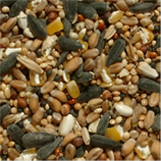
Seeds are a staple in many bird diets, and different types attract different species. Black oil sunflower seeds are a favorite for many birds due to their high fat content and thin shells. Peanuts, shelled and unsalted, provide essential proteins and fats but avoid salted or flavored varieties that can harm birds.
Try mixing seeds like millet, safflower, and nyjer to create a diverse menu for your feathered friends. This variety not only keeps birds coming back but also helps you learn which seeds your local birds prefer most.
Why Birds Might Like Pasta
Birds often try new foods in their environment. Pasta can attract them because it offers something different from their usual diet. Its shape, texture, and mild taste might catch their interest. Understanding why birds might like pasta helps us feed them safely and enjoy watching them.
Texture And Taste Appeal
Pasta has a soft and chewy texture that many birds find pleasant. It is easy to peck at and swallow. The mild flavor does not overwhelm their taste buds. This makes pasta a gentle treat for birds that prefer simple foods. Cooked pasta holds moisture, which birds also need. The variety of shapes can make feeding more fun for both birds and watchers.
Curiosity And Foraging Behavior
Birds are naturally curious and explore new food sources. Pasta looks different from seeds or insects they usually eat. This difference triggers their interest to investigate. Birds enjoy foraging, which means searching for food actively. Offering pasta can stimulate their natural behavior. They peck, grab, and sometimes carry pieces away. This activity helps keep birds healthy and mentally active.

Credit: www.reddit.com
Observing Birds After Feeding Pasta
Watching birds after you feed them pasta can be both rewarding and informative. It lets you see firsthand how they react to this unusual food and helps you understand their health better. Paying close attention to their behavior and appearance gives clues about whether pasta suits them or not.
Signs Of Good Health
Healthy birds usually stay active and alert after eating. You might notice them preening their feathers or chirping happily. Their plumage looks bright and well-kept, and they move with ease.
Another sign is regular eating and drinking habits. If birds come back for more pasta or other food, it often means they feel good. Clear eyes and steady breathing also show they’re doing well.
Warning Signs To Watch For
Be cautious if you see birds acting sluggish or avoiding food after eating pasta. Loss of appetite and fluffed-up feathers can indicate discomfort or illness. Sudden changes in behavior like excessive scratching or difficulty flying are red flags.
Keep an eye on droppings, too. Unusually watery or discolored droppings may signal digestive issues. If you notice any of these signs, it’s best to stop feeding pasta and offer more natural bird foods instead.
Frequently Asked Questions
Can Birds Safely Eat Cooked Pasta?
Yes, birds can eat cooked pasta in small amounts. Plain pasta without sauces or seasoning is best. Avoid feeding birds pasta with salt, garlic, or onions, as these can be harmful.
Is Pasta Nutritious For Wild Birds?
Pasta provides carbohydrates but lacks essential nutrients birds need. It should only be an occasional treat, not a main food source. Offer a balanced diet including seeds, fruits, and insects for healthy birds.
What Types Of Pasta Can Birds Eat?
Plain, cooked pasta like spaghetti or macaroni is safe for birds. Avoid pasta with added sauces, cheese, or spices. Always serve pasta plain and in small portions to prevent digestive issues.
Can Feeding Birds Pasta Cause Health Problems?
Feeding excessive pasta can cause nutritional imbalances and obesity in birds. Pasta alone doesn’t meet birds’ dietary needs. Moderation and variety are key to keeping birds healthy.
Conclusion
Feeding birds pasta can be a fun experience. It offers them variety. Yet, moderation is key. Too much pasta isn’t good. Birds need balanced nutrition. Pasta lacks essential nutrients. Always cook pasta soft. Avoid sauces and seasonings. Fresh fruits and seeds are better.
They provide necessary vitamins. Observe birds’ reactions carefully. Notice their health and behavior. Consider consulting a vet for advice. Ensure your bird friends stay healthy. A balanced diet keeps them chirpy and active. So, make informed choices for their meals.
Happy bird feeding!