

Have you ever noticed tiny footprints around your bird feeder and wondered if mice are the culprits? If you’re trying to enjoy watching birds without unwanted visitors stealing the food, you’re not alone.
Mice can quickly turn your bird feeder into their personal buffet, leaving you frustrated and feeding the wrong guests. You’ll discover why mice are attracted to bird feeders, how they get there, and what you can do to keep your feeder for the birds only.
Keep reading to protect your feeder and enjoy your feathered friends without interruption.

Credit: medium.com
Mice And Bird Feeders
Bird feeders attract many creatures, not just birds. Mice often visit these feeders. They find food scraps and seeds easy to access. This can cause problems for those wanting to feed birds only. Understanding why mice come to feeders helps manage the issue better.
Why Mice Are Attracted To Feeders
Mice look for easy food sources. Bird feeders provide seeds and crumbs. These are high in calories and easy to find. Feeders near bushes or ground offer shelter too. Mice feel safe while eating there. The quiet and steady food supply keeps them coming back.
Types Of Bird Feeders Mice Prefer
- Ground feeders: Seeds spill on the ground, attracting mice.
- Tray feeders: Open trays make seeds easy for mice to reach.
- Platform feeders: Flat surfaces allow mice to climb and eat.
Feeders with small holes or cages limit mice access. Tube feeders with weight-sensitive perches help too. Choosing the right feeder can reduce unwanted visitors.
Common Foods Mice Target
Mice are drawn to bird feeders by the tempting foods stored inside. Their diet is flexible, allowing them to consume a variety of seeds and other edibles. Understanding the common foods mice target helps in managing their presence near feeders.
Seeds That Attract Mice
Many seeds in bird feeders appeal to mice. These seeds are easy to handle and rich in nutrients.
- Sunflower seeds: High in fat and calories, perfect for mice.
- Millet: Small and easy to eat, a favorite snack.
- Cracked corn: Soft and filling, attracts many rodents.
- Safflower seeds: Mice enjoy these despite being less popular with some birds.
Other Edibles Found In Feeders
Besides seeds, mice look for other food types in feeders. These foods add variety to their diet.
- Suet: Fatty and energy-dense, very appealing to mice.
- Peanut butter: Sticky and tasty, often used in feeders.
- Dried fruit: Sweet and chewy, a good energy source.
- Grains: Oats and wheat attract mice too.
How Mice Access Bird Feeders
Mice are small but skilled creatures that find ways to reach bird feeders. Their natural agility and curiosity help them access food meant for birds. Understanding how mice get to bird feeders can help protect your bird food and keep mice away.
Climbing And Jumping Techniques
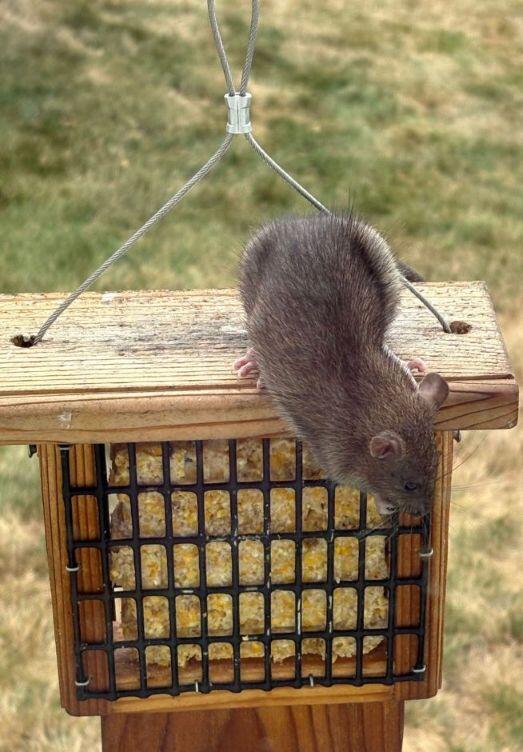
Mice use their strong legs and sharp claws to climb poles and trees. They can jump high distances relative to their size. This allows them to reach feeders hanging from branches or poles. Mice often climb supports like fences and nearby plants. Their small size lets them slip through narrow spaces during climbs.
Entry Points On Feeders
Many bird feeders have openings or gaps. These spots let mice squeeze inside to reach seeds. Feeders with large feeding ports or loose lids are easy targets. Mice can also enter through holes made by wear or damage. Feed trays and bottoms of feeders often have space for mice to hide and eat.
Impact On Birds And Feeders
Understanding the impact of mice on birds and bird feeders is crucial for anyone who enjoys feeding wild birds. Mice not only compete with birds for food but also cause damage to the feeders themselves. This can disrupt your birdwatching experience and affect the health and safety of visiting birds.
Competition For Food
Mice are quick and clever at finding their way to bird feeders. They often eat a significant amount of birdseed, leaving less food for the birds you want to attract.
This competition can reduce the variety and number of birds visiting your feeder. Have you noticed fewer birds at your feeder after a mouse invasion? That’s because mice consume the seeds rapidly and sometimes spoil the feed with their droppings.
To protect the birds, consider using feeders designed to limit access to smaller animals or place feeders in spots harder for mice to reach.
Damage To Feeders
Mice don’t just steal food; they also damage feeders. Their sharp teeth can chew through plastic and wooden feeders, creating holes or breaking parts.
This damage can make feeders unusable or unsafe for birds. For example, a chewed perch might collapse when a bird lands, causing injury.
Regularly inspect your feeders for signs of gnawing and repair or replace damaged parts promptly. Using metal feeders or adding protective cages can also reduce damage from mice.
Preventing Mice From Eating Bird Food
Preventing mice from eating bird food helps keep your feeder clean and your garden healthy. Mice find bird feeders an easy food source. They can quickly empty feeders and cause damage. Taking steps to stop mice saves bird seed and avoids pest problems.
Feeder Designs That Deter Mice
Choose feeders made with materials mice dislike. Metal feeders with smooth surfaces prevent mice from climbing. Feeders with weight-sensitive perches close when heavy animals like squirrels or mice try to feed. Hopper feeders with seed trays keep seed away from the ground, reducing easy access.
Placement Tips To Avoid Mice
Place feeders away from walls, fences, and low branches. Mice use these as pathways to reach food. Hang feeders at least 5 feet off the ground. Use a pole with a smooth baffle that stops mice from climbing. Keep the area under feeders clean to avoid leftover seeds attracting rodents.
Using Natural Repellents
Natural repellents help keep mice at bay without chemicals. Sprinkle cayenne pepper or crushed red pepper around the feeder base. Mice dislike strong smells. Planting mint or lavender near feeders also deters mice. These plants smell strong and are safe for birds.

Credit: www.devonlive.com
Alternative Feeding Strategies
Alternative feeding strategies help protect bird feeders from unwanted visitors like mice. These methods focus on feeding birds effectively while minimizing the chances of attracting rodents. Using smart techniques can keep your garden clean and safe for birds.
Feeding Birds Without Attracting Mice
Choose bird seeds that mice dislike. Nyjer and safflower seeds are less appealing to rodents. Use feeders designed to limit seed spillage. Seed spills on the ground invite mice quickly.
Place feeders away from bushes or walls. Mice use these areas to hide and approach feeders safely. Keep the feeding area clean by regularly removing dropped seeds and husks. This reduces food sources for mice.
Safe Feeding Practices
- Use metal or plastic feeders instead of wooden ones. Mice can chew through wood easily.
- Install baffles on feeder poles. These act as barriers to stop mice climbing up.
- Feed birds during daylight hours only. Remove leftover food at night to reduce attraction.
- Store extra bird seed in sealed containers. Keep seeds dry and inaccessible to rodents.
- Clean feeders regularly with mild soap and water. This discourages mold and pests.
Credit: www.mass.gov
Frequently Asked Questions
Do Mice Get Attracted To Bird Feeders?
Yes, mice can be attracted to bird feeders. They are drawn by the seeds and crumbs that fall. Keeping the area clean and using squirrel-proof feeders can help deter them. Mice are opportunistic feeders, so minimizing spills is essential to prevent their visits.
How Can I Stop Mice From Eating Bird Seed?
To prevent mice, regularly clean up fallen seeds. Use feeders with trays or baffles to catch spills. Store bird seed in airtight containers away from reach. Placing feeders on poles with baffles can also deter climbing mice.
Do Mice Harm Birds At Feeders?
Mice generally do not harm birds at feeders. However, their presence can attract predators. They can also lead to contamination of the feeding area. Ensuring a clean environment and using pest-proof feeders can help maintain bird safety.
Are There Bird Feeders That Mice Can’t Access?
Yes, there are mouse-proof bird feeders available. These feeders are designed to prevent small rodents from accessing seeds. Look for feeders with weight-sensitive perches or cages. Placing feeders strategically can also minimize mouse access.
Conclusion
Mice often eat seeds from bird feeders. They find easy food and shelter nearby. This can annoy bird lovers and harm birds’ food supply. Protect feeders by using mouse-proof designs or placing feeders away from mouse paths. Keep the area clean to avoid attracting mice.
Watching birds without unwanted visitors is possible. Small steps help keep mice away and birds happy. Stay patient and try different ways to protect your feeders. Enjoy nature without sharing food with mice.