

Have you ever stopped to think about what happens when you feed wild birds? It might seem like a kind and harmless act, but the truth is, giving food to wild birds can actually harm them more than help.
You care about nature and want to make a positive difference, so understanding why feeding wild birds is not a good idea is important. Keep reading to discover surprising facts that will change how you see this common practice—and learn how you can truly support your feathered neighbors in a safe and healthy way.
Why Avoid Feeding Wild Birds
Feeding wild birds may seem kind, but it often causes harm. Many people do it to help birds survive. Yet, this act can create serious problems for their health and habits. Understanding why avoiding feeding wild birds matters helps protect these creatures and nature.
Impact On Bird Health
Wild birds need natural food for good health. Human food can lack important nutrients. Bread and junk food cause malnutrition and illness. Birds eating unhealthy food become weak and vulnerable. They may stop searching for their natural diet.
Disruption Of Natural Behavior
Feeding birds changes their natural habits. Birds may become dependent on easy food. They lose skills to find food in the wild. This dependence can lead to overcrowding in small areas. It also causes fights and stress among birds.
Spread Of Diseases
Feeding spots can become places where diseases spread. Birds gather close and share contaminated food. Germs and parasites pass quickly between birds. This can cause outbreaks and harm many birds. Clean, natural environments reduce disease risks.

Credit: projectcoyote.org
Environmental Consequences
Feeding wild birds may seem kind, but it causes serious environmental problems. Human food disrupts nature’s balance and harms local wildlife. Understanding these effects can help protect ecosystems.
Imbalance In Local Ecosystems
Feeding birds changes their natural habits. Birds rely on insects and seeds for food, not bread or processed snacks. This shift can reduce insect populations and affect plant growth. It also causes some bird species to grow too large in number. This unbalance can harm other animals and plants in the area.
Attracting Predators
Food left for birds attracts more than just birds. Predators like rats, raccoons, and cats come to the feeding spots. These animals can hunt birds and their eggs. The increased predator presence puts bird populations at risk. It also creates safety problems for other local wildlife.
Litter And Pollution Issues
Bird feeding often leads to leftover food and trash. Uneaten food rots and pollutes soil and water. Plastic wrappers and containers add to pollution. This waste harms plants, animals, and water quality. It also attracts pests and spreads disease.
Safer Ways To Support Birds
Supporting birds in your area doesn’t mean you have to feed them directly. In fact, there are safer, more natural ways to help birds thrive without risking their health or disrupting their natural behaviors. You can create a welcoming environment that encourages birds to visit and stay healthy all year round.
Creating Natural Habitats
Building a natural habitat in your yard or community space offers birds shelter and protection. Think about leaving some areas wild with leaf litter, fallen branches, and shrubs. These spots provide birds with safe places to hide from predators and find insects to eat.
I once stopped raking a corner of my garden and was amazed when a variety of birds started visiting regularly. It showed me how simple changes can make a big difference.
Planting Native Flora
Adding native plants to your garden gives birds the food and shelter they need without the risks of human-provided food. Native flowers, shrubs, and trees attract insects and produce seeds and berries that birds naturally eat. Plus, native plants require less water and care.
Have you noticed how some birds disappear when the seasons change? Planting native flora helps create a year-round food source that keeps them around.
Providing Clean Water Sources
Birds need fresh water for drinking and bathing, especially during hot or dry times. Installing a birdbath or shallow water feature in your yard encourages birds to visit safely. Make sure to clean the water regularly to prevent disease.
Even a small puddle or a dripping faucet can become a vital water source for birds nearby. Would you consider adding a water station today to see which birds come to visit?
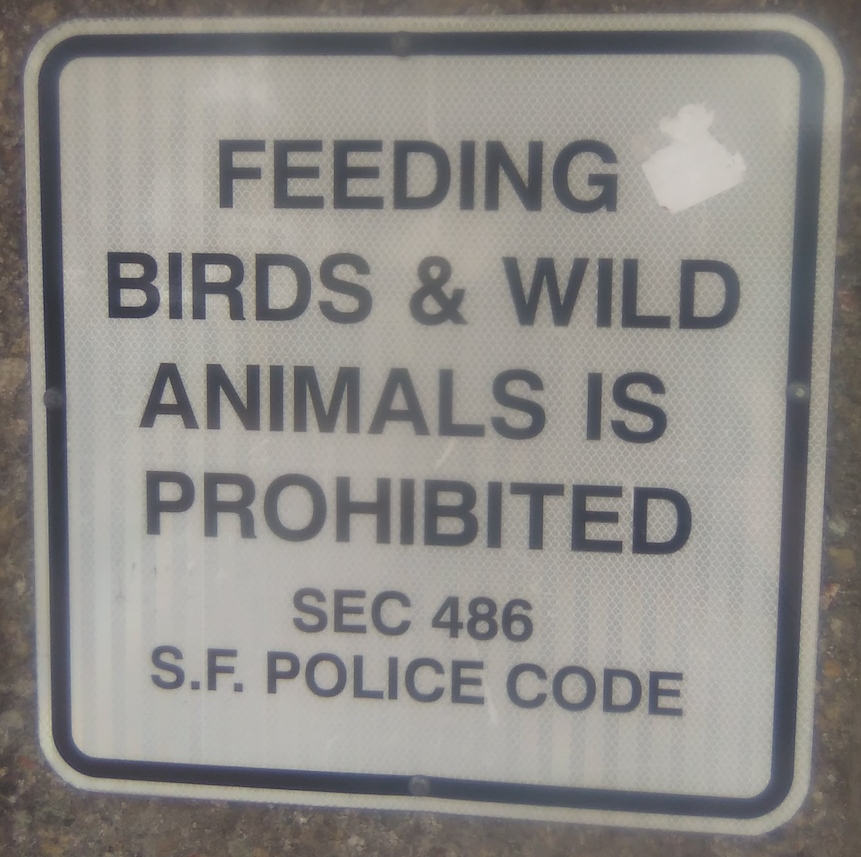
Credit: languagelog.ldc.upenn.edu
Community Actions For Bird Protection
Protecting wild birds requires effort from the whole community. Small actions by many people can make a big difference. Everyone can help keep birds safe and healthy by working together. Community involvement spreads awareness and encourages better habits around birds.
Educating Neighbors And Friends
Sharing facts about why feeding wild birds is harmful helps change habits. Explain how human food can hurt birds’ health and behavior. Use simple messages that are easy to remember and share. Encourage neighbors to watch birds without feeding them. Organize talks or distribute flyers in your neighborhood.
Participating In Local Conservation
Join local groups focused on protecting birds and their habitats. Help plant native trees and shrubs that provide natural food. Take part in clean-up events to keep bird areas safe. Support efforts to create bird-friendly parks and reserves. Your presence boosts community spirit and bird safety.
Reporting Harmful Feeding Practices
Notice someone feeding birds with bread or junk food? Report it to local wildlife authorities or community groups. Early action prevents long-term harm to birds. Authorities can educate or enforce rules about feeding wild birds. Your report helps protect the whole bird population in your area.
Common Myths About Feeding Birds
Many people believe feeding wild birds is always helpful. But some common ideas about bird feeding are not true. Understanding the facts can help you make better choices for the birds and the environment.
Feeding Helps Birds Survive Winter
Many think birds can’t survive cold months without human help. Actually, wild birds have evolved to find food even in winter. They store fat and change their behavior to handle the cold.
When you feed birds in winter, you may disrupt their natural habits. Some birds become dependent on feeders and lose their ability to find natural food. Have you noticed birds crowding around feeders and ignoring natural sources?
Birds Depend On Human Food
It’s easy to assume birds rely on seeds and scraps we provide. But wild birds thrive on a variety of foods in their natural habitat. Insects, berries, and native plants form the core of their diet.
Offering bread or processed snacks can harm birds. These foods lack proper nutrients and can cause illness. Think about whether your food offering truly benefits the birds or just satisfies your desire to help.
Feeding Prevents Bird Starvation
Starvation is a serious concern, but feeding birds doesn’t guarantee their survival. Nature has a balance, and many birds migrate or adapt to food scarcity. Artificial feeding can interfere with these survival strategies.
Instead of feeding birds, you can support them by planting native shrubs or providing clean water sources. This approach helps birds find natural food and stay healthy. What simple changes can you make in your garden to support wild birds?

Credit: www.youtube.com
Frequently Asked Questions
Why Shouldn’t We Feed Wild Birds?
Feeding wild birds can cause dependency on humans for food. It disrupts their natural foraging behaviors. This can lead to nutritional imbalances. It also increases the risk of spreading diseases among bird populations. It’s best to let them find their own natural food sources.
What Are The Dangers Of Feeding Wild Birds?
Feeding wild birds can lead to overcrowding in certain areas. This increases competition for food and space. It can also spread diseases and parasites among birds. Additionally, food left out can attract predators and pests, posing further risks.
How Does Feeding Affect Bird Migration?
Feeding can confuse birds about seasonal changes and migration patterns. Birds may delay or avoid migration due to easily available food. This can disrupt their natural life cycles and impact their survival. It’s important for birds to rely on their instincts for migration.
Can Feeding Birds Harm Their Health?
Yes, feeding birds can harm their health. Human food often lacks the nutrients birds need. It can lead to malnutrition and obesity in birds. Additionally, moldy or spoiled food can cause diseases. It’s better to allow birds to eat their natural diet.
Conclusion
Feeding wild birds may seem kind but can harm them. It changes their natural habits and makes them dependent. Birds might eat unhealthy food or face dangers from crowds. Let birds find their own food for better health. Enjoy watching them from a distance instead.
Protect nature by letting wildlife stay wild and free. Small actions can make a big difference for birds. Think twice before offering food next time you see wild birds.