
Have you ever wondered how migratory birds manage to travel thousands of miles without stopping for water? It’s a remarkable feat that goes beyond just strong wings and endurance.
These birds have clever ways to conserve water during their long flights, helping them survive harsh conditions and reach their destinations safely. If you want to uncover the secrets behind their incredible water-saving tricks, keep reading. Understanding this could change the way you think about nature’s amazing adaptations—and maybe even inspire you in your own challenges.
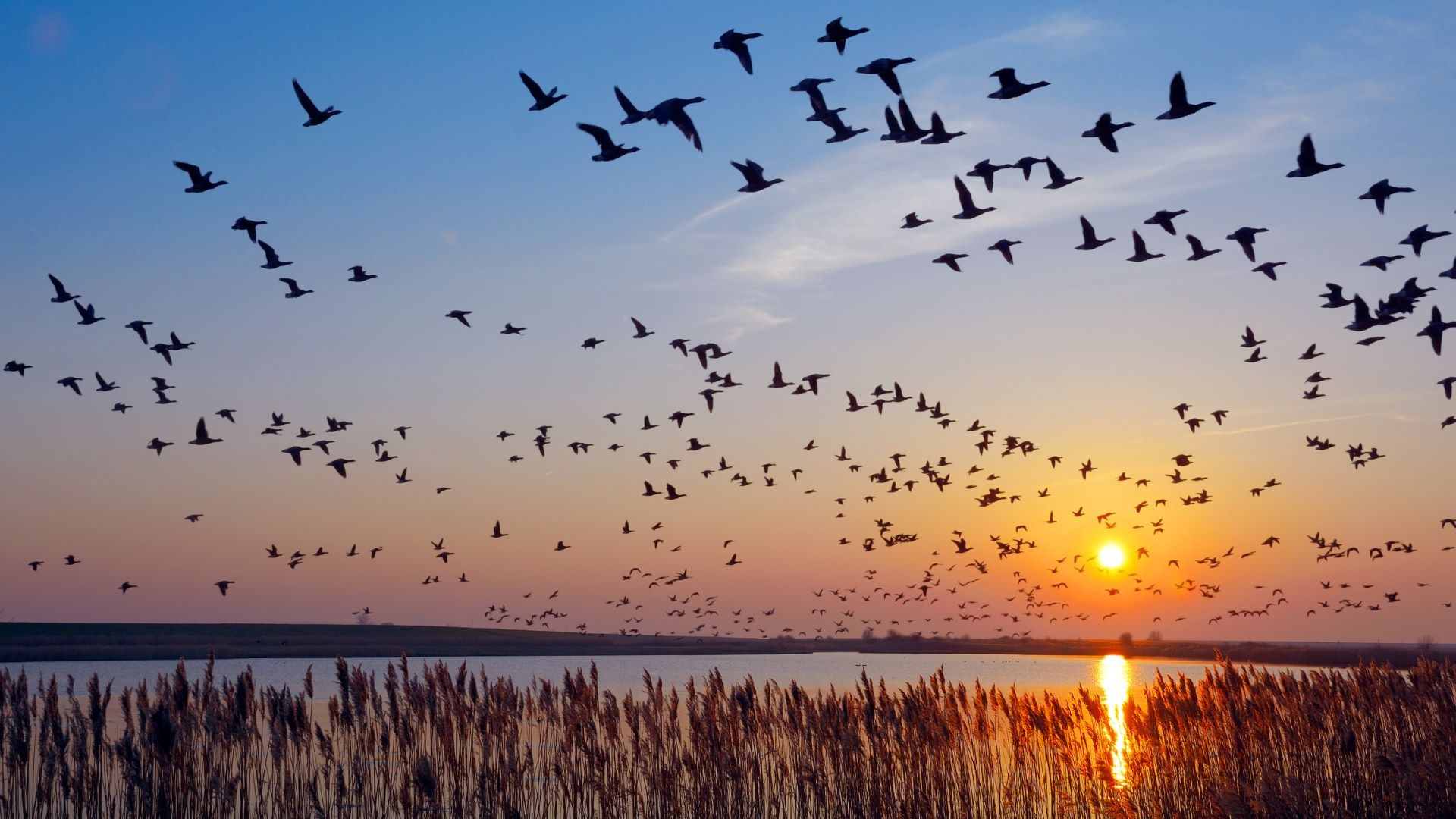
Credit: www.thecooldown.com
Water Challenges In Migration
Migratory birds save water by reducing sweat and using fat for energy during long flights. They also rest at water spots to rehydrate and stay strong.
Migratory birds embark on epic journeys across continents, facing numerous challenges along the way. One of the most significant hurdles they encounter is the need to conserve water during their long flights. Understanding these challenges can provide insights into the incredible adaptations of these avian travelers.Long-distance Flight Demands
The demands of long-distance flights are immense. Birds burn significant energy while flying, leading to increased metabolic rates. This energy expenditure necessitates water for cellular processes, making it crucial for birds to manage their water resources efficiently.Limited Water Availability
During migration, access to water is not always guaranteed. Birds often traverse vast stretches of oceans and deserts, where water sources are scarce. How do they cope when there’s no water in sight? They rely on internal water reserves and efficient physiological mechanisms to minimize water loss.Environmental Stress Factors
Environmental stressors like temperature extremes and wind patterns further complicate water conservation. High temperatures can lead to dehydration, while strong winds may force birds to exert more energy. These factors make it essential for birds to have adaptive strategies to maintain hydration levels during these challenging conditions. Consider how these birds manage to balance such demands. What lessons can you learn from their resilience and adaptability? Perhaps it’s a reminder to be resourceful and adaptable in your own life’s journey.
Credit: www.allaboutbirds.org
Physiological Adaptations
Migratory birds face extreme challenges during their long flights, especially when it comes to conserving water. Their bodies have developed remarkable physiological adaptations that help them stay hydrated even when water sources are scarce. Understanding these adaptations can give you insights into nature’s clever solutions for survival under tough conditions.
Efficient Kidney Function
Migratory birds have kidneys that work exceptionally well to conserve water. These kidneys filter waste with minimal water loss, producing highly concentrated urine. This process helps the birds maintain hydration without needing to drink frequently during their journey.
Have you ever wondered how they avoid dehydration while flying over vast deserts or oceans? Their kidneys remove salts and toxins efficiently, allowing water to be reabsorbed back into their system instead of being lost.
Water Retention Mechanisms
Water retention is another vital adaptation. Birds can reduce water loss through their skin and respiratory system by controlling evaporation. Small adjustments in breathing and body temperature also help limit water loss.
Think about how you might feel after a long, hot day—your body loses water through sweat and breath. Migratory birds manage this loss much better by minimizing evaporative water loss, which keeps them hydrated for longer.
Metabolic Water Production
Did you know that birds can create water inside their bodies? Through metabolizing fats, they generate metabolic water, which supplements their hydration needs. This internal water production is crucial during flights when external water is unavailable.
For example, fat-rich diets before migration fuel this process, giving birds an extra source of water. Could managing your own water intake and energy sources during intense activities benefit from a similar approach?
Behavioral Strategies
Migratory birds use smart behaviors to save water during long flights. These behaviors help them stay hydrated and strong. Birds adjust their actions based on weather, rest places, and daily heat. This section explores key behavioral strategies they use.
Timing Flights To Weather
Birds often fly during cooler parts of the day. Early mornings and late evenings have less heat and wind. This lowers water loss through breathing and skin. Avoiding the midday sun helps birds keep moisture inside their bodies. They also watch weather patterns to avoid storms and strong winds. Flying in calm weather reduces energy use and water needs.
Selecting Rest Stops With Water
Rest stops near water sources are vital for hydration. Birds choose wetlands, lakes, and rivers to drink and cool down. These spots allow quick water intake before continuing flights. Birds rest at these places to replenish lost fluids. Some species even plan routes to include water-rich stopovers. This careful selection helps maintain their water balance.
Minimizing Activity During Heat
Birds reduce movement during the hottest hours. Staying still lowers body temperature and water loss. They often perch in shaded trees or bushes to stay cool. Less activity means less sweating and breathing moisture loss. This simple behavior helps conserve precious water until cooler times return.

Credit: trt.global
Feather And Body Design
Migratory birds rely heavily on their feather and body design to save water during long flights. Their physical features help them reduce water loss and stay hydrated. These adaptations make flying over vast distances possible without needing constant water intake.
Feather Waterproofing
Birds have special oils that coat their feathers. This oil keeps feathers waterproof and prevents water from escaping. Waterproof feathers also reduce the need for birds to drink water frequently. The tight feather arrangement traps air, which helps maintain body moisture. This feature protects birds from drying out during flight.
Body Size And Shape Effects
Migratory birds often have streamlined bodies to reduce air resistance. Smaller surface areas help lower water loss through evaporation. Birds with compact bodies retain heat and moisture better. Their shapes support efficient flying, saving energy and water. These physical traits are vital for long migrations.
Reducing Water Loss Through Skin
Birds have skin that minimizes water loss. Their skin is tough and less porous than many animals. This prevents water evaporation during hot or dry conditions. Some species have scales on their legs and feet, limiting water loss there. These skin features are crucial for survival during long flights.
Role Of Diet In Hydration
The diet of migratory birds plays a crucial role in helping them conserve water during their long flights. What they eat directly affects their hydration levels and energy reserves. Understanding how diet supports hydration can change the way you think about these incredible travelers.
Moisture-rich Food Sources
Migratory birds often select foods that contain high water content. Fruits, berries, and succulent plants provide not only nutrients but also valuable moisture. This natural water intake reduces their need to drink directly from water bodies during migration.
Insects and small aquatic creatures also offer hydration along with protein. By choosing these foods, birds maintain fluid balance without interrupting their flight. Have you noticed how some birds pause to feed on juicy berries during migration stops? That’s no coincidence.
Energy And Water Balance
Energy and hydration go hand in hand for migratory birds. Foods rich in fats and carbohydrates supply energy but often contain less water. Birds balance this by mixing dry, energy-dense foods with moisture-rich ones.
This balance helps prevent dehydration while fueling their journey. It’s a delicate act—too much dry food can increase water loss through metabolism. Birds manage this by carefully selecting their diet based on availability and their hydration needs.
Foraging Patterns During Migration
Migratory birds adjust their feeding habits to maximize water intake. They often forage during cooler parts of the day to reduce water loss through evaporation. Some species even time their feeding with dew-covered plants or early morning moisture.
Stopover sites with abundant water-rich food become vital rest points. Birds prioritize these locations for refueling both energy and hydration. Have you ever wondered why certain wetlands attract huge flocks during migration? It’s all about meeting their dietary and water needs efficiently.
Technological Insights And Research
Understanding how migratory birds conserve water during long flights has fascinated scientists and bird enthusiasts alike. Recent technological advances and research methods have provided fresh insights into these birds’ hydration strategies. These findings help us appreciate the incredible adaptations that allow birds to endure harsh, water-scarce conditions during migration.
Tracking Water Use With Sensors
Scientists now use tiny sensors attached to birds to monitor their water use in real time. These devices measure body temperature, humidity, and water loss without disturbing the bird’s natural behavior. This technology reveals surprising details, such as how birds reduce water loss by adjusting their flight patterns and resting periods.
Imagine tracking a small bird flying thousands of miles and seeing exactly when it conserves water the most. This data helps you understand how critical water management is for survival on long journeys.
Laboratory Studies On Hydration
In controlled lab settings, researchers study how birds respond to dehydration and rehydration. They simulate flight conditions and observe physiological changes, like kidney function and hormone levels related to water retention. These studies show that birds can tolerate significant water loss and recover quickly once they find water sources.
Have you ever wondered how birds manage to stay so light and agile despite losing water? Lab research uncovers the biological tricks behind this, such as concentrating urine to minimize water loss and altering metabolism to reduce the need for water.
Implications For Conservation Efforts
Knowing how birds conserve water helps conservationists protect critical habitats along migratory routes. Areas that provide fresh water or moist food sources become priorities for preservation. Technology-driven research guides these efforts by pinpointing where and when birds are most vulnerable to dehydration.
If you care about helping migratory birds, consider supporting habitat conservation focused on water availability. Your awareness can influence policies that ensure these birds have the resources they need to complete their incredible journeys safely.
Frequently Asked Questions
How Do Migratory Birds Minimize Water Loss During Flights?
Migratory birds reduce water loss by producing concentrated urine and dry feces. They also use metabolic water from fat breakdown to stay hydrated. Their efficient respiratory system limits water vapor loss while flying long distances.
What Physiological Adaptations Help Birds Conserve Water?
Birds have specialized kidneys that reabsorb water efficiently. Their nasal glands excrete excess salts without losing much water. These adaptations enable birds to maintain hydration despite limited water intake during migration.
How Does Flight Behavior Affect Water Conservation?
Migratory birds often fly at altitudes with cooler temperatures and higher humidity. This reduces water loss through evaporation. They also alternate between soaring and flapping to conserve energy and minimize dehydration.
Can Diet Influence Water Conservation In Migratory Birds?
Yes, consuming water-rich foods like fruits and insects helps birds stay hydrated. Fat-rich diets also provide metabolic water during migration, reducing the need for external water sources.
Conclusion
Migratory birds save water in many smart ways during flights. They reduce water loss by resting at cool times and drinking when possible. Their bodies hold water tightly and use it wisely. These birds adapt well to long journeys over dry places.
Understanding their methods helps us appreciate nature’s balance. It also teaches us how animals survive tough conditions. Watching migratory birds shows the power of simple, natural strategies. Their survival depends on careful water use and strong instincts. Nature’s design works perfectly for their long travels.