

Have you ever found a tiny baby bird and wondered how long you should feed it? Knowing the right feeding time can make all the difference for your little feathered friend’s survival and growth.
Feeding a baby bird isn’t just about giving it food—it’s about giving it the chance to thrive. You’ll discover exactly how long to feed a baby bird and what signs to watch for so you can feel confident you’re doing the best for your new companion.
Keep reading to learn the simple steps that can save a life.
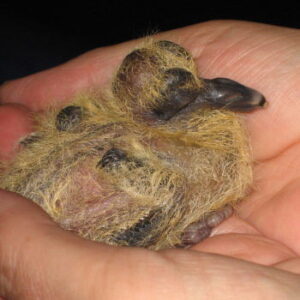
Credit: irishwildlifematters.ie
Feeding Frequency For Baby Birds
Feeding frequency is vital for the healthy growth of baby birds. They need regular meals to gain strength and develop properly. The number of feedings changes as birds grow. Understanding these changes helps provide the right care.
Newborn Feeding Schedule
Newborn baby birds require very frequent feedings. They eat every 15 to 20 minutes from dawn to dusk. This means about 8 to 12 times per hour during daylight. Their tiny bodies need constant energy to stay warm and grow. Missing feedings can cause serious health problems.
Changes As Birds Grow
As baby birds grow, their feeding frequency slows down. By the second week, feedings reduce to every 30 minutes. After about three weeks, they eat every hour or so. Older chicks start to eat less often but more food at each feeding. This change helps them prepare for independence.
Signs Baby Birds Are Full
- They stop opening their mouths wide for food.
- They become calm and less active.
- The crop (a small pouch on their neck) feels full and soft.
- They may close their eyes or fall asleep after feeding.
Knowing these signs helps avoid overfeeding. Overfeeding can cause choking or health issues. Feed baby birds only as much as they need.

Credit: www.discovermagazine.com
Types Of Food For Baby Birds
Feeding a baby bird the right type of food is crucial for its growth and survival. Different species have varied dietary needs, but understanding the general categories of food can help you provide proper nourishment. Knowing what to offer and what to avoid ensures your little feathered friend stays healthy and strong.
Natural Diet Options
Baby birds often rely on what their parents bring from nature. Common natural foods include insects like mealworms, crickets, and small caterpillars, which provide essential protein for growth.
Soft fruits such as mashed berries or small pieces of apple can add important vitamins. Some species need seeds or soaked grains, but it’s important to know the bird’s specific diet before feeding.
Have you noticed how parent birds catch live insects? This isn’t just instinct—it’s because baby birds need fresh, easy-to-digest meals that mimic what they would naturally get.
Commercial Bird Foods
Pre-packaged baby bird formulas can be a lifesaver, especially if you’re caring for a rescued bird. These products are designed to offer balanced nutrition with vitamins and minerals tailored for young birds.
They come as powders or pastes that you mix with water to create a smooth, easy-to-feed mixture. Look for brands that specify suitability for baby birds and avoid any with artificial additives.
Have you ever wondered if a store-bought formula could replace natural feeding? While not a perfect substitute, these products can fill the gap when natural food isn’t available.
Avoiding Harmful Foods
Not all foods are safe for baby birds. Avoid feeding them bread, milk, or anything salty and sugary since these can cause serious health problems.
Also, never give them whole seeds or nuts that are hard to swallow and digest. Toxic foods like avocado, chocolate, and caffeine are especially dangerous and must be kept away.
Do you know what dangers lurk in common household foods? Taking a moment to double-check can save a baby bird’s life.
Feeding Techniques And Tools
Feeding a baby bird requires the right techniques and tools to ensure it receives proper nutrition safely and comfortably. Choosing the correct method can make a big difference in the bird’s health and your confidence as a caregiver. Understanding how to feed and what tools to use helps you provide the best care during this delicate stage.
Hand-feeding Methods
Hand-feeding a baby bird means delivering food directly into its mouth, mimicking how a parent bird would feed. You’ll want to approach the bird gently to avoid causing stress or injury. Holding the baby bird securely but softly allows you to control the feeding pace and ensure it swallows properly.
One technique involves using your finger or a small spoon to place food in the bird’s mouth. This works well if the bird is calm and familiar with you. However, many find that using a tool designed for feeding gives more precision and control.
Using Syringes And Pipettes
Syringes and pipettes are popular tools for feeding baby birds because they allow you to measure and deliver exact amounts of food. A syringe with a soft, rounded tip prevents injury to the bird’s delicate beak and throat. Pipettes, on the other hand, are great for feeding very small or fragile hatchlings with liquid diets.
When using these tools, fill them with the prepared formula and gently place the tip at the corner of the bird’s mouth. Slowly push the plunger or squeeze the pipette to release the food. This method reduces the risk of choking and helps you monitor how much the bird eats.
Maintaining Hygiene During Feeding
Keeping all feeding tools clean is crucial to prevent infections in the baby bird. Wash syringes, pipettes, and spoons thoroughly with hot, soapy water after each use. Rinse well and allow them to air dry completely before the next feeding session.
Also, wash your hands before and after feeding to avoid transferring bacteria. Using disposable gloves can add an extra layer of protection. Remember, a healthy feeding routine depends as much on cleanliness as on proper nutrition.
When To Stop Feeding Baby Birds
Knowing when to stop feeding a baby bird is crucial for its growth and independence. Feeding too long can make the bird overly dependent on you, while stopping too early might risk its health. Watching for clear signs helps you decide the right moment to step back and let your feathered friend thrive on its own.
Indicators Of Independence
Baby birds show several signs when they are ready to stop being fed by hand. They start to open their beaks less eagerly and often try to peck at food by themselves.
You might notice them flapping their wings more and exploring their surroundings actively. These behaviors suggest they are gaining strength and confidence to feed themselves.
Transitioning To Self-feeding
Start offering small pieces of appropriate food in a shallow dish to encourage self-feeding. You can gradually reduce the frequency of hand feeding as they begin to eat on their own.
Patience is key here; some birds take longer to master eating independently. Keep a close eye on their progress and be ready to assist if needed, but avoid rushing the process.
Monitoring Health During Weaning
As you decrease hand feeding, watch for any changes in weight, energy, or droppings that could signal health issues. Healthy baby birds remain active and maintain a steady weight during this transition.
If you see signs of lethargy or weight loss, it’s important to provide extra nutrition and consult a vet if necessary. Your goal is a smooth weaning process that supports their well-being at every step.
Common Feeding Challenges
Feeding a baby bird is rewarding but can bring many challenges. These challenges can affect the bird’s health and growth. Understanding them helps provide better care. Common issues include refusal to eat, digestive problems, and overfeeding.
Dealing With Refusal To Eat
Sometimes baby birds refuse food. They may feel scared or sick. Try offering food gently with a small spoon or dropper. Warm the food to a comfortable temperature. Avoid force-feeding, which can cause stress or injury. Observe the bird closely for signs of illness if refusal continues.
Handling Digestive Issues
Digestive problems like diarrhea or constipation are common in baby birds. Keep their feeding area clean to prevent infections. Offer smaller, more frequent meals to ease digestion. Use easy-to-digest formulas recommended for baby birds. Consult a vet if symptoms persist or worsen.
Preventing Overfeeding
Overfeeding can harm a baby bird’s health. Watch the bird’s crop to know when it is full. Feed only the amount it can digest comfortably. Avoid feeding too often, which can cause bloating or vomiting. Stick to a feeding schedule and monitor the bird’s weight regularly.

Credit: www.willyswilderness.org
Emergency Care For Orphaned Birds
Finding an orphaned baby bird can be a sudden and emotional moment. Knowing how to respond quickly and correctly can make all the difference in its chances of survival. Emergency care focuses on meeting the bird’s basic needs right away, before you can get professional help.
Immediate Feeding Needs
Baby birds need frequent feeding because they have tiny stomachs and fast metabolisms. You should feed them every 15 to 20 minutes from dawn to dusk if they are very young. Use a syringe or dropper to give a special formula made for baby birds or a mixture of soaked dog food and water.
Never give milk or bread—it can harm their fragile digestive system. Keep the food warm, but not hot, to avoid burns. If you’ve never fed a baby bird before, watch carefully to avoid choking.
Keeping Baby Birds Warm
Orphaned baby birds cannot regulate their body temperature well. Without warmth, their energy will drain quickly. Use a heating pad set on low under half of their container or a warm water bottle wrapped in a towel.
Make sure the bird can move away from the heat if it gets too warm. Check often to maintain a gentle, steady temperature around 85 to 90°F for hatchlings. Have you noticed how birds huddle under their parents for warmth? You can mimic that with soft cloths and a secure box.
When To Seek Expert Help
Even with your best care, baby birds need professional help as soon as possible. Wildlife rehabilitators have the tools and knowledge to provide proper nutrition and care. Contact local animal rescue centers or wildlife organizations immediately.
If the bird shows signs of injury, lethargy, or dehydration, don’t delay. Your quick action can prevent permanent damage and increase the chances of a successful release back into the wild. What local resources do you have for wildlife emergencies?
Frequently Asked Questions
How Often Should You Feed A Baby Bird?
Feed a baby bird every 15-20 minutes during daylight. This frequency mimics a natural feeding schedule. Adjust feeding intervals as the bird grows. Always ensure the food is appropriate and safe. Consult a wildlife expert if unsure about feeding practices.
What Do You Feed A Baby Bird?
Feed a baby bird with a specialized formula or pre-digested food. Avoid giving bread, milk, or human food. Ensure the food is at room temperature. Always follow guidelines specific to the bird species. Consult a wildlife rehabilitator for best practices.
When Do Baby Birds Start Eating On Their Own?
Baby birds typically start eating on their own after 4-5 weeks. Observing parents can help determine the timeline. Monitor their development closely. Encourage independent eating gradually. Consult a wildlife expert if there are concerns about their progress.
How Can You Tell If A Baby Bird Is Full?
A full baby bird will have a visibly swollen crop. They may also stop begging for food. Avoid overfeeding to prevent health issues. Observe their behavior closely during feeding. Always ensure the food is nutritionally balanced.
Conclusion
Feeding a baby bird takes patience and care. Most baby birds eat every 15-20 minutes during daylight. Continue feeding until they can eat on their own and leave the nest. Watch for signs of growth and strength. Avoid stopping feeding too soon.
Keep the baby bird safe and warm. Your help gives them a better chance to survive. Trust your observation and stay consistent. Caring for a baby bird is rewarding and important.