

Are you wondering how many worms to feed your baby bird? Getting this right is more important than you might think.
Too few worms could leave your little feathered friend hungry, while too many might upset its delicate tummy. You want to give your baby bird just the right amount to grow strong and healthy. You’ll discover simple, clear advice on feeding baby birds the perfect number of worms.
Keep reading to make sure you’re giving your tiny bird the best start in life.
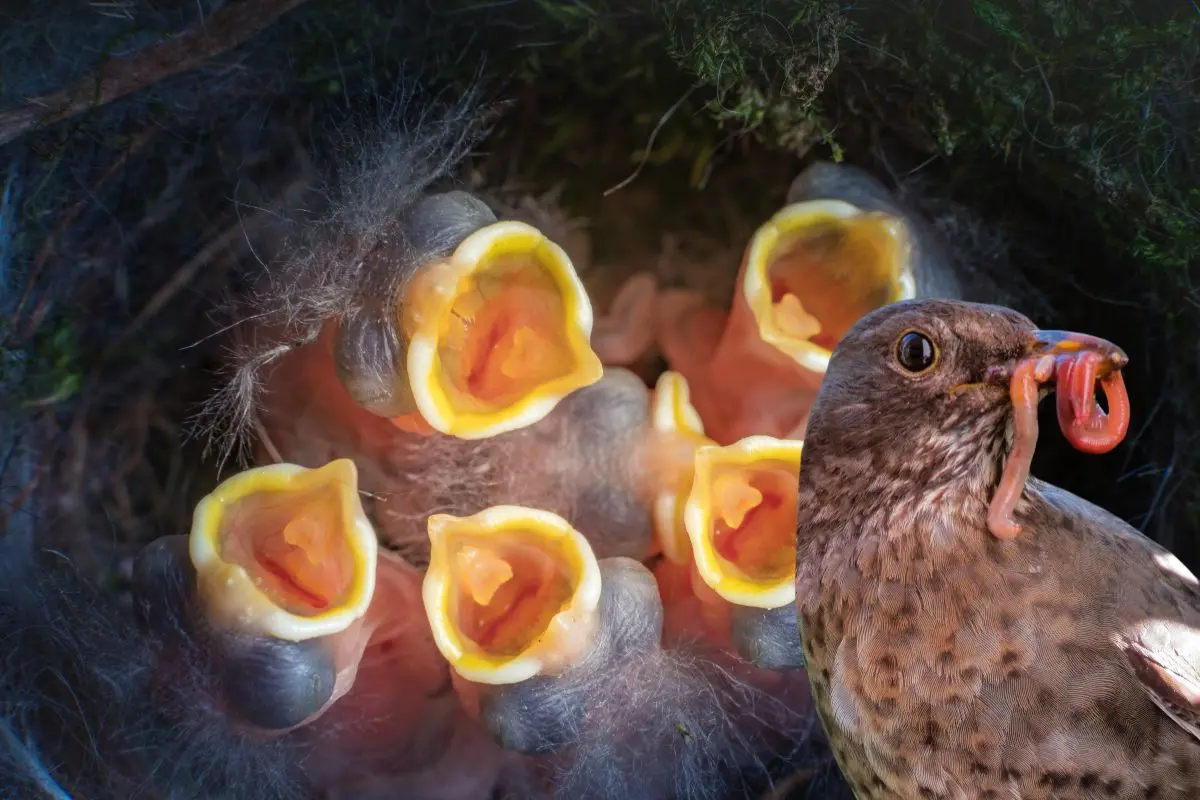
Credit: wildbloo.com
Feeding Needs Of Baby Birds
Baby birds have special feeding needs to grow strong and healthy. Their diet must provide enough energy and nutrients for fast growth. Feeding them the right amount and type of food is very important. Worms are a common food choice. But how many worms should a baby bird eat? Understanding their feeding needs helps answer this question well.
Nutritional Requirements
Baby birds need protein, fats, vitamins, and minerals. Protein helps build muscles and feathers. Fats provide energy for movement and warmth. Vitamins and minerals support bones and immune health. Worms are rich in protein and easy to digest. Feeding enough worms meets these important needs. A balanced diet also includes soft fruits and insects for variety.
Growth Stages And Diet
Baby birds eat different amounts as they grow. At the earliest stage, they need frequent small feedings. Their stomachs are tiny and fill quickly. As they grow, their appetite increases. The number of worms should rise to match growth needs. Older chicks may eat several worms per feeding. Watch their behavior to avoid overfeeding or hunger. Feeding regularly supports healthy development through each stage.
Role Of Worms In Baby Bird Diet
Worms play a crucial role in the diet of baby birds. They provide essential nutrients that help young birds grow strong and healthy. Baby birds need a diet rich in protein, and worms are an excellent source. Offering the right amount of worms supports their development and energy needs.
Choosing the right type of worms and understanding their benefits helps ensure proper feeding. Worms are natural food for many bird species, making them a perfect choice for feeding baby birds.
Types Of Worms Suitable For Feeding
- Mealworms: Popular and easy to find, mealworms are rich in protein and fat.
- Earthworms: Natural and nutritious, earthworms provide essential vitamins and minerals.
- Waxworms: High in fat, waxworms are good for energy but should be fed sparingly.
- Black Soldier Fly Larvae: High in protein and calcium, they support strong bones and muscles.
Benefits Of Worms
- High Protein: Supports muscle growth and feather development.
- Easy to Digest: Helps baby birds absorb nutrients quickly.
- Natural Food Source: Matches what baby birds eat in the wild.
- Energy Rich: Provides the fuel baby birds need to stay active.
- Supports Immune System: Contains nutrients that help fight illness.
Determining The Right Quantity
Determining the right amount of worms to feed a baby bird can feel tricky at first. Too few worms might leave the bird hungry, while too many could cause digestive issues. Paying attention to the bird’s size, age, and behavior helps you find the perfect balance.
Factors Affecting Worm Quantity
Several factors influence how many worms your baby bird needs daily. Age plays a big role—newborns require smaller, more frequent feedings, while older chicks can handle larger portions. Size matters too; a tiny finch won’t eat as much as a fledgling robin.
The bird’s energy level and activity also affect its appetite. Is your baby bird active and chirping loudly? It likely needs more food. Weather conditions can impact feeding needs as well—colder days may increase calorie requirements.
- Bird species and size
- Age and developmental stage
- Activity level and growth rate
- Environmental temperature
Think about how you would adjust a meal portion for a growing child compared to a toddler—birds are similar in this way. Observing these factors closely helps you avoid overfeeding or underfeeding.
Signs Of Adequate Feeding
How do you know if you’re feeding the right amount? Watch for a few clear signs. A well-fed baby bird will be alert, have smooth feathers, and show steady weight gain.
On the other hand, if the baby bird is constantly begging or crying, it might be hungry. A swollen or doughy crop after feeding suggests you’re feeding enough, but if the crop remains hard or empty, it needs more food.
Check the bird’s droppings too—healthy droppings indicate good digestion and proper nutrition. Overfeeding can cause diarrhea or lethargy, so keep an eye out for those signals as well.
- Alertness and active behavior
- Steady weight gain and growth
- Crop feels full but not overly swollen
- Normal droppings without signs of diarrhea
Would you adjust the feeding if you saw your baby bird losing energy or refusing food? Trust your observations—they’re the best guide to knowing the right worm quantity.
Credit: www.kwikpets.com
Feeding Techniques
Feeding a baby bird requires gentle care and proper techniques. These techniques ensure the bird gets enough nutrition without harm. Understanding how to feed worms safely and correctly is essential. The right method helps the bird grow strong and healthy.
Safe Feeding Practices
Use soft, small pieces of worms to avoid choking. Gently place food near the bird’s beak, not inside its throat. Use tweezers or fingers with clean hands to feed. Always wash your hands before and after feeding. Avoid feeding worms that look unhealthy or too large. Keep the feeding area calm and quiet to reduce stress.
Frequency Of Feeding
Baby birds need frequent feeding to stay healthy. Feed small amounts every 15 to 20 minutes during daylight. Younger birds require more frequent meals than older ones. Watch the bird’s hunger signals to adjust feeding times. Stop feeding when the bird shows signs of fullness. Do not feed late at night, as birds rest then.
Common Feeding Mistakes
Feeding a baby bird worms might seem straightforward, but many make common mistakes that can harm the little creature’s growth. Understanding these errors helps you provide the right care and avoid unnecessary risks. Are you sure you’re feeding your baby bird the right amount?
Overfeeding Risks
Giving too many worms can overwhelm a baby bird’s tiny digestive system. Overfeeding often leads to choking, vomiting, or diarrhea, which can be dangerous. I once fed a hatchling without measuring, and it ended up regurgitating most of the meal—clearly, more isn’t always better.
Excess food can also cause obesity and weaken the bird’s natural urge to forage later. Be careful not to confuse eagerness with hunger; baby birds may beg even when full. Stick to small portions and watch for signs that your bird is satisfied.
Underfeeding Consequences
On the flip side, feeding too few worms slows the baby bird’s growth and weakens its immune system. I’ve seen tiny birds become lethargic and underdeveloped simply because they didn’t get enough nutrients early on. You want to avoid stunted development and vulnerability to disease.
Undernourished birds can also struggle with feather growth, impacting their ability to fly later. It’s crucial to balance feeding amounts according to the baby bird’s age and size. Ask yourself: are you meeting your bird’s changing nutritional needs as it grows?
Alternatives To Worms
Baby birds need protein and nutrients to grow strong. Worms are a common food, but other options exist. These alternatives can provide variety and ensure balanced nutrition. Feeding different foods helps meet all dietary needs. It also prevents boredom and encourages natural foraging skills.
Other Protein Sources
- Small insects like crickets and mealworms offer good protein.
- Boiled egg yolks are soft and rich in nutrients.
- Chopped cooked chicken can be a safe protein option.
- Commercially made baby bird formula provides balanced nutrition.
- Soft fish pieces, like tuna, are easy to digest.
Supplementary Foods
- Fruit purees such as mashed bananas or apples add vitamins.
- Soft vegetables like cooked peas or carrots supply fiber.
- Sprouted seeds provide energy and essential minerals.
- Small amounts of yogurt introduce beneficial bacteria.
- Hydration is important; offer water or diluted fruit juice.
Monitoring Baby Bird Health
Monitoring the health of a baby bird is key to ensuring it grows strong and thrives. Keeping a close eye on its behavior and physical condition can tell you if your feeding routine, including the number of worms you offer, is on track. You’ll catch problems early and adjust care before any serious issues arise.
Behavioral Indicators
Watch how your baby bird acts after feeding. Healthy chicks are usually alert and responsive, showing eagerness when you approach with food. If your bird seems lethargic, uninterested in feeding, or unusually quiet, these could be signs of distress or illness.
Notice if the bird is swallowing easily or if it struggles during feeding. Choking or regurgitating frequently may mean you are feeding too many worms or feeding too fast. Adjust the amount and pace to match its capacity.
Are feeding times consistent and predictable? Sudden changes in behavior, like refusal to eat or excessive fussiness, might indicate discomfort or digestive upset. These behaviors often signal that the diet needs reconsideration.
Physical Health Signs
Check the baby bird’s body regularly for clear signs of good health. Bright, clear eyes and clean feathers usually mean the bird is doing well. Dull eyes or fluffed-up feathers can indicate illness or stress.
Look at the bird’s droppings after feeding. Normal droppings should be firm and well-formed. Runny or discolored droppings can suggest digestive issues, possibly caused by feeding too many worms or an unbalanced diet.
Weight gain is a crucial physical sign. Weigh your bird daily if possible. Consistent weight gain shows your feeding amount is sufficient, while weight loss or stagnation suggests you might need to adjust the worm quantity.
Credit: pethelpful.com
Frequently Asked Questions
How Many Worms Does A Baby Bird Need Daily?
A baby bird typically needs about 10-20 worms daily, depending on its species and size. Monitor the bird’s hunger cues and adjust the quantity accordingly. Overfeeding can be harmful, so it’s crucial to provide just the right amount.
Can Baby Birds Eat Worms Exclusively?
While worms are a vital protein source, baby birds need a varied diet. Include fruits, seeds, and insects for balanced nutrition. A diverse diet ensures they get all necessary nutrients for healthy growth and development.
At What Age Can Baby Birds Eat Worms?
Baby birds can start eating worms when they are about one week old. Initially, feed them small, soft, and pre-moistened worms. As they grow, you can gradually introduce larger worms, ensuring they’re manageable for the bird to swallow.
How Do I Prepare Worms For Feeding?
To prepare worms, cut them into small, manageable pieces for baby birds. Ensure the worms are clean and free from pesticides. Moistening the worms slightly can make them easier for the bird to digest.
Conclusion
Feeding baby birds the right number of worms helps them grow strong. Too many worms can upset their small stomachs. Too few worms leave them hungry and weak. Watch the baby bird’s hunger cues carefully. Feed small amounts often for best results.
Healthy baby birds need balanced food and care. Feeding worms is simple but important for their health. Keep learning about their needs as they grow. Caring for baby birds takes patience and attention. Small steps make a big difference in their survival.