
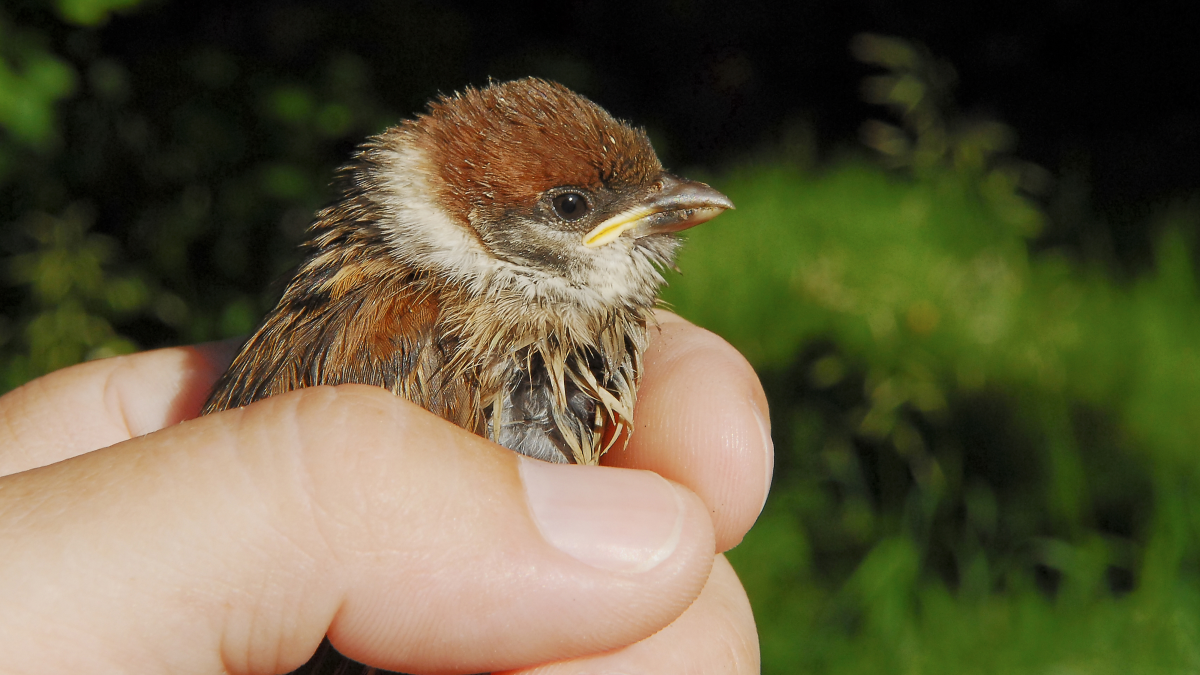
Caring for a baby bird with feathers can feel confusing, especially when it comes to feeding. You might wonder, “How often should I feed it?
Will too much or too little harm the little bird? ” Getting this right is crucial for your baby bird’s growth and health. You’ll discover simple, clear answers to help you feed your feathered friend just the right amount. Keep reading to make sure your baby bird thrives under your care.
Feeding Frequency For Feathered Baby Birds
Feeding feathered baby birds requires careful attention to how often you offer food. Their nutritional needs change as they grow, and understanding the right feeding frequency can help you support their healthy development. Paying close attention to their behavior and age will guide you in providing the right care at the right times.
Age-based Feeding Schedule
Newly feathered baby birds usually need feeding every 3 to 4 hours during the day. As they get older, around 3 to 4 weeks, you can gradually reduce feedings to every 4 to 6 hours. By the time they are about 6 weeks old and starting to eat on their own, feeding twice a day is often enough.
Keep a simple chart nearby to track feeding times. This helps you avoid overfeeding or underfeeding. Have you noticed how quickly they grow and change their eating habits?
Signs Your Baby Bird Needs Feeding
Baby birds often show clear signs when they’re hungry. Look for open beaks and loud chirping — these are their way of asking for food. If your bird becomes restless or pecks at your fingers, it’s a good sign they need to eat.
Sometimes, a baby bird will refuse food if it’s full or stressed, so be patient. Watching these cues closely helps you feed them at the right moments without forcing it.
Adjusting Feeding Times As They Grow
As your baby bird matures, you’ll notice changes in how often and how much it wants to eat. They start exploring solid foods and rely less on frequent feeding. Pay attention to their energy levels and droppings to decide when to space out feedings.
Have you tried gradually stretching the time between feedings? This encourages independence while ensuring they stay well-nourished. Your careful observations will help you find the perfect balance.
Types Of Food For Feathered Nestlings
Feathered nestlings need a special diet to grow strong and healthy. Their food should provide the right nutrients to support feather development and energy. Different types of food offer proteins, vitamins, and minerals essential for baby birds. A balanced diet helps them transition smoothly to solid foods as they mature.
Insects And Protein Sources
Protein is crucial for feather growth and muscle development. Insects are a natural and rich protein source. Mealworms, crickets, and small caterpillars provide essential amino acids. Soft-bodied insects are easier for nestlings to digest. Offering live or finely chopped insects mimics natural feeding habits.
Fruits And Vegetables
Fruits and vegetables supply vitamins and hydration. Small pieces of soft fruits like apples, bananas, and berries work well. Leafy greens such as spinach or kale add calcium and antioxidants. Avoid citrus fruits and anything acidic. Always chop food into tiny bits to prevent choking.
Commercial Bird Formula Options
Commercial formulas offer balanced nutrition for baby birds. They contain proteins, fats, and vitamins in the right amounts. These powders mix with water to create a smooth paste. They are convenient and consistent for feeding feathered nestlings. Follow package instructions carefully for the best results.
Feeding Techniques And Tips
Feeding a baby bird with feathers requires care and attention. Using the right techniques helps the bird grow strong and healthy. Feeding must be gentle and timely to meet its nutritional needs. Here are some key tips and techniques for feeding feathered baby birds successfully.
Proper Feeding Tools
Use small, clean tools to feed the baby bird. A syringe or dropper works well for precise feeding. Avoid using sharp objects that can hurt the bird’s mouth. Soft brushes or tweezers help deliver food safely. Always sterilize tools before and after each use to prevent infections.
Safe Feeding Practices
Feed the bird slowly to avoid choking. Hold the bird gently but firmly during feeding. Offer small amounts of food at a time, allowing the bird to swallow fully. Ensure the food is at room temperature, not too hot or cold. Keep the bird calm and quiet during feeding sessions.
Avoiding Overfeeding
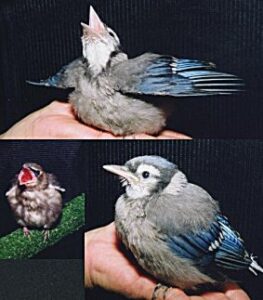
Watch the bird’s crop to know when it is full. The crop should feel soft but not swollen. Feed only enough to fill the crop without stretching it. Overfeeding can cause illness and discomfort. Stick to a regular feeding schedule and monitor the bird’s weight daily.
Credit: irishwildlifematters.ie
Monitoring Baby Bird Health
Monitoring the health of a baby bird with feathers is vital for its survival and growth. Careful observation helps spot problems early. Regular checks ensure the bird receives proper care and nutrition. Healthy baby birds show steady development and active behavior.
Weight Tracking
Weigh the baby bird daily at the same time. Use a small, accurate scale. Record the weight to track growth patterns. Consistent weight gain shows good health. Sudden weight loss can indicate illness or feeding issues.
Behavioral Signs Of Well-being
Watch the bird’s activity level and posture. A healthy bird is alert and responsive. Bright eyes and smooth feathers show vitality. Listen for normal sounds like chirping. Lethargy, fluffed feathers, or weak movements signal stress or sickness.
When To Seek Veterinary Help
Contact a vet if the bird stops eating or loses weight quickly. Seek help if breathing becomes labored or noisy. Persistent weakness or unusual droppings need professional care. Early vet visits improve recovery chances for baby birds.
Preparing For Fledging
Preparing for fledging is a vital stage in a baby bird’s growth. This phase marks the transition from total dependence to independence. Feeding routines must change to help the bird gain confidence. The goal is to encourage the bird’s natural skills while keeping it healthy. Proper care during this time ensures a smooth flight into independence.
Reducing Feeding Frequency
Cutting down on feeding sessions teaches the bird to manage hunger. Gradually space out feeding times over several days. This process helps the bird learn to wait and seek food. Avoid sudden drops in feeding to prevent stress. A gentle reduction supports the bird’s adjustment to self-sufficiency.
Encouraging Self-feeding
Offer small portions of soft food near the bird’s reach. Use shallow dishes or platforms to make access easy. Let the bird explore and peck at the food independently. This practice builds confidence and develops motor skills. Patience is key as the bird learns to feed itself.
Supporting Flight Development
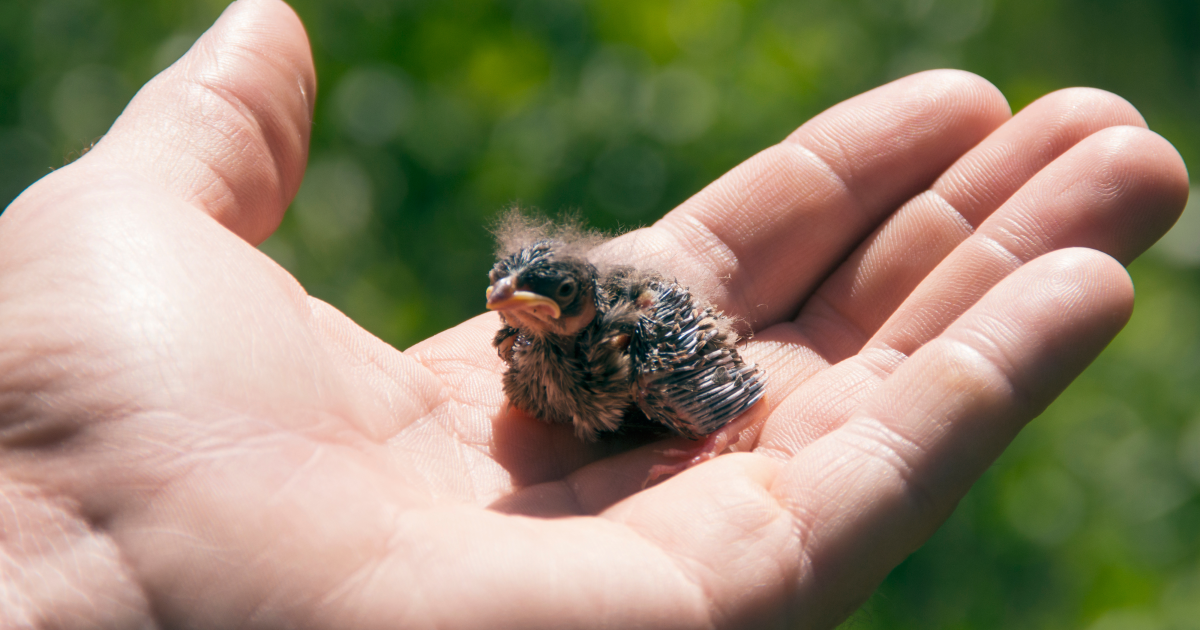
Create a safe space for the bird to flap its wings freely. Encourage short flights within a controlled area. Use gentle stimulation like calling the bird or showing treats. Wing strengthening is essential for successful fledging. Monitor progress and avoid forcing the bird to fly prematurely.
Credit: pethelpful.com

Credit: www.youtube.com
Frequently Asked Questions
How Often Should You Feed A Baby Bird With Feathers?
Feed a feathered baby bird every 3 to 4 hours during daylight. This frequency supports its growth and energy needs. Avoid overfeeding to prevent health issues. Monitor hunger signs and adjust feeding times as the bird matures.
What Type Of Food Is Best For Feathered Baby Birds?
Offer soft, protein-rich foods like insects, soaked pellets, or specialized bird formula. Avoid hard seeds or processed foods. Proper nutrition helps feather development and overall health. Consult a wildlife expert for species-specific diets.
Can Feeding Frequency Change As Baby Birds Grow Feathers?
Yes, feeding frequency decreases as baby birds grow feathers. Older birds need fewer feedings, about 3 to 5 times daily. Gradually introduce solid foods to encourage independence. Always observe the bird’s behavior to adjust feeding schedules.
How To Tell If A Feathered Baby Bird Is Hungry?
Signs include open beak, begging calls, and restlessness. A hungry baby bird will actively seek food. Feeding on schedule and observing behavior helps meet its needs. Avoid feeding if the bird shows signs of fullness or lethargy.
Conclusion
Feeding a baby bird with feathers requires care and attention. Feed them every 3 to 4 hours. Offer small, suitable portions. Ensure the food is nutritious and fresh. Always use a syringe or dropper. Observe the bird’s behavior for hunger signs.
Adjust feeding times if needed. Gradually introduce solid foods as feathers grow. Patience and consistency are key. Keep a close watch on their growth. Healthy feeding ensures a strong, thriving bird. Always consult a vet for advice. This helps in providing the best care possible.