
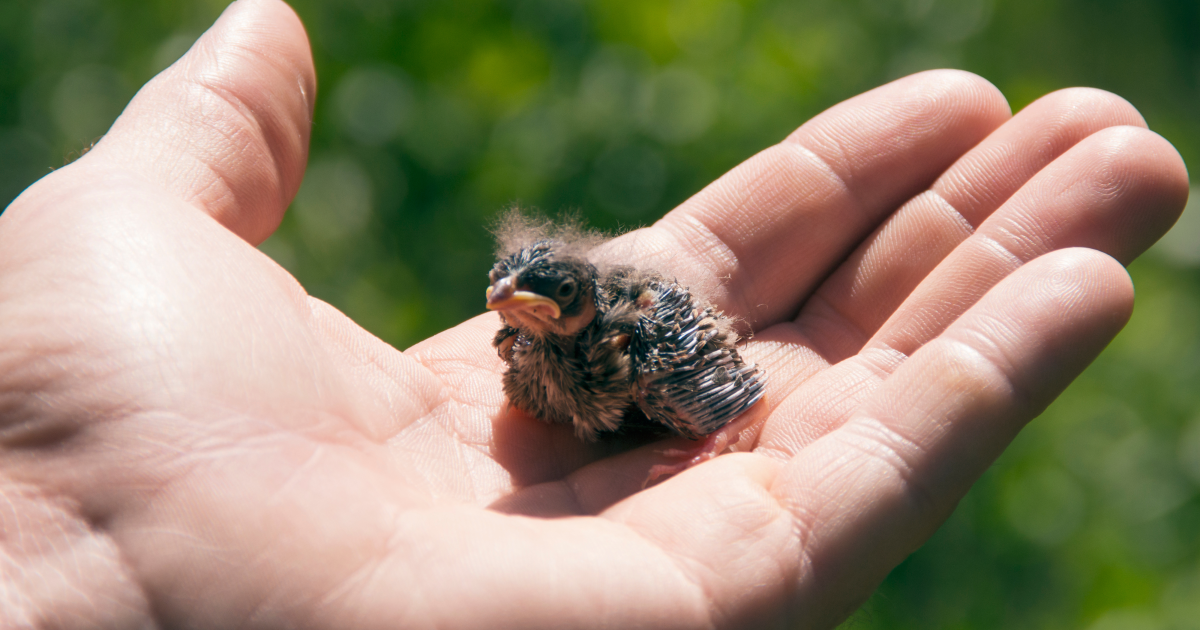
Have you ever found a tiny, helpless baby bird and wondered how often you should feed it? Knowing the right feeding schedule can mean the difference between life and death for these fragile creatures.
If you feed them too little, they might not get enough energy to grow. Feed them too much or too often, and you could accidentally harm them. You’ll discover the exact feeding routine that gives wild baby birds the best chance to thrive.
Keep reading—you might just become the hero these little birds desperately need.
Credit: wildbloo.com
Signs Of A Baby Bird In Need
Recognizing when a wild baby bird needs your help can be challenging. They are small, vulnerable, and often well-hidden. Knowing the signs of distress or abandonment will guide you on whether to step in or let nature take its course.
Identifying Orphaned Or Abandoned Birds
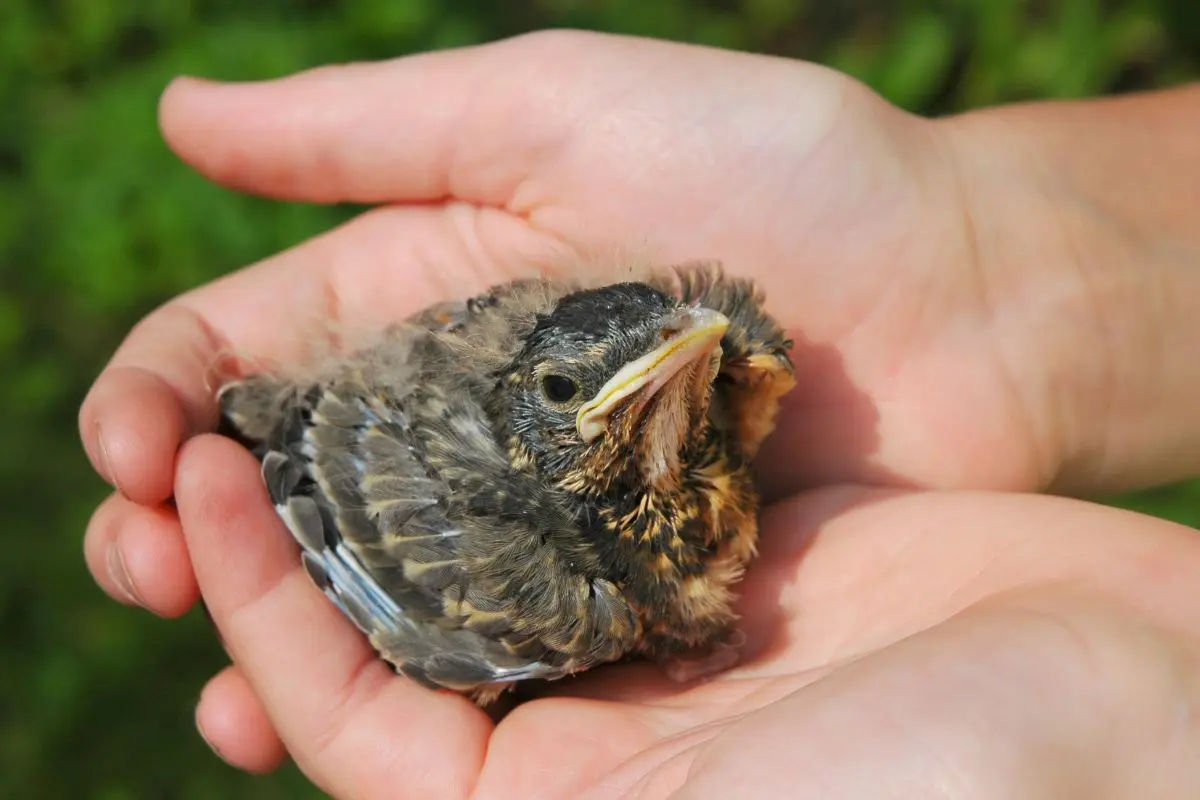
You might spot a baby bird alone on the ground or hear its persistent calls. Healthy chicks usually stay in the nest and are fed by their parents regularly. If you see a featherless or weak bird that appears cold or lethargic, this could indicate abandonment.
Look for these signs to identify if a bird is orphaned:
- No adult birds returning to the nest for hours.
- Visible injuries or extreme weakness.
- Birds that repeatedly flutter their wings but cannot fly.
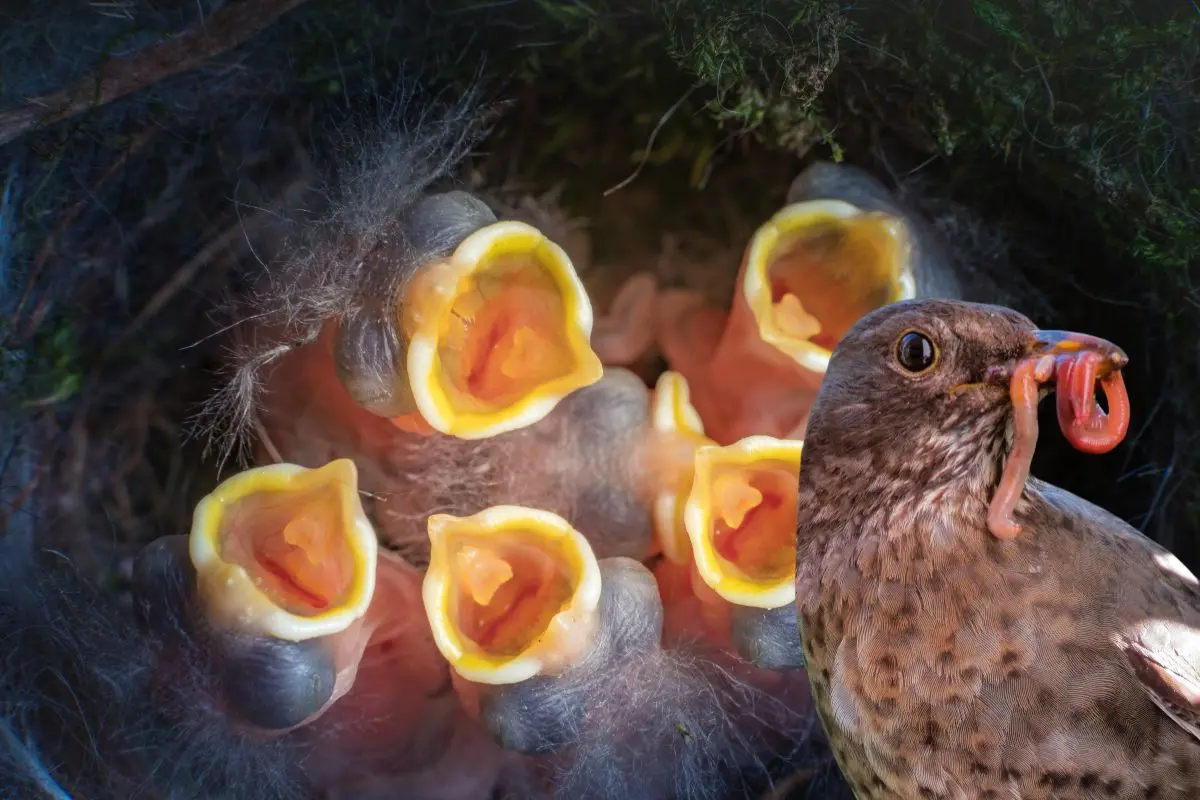
- Extreme hunger signs like wide-open mouths calling for food.
Once, I found a tiny sparrow chick on the ground, shivering and silent. I waited quietly and watched for an hour. No parent showed up, so I knew the bird needed help.
When To Intervene
Intervening too soon can do more harm than good. Parents might be nearby, feeding the baby discreetly. If you are unsure, observe from a distance for at least one hour.
Consider helping if:
- The baby is injured or in immediate danger from predators.
- The bird is cold, weak, or unable to move properly.
- There is no sign of parental care after extended observation.
Ask yourself: Is this bird truly abandoned, or is nature just taking its course? Acting wisely means balancing compassion with patience. Your timely decision can mean the difference between life and death for these fragile creatures.
Credit: wildbloo.com
Feeding Frequency For Baby Birds
Feeding wild baby birds at the right frequency is crucial for their survival and healthy growth. Their needs change rapidly as they develop, so understanding how often to feed them during each stage helps you provide the best care. You might be surprised how much their appetite increases in just a few days.
Newborns To One Week Old
During the first week, baby birds need feeding every 15 to 20 minutes from dawn until dusk. Their tiny stomachs can’t hold much food, so frequent, small feedings are essential. At this stage, missing a feeding can quickly lead to serious health issues.
Imagine watching a hatchling open its mouth repeatedly, expecting food—this urgency shows how dependent they are. You should prepare to feed them about 8 to 12 times per hour to match their natural feeding pattern.
One To Two Weeks Old
Between one and two weeks old, the feeding frequency slows slightly to every 20 to 30 minutes. Baby birds start to digest food better and can handle slightly larger meals. However, you still need to be attentive and consistent throughout daylight hours.
This is when you might notice the babies becoming more active and vocal—signs that they’re growing stronger. Feeding them less often than needed can stress them and slow their development.
Two Weeks To Fledging
From two weeks until they are ready to leave the nest, feeding sessions reduce to about every 30 to 45 minutes. The birds begin experimenting with solid food and even start feeding themselves occasionally. Your role shifts to encouraging independence while ensuring they get enough nutrition.
Have you ever wondered how wild parents balance feeding and teaching their chicks to fly? By gradually spacing out feedings, you help the birds build confidence and strength. At this stage, patience is just as important as the food you provide.
Best Foods For Wild Baby Birds
Feeding wild baby birds the right foods is essential for their growth and survival. Their tiny bodies need specific nutrients that mimic what they would get from their natural environment. Understanding the best foods for wild baby birds helps you support them without causing harm.
Natural Diet Components
Wild baby birds mainly eat what their parents find in nature. This usually includes:
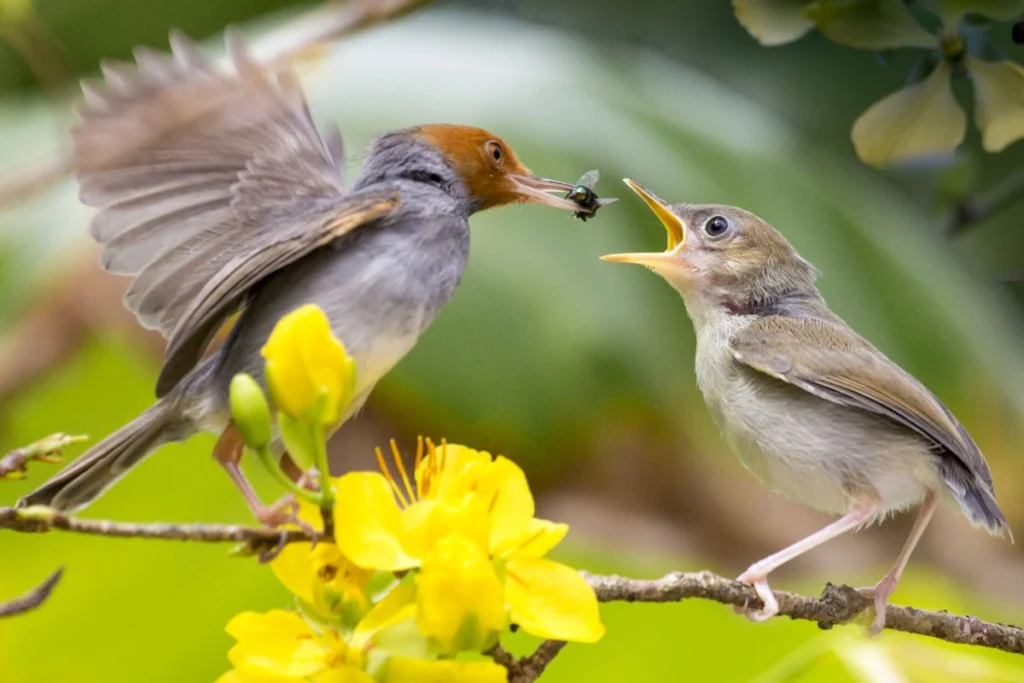
- Soft insects like caterpillars, worms, and spiders
- Small seeds and grains, depending on the species
- Bits of fruit and nectar for some types of birds
These foods provide protein, fats, and vitamins crucial for their development. Have you ever noticed how busy parent birds are hunting nonstop? That’s because baby birds need frequent feeding to keep up their energy.
Safe Homemade Feeding Options
If you find an abandoned or injured baby bird, you might wonder what to feed it. Avoid bread or milk, as these can harm them. Instead, you can prepare safe homemade options such as:
- Moistened dog or cat food with water to create a soft, protein-rich mush
- Hard-boiled eggs mashed finely for extra protein
- Small bits of cooked rice mixed with finely chopped insects or mealworms
These options imitate the natural diet and provide nutrients without upsetting their digestion. Have you tried offering small mealworms? Many baby birds respond well to this familiar treat.
Credit: wildbloo.com
How To Feed Safely
Feeding wild baby birds requires care to keep them safe and healthy. Proper feeding helps them grow strong and avoid harm. Understanding how to feed safely is key for their survival. Follow simple steps to make feeding easier and safer for these fragile birds.
Proper Feeding Techniques
Use small, soft pieces of food suited for baby birds. Make sure food is easy to swallow. Offer food slowly to avoid choking. Use a dropper or small spoon to feed gently. Keep feeding times consistent to match their natural schedule. Always feed at room temperature to prevent discomfort. Clean feeding tools before and after each use.
Avoiding Common Feeding Mistakes
- Never feed wild baby birds milk or bread. These can harm their health.
- Do not overfeed, as it can cause digestive problems.
- Avoid feeding foods with salt, sugar, or spices.
- Do not force food into their throat; it may cause injury.
- Avoid touching the birds too much to reduce stress.
- Never leave baby birds unattended with food; they can choke.
When To Seek Professional Help
Knowing when to seek professional help for wild baby birds is crucial. Some situations need expert care beyond home feeding. Early action can save the bird’s life and improve recovery chances.
Wild baby birds can show subtle signs that indicate distress or illness. Recognizing these signs helps you decide when to call for help quickly.
Signs Of Illness Or Distress
- Bird is weak or lethargic, barely moving.
- Feathers are fluffed up and look unkempt.
- Breathing is noisy or labored.
- Bird refuses to eat or drink.
- Visible wounds, bleeding, or swelling.
- Bird is cold to touch or shivering.
- Unusual droppings, watery or discolored.
- Bird falls from the nest or is unable to perch.
Spotting these signs means the bird needs more care than you can provide. Immediate contact with professionals is essential to ensure proper treatment.
Contacting Wildlife Rehabilitators
- Search for local wildlife rehab centers or licensed rescuers.
- Call ahead to explain the bird’s condition clearly.
- Follow their instructions on how to handle and transport the bird.
- Keep the bird warm and quiet during transport.
- Do not try to feed or give water unless advised.
- Provide details about where and when you found the bird.
- Ask about drop-off times and any required paperwork.
- Stay calm and patient; professionals know best practices.
Wildlife rehabilitators have the skills and resources to care for sick or injured birds. They work to heal and eventually release birds safely back into the wild.
Tips For Handling Baby Birds
Handling wild baby birds requires care and attention to ensure their safety and well-being. You want to help without causing unintended harm. The right approach can make a huge difference in their survival chances.
Minimizing Stress And Injury
Wild baby birds are extremely fragile. Handling them too much or roughly can cause stress or injury. Always use gentle, slow movements to avoid startling them.
Support their body fully when you pick them up. Avoid grabbing their wings or legs, which are delicate and prone to damage. Think of your hands as a soft cradle rather than a firm grip.
Keep handling time short. Prolonged contact can exhaust the bird and increase stress levels. Ask yourself: Is this interaction necessary right now, or can you wait?
Hygiene And Safety Precautions
Baby birds can carry parasites and bacteria that could affect your health. Always wash your hands thoroughly before and after handling. Use disposable gloves if you have them.
Disinfect any tools or containers used to hold the bird with mild soap and water. Never share feeding instruments between birds to avoid spreading diseases.
Ensure the area where you handle the bird is clean and quiet. Loud noises and clutter can stress the bird further. Your calm environment helps the bird stay calm too.
Frequently Asked Questions
How Often Should You Feed Wild Baby Birds Daily?
Wild baby birds typically need feeding every 15 to 20 minutes from dawn until dusk. This frequent feeding supports their rapid growth and energy needs.
What Types Of Food Are Best For Wild Baby Birds?
Insects, worms, and small bits of soft fruits are ideal. Avoid bread or milk, as they can harm the birds.
Can You Feed Wild Baby Birds If Parents Are Absent?
Yes, but only if you are experienced. Feeding requires precise timing, temperature, and nutrition to ensure survival.
How To Know If A Wild Baby Bird Needs Feeding?
If the baby bird is chirping loudly and opening its mouth wide, it’s likely hungry and needs feeding.
Conclusion
Feeding wild baby birds is a delicate task. Timing is crucial. Young birds need frequent meals. Consult local experts for advice. Always prioritize the bird’s safety. Keep feeding tools clean. Use appropriate food for their species. Monitor their health closely.
This ensures they grow strong. Learning about their needs helps a lot. Proper care makes a big difference. Respect nature while helping these fragile creatures. Your efforts can save lives. Enjoy watching them thrive. Always stay informed. This builds your confidence in bird care.
With love and patience, you can nurture them well.