

If you’re passionate about falconry, you already know that feeding your bird the right way is key to its health and performance. But how often should you actually feed your bird?
Getting this wrong can affect your bird’s energy, training, and overall well-being. You’ll discover simple, effective feeding schedules tailored to your bird’s needs. By the end, you’ll have clear answers that make caring for your falcon easier and more rewarding.
Keep reading to unlock the secrets of perfect feeding timing!
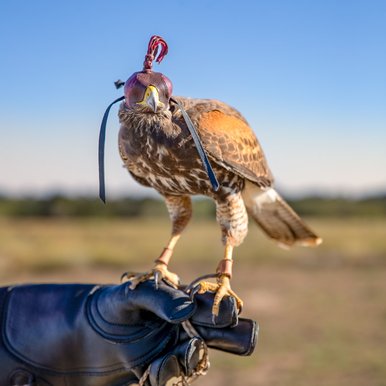
Credit: tpwmagazine.com
Feeding Frequency Basics
Feeding your birds in falconry is more than just filling their bowls. It requires careful attention to how often you feed them to maintain their health and performance. Understanding the basics of feeding frequency helps you create a routine that supports your bird’s energy and hunting readiness.
Daily Feeding Needs
Your bird’s daily food intake depends largely on its species, size, and activity level. Generally, birds of prey are fed once or twice a day, with meals carefully measured to avoid overfeeding or underfeeding.
For example, a peregrine falcon might get a single meal in the morning, while larger hawks could need two smaller feedings to keep their metabolism steady. You’ll notice your bird’s weight and behavior give clues about whether the feeding amount and frequency are right.
Have you ever adjusted your bird’s feeding times based on its mood or energy? Observing these changes helps you fine-tune the schedule for peak condition.
Factors Influencing Feeding Schedule
Several factors affect how often you should feed your bird. Age plays a big role—young birds generally need more frequent meals than adults because they are growing fast.
Activity level is another key factor. Birds that fly and hunt regularly burn more calories and need more frequent feeding than those resting or in molting periods.
Seasonal changes also impact feeding frequency. During colder months, birds might require extra food to maintain body heat, while in warmer seasons, their needs may decrease.
- Health status:Sick or recovering birds may need smaller, more frequent meals.
- Hunting schedule:After a hunt, some falconers reduce feeding to encourage natural hunting behaviors.
- Environmental conditions:Stress from weather or captivity can influence appetite and feeding times.
Knowing these factors, how do you adjust your bird’s feeding routine to keep it thriving? Regularly reassessing these elements ensures you meet your bird’s changing needs effectively.
Age And Species Considerations
Feeding birds in falconry requires careful attention to their age and species. These factors greatly influence how often you should feed your birds and what their diet should include. Understanding these details helps you keep your birds healthy and performing at their best.
Juvenile Birds
Young birds need more frequent feeding because they are growing rapidly. Their metabolism is high, so you might feed them every 4 to 6 hours. Make sure to offer smaller, nutrient-rich meals to support their development.
When I started with a juvenile hawk, I noticed it needed extra attention and feeding compared to adults. Missing a feeding could slow its growth or weaken it. Do you pay close attention to changes in your bird’s energy levels?
Adult Birds
Adult birds have slower metabolisms and require less frequent feeding, usually once or twice a day. Their feeding schedule often depends on their activity level and training intensity. Adjust feeding on days of heavy flight practice versus rest days.
One tip is to watch for weight changes closely. Even slight weight loss can signal a need to increase feeding frequency or adjust portions. How often do you weigh your bird to keep track of its condition?
Different Species Diets
Species differences affect not only feeding frequency but also diet composition. For example, falcons eat mostly small birds and rodents, while hawks may prefer larger prey. Owls often need a different balance of nutrients compared to diurnal raptors.
Here’s a quick overview:
| Species | Typical Prey | Feeding Frequency |
|---|---|---|
| Falcons | Small birds, rodents | Once or twice daily |
| Hawks | Medium-sized birds, rabbits | Once daily, sometimes every other day |
| Owls | Rodents, insects | Once daily, at night |
Do you tailor your bird’s diet specifically to its species? Overfeeding or underfeeding can be avoided by knowing exactly what your bird needs.
Activity Level And Feeding
Understanding your bird’s activity level is key to deciding how often and how much to feed it in falconry. Birds that train hard burn more calories and need extra fuel to maintain energy and health. Matching feeding schedules to activity ensures your bird stays strong without becoming overweight or undernourished.
Training Days
On days when you train your bird, its energy needs spike. The physical exertion of flying, hunting, and responding to commands demands more calories. You might notice your bird eating eagerly after a session—this is a sign it needs that extra nutrition to recover and build strength.
Adjust feeding by offering slightly larger portions or more frequent meals. Providing high-protein food supports muscle repair. Have you observed how your bird’s appetite changes after a tough flight? Use those cues to fine-tune feeding amounts.
Rest Days
Rest days require a different approach because your bird’s energy use drops. Overfeeding on rest days can lead to weight gain and health problems. Many falconers reduce the food quantity or skip a meal, depending on the bird’s overall condition.
Keep an eye on your bird’s weight and mood. A calm bird might need less food, but don’t cut back too much—maintenance calories are still essential. How do you balance feeding on rest days without compromising your bird’s readiness for the next training session?
Portion Sizes And Meal Planning
Portion sizes and meal planning are key in falconry feeding routines. Providing the right food amount keeps birds healthy and active. Overfeeding or underfeeding can cause health problems. Understanding portion size helps balance energy needs and digestion.
Effective meal planning supports steady energy throughout the day. It also mimics natural feeding habits, which benefits the bird’s well-being. Adjusting portions based on activity and species ensures better care. Careful planning avoids waste and maintains the bird’s condition.
Calculating Food Amounts
Start by knowing your bird’s weight. Birds usually eat about 5-7% of their body weight daily. Use this as a base for portion size. Adjust based on bird activity, age, and health. Younger or active birds need more food.
Use a scale to weigh food portions accurately. Track feeding amounts over several days. Watch for signs of hunger or leftover food. Modify portions to find the right balance. Proper calculation prevents overfeeding and underfeeding.
Meal Timing Strategies
Feed birds two to three times per day. Morning meals provide energy for daytime activity. Evening feeding helps replenish energy before rest. Keep feeding times consistent to build routine.
Space meals evenly to aid digestion. Avoid feeding right before flights or training. This reduces the risk of regurgitation or discomfort. Monitor your bird’s behavior to adjust timing if needed.
Signs Of Proper Nutrition
Recognizing the signs of proper nutrition in your falconry birds is key to maintaining their health and performance. Well-fed birds show clear physical and behavioral cues that reflect their diet’s adequacy. Paying attention to these signs helps you adjust feeding routines and ensures your birds thrive under your care.
Weight Monitoring
Regularly weighing your bird is one of the most reliable ways to track its nutritional status. Keep a consistent schedule—daily or weekly—to notice any sudden drops or gains in weight. Such changes can signal overfeeding, underfeeding, or health issues before other signs appear.
Use a precise scale designed for small animals, and record the weight to spot trends over time. If your bird’s weight falls outside the healthy range for its species and age, consider adjusting the food quantity or consulting a falconry expert. Have you checked your bird’s weight recently and compared it with its ideal range?
Behavioral Indicators
How your bird acts can reveal a lot about its nutrition. Alertness, energy levels, and willingness to hunt or fly often indicate a well-balanced diet. Conversely, lethargy, irritability, or reluctance to move may suggest nutritional deficiencies or feeding issues.
Watch for changes in daily habits, such as decreased appetite or unusual aggression, which could point to discomfort or illness related to diet. Also, note how your bird responds to training sessions—consistent enthusiasm usually reflects good health. What behaviors have you noticed that tell you your bird is properly nourished?

Credit: lafeber.com
Common Feeding Challenges
Feeding birds in falconry is not just about providing food; it’s about balance and observation. You need to avoid common feeding challenges that can affect your bird’s health and performance. Understanding these challenges helps you keep your bird in peak condition and avoid costly mistakes.
Overfeeding Risks
Overfeeding your falcon can lead to serious health issues like obesity and liver problems. Birds that gain excess weight may struggle with flight and hunting, reducing their effectiveness. Have you noticed your bird becoming less active or having difficulty taking off? These can be signs of overfeeding.
It’s important to control portion sizes and monitor your bird’s daily intake carefully. Offering too many treats or feeding more than the bird burns can cause these issues. Keep a feeding log to track how much you give and adjust based on your bird’s activity level and body condition.
Underfeeding Signs
On the other hand, underfeeding can weaken your bird and compromise its immune system. Look for signs like excessive weight loss, dull feathers, or lethargy. If your bird seems less interested in food or is losing muscle mass, you might need to increase the feeding amount.
Pay attention to how your bird responds after feeding—if it still appears hungry or restless, that’s a clear signal. You want to feed enough to maintain energy without tipping into overfeeding. Regular weight checks and observing behavior are your best tools to catch underfeeding early.
Adjusting Feeding Over Time
Adjusting the feeding schedule of your falconry birds is crucial for their health and performance. Their needs change over time due to various factors. Observing and responding to these changes ensures your bird stays strong and active.
Seasonal Changes
Birds require different nutrition depending on the season. During colder months, they need more calories to maintain body heat. Warmer months demand less food as their energy use drops. Adjust food portions to match these seasonal needs. Pay attention to your bird’s weight and activity levels to guide feeding amounts.
Health And Recovery
Sick or injured birds need special feeding care. Increase food quality and quantity to support healing. Use high-protein and vitamin-rich diets for recovery. Monitor appetite closely; a drop can signal problems. Gradually return to normal feeding once the bird shows signs of improvement.
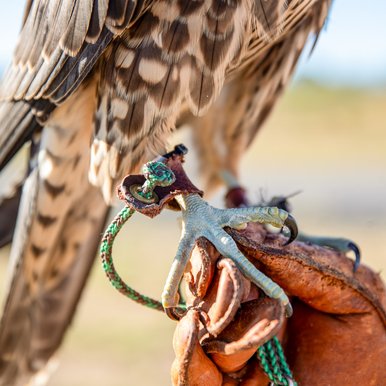
Credit: tpwmagazine.com
Supplementary Feeding Tips
Supplementary feeding in falconry is more than just providing extra food; it’s about enhancing your bird’s health and performance. Knowing what to add to their diet can make a big difference. Here are some practical tips to help you give your falcon the right nutrients and hydration.
Vitamins And Minerals
Birds in falconry need a balanced supply of vitamins and minerals to stay strong and alert. You can add supplements to their diet, but it’s important to avoid overdoing it. Too many vitamins, especially fat-soluble ones like A, D, and E, can be harmful.
Focus on natural sources first. For example, feeding a variety of prey such as quail, mice, and insects can provide a broad range of nutrients. If you use supplements, choose ones specifically designed for raptors and follow the recommended doses carefully.
Have you noticed changes in your bird’s feathers or energy? These can be signs of vitamin or mineral imbalances, so adjusting the diet might be necessary.
Hydration Needs
Hydration is often overlooked but is vital for your bird’s health. Falcons don’t drink water as often as mammals, but they still need access to clean, fresh water daily. A shallow dish placed in their enclosure works well.
During hot weather or intense training periods, your bird may need more fluids. You can also offer water-rich prey like freshly caught fish or small amphibians to help maintain hydration naturally.
Have you ever wondered if your falcon is drinking enough? Observing its behavior and droppings can give you clues. Dehydration can lead to lethargy and reduced hunting efficiency, so keep an eye on these signs to adjust hydration accordingly.
Frequently Asked Questions
How Often Should Falconry Birds Be Fed Daily?
Falconry birds are typically fed once or twice a day. Frequency depends on the bird’s age, species, and activity level. Young or highly active birds may need more frequent feeding to maintain energy and health.
What Is The Ideal Portion Size For Falconry Feeding?
Portion sizes vary by bird species and weight. Generally, feed 5-10% of the bird’s body weight daily. Adjust portions based on the bird’s hunting activity and condition to avoid overfeeding or underfeeding.
Can Feeding Frequency Affect A Falconry Bird’s Hunting?
Yes, feeding frequency impacts hunting performance. Regular, balanced feeding keeps birds energetic and alert. Overfeeding or irregular meals can reduce their motivation to hunt effectively.
Should Feeding Times Be Consistent In Falconry?
Consistency in feeding times is important. It helps maintain the bird’s routine and digestive health. Predictable feeding schedules also support better training and performance during hunting sessions.
Conclusion
Feeding frequency is key in falconry. It affects your bird’s health. Always observe your bird’s behavior. Adjust feeding based on its needs. Routine helps maintain trust and bonding. Proper diet ensures energy and vitality. A healthy bird performs better in the field.
Keep notes on feeding times and quantities. This helps track your bird’s progress. Overfeeding can lead to obesity. Underfeeding might weaken it. Balance is vital for optimal health. Consult with experienced falconers for advice. They can offer valuable insights. Your bird’s well-being depends on your dedication.
Consistency in care builds a strong partnership.