
Finding an orphaned baby bird can be heartbreaking, and you want to do everything right to help it survive. One of the biggest questions you might have is: how often should you feed this tiny, fragile creature?
Feeding a baby bird the wrong way can harm it instead of helping. You’ll discover clear, simple guidelines to keep your feathered friend healthy and growing strong. By the end, you’ll feel confident in giving the care your little bird desperately needs.
Keep reading to learn exactly how often to feed an orphaned baby bird and why timing matters more than you might think.
Feeding Frequency Basics
Feeding an orphaned baby bird requires careful attention to how often you feed it. The right feeding frequency ensures the bird gets enough nutrition to grow strong without overwhelming its tiny system. Understanding the basics can help you avoid common mistakes that could harm the bird’s health.
Age And Species Impact
Different bird species have very different feeding needs. For example, hummingbirds eat more frequently than pigeons because of their high metabolism. Younger birds generally need to be fed more often than older fledglings because they have smaller stomachs and faster growth rates.
Newly hatched birds may require feeding every 15 to 20 minutes during daylight hours. As they grow, this can stretch to every 30 to 60 minutes. Knowing the specific species you’re caring for will guide you in setting the right schedule.
Signs Of Hunger
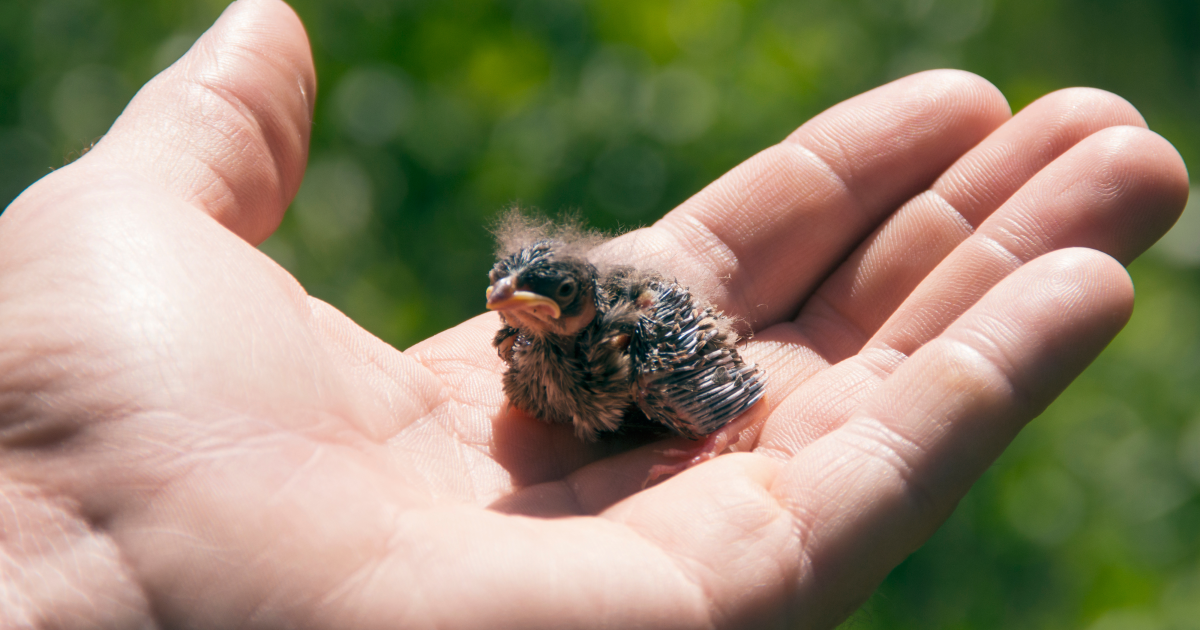
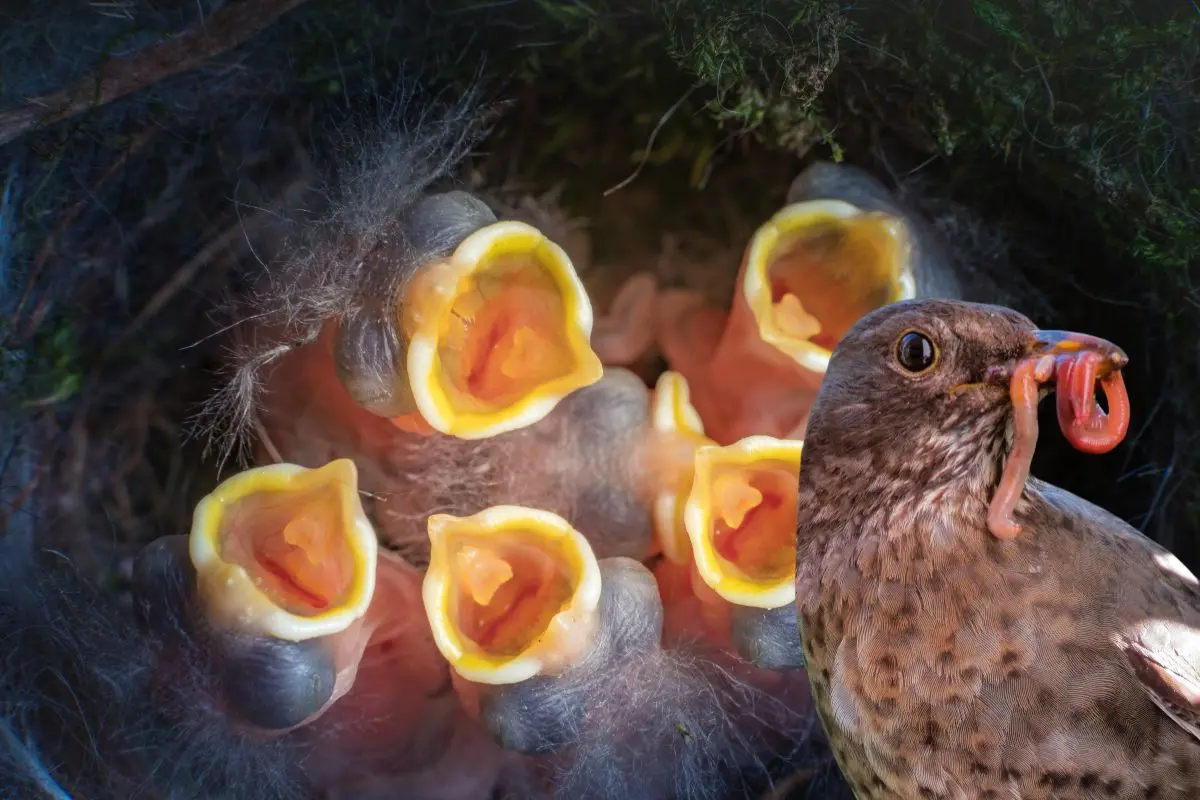
Watching for hunger signs is crucial in adjusting feeding frequency. A baby bird that opens its mouth wide and chirps is asking for food. Restlessness or repeated movements toward your hand can also indicate hunger.
On the other hand, if the bird refuses food or keeps its mouth closed, it may not need feeding yet. Paying close attention to these cues can help you avoid overfeeding or underfeeding your little charge.
Nighttime Feeding Needs
Most baby birds do not need to be fed during the night once they reach a certain age. However, very young hatchlings often require night feedings to maintain their energy. It’s important to learn the species-specific needs to decide if nighttime feedings are necessary.
If you find yourself waking up frequently to feed, ask yourself: is this really necessary, or can the bird safely sleep through the night? Balancing rest for both you and the bird is key to successful care.
Credit: pethelpful.com
Preparing The Food
Feeding an orphaned baby bird needs careful preparation of its food. The right food helps the bird grow strong and healthy. Food must be easy to swallow and digest. You must prepare meals fresh for every feeding. Use clean utensils and bowls to keep food safe. Avoid foods that can harm the bird or cause illness. Proper preparation ensures the baby bird gets the nutrients it needs.
Suitable Diet Options
- Commercial baby bird formula is best for many species.
- Boiled and mashed egg yolk provides protein.
- Soft fruits like mashed banana or apple can be added.
- Insects like mealworms are good for insect-eating birds.
- Avoid bread, milk, or human food not made for birds.
Mixing And Warming Food
Mix dry formula powder with warm water. The temperature should be around 100°F (38°C). Stir well to get a smooth consistency. Test the temperature on your wrist before feeding. Food must be warm but not hot to avoid burns. Use a clean syringe or dropper for feeding. Keep the food moist but not watery. Prepare small amounts to avoid waste.
Avoiding Harmful Ingredients
- No salt, sugar, or spices in the food.
- Never use milk or dairy products.
- No honey or raw eggs, which can cause bacteria.
- Avoid acidic fruits like oranges or lemons.
- Do not feed bread or processed human foods.
Feeding Techniques
Feeding an orphaned baby bird requires careful attention and the right techniques. Proper feeding ensures the baby bird gets enough nutrition without harm. Using the right tools and positions helps avoid accidents. Learning how to prevent aspiration is key to keeping the bird safe during feeding.
Proper Feeding Tools
Use small, soft tools like syringes or droppers. Avoid sharp or large objects that can hurt the bird. Choose tools that deliver small amounts of food gently. Clean all tools before each feeding to prevent infections. Soft brushes can also help guide food into the mouth safely.
Safe Feeding Positions
Hold the baby bird upright or slightly tilted forward. Keep the head steady but not forced. Support the body gently with your hand or a soft towel. Avoid feeding the bird on its back to reduce choking risk. Make sure the bird feels secure to reduce stress during feeding.
Preventing Aspiration
Feed slowly to avoid food entering the windpipe. Watch the bird’s throat and breathing closely. Stop feeding if the bird coughs or chokes. Use small food amounts to control swallowing better. Always keep the bird’s head higher than the stomach to help food go down correctly.
Monitoring Growth And Health
Monitoring an orphaned baby bird’s growth and health is vital for its survival. Careful observation helps spot problems early and ensures the bird thrives. Regular checks support timely adjustments in care and feeding.
Tracking Weight Gain
Weigh the bird daily using a small, accurate scale. Record the weight at the same time each day. Steady weight gain shows good health and proper feeding. Lack of weight gain or sudden loss signals trouble.
Recognizing Illness Signs
Watch for changes in behavior, such as lethargy or weak movements. Check for puffed-up feathers or unusual droppings. A bird that refuses food or cries often may be sick. Early detection helps prevent serious illness.
Adjusting Feeding Schedule
Use growth and health observations to change feeding times and amounts. Increase food if the bird grows quickly or seems hungry. Reduce feeding if the bird is full or gaining too fast. Stay flexible to meet the bird’s needs.
Weaning And Transitioning
Weaning and transitioning an orphaned baby bird is a delicate phase that requires patience and careful attention. This stage is crucial for helping your feathered friend move from a milk-only diet to solid foods while encouraging self-feeding. How you manage this shift can shape the bird’s health and independence for life.
Introducing Solid Foods
Start by offering soft, easily digestible foods that mimic what the bird would eat in the wild. You can mash cooked vegetables, soaked bird pellets, or finely chopped fruits into a smooth texture. Gradually, make the pieces larger and less mashed to help your bird get used to chewing.
Remember, every bird is different. Some may take to solid foods quickly, while others need more time and encouragement. Have you noticed your bird showing curiosity about your meals? Use that moment to introduce new tastes gently.
Reducing Feeding Frequency
As the bird begins eating solids, slowly cut down the number of hand-feedings each day. This teaches the baby bird to rely more on its beak and less on your feeding syringe or spoon. A good approach is to reduce feedings by one session every few days while increasing solid food availability.
Keep an eye on your bird’s weight and energy levels during this period. If the baby seems weak or loses weight, you might need to slow the transition. What signs does your bird show when it’s ready for fewer feedings?
Encouraging Independence
Encourage your bird to explore and feed itself by placing food in shallow dishes within easy reach. Let your baby bird practice pecking and picking up food pieces. You can even scatter some food around the cage to stimulate natural foraging behaviors.
Provide a safe and calm environment where the bird feels confident trying new things. Your patience here pays off as your bird learns to eat on its own and eventually thrives without constant help. How do you celebrate your bird’s small victories during this learning process?
Credit: wildbloo.com
When To Seek Expert Help
Knowing when to reach out for expert help can make a life-saving difference for an orphaned baby bird in your care. Feeding schedules and techniques can vary, and some situations require professional intervention to ensure the bird’s survival and healthy development. Don’t hesitate to seek guidance if you notice anything unusual or if the care demands exceed your comfort level.
Veterinarian Consultations
A qualified avian veterinarian is your best resource for assessing the health of an orphaned baby bird. They can check for dehydration, infections, or injuries that may not be obvious to the untrained eye. If your bird shows signs of lethargy, labored breathing, or refuses to eat despite your efforts, it’s time to schedule a visit.
Regular vet check-ups can help you adjust feeding frequency and diet as the bird grows. I once had a baby sparrow that seemed fine but was actually developing a nutrient deficiency. The vet’s advice on supplements made all the difference.
Wildlife Rehabilitation Resources
Wildlife rehabilitators specialize in caring for orphaned and injured wild birds and often have access to resources that private individuals don’t. They can provide advice tailored to the species, age, and condition of the bird you’re helping. If you’re unsure about how often to feed or what to feed, contacting a local rehabilitation center can provide clarity and support.
Many rehab centers offer training or materials to help you care properly until the bird can be transferred to them. Don’t hesitate to reach out early—this can prevent mistakes that might harm the bird.
Emergency Situations
Some signs demand immediate expert attention. If the baby bird is cold, unresponsive, bleeding, or has visible injuries, call a vet or wildlife rehabilitator right away. Delaying care in emergencies can worsen the bird’s condition quickly.
Ask yourself: Is the bird’s condition stable enough for you to continue care safely? If the answer is no, seek help immediately. Your prompt action can save a life and improve recovery chances significantly.
Credit: wildbloo.com
Frequently Asked Questions
How Often Should You Feed An Orphaned Baby Bird?
Feed an orphaned baby bird every 15-20 minutes during daylight. As they grow, the frequency decreases. Ensure the food is appropriate for their species. Consistent feeding helps in their development and survival. Monitor their growth and adjust feeding accordingly.
What Type Of Food Is Best For Baby Birds?
Use a high-protein formula designed for baby birds. Avoid giving water directly. Formulas provide essential nutrients and are easy to digest. Always ensure the food is at room temperature. Consult a wildlife expert for specific dietary needs based on the bird species.
Can You Overfeed An Orphaned Baby Bird?
Yes, overfeeding can be harmful. Birds have small stomachs, and excess food can cause health issues. Observe their behavior and stop feeding when they appear full. Always prioritize quality over quantity. Proper feeding schedules ensure healthy development.
How Do You Know If A Baby Bird Is Hungry?
Baby birds chirp loudly and open their mouths wide when hungry. They may also move restlessly. Observing feeding schedules and natural behaviors helps in understanding their needs. Regular feeding ensures they receive necessary nutrition for growth.
Conclusion
Feeding an orphaned baby bird often is very important. Young birds need food every few hours to grow strong. Watch the bird closely and feed it gently. Avoid giving too much or too little food. Keep the feeding schedule steady to help the bird stay healthy.
Patience and care make a big difference. Remember, small steps lead to big progress. Caring for a baby bird needs time, but it is worth it. Helping the bird grow safely is a kind and rewarding task.