

Have you ever stopped to think about what life would be like without the animals and birds that share our world? Every day, their numbers shrink, and their homes disappear.
But here’s the good news: you have the power to make a real difference. This article will show you simple, practical ways you can help protect and conserve these incredible creatures. By the time you finish reading, you’ll know exactly how your actions can create a safer, healthier environment for animals and birds to thrive.
Ready to be part of the change? Let’s dive in.
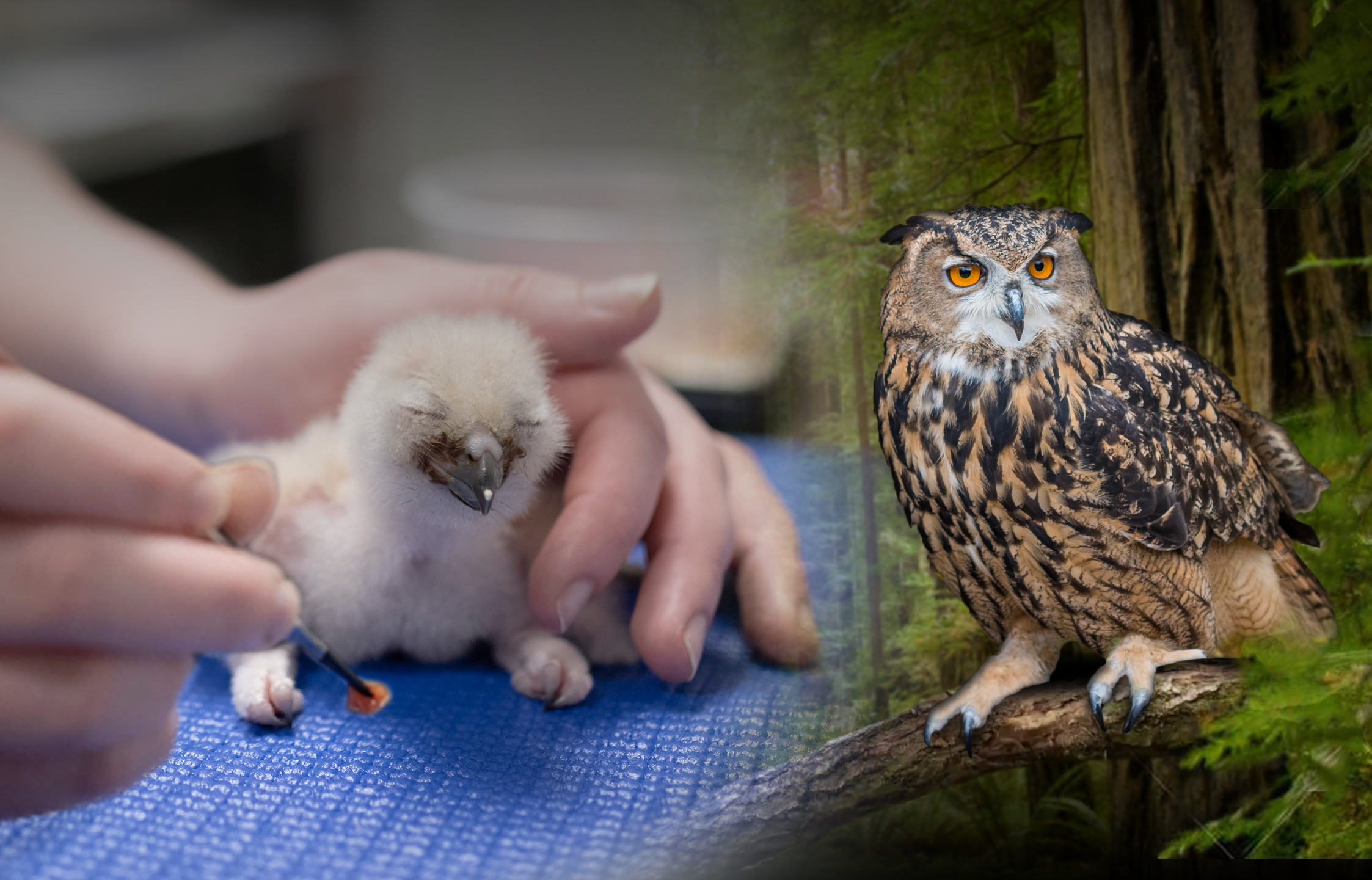
Credit: www.aviary.org
Importance Of Wildlife Conservation
Wildlife conservation is vital for keeping nature balanced and healthy. Animals and birds play key roles in our environment. Protecting them means protecting the world we live in. Without conservation efforts, many species face extinction. This loss affects ecosystems and human life. Understanding why wildlife conservation matters can inspire action to save these precious creatures.
Role Of Animals And Birds In Ecosystems
Animals and birds help pollinate plants. They spread seeds and keep insect populations in check. Many animals clean up dead matter, preventing disease. Birds control pests by eating insects and rodents. Their presence supports food chains and biodiversity. Healthy ecosystems depend on these natural processes.
Impact Of Habitat Loss
Destroying forests and wetlands removes homes for wildlife. Animals and birds lose places to live and find food. Habitat loss often leads to fewer species and weaker ecosystems. Some animals cannot survive without specific environments. Protecting habitats is essential for their survival and balance.
Effects Of Pollution And Climate Change
Pollution harms animals by contaminating water and food. Plastic waste can choke or trap wildlife. Chemicals disrupt reproduction and health. Climate change alters temperatures and weather patterns. Many animals struggle to adapt or migrate. These changes threaten the survival of many species worldwide.
Protecting Natural Habitats
Protecting natural habitats is essential for the survival of animals and birds. These habitats provide food, shelter, and breeding grounds. Without safe and healthy environments, many species face extinction. Conservation efforts must focus on preserving these areas and maintaining the balance of nature.
Preserving Forests And Wetlands
Forests and wetlands are home to countless species. They supply clean air and water, and support biodiversity. Protecting these areas stops habitat loss caused by logging and pollution. Reforestation and wetland restoration help rebuild damaged ecosystems. Local communities benefit from the resources and stability these habitats offer.
Creating Wildlife Corridors
Wildlife corridors connect fragmented habitats, allowing animals to move safely. These paths reduce road accidents and help species find food and mates. Corridors prevent isolation, which can weaken animal populations. Planning corridors near human settlements ensures less conflict and supports natural migration patterns.
Promoting Sustainable Land Use
Sustainable land use balances development with nature’s needs. Farming, building, and industry must avoid destroying habitats. Practices like crop rotation, controlled grazing, and green spaces protect soil and water. Communities that use land wisely help maintain healthy ecosystems for animals and birds alike.
Reducing Human-wildlife Conflicts
Reducing conflicts between humans and wildlife is key to protecting animals and birds. Conflicts arise when animals enter human spaces or when people harm animals. These clashes can cause injury, death, and loss of habitat. Finding ways to live safely alongside wildlife helps both sides thrive. Simple actions can lower tensions and protect nature.
Safe Coexistence Practices
Living peacefully with animals starts with respect and caution. Avoid feeding wild animals to prevent dependency. Use secure trash bins to stop animals searching for food. Install fences or barriers around homes and farms. This keeps animals out without harm. Use noise or light deterrents carefully to guide animals away. Educate communities about animal behavior and safety. Awareness reduces fear and misunderstandings.
Managing Urban Expansion
Urban growth often destroys animal habitats. Planning new buildings with green spaces helps preserve nature. Create corridors for animals to move safely between areas. Protect wetlands, forests, and parks inside cities. Limit construction in critical wildlife zones. Use native plants in landscaping to support local birds and insects. Thoughtful urban design reduces habitat loss and conflict.
Mitigating Poaching And Illegal Trade
Poaching threatens many animal and bird species. Strengthen laws and penalties against illegal hunting. Increase patrols in vulnerable areas to catch offenders. Support community programs that offer alternatives to poaching. Raise awareness about the harm of wildlife trade. Use technology like cameras and drones for monitoring. Cooperation between governments and locals improves protection efforts.

Credit: www.fws.gov
Supporting Conservation Efforts
Supporting conservation efforts is vital to protect animals and birds from extinction. It helps maintain natural habitats and supports biodiversity. Everyone can take part in these efforts, no matter where they live or how much time they have.
Small actions by many people add up. They create a big impact on saving wildlife. Learning how to support conservation helps make a difference for future generations.
Participating In Community Programs
Community programs focus on local wildlife protection. Joining these programs connects you with others who care. Activities may include habitat cleanups, tree planting, and species monitoring. These projects improve the environment and help animals thrive.
Local programs often teach about native species and their needs. They give practical ways to help every day. Being part of a group also raises awareness in your neighborhood.
Volunteering And Citizen Science
Volunteering offers hands-on experience in conservation work. Tasks might involve rescuing injured animals or restoring habitats. Many organizations welcome volunteers with all skill levels.
Citizen science allows you to collect data for research. This can include bird counts, tracking animal sightings, or recording plant growth. Your observations help scientists understand wildlife better. It is a simple way to contribute to big projects.
Donating To Wildlife Organizations
Donations fund vital conservation programs and rescue efforts. Many organizations use funds to protect endangered species. They also support education and advocacy campaigns.
Even small donations help cover costs for food, medicine, and habitat restoration. Choose trusted groups that focus on real conservation outcomes. Your support keeps their important work going strong.
Promoting Awareness And Education
Raising awareness and educating people about animals and birds is a powerful way to protect them. When you understand their role in the ecosystem and the threats they face, you become motivated to help. Education opens eyes and changes habits, making conservation a shared goal.
Incorporating Wildlife Topics In Schools
Schools shape how young minds view the world. Adding lessons about local animals and birds can spark curiosity and respect early on.
Teachers can use simple activities like nature walks or bird-watching projects to bring wildlife closer to students. These hands-on experiences make learning memorable and inspire kids to care.
Have you noticed how children get excited when they see an animal up close? That excitement often turns into lifelong support for protecting wildlife.
Using Media To Spread Conservation Messages
Media reaches millions quickly. Using videos, social media posts, and articles to share facts about wildlife helps spread knowledge beyond classrooms.
Short, clear messages with striking images or stories about animals in danger grab attention and encourage sharing. This can lead to real action, like donations or volunteer work.
Think about the last time a wildlife video moved you emotionally. Could your voice and sharing help others feel the same?
Encouraging Responsible Tourism
Tourism can support conservation when done thoughtfully. Visitors who respect animal habitats and follow guidelines help protect wildlife.
Tour operators and guides can educate tourists about the importance of keeping a safe distance and not disturbing animals. This reduces stress on wildlife and preserves natural behavior.
Before your next trip, ask yourself: How can I enjoy nature without causing harm? Responsible tourism is a simple way you can make a difference.

Credit: www.allaboutbirds.org
Adopting Eco-friendly Practices
Adopting eco-friendly practices plays a crucial role in conserving animals and birds. Small changes in your daily habits can create a big impact on wildlife habitats and their survival. By choosing mindful actions, you help maintain the balance of nature and protect the creatures that share our planet.
Reducing Waste And Plastic Use
Plastic pollution is one of the biggest threats to animals and birds. You can make a difference by cutting down on single-use plastics like bags, bottles, and straws. Carry a reusable water bottle and shopping bag to avoid plastic waste during your errands.
Think about what you throw away daily. Are there items you can reuse or recycle instead? Even small steps like refusing plastic packaging or composting food scraps lessen the burden on landfills and oceans, where many animals suffer from pollution.
Choosing Sustainable Products
Your shopping choices affect wildlife habitats more than you might realize. Opt for products made from sustainable materials or those certified by environmental organizations. This supports companies that prioritize protecting natural resources and animal welfare.
Pay attention to labels and ask yourself: Does this product harm the environment? For example, palm oil is linked to deforestation, which destroys bird and animal homes. Choosing alternatives without harmful ingredients helps preserve those ecosystems.
Supporting Organic And Local Farming
Organic farming avoids harmful pesticides and chemicals that poison birds and animals. By buying organic produce, you reduce the demand for harmful farming methods that damage ecosystems. Plus, local farms often practice more wildlife-friendly techniques.
Have you ever visited a farmers’ market? Connecting directly with local farmers can help you learn how your food is grown. Supporting them means healthier soil, cleaner water, and safer habitats for animals around your community.
Monitoring And Research
Monitoring and research play a crucial role in conserving animals and birds. Without accurate data, your efforts may miss the mark. Understanding population sizes, behavior, and threats helps you create effective protection plans.
Tracking Wildlife Populations
Knowing how many animals or birds live in an area is the first step to conservation. You can track populations using surveys, camera traps, or even by counting nests and tracks. This data shows if a species is thriving or in danger.
Have you ever noticed how some animals vanish from places they once roamed freely? Tracking helps reveal these changes early, so you can act before it’s too late.
Studying Behavioral Patterns
Understanding how animals behave in their natural environment is key. Observing feeding habits, mating rituals, and migration routes tells you what they need to survive. This knowledge helps you protect critical habitats and plan conservation activities that support their lifestyle.
For example, certain birds only breed in specific seasons. Protecting nesting sites during those times can boost their numbers significantly.
Using Technology In Conservation
Technology makes monitoring faster and more accurate. GPS collars, drones, and acoustic sensors allow you to gather data without disturbing wildlife. These tools provide real-time information on movement and health.
Imagine using a drone to spot a rare bird’s nest high in the trees, without climbing or causing stress. Technology opens new doors for careful, respectful research.
- GPS tracking helps follow migration paths.
- Drones capture images in remote areas.
- Acoustic sensors record bird calls to identify species.
What technology could you use to better understand the animals and birds near you? Your curiosity might lead to discoveries that protect these creatures for generations.
Frequently Asked Questions
What Are Effective Ways To Conserve Animals And Birds?
Effective ways include protecting habitats, banning hunting, and supporting wildlife reserves. Educate communities on species importance and reduce pollution to help conservation efforts thrive.
Why Is Habitat Preservation Crucial For Wildlife Conservation?
Habitat preservation provides animals and birds with food, shelter, and breeding grounds. Without safe habitats, species face extinction due to loss of essential resources.
How Can Individuals Contribute To Animal And Bird Conservation?
Individuals can plant native trees, avoid plastic use, support conservation groups, and report illegal wildlife activities. Small actions collectively create a safer environment for wildlife.
What Role Do Laws Play In Protecting Wildlife?
Laws regulate hunting, trade, and habitat destruction. They ensure species protection and penalize violations, helping maintain biodiversity and ecological balance.
Conclusion
Protecting animals and birds helps keep nature healthy. Every small action counts. Plant trees, avoid pollution, and respect wildlife habitats. Teach others about the importance of conservation. Together, people can save many species from harm. A safe environment benefits both animals and humans.
Start today to make a difference for future generations. Caring for wildlife shows kindness and responsibility. Let’s work as one to keep animals and birds safe. The earth needs us now more than ever.