
Finding a helpless bird chick can make you want to help right away. But do you know the best way to feed it and keep it healthy?
Feeding a bird chick isn’t as simple as giving it food—you need to understand what it needs at every stage. If you want to make sure your little feathered friend grows strong and thrives, this guide is made just for you.
Keep reading, and you’ll learn the easy, effective steps to feed a bird chick the right way. Your care can make all the difference.
Preparing For Feeding
Preparing to feed a bird chick is a delicate task that requires careful attention. Proper preparation helps ensure the chick’s health and growth. Understanding the needs of the chick is the first step. Setting up the right environment and having the necessary supplies ready makes feeding easier and safer.
Essential Supplies
Gather all feeding supplies before starting. Use a small syringe or dropper to feed the chick gently. Have a shallow dish for mixing food if needed. Prepare clean water to keep the chick hydrated. Use soft, fresh food suitable for the chick’s age and species. Keep paper towels or soft cloths nearby to clean spills and keep the chick dry.
Safe Feeding Environment
Choose a quiet and warm area for feeding. Avoid places with strong drafts or loud noises. Keep the space clean to prevent infections. Use a soft towel or cloth as a base to hold the chick steady. Make sure the lighting is soft, not too bright. A calm environment helps the chick feel safe and less stressed.
Identifying Chick Species
Knowing the chick’s species is key to proper feeding. Different species need different diets and care. Observe the chick’s size, color, and beak shape for clues. Use bird care guides or apps for identification help. Contact a local wildlife expert if unsure. Correct identification prevents feeding mistakes that can harm the chick.

Credit: m.youtube.com
Feeding Techniques
Feeding a bird chick requires careful attention to its nutritional needs and feeding habits. The right techniques can make a huge difference in the chick’s growth and survival. You need to understand what to feed, how often, and how to deliver the food safely and effectively.
Choosing The Right Food
Start with foods that mimic what the parent birds would provide. Soft, easily digestible options like soaked dog kibble, finely chopped boiled eggs, or a specialized commercial hand-rearing formula work well.
Avoid anything too hard or large, as chicks have tiny throats and can choke easily. Adding a bit of water or formula to moisten the food makes it easier to swallow.
Have you ever noticed how wild parent birds feed their chicks insects and worms? These provide essential proteins and nutrients you want to replicate with your food choices.
Feeding Frequency And Amounts
Baby birds need frequent feedings because they grow fast and have high energy needs. Depending on the species and age, feed your chick every 20 to 30 minutes during daylight hours.
Don’t overfeed; watch the chick’s crop (the small pouch in its throat). It should fill but not bulge. A full crop means it has enough food, so stop feeding to avoid discomfort or health issues.
Ask yourself: Is the chick showing hunger signs, or is it turning away? Reading these cues helps you adjust feeding times and amounts perfectly.
Proper Feeding Methods
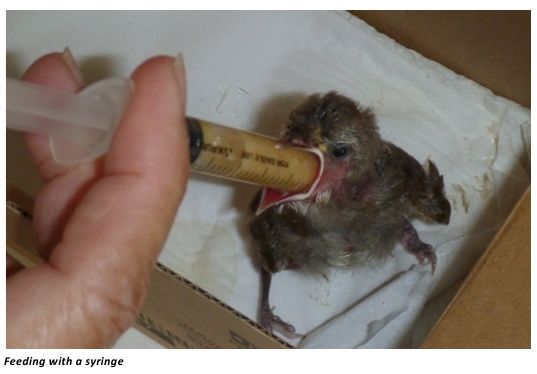
Use a small syringe, dropper, or a soft brush to feed the chick. Always be gentle and patient to avoid injuring its delicate mouth and throat.
Hold the chick securely, but don’t squeeze. Position the food at the side of its beak to encourage swallowing, mimicking the parent bird’s feeding style.
Never force food down the throat, as this can cause choking or aspiration. Instead, offer small amounts steadily and pause if the chick resists or shows signs of distress.
Health And Safety
Feeding a bird chick goes beyond just offering food; your focus must be on its health and safety. A fragile chick depends entirely on you to notice any early warning signs of illness, maintain a clean environment, and avoid mistakes that could harm its growth. Paying close attention to these areas can make a huge difference in your chick’s chance of thriving.
Recognizing Signs Of Illness
Watch your chick closely for changes in behavior. Is it unusually quiet or lethargic? A healthy chick should be alert and responsive.
Check its droppings regularly; watery or discolored waste can signal digestive issues or infection. Notice any swelling or unusual discharge around the eyes and beak.
Have you seen your chick struggling to breathe or showing signs of fluffed-up feathers? These symptoms require immediate attention from a wildlife rehabilitator or vet.
Maintaining Cleanliness
Cleanliness is crucial in preventing infections. Always wash your hands before and after handling the chick or its food to stop the spread of germs.
Change bedding daily and sanitize feeding tools like syringes or spoons after each use. A dirty environment can quickly lead to illness.
Remember, even small amounts of leftover food can attract bacteria. Remove any uneaten portions promptly to keep the habitat safe.
Avoiding Common Feeding Mistakes
Never feed your chick food that is too cold or too hot; both can cause digestive shock. Lukewarm food is safest.
Be cautious not to overfeed or force-feed, as this can cause choking or aspiration pneumonia. Let the chick show hunger cues before offering more.
Using the wrong type of food is a common error. Avoid bread or milk, which can upset their stomach. Stick to species-appropriate diets recommended by experts.
Encouraging Independence
Helping a bird chick become independent is a rewarding challenge. It’s about giving your chick the right tools and confidence to thrive on its own. Encouraging independence means carefully balancing support with freedom, so your little bird can grow strong and self-reliant.
Introducing Solid Foods
Start by offering soft, easy-to-digest solid foods alongside the usual formula. You can mash cooked vegetables or soaked bird pellets into a smooth paste. This familiar texture makes the transition less intimidating for your chick.
Place small amounts on a shallow dish and watch how your chick reacts. Does it peck curiously or shy away? Your goal is to gently encourage exploration without forcing the food.
Promoting Self-feeding
Encourage your chick to feed itself by creating a safe, inviting feeding area. Use small, shallow bowls that are easy to access. You might notice your chick using its beak awkwardly at first—that’s a good sign of learning.
Offer finger feeding only when necessary, then slowly reduce it. Have patience; your chick’s coordination improves with practice. Ask yourself: How can I make feeding fun and stress-free for my bird?
Weaning Process
Weaning is a gradual shift from formula feeding to solid foods. Reduce the frequency of hand feeding day by day, giving your chick more chances to eat independently. Watch for signs of readiness like interest in food and improved pecking skills.
Keep the environment calm and consistent to avoid stress during this transition. Remember, patience is key—every chick moves at its own pace. Are you ready to step back and let your chick take charge of its meals?
When To Seek Help
Knowing when to seek help for a bird chick can make all the difference in its survival. Some situations demand immediate action, while others can be managed at home with care. Understanding these signs helps you avoid unnecessary interference and ensures the chick gets the best chance to thrive.
Consulting Wildlife Experts
If you notice a chick that is injured, cold, or abandoned for a long time, it’s time to reach out to a wildlife expert. These professionals have the knowledge and tools to provide proper care and rehabilitation.
You might wonder: how long should a chick be left alone before calling for help? If you observe no parent birds returning after a few hours, or if the chick appears weak and lethargic, don’t hesitate to get expert advice.
Wildlife experts can also guide you on local laws regarding bird rescue, ensuring that your actions are legal and beneficial. They often have facilities designed specifically for the delicate needs of young birds.
Emergency Care Tips
While waiting for expert help, you can take some emergency steps to stabilize the chick. Keep the bird warm by placing it in a small box lined with soft cloth, away from drafts and pets.
- Use a heating pad on low or a warm water bottle wrapped in a towel to provide gentle heat.
- Offer small drops of water with a syringe or dropper but avoid forcing food or water down its throat.
- Handle the chick as little as possible to reduce stress and prevent injury.
Have you ever tried feeding a tiny bird and felt unsure if you were doing more harm than good? Remember, your goal is to keep the chick stable until professional care takes over.

Credit: www.youtube.com

Credit: swibirds.org
Frequently Asked Questions
How Often Should I Feed A Bird Chick Daily?
Feed a bird chick every 15 to 20 minutes from dawn to dusk. Young chicks need frequent meals for proper growth. As they grow, feeding intervals can gradually increase.
What Type Of Food Is Best For Bird Chicks?
Soft, protein-rich foods like soaked dog kibble, hard-boiled eggs, and mealworms work well. Avoid seeds and bread, as they lack necessary nutrients.
Can I Use Homemade Formulas For Feeding Bird Chicks?
Yes, homemade formulas with cooked eggs, oats, and baby bird food are suitable. Ensure the mixture is smooth and warm before feeding to avoid crop infections.
How Do I Safely Feed A Bird Chick By Hand?
Use a small syringe or dropper to gently place food into the chick’s mouth. Avoid force feeding and keep the chick upright to prevent choking.
Conclusion
Feeding a bird chick takes patience and gentle care. Use soft, nutritious food in small amounts. Offer food carefully to avoid harm or choking. Keep the feeding area clean and quiet. Watch the chick’s reactions to know when it’s full.
Always stay calm and consistent with feeding times. Helping a chick grow strong is rewarding and important. Keep learning and enjoy watching the chick thrive. Simple steps make a big difference in bird care.