
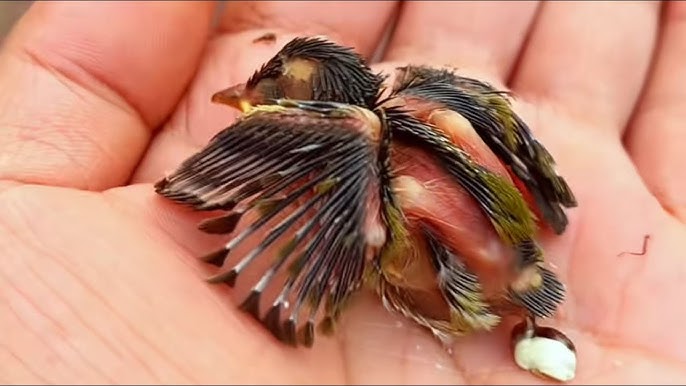
Have you ever found a tiny baby bird and wondered how to feed it properly? It’s a delicate task that needs careful attention.
You want to give your little feathered friend the best chance to grow strong and healthy. But where do you start? What should you feed it, and how often? This guide will walk you through everything you need to know to care for a young baby bird.
By the end, you’ll feel confident and ready to help your fragile visitor thrive. Keep reading—you’re about to become a lifesaver.

Credit: www.youtube.com
Identifying A Baby Bird
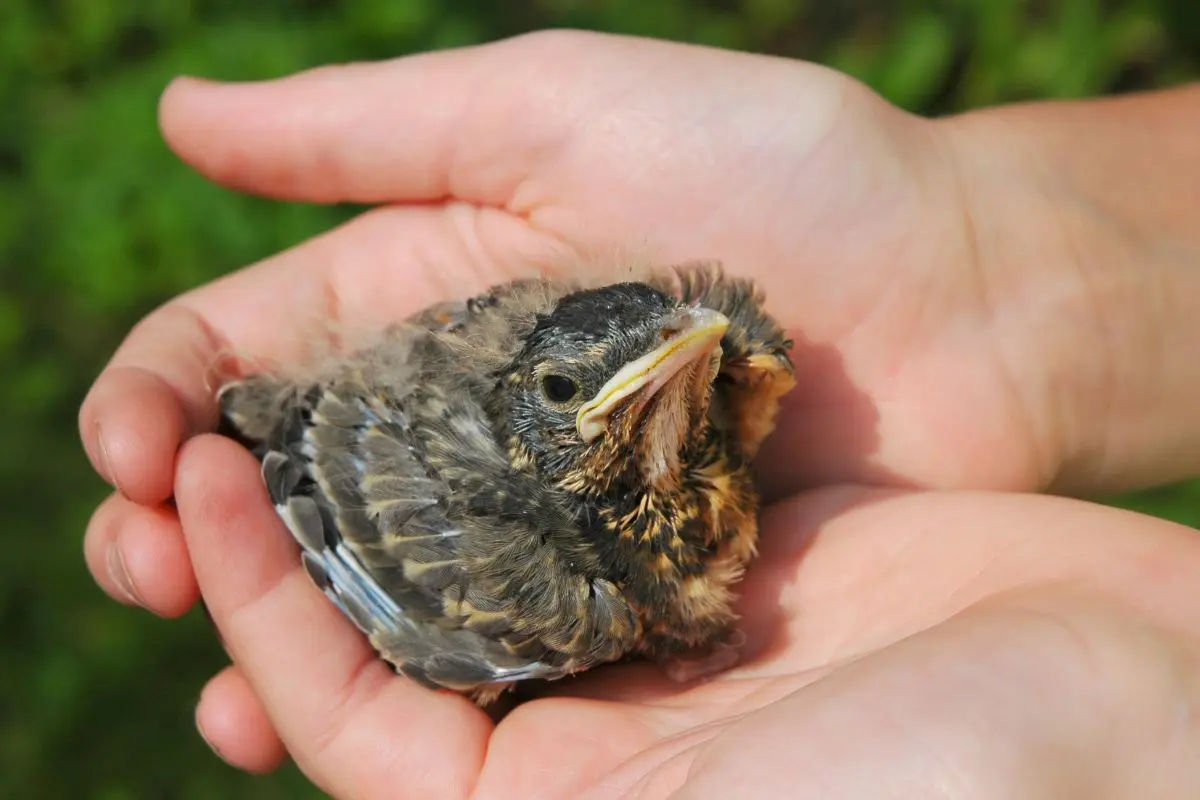
Identifying a baby bird is the first step in helping it survive. Baby birds look different from adults. Their size, feathers, and behavior give clues about their age. Recognizing these signs helps provide the right care and feeding. This section guides you through spotting and understanding young birds in need.
Signs Of A Young Bird
- Small size, often smaller than an adult bird
- Fluffy down feathers instead of full adult plumage
- Closed or partially open eyes in very young birds
- Weak or uncoordinated movements
- Open mouth and loud begging calls for food
- Limited ability to fly or perch
Common Species Found
Some baby birds are more common in urban or rural areas. Knowing the species helps understand their needs. Common baby birds include:
- American Robin – with orange bellies and speckled chests
- House Sparrow – small, brown, and fluffy
- Blue Jay – bright blue feathers developing with some fluff
- Mourning Dove – soft gray feathers and a small head
- European Starling – dark feathers with spots as they grow
Assessing The Bird’s Condition
Check the bird’s health before feeding. Look for signs like:
- Breathing steadily without gasping
- Skin free of wounds or swelling
- Alertness and response to sound or touch
- Body temperature: not too cold or hot
- Feathers clean but may be ruffled or patchy
A sick or injured bird may need professional care. Handle gently to avoid stress or injury.
Preparing The Feeding Environment
Preparing the feeding environment for a young baby bird sets the stage for its health and growth. The space must be safe, warm, and cozy. Each element plays a key role in helping the baby bird feel secure and cared for. Focus on creating a spot that mimics the natural nest as closely as possible.
Safe Housing Setup
Choose a small box or container to house the baby bird. Line it with soft, clean cloths or paper towels. Avoid materials that can snag the bird’s feet or wings. Ensure there is enough space for the bird to move slightly but not too much that it gets lost or hurt.
Keep the housing away from pets, children, and loud noises. Place it in a quiet, low-traffic area. This reduces stress and allows the baby bird to rest well between feedings.
Maintaining Proper Temperature
Young birds cannot regulate their body heat. Maintain a warm environment around 85-90°F (29-32°C) for the first week. Use a heating pad set on low or a warm water bottle wrapped in a towel.
Check the temperature often. The baby bird should feel warm but not hot. Adjust heat sources to avoid overheating or chilling.
Creating A Comfortable Nest
Build a soft, cushioned nest inside the housing. Use a small basket or a shallow box lined with soft cloth or natural materials like dried grass. Make sure the nest is deep enough to keep the bird secure.
Keep the nest clean and dry. Change the lining daily or whenever it becomes soiled. A clean nest helps prevent infections and keeps the baby bird healthy.
Choosing The Right Food
Choosing the right food for a young baby bird is crucial for its growth and survival. Each species has unique dietary needs that must be met to ensure proper development. Feeding the wrong type of food can lead to malnutrition or even harm the delicate bird.
Diet Needs By Species
Different baby birds require different diets based on their species. For example, insect-eating birds like robins need protein-rich foods such as worms and small insects. Seed-eating birds like finches thrive on a mix of softened seeds and grains.
Understanding your bird’s natural diet helps you mimic it as closely as possible. Have you noticed how some birds eagerly snap up insects while others pick at seeds? This behavior gives clues about what they need.
Suitable Food Types
Soft, easy-to-digest foods work best for baby birds. You can offer mashed fruits, soaked dog or cat kibble, and specialized commercial baby bird formulas. These options provide essential nutrients and moisture to keep the bird hydrated and healthy.
Many people overlook the importance of moisture in baby bird diets. Dry food can cause choking or dehydration, so always moisten dry foods before feeding. Have you tried mixing formula with warm water to create a smooth paste? It’s much easier for the bird to swallow.
Avoiding Harmful Substances
Never feed baby birds foods containing salt, sugar, or dairy. These can upset their digestive systems and cause serious health problems. Also, avoid giving bread or processed human foods, which lack the nutrients young birds need.
Be cautious with natural foods too. For instance, avocado is toxic to many bird species. Always research or consult an expert before introducing new foods. Do you know which common household foods might harm your baby bird?
Feeding Techniques
Feeding a young baby bird requires patience and the right techniques to ensure it gets the nutrition it needs. How you feed can affect the bird’s growth and health, so understanding effective feeding methods is crucial. Let’s dive into practical ways to feed your tiny feathered friend.
Hand-feeding Methods
Hand-feeding a baby bird means you become its caregiver and source of nutrition. Use your fingers or a soft cloth to gently open the bird’s beak. Be calm and slow—sudden movements can scare the bird and make feeding difficult.
Start by offering small amounts of food on your fingertip. If the bird accepts it, gradually introduce a shallow spoon or syringe. Remember, the goal is to mimic the natural feeding behavior of parent birds as closely as possible.
Using Feeding Tools
Feeding tools like syringes, spoons, or small tweezers help deliver food safely and efficiently. Syringes are especially useful for liquid or semi-liquid formulas, allowing you to control the flow and avoid overfeeding.
Choose a tool appropriate for the bird’s size to prevent injury. Always sterilize your tools before each use to keep the bird safe from infections. Have you ever noticed how a gentle touch can calm a nervous baby bird during feeding?
Frequency And Amounts
Young birds need frequent feeding because they have fast metabolisms and small stomachs. Typically, feeding every 2-3 hours during daylight is necessary for the first week or two.
Amounts depend on the species and size of the bird, but a good rule is to feed just enough so the crop (a small pouch in their throat) feels full but not stretched. Overfeeding can cause health problems, so watch the bird’s crop carefully to know when to stop.
Monitoring Growth And Health
Keeping a close eye on your baby bird’s growth and health is essential for its survival and well-being. You can catch problems early and adjust feeding or care routines by monitoring key indicators. This attention helps you ensure your little feathered friend thrives during its most vulnerable stages.
Tracking Weight And Development
Weigh your baby bird daily using a small, precise scale. Consistent weight gain signals proper feeding and health, while sudden drops can indicate trouble.
Along with weight, watch how your baby bird develops physically. Are its feathers growing? Is it becoming more active? These signs show if your feeding schedule and diet are working well.
Keep a simple log with dates, weights, and notes on behavior or physical changes. This record becomes your go-to reference to spot trends or issues quickly.
Recognizing Illness Signs
Baby birds can’t tell you when they feel bad, so you must learn their warning signs. Look for:
- Fluffed-up feathers or lethargy
- Uneaten food or refusal to swallow
- Labored breathing or unusual noises
- Diarrhea or abnormal droppings
These symptoms may appear subtle at first but can worsen fast. Noticing them early helps you act before it’s too late.
When To Seek Veterinary Help
If your baby bird’s weight drops for more than two days or it shows any illness signs, contact a vet immediately. Waiting can reduce chances of recovery.
Don’t hesitate if you feel uncertain about your bird’s condition. Vets experienced with birds offer advice that can save lives.
Have you ever noticed a slight change in your bird’s behavior that turned out to be serious? Paying attention to these details can make all the difference in their survival.

Credit: m.youtube.com
Weaning And Independence
Weaning a young bird is a delicate phase that marks the start of its independence. This transition is more than just changing diets; it’s about helping your bird gain confidence and develop essential survival skills. Watching a baby bird take its first solid food and begin to explore is a rewarding experience that requires patience and careful observation.
Signs Of Readiness
Before you introduce solid foods, watch for clear signs that your baby bird is ready to wean. One sign is when the bird starts to show less interest in being fed directly from you and begins pecking at food on its own. Another is increased energy and curiosity, indicating it’s eager to explore new textures and tastes.
Have you noticed your bird opening its mouth less frequently during feeding? That might mean it’s time to start the transition. Also, if your bird tries to nibble on items like soft fruits or soaked pellets, it’s a good signal it’s ready for more independence.
Introducing Solid Foods
Start by offering soft, easy-to-digest foods such as soaked pellets, finely chopped fruits, or cooked vegetables. Place small amounts near the baby bird to encourage self-feeding. If it hesitates, gently guide its beak towards the food without forcing it.
Consistency matters. Offer these foods multiple times a day alongside the usual formula to help your bird adjust gradually. Avoid sudden changes or hard foods that may frustrate your young bird and slow progress.
Encouraging Natural Behaviors
Feeding is just one part of growing independence. Encourage your bird to explore by placing food in different spots within its enclosure. This stimulates natural foraging instincts and builds problem-solving skills.
Let your bird practice wing flapping and short flights in a safe space. These activities strengthen muscles and boost confidence. Remember, your role is to support without taking over—how much freedom can you give today to help your bird thrive tomorrow?
Credit: wildbloo.com
Frequently Asked Questions
How Often Should I Feed A Young Baby Bird?
Feed a young baby bird every 15 to 20 minutes from dawn to dusk. Frequent feeding mimics natural parental care, ensuring proper growth and hydration. Avoid overfeeding to prevent choking or digestive issues.
What Is The Best Food For A Baby Bird?
The best food varies by species, but generally, soft, protein-rich foods like soaked dog kibble, mealworms, or mashed boiled eggs work well. Avoid milk or bread, as they can harm baby birds.
How Do I Safely Feed A Baby Bird By Hand?
Use a small, soft-tipped syringe or tweezers to gently offer food. Hold the bird securely but gently. Feed slowly to avoid choking and ensure the bird swallows each bite before giving more.
Can I Feed A Baby Bird With Formula From Pet Stores?
Yes, specialized hand-rearing formulas from pet stores are ideal. They provide balanced nutrients and are easy to digest. Follow package instructions carefully for mixing and feeding amounts.
Conclusion
Feeding a young baby bird requires patience and care. Provide nutritious food regularly. Ensure the bird’s environment is safe and warm. Always use clean feeding tools to avoid infections. Pay attention to the bird’s behavior and health signs. Consult a vet if uncertain about dietary needs.
Proper feeding ensures the bird’s healthy growth. Learning these steps makes you a nurturing caretaker. Keep observing and adjusting as the bird grows. It’s a rewarding experience watching them thrive. With time, your efforts will lead to a strong, healthy bird.
Enjoy the journey of caring and bonding.