
If you’ve found a baby barn bird and want to help it grow strong, you’re in the right place. Feeding a baby bird isn’t as simple as it seems—it takes the right food, timing, and care to keep it healthy.
You might wonder what to feed, how often, and how to do it safely. This guide will answer those questions and give you practical tips to make sure your feathered friend gets the best start. Keep reading, and you’ll learn exactly what your baby barn bird needs to thrive.
Choosing The Right Food
Feeding a baby barn bird the right food is crucial for its growth and survival. The diet you choose impacts its health, energy levels, and ability to thrive in the wild. Understanding what these birds naturally eat and what you can safely provide makes a big difference.
Natural Diet Of Barn Birds
Baby barn birds primarily feed on insects and seeds in the wild. These foods provide essential proteins and nutrients needed for rapid growth. Watching birds in your local barn or countryside can reveal what they prefer, such as grasshoppers, beetles, and small seeds.
Have you noticed how adult barn birds hunt for live insects? This behavior highlights the importance of protein-rich food for chicks. Offering similar options mimics their natural diet and supports healthy development.
Suitable Commercial Feed Options
There are commercial feeds designed specifically for baby birds that balance nutrition effectively. Look for products labeled for insectivorous or granivorous birds, which include the right mix of proteins, vitamins, and minerals.
- Specialized chick starter pellets
- Crushed birdseed blends
- Freeze-dried insects or mealworms
Using commercial feeds can save time and ensure consistent nutrition. Still, combining these with fresh insects can enhance the diet and keep your baby barn bird happy.
Avoiding Harmful Foods
Not all foods are safe for baby barn birds. Avoid anything with high salt, sugar, or artificial additives. Bread, dairy, and processed human snacks can cause serious health problems.
Did you know some fruits and vegetables can upset their digestive systems? Always research or consult a wildlife expert before introducing new foods. Your careful choices protect the bird from harm and support its natural growth.

Credit: www.blog.catandturtle.net
Feeding Techniques
Feeding baby barn birds needs care and proper techniques to keep them healthy. Feeding techniques help you provide the right nutrition and avoid harm. This section explains safe and easy ways to feed baby barn birds.
Hand-feeding Methods
Hand-feeding helps build trust between you and the bird. Use clean hands and gentle movements. Hold the baby bird softly but firmly. Offer small bits of soft food like soaked pellets or mashed fruits. Make sure the food is the right temperature—warm, not hot.
Be patient and calm. Let the bird open its mouth by tapping gently under its beak. Feed slowly to avoid choking. Stop if the bird shows signs of fullness or stress.
Using Feeding Syringes
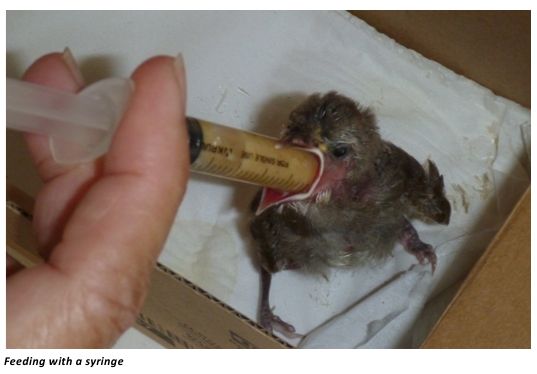
Feeding syringes deliver food safely into the bird’s mouth. Choose a syringe with a soft, rounded tip. Fill it with a smooth, liquid diet made for baby birds. Hold the bird securely but gently.
Place the syringe tip near the side of the beak. Slowly push the plunger to release a small amount of food. Watch the bird swallow before giving more. Clean the syringe well after each use to prevent infection.
Frequency And Portion Control
Feed baby barn birds often. Newborns need feeding every 1 to 2 hours during the day. Older birds eat less often but still need regular meals. Keep portions small to avoid overfeeding and digestive problems.
Observe the bird’s hunger cues. A hungry bird will open its mouth wide and be active. Stop feeding when the bird turns away or closes its mouth. Proper timing and portion help the bird grow strong and healthy.
Maintaining Hygiene
Maintaining hygiene is crucial when feeding a baby barn bird. Cleanliness helps protect the young bird from harmful germs and infections. Careful attention to hygiene ensures the baby bird stays healthy and grows strong. Small habits can make a big difference in preventing illness.
Cleaning Feeding Equipment
Always wash feeding bottles and spoons after each use. Use warm water and mild soap to remove all food residues. Rinse thoroughly to avoid soap traces that can harm the bird. Dry equipment completely before storing to prevent bacteria growth. Regularly inspect for cracks or damage that could hide germs.
Preventing Infections
Wash your hands well before and after feeding the bird. Avoid touching the bird’s mouth or feathers unnecessarily. Use clean cloths or paper towels to wipe spills and droppings. Keep the feeding area free of leftover food and dirt. Watch for signs of illness like lethargy or unusual droppings.
Safe Feeding Environment
Feed the baby bird in a quiet, clean place to reduce stress. Remove any potential hazards like sharp objects or chemicals nearby. Ensure the temperature is comfortable and stable during feeding times. Avoid drafts or direct sunlight that can harm the bird. Keep pets and other animals away from the feeding area.
Credit: irishwildlifematters.ie
Monitoring Growth And Health
Monitoring the growth and health of a baby barn bird is crucial for ensuring it develops properly and thrives in its environment. Regular checks give you insight into its well-being and help you catch any issues early. Paying close attention to specific signs can make the difference between a healthy bird and one that struggles.
Tracking Weight Gain
Weigh your baby barn bird daily using a small, accurate scale. Consistent weight gain is a strong indicator that your feeding routine is working. If the bird’s weight stalls or drops, it’s a clear signal to adjust the feeding amount or frequency.
Keep a simple chart or log to track the bird’s progress over time. Noticing small changes early can prevent bigger health problems later. Have you ever caught a problem just in time because you recorded something regularly?
Recognizing Signs Of Malnutrition
Look out for dull feathers, lethargy, or a lack of appetite—these can be signs your baby barn bird isn’t getting the nutrients it needs. Malnutrition can also cause slow growth and weak bones.
Check the bird’s droppings as well; unusual color or consistency might indicate dietary issues. Your observations here are just as important as the numbers on the scale.
When To Consult A Veterinarian
If you notice any persistent weight loss, unusual behavior, or physical symptoms like swelling or difficulty breathing, reach out to a vet immediately. Early intervention can save your baby bird’s life.
Don’t wait for the problem to worsen. Even if you’re unsure, a quick call to a professional can give you peace of mind and expert advice tailored to your bird’s needs.
Preparing For Weaning
Preparing your baby barn bird for weaning is a crucial step in its growth. This phase helps your bird transition from a liquid diet to solid foods, promoting independence and healthy development. Getting ready for this change takes patience and close attention to your bird’s behavior and needs.
Introducing Solid Foods
Start by offering soft, easy-to-digest foods like soaked seeds or finely chopped fruits. You can place these near your bird’s feeding area to spark curiosity. Watch how your bird reacts—some may nibble right away, while others need more time to explore new textures.
Try mixing a small amount of solid food with the usual formula to make the transition smoother. This blend helps your bird get used to the taste and consistency. Have you noticed your bird showing interest in your meals? That’s a great sign to introduce solids.
Encouraging Independent Eating
Set up a feeding station where your bird can access food without help. Use shallow dishes that are easy for small beaks to reach. Encourage exploration by placing different food types, like millet sprays or soft vegetables, within reach.
Spend time near the feeding area to offer gentle encouragement but avoid forcing the bird to eat. Your presence reassures the baby bird and builds confidence. How does your bird respond when you step back? This can tell you if it’s ready to eat alone.
Gradual Reduction Of Hand-feeding
Slowly decrease the number of hand-feedings each day to promote self-feeding. Replace some hand-feedings with solid foods offered in the dish. This approach reduces stress for both you and your bird.
Monitor your bird’s weight and energy levels during this phase to ensure it’s eating enough. If you see signs of reluctance or weight loss, pause and try a slower pace. Have you noticed your bird becoming more independent? Celebrate these small milestones—they matter a lot.

Credit: www.eastsideaudubon.org
Frequently Asked Questions
How Often Should I Feed A Baby Barn Bird?
Feed baby barn birds every 2-3 hours during daylight. Consistent feeding supports their rapid growth and energy needs. Avoid overfeeding to prevent health issues.
What Is The Best Food For Baby Barn Birds?
Offer a mixture of soft insects, soaked dog food, or commercial baby bird formula. These provide essential proteins and nutrients for healthy development.
Can I Feed Baby Barn Birds With Milk?
No, avoid feeding milk to baby barn birds. They lack the enzyme to digest lactose, which can cause digestive problems and harm.
How Do I Safely Feed A Baby Barn Bird?
Use a small syringe or dropper to gently feed the baby bird. Ensure the food is lukewarm and feed slowly to prevent choking.
Conclusion
Feeding baby barn birds is simple with the right knowledge. Always choose the correct food for their age. Fresh water is essential for hydration. Observe their feeding habits closely. This helps ensure they eat properly. Gradually introduce them to solid foods.
It helps in their growth. Handle them gently to build trust. Be patient as they adapt to new foods. Your care plays a big role in their survival. Remember, each bird is unique. Pay attention to their needs and preferences.
With time, they thrive under your care and attention.