
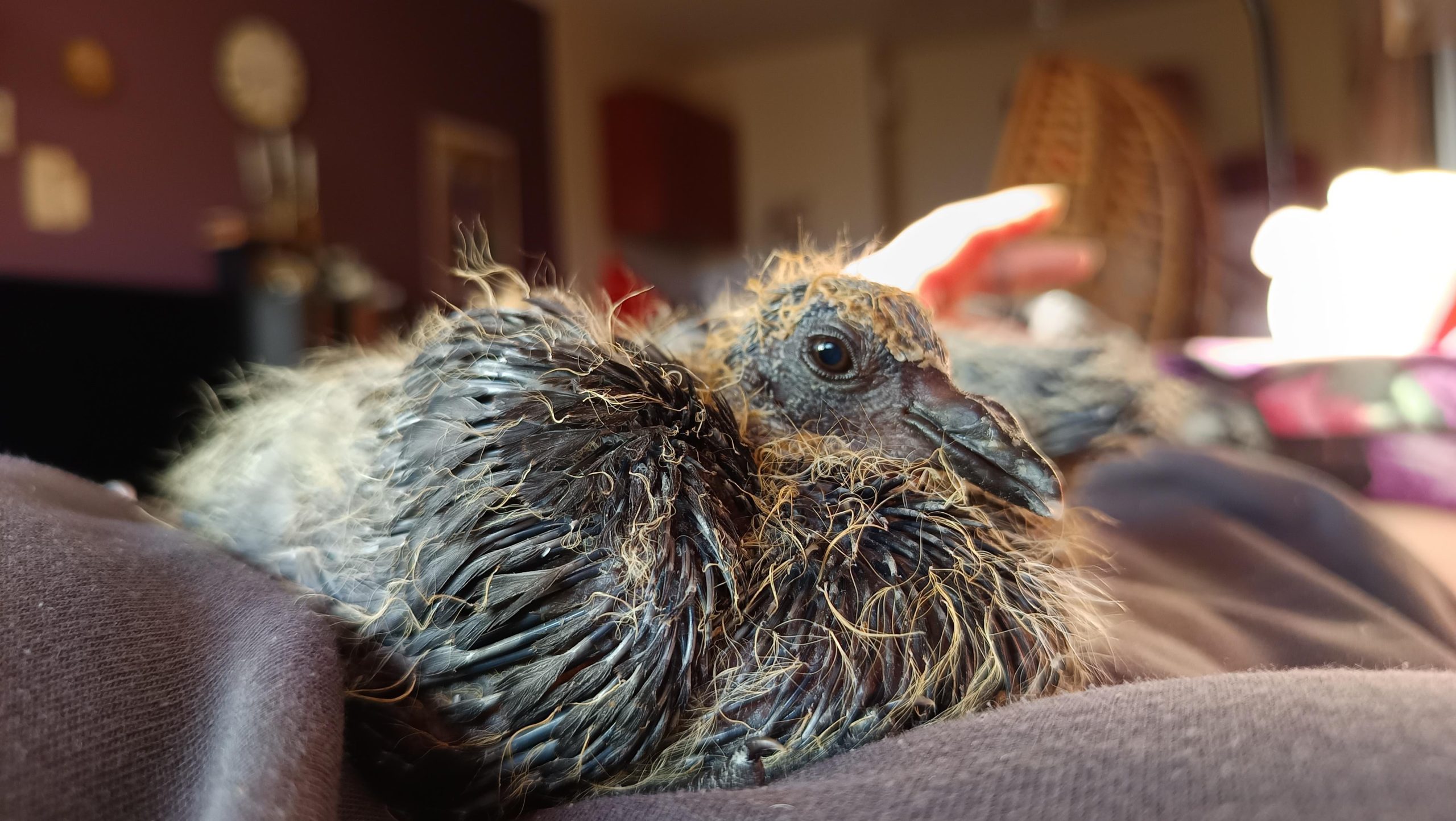
Finding a baby bird without its mother can be heartbreaking, and you might feel unsure about what to do next. You want to help, but feeding a tiny, fragile bird is not as simple as it seems.
If you feed it the wrong food or do it the wrong way, you could unintentionally harm it. That’s why it’s important to learn the right steps to care for these delicate creatures. You’ll discover easy and effective ways to feed baby birds safely and give them the best chance to grow strong.
Keep reading, because the life of that little bird could depend on what you do next.
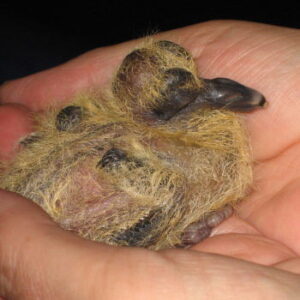
Credit: irishwildlifematters.ie
Identifying Orphaned Baby Birds
Identifying orphaned baby birds is the first step in helping them survive. Not all young birds found alone need help. Some may be learning to fly or waiting for their parents nearby. Careful observation is key before intervening.
Young birds depend on their parents for food and warmth. Without care, they risk hunger, cold, and predators. Spotting the right signs can guide you to act quickly and safely for the bird’s well-being.
Signs A Bird Needs Help
- Bird is alone for many hours without parent visits.
- Feathers are wet, dirty, or missing in patches.
- Bird looks weak, cold, or shivering.
- Bird is silent or making weak calls.
- Visible injuries or deformities on the bird.
- Bird falls from nest and cannot fly or hop.
- Parents do not return after repeated checks.
Common Species Found Orphaned
| Species | Common Habitat | Notes |
|---|---|---|
| American Robin | Gardens, parks, forests | Often found on ground during fledging |
| House Sparrow | Urban areas, near buildings | Small nests in eaves and vents |
| Blue Jay | Woodlands, suburban areas | Bold calls; young may wander |
| Chickadee | Forests, gardens | Small size; nests in tree cavities |
Preparing The Feeding Environment
Preparing the feeding environment is crucial when you are caring for baby birds without their mother. Creating a space that mimics their natural habitat helps keep them calm and healthy. The right setup supports their growth and gives you a better chance of successfully raising them.
Creating A Safe Nest
Start by choosing a container that is shallow and secure. A small box or plastic container lined with soft cloth or paper towels works well. Avoid materials that are too fluffy or loose, as baby birds can get tangled or suffocate.
Place the nest in a quiet, draft-free area away from pets and loud noises. This reduces stress and mimics the safety they would feel in their mother’s nest. Have you noticed how birds feel more at ease in hidden spots? Your nest setup should provide that same sense of security.
Maintaining Proper Temperature
Baby birds cannot regulate their body temperature, so warmth is essential. Use a heating pad set on low beneath half of the nest or a heat lamp placed safely above to create a warm zone. This lets the bird move closer or farther from heat as needed.
Keep the temperature between 85°F and 90°F for hatchlings, adjusting slightly as they grow. Use a thermometer to monitor this closely. Have you checked the temperature recently? Even small drops can affect their health.
Choosing The Right Food
Choosing the right food for baby birds without their mother is very important. Their diet needs to be balanced and suitable for their species. Feeding them incorrect food can harm their health and slow their growth.
Young birds need food that is easy to digest and rich in nutrients. Protein helps them build strong muscles. Vitamins and minerals support their development and immune system. Water content in food keeps them hydrated.
Suitable Diet For Different Bird Types
Different bird species need different diets. Knowing the bird type helps choose the right food.
- Songbirds:Soft, moistened dog food or soaked cat kibble works well. Add small insects like mealworms or crickets for protein.
- Waterfowl:A mix of soaked pellets, leafy greens, and grains fits their needs. Avoid bread as it lacks nutrients.
- Raptors:Require small pieces of raw meat or specially formulated carnivore bird food.
- Parrots and Parakeets:Use softened pellets and fresh fruits and vegetables in small amounts.
Avoiding Harmful Foods
Some foods can cause serious harm to baby birds. Avoid these completely.
- Bread and milk do not provide proper nutrition and can cause illness.
- Salty, sugary, or processed foods upset their digestion.
- Chocolate and caffeine are toxic and must never be given.
- Seeds like avocado pits and apple seeds contain harmful toxins.
- Large hard foods risk choking or injury to small birds.

Credit: swibirds.org
Feeding Techniques And Schedule
Feeding baby birds without their mother needs care and attention. The right techniques and schedule keep them healthy and strong. Feeding must be gentle and timely. Understanding their needs helps you provide the best care.
Proper Feeding Tools
Use small tools to feed baby birds safely. A syringe or a small spoon works well. Avoid sharp or large objects to prevent injury. Soft tweezers can help hold food gently. Warm the food slightly before feeding. Always clean tools before and after use to stop germs.
Frequency And Portion Size
Feed baby birds often but in small amounts. Young birds need feeding every 15 to 20 minutes from dawn to dusk. As they grow, reduce feeding to every 30 minutes. Watch their crop to avoid overfeeding. The crop is a small pouch on their throat that stores food.
- Newborns: 6-8 small feedings per hour
- One week old: 4-6 feedings per hour
- Older chicks: 3-4 feedings per hour
Feed small portions, about the size of their beak opening. Too much food can cause illness. Stop feeding if the bird seems full or stops opening its mouth.
Hydration Needs For Baby Birds
Baby birds need water to stay alive and healthy. Hydration helps their bodies work well. It keeps their organs safe and supports growth. Without water, baby birds can become weak fast. Feeding water right is very important for their survival. This section explains how to give water safely and how to spot if a baby bird is thirsty or sick.
Safe Water Sources
Use clean, fresh water for baby birds. Tap water is usually fine but let it sit for a few hours to remove chlorine. Avoid using bottled water that has added minerals or flavors. Rainwater can be good but only if it is collected in a clean container. Do not give water from ponds or lakes, as it may carry germs or chemicals. Always use a small, clean dropper or syringe to offer water carefully. Too much water at once can cause choking. Offer a few drops at a time to keep baby birds safe and hydrated.
Signs Of Dehydration
Watch baby birds closely for dehydration signs. A dehydrated bird may appear weak or quiet. Their skin might look loose or dry. The eyes can look sunken or dull. They may pant or breathe fast. If the baby bird is not eating well, it may also be dehydrated. These signs need quick action to prevent serious harm. Provide water carefully and seek help from a wildlife expert if needed. Early hydration support can save the baby bird’s life.
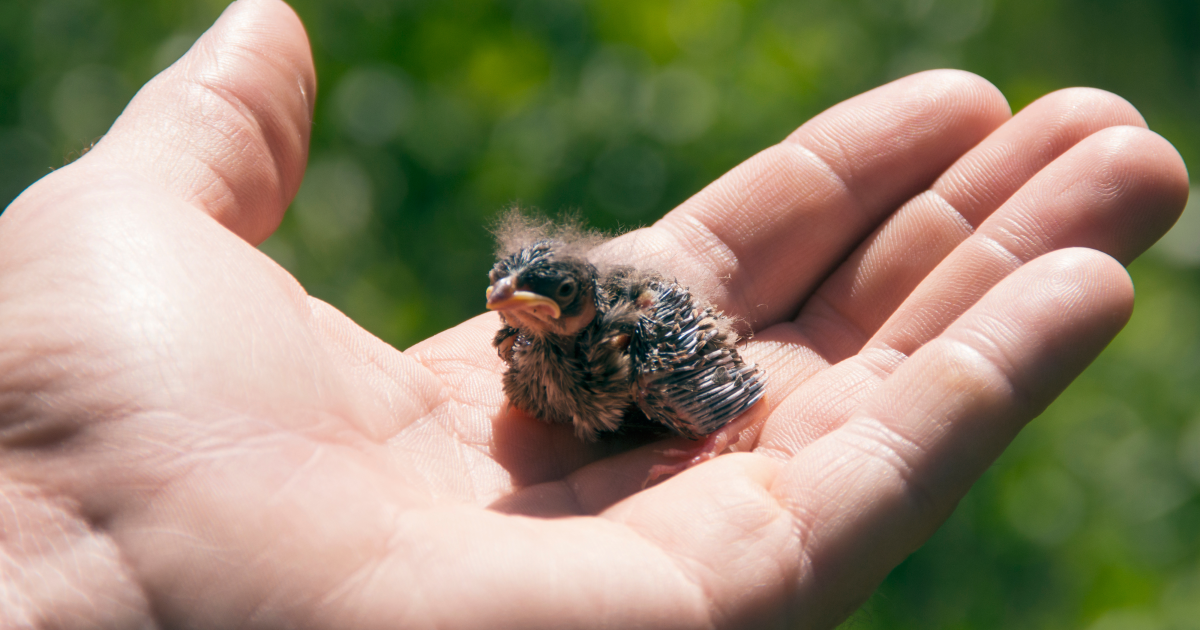
Credit: pethelpful.com
Health Monitoring And Common Issues
Feeding baby birds without their mother requires careful health monitoring. Young birds are fragile and can fall ill quickly. Spotting signs of sickness early helps prevent serious problems. Knowing common health issues keeps your baby bird safe and strong.
Recognizing Illness
Watch for these signs that your baby bird may be sick:
- Fluffed-up feathers and lethargy
- Weak or slow movements
- Difficulty breathing or wheezing sounds
- Unusual droppings that are watery or discolored
- Refusal to eat or drink
- Swollen eyes or beak
Check your bird daily for any changes in behavior or appearance. Early detection is vital for recovery.
When To Seek Veterinary Help
Contact a vet if your baby bird shows these symptoms:
- Persistent weakness or unresponsiveness
- Labored breathing or gasping
- Continuous vomiting or diarrhea
- Injuries or bleeding
- No improvement after a day of care
A professional can provide proper treatment and advice. Acting quickly can save your bird’s life.
Preparing Baby Birds For Release
Preparing baby birds for release is a crucial stage in their recovery. It helps them survive in the wild. This phase focuses on building their strength and skills. Caregivers must carefully guide them toward independence. The goal is a smooth transition from human care to nature.
Encouraging Independence
Start by reducing direct feeding. Let baby birds try eating on their own. Offer live insects or small worms to spark natural hunting instincts. Create a safe space where they can practice flying and exploring. Avoid too much handling to lower stress. Encourage social interaction with other birds if possible. This builds confidence and group survival skills.
Timing The Release
Release only when baby birds can feed and fly well. Check for strong wing muscles and alert behavior. The best time is during calm weather and daylight hours. Choose a safe location with food and shelter nearby. Monitor the area for predators before release. Avoid releasing during extreme temperatures. Proper timing improves their chances of survival.
Frequently Asked Questions
How Do I Feed Baby Birds Without Their Mother?
Feed baby birds with a syringe or dropper using a specialized formula. Avoid cow’s milk. Feed small amounts frequently, every 15-20 minutes during daylight.
What Foods Are Safe For Orphaned Baby Birds?
Use commercial baby bird formula or soaked dog/cat kibble pureed with water. Avoid bread, seeds, or human food as they lack needed nutrients.
How Often Should I Feed A Baby Bird?
Feed newborns every 15-20 minutes from sunrise to sunset. As they grow, extend feeding intervals to 30-60 minutes to mimic natural feeding patterns.
Can I Use Milk Or Bread To Feed Baby Birds?
No. Milk can cause digestive issues, and bread lacks nutrition. Use proper bird formula or protein-rich alternatives like soaked dog kibble for safety.
Conclusion
Feeding baby birds without their mother is challenging but rewarding. First, ensure you provide proper nutrition. Always choose food suitable for their species. Consistency in feeding times builds trust with the bird. Observation is key; watch for signs of growth or distress.
Seek advice from wildlife experts when uncertain. Patience and care lead to healthy, growing birds. Remember, your commitment makes a difference in their lives. By following these steps, you support their development. Enjoy the journey of nurturing these young creatures.
Your efforts help them thrive in the world.