
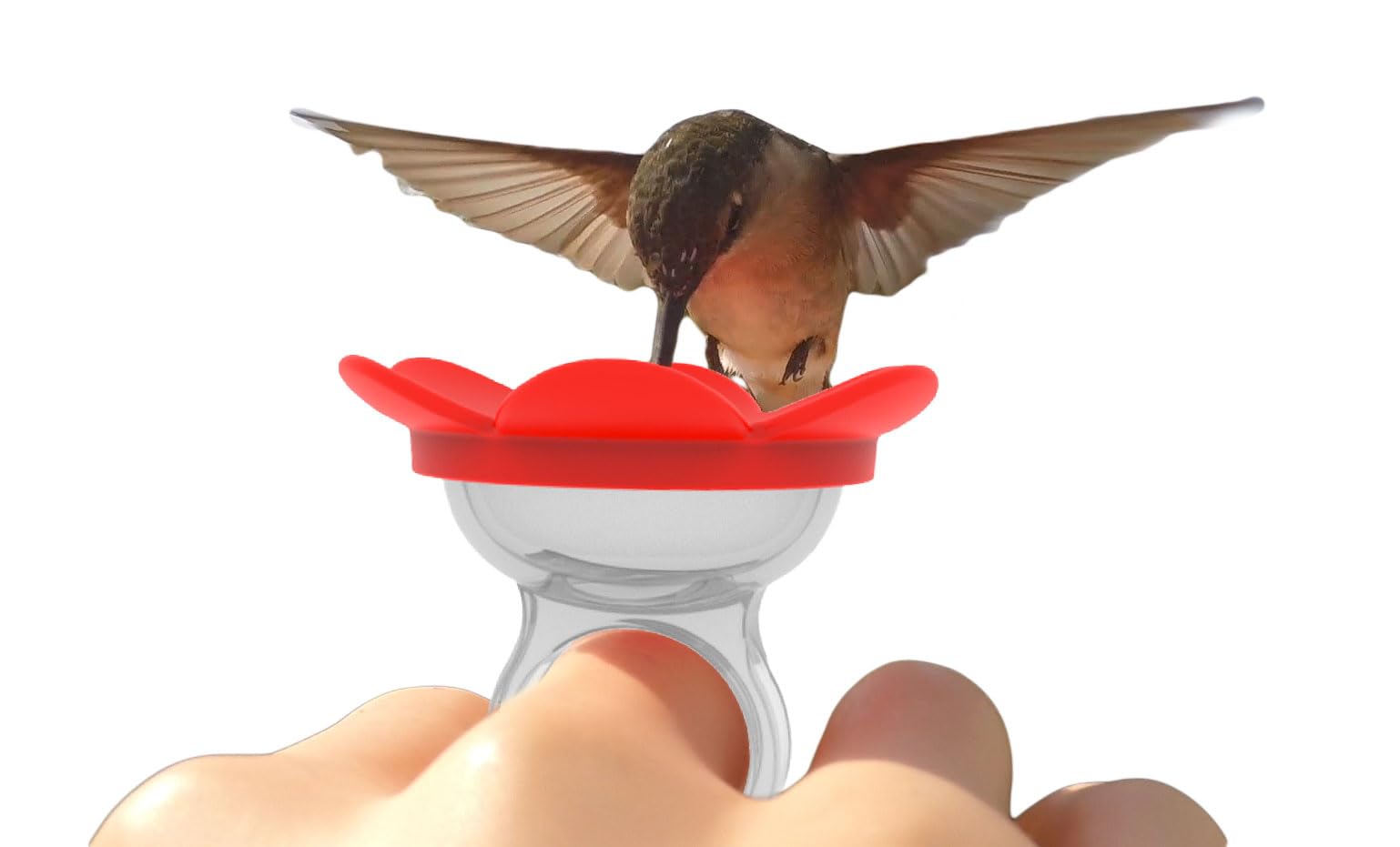
Have you ever wanted to get closer to hummingbirds and watch their tiny wings flutter right in front of you? Feeding hummingbirds by hand is a magical experience that brings you face-to-face with these delicate creatures.
Imagine the thrill of a hummingbird landing gently on your finger, trusting you enough to share a meal. In this guide, you’ll discover simple steps to safely attract and feed hummingbirds by hand, making your backyard a secret haven for these beautiful birds.
Ready to create unforgettable moments and connect with nature like never before? Keep reading to learn how you can make it happen.
Choosing The Right Feeder
Choosing the right feeder is crucial for a successful experience feeding hummingbirds by hand. The feeder you select can influence how comfortable the birds feel and how easy it is for you to interact with them. Let’s look at what you need to consider to pick the best feeder for your needs.
Types Of Feeders
There are several types of hummingbird feeders, each designed to attract and serve the birds differently. Some have multiple feeding ports, allowing several birds to feed at once, while others feature a single port for a more focused feeding spot.
Think about whether you want a feeder that hangs or one that stands on a platform. Hanging feeders are common and easy to place near flowers, while platform feeders can be more stable and accessible for hand-feeding.
Material Considerations
Feeders come in various materials such as plastic, glass, and metal. Glass feeders are durable and easy to clean but tend to be heavier and more fragile. Plastic feeders are lightweight and affordable, but cheap plastic can crack or discolor over time.
Metal feeders often have decorative designs and resist damage well, but they can heat up quickly in the sun, which may affect the nectar quality. Which material feels right for your setup and maintenance routine?
Size And Capacity
The size of the feeder matters depending on how often you want to refill it. Smaller feeders are easier to clean and manage, especially if you’re hand-feeding and want fresh nectar often. Larger feeders reduce the frequency of refills but can lead to stale nectar if not consumed quickly.
Consider how many hummingbirds visit your area. If you see a lot, a larger feeder with multiple ports might keep everyone happy. For fewer birds or close interactions, a smaller feeder could be just right.
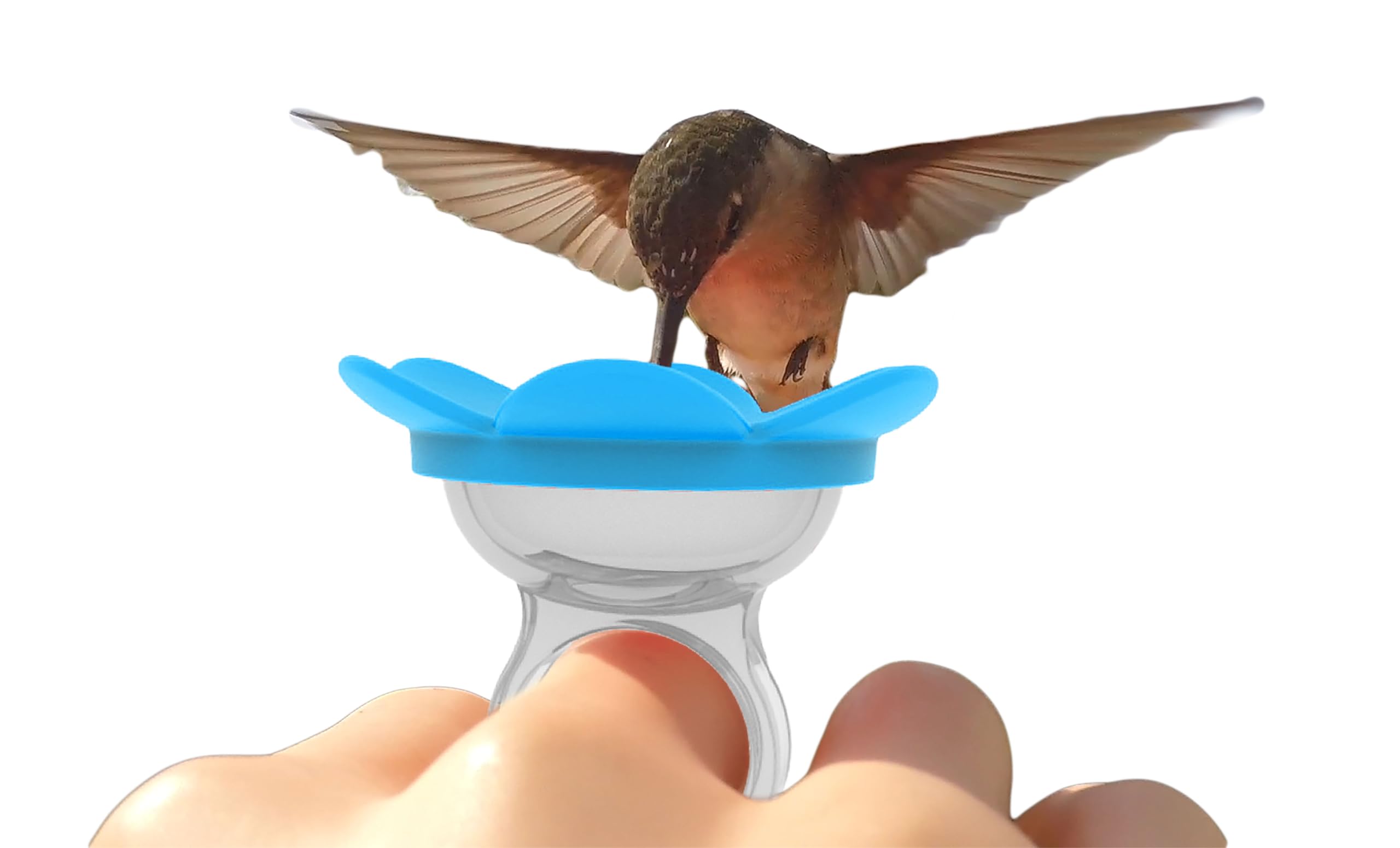
Credit: www.amazon.com
Preparing Nectar Safely
Preparing nectar safely is key to feeding hummingbirds by hand. The right nectar keeps them healthy and happy. Using clean ingredients and tools protects these tiny birds from illness. Avoid sugar substitutes and additives that can harm their delicate systems.
Fresh nectar supports hummingbirds’ energy needs. It is easy to make at home with simple ingredients. Clean preparation prevents mold and bacteria growth. Safe nectar means more visits from these beautiful birds.
Simple Nectar Recipe
Use one part white granulated sugar to four parts water. Boil the water to kill germs. Stir in the sugar until it dissolves completely. Let the mixture cool before offering it to hummingbirds. Do not add red dye or honey.
Avoiding Harmful Additives
- Never use honey, it can cause fungal infections.
- Avoid artificial sweeteners; they provide no energy.
- Skip red dye; it may be toxic to birds.
- Do not add salt or other flavorings.
Storage Tips
Store nectar in a clean container in the refrigerator. Use fresh nectar within three to five days. Discard any nectar that looks cloudy or smells strange. Clean feeders thoroughly before refilling to stop mold growth.
Setting Up Your Feeding Spot
Setting up a feeding spot for hummingbirds takes some planning and care. The right setup invites these tiny birds to visit often. It also makes feeding easier and safer. A good spot helps you enjoy watching hummingbirds up close.
Ideal Location
Choose a quiet area away from strong winds and heavy foot traffic. Place feeders near flowers or shrubs where hummingbirds like to rest. Position the feeding spot where you can see it clearly from a window or porch. Avoid direct sunlight to prevent the nectar from spoiling quickly.
Creating A Safe Environment
Keep the area free of predators like cats and large birds. Use feeders with built-in bee guards to keep insects away. Clean feeders regularly to stop mold and bacteria. Make sure the space has some shade and cover for the birds to hide if needed.
Attracting Hummingbirds
Add bright red or orange feeders to catch their attention. Plant native flowering plants that produce nectar. Use fresh sugar water, made with four parts water to one part sugar. Avoid using honey or artificial sweeteners. Change the nectar every two to three days to keep it fresh.
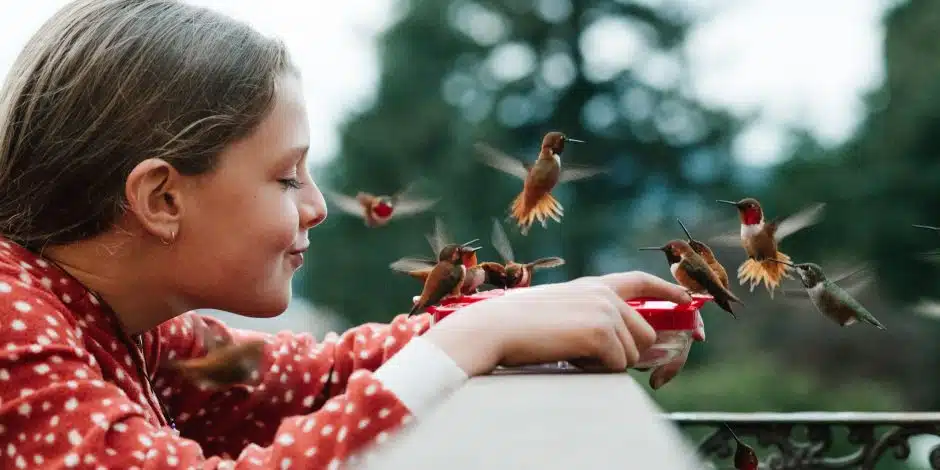
Credit: thecollectivemags.ca
Techniques For Hand Feeding
Feeding hummingbirds by hand is a rewarding experience that requires gentle techniques and a calm approach. You need to build trust with these tiny birds, which means understanding their behavior and moving slowly. Let’s look at practical ways to make hand feeding a success.
Getting Hummingbirds Comfortable
Start by placing a feeder near where you plan to sit. Let the hummingbirds get used to your presence without any sudden moves. Spend time quietly watching them from a distance before trying to offer food by hand.
Use bright colors like red or orange on your feeder or glove to catch their attention. If you have a garden, plant flowers that attract hummingbirds to create a welcoming environment. Consistency is key—visit the same spot daily so they recognize you as part of their routine.
Using Your Hand Effectively
Hold your hand steady with your palm facing up and fingers slightly curved to create a small platform. You can place a drop of sugar water or nectar on your finger or the back of your hand to encourage them to land. Avoid sudden movements that could startle them.
Wear lightweight gloves if you’re worried about their tiny claws, but keep your hand as natural as possible to avoid scaring the birds. Remember, your hand should be warm and relaxed to invite the hummingbird to perch comfortably.
Timing And Patience
Early morning or late afternoon are the best times to try hand feeding, as hummingbirds are most active then. Be prepared to wait; it might take several visits before a hummingbird feels safe enough to land on you. Don’t rush the process—patience often leads to the most memorable moments.
Ask yourself: are you willing to spend quiet time observing and waiting? This calm presence can transform the interaction from a quick snack to a special connection. Keep practicing regularly, and you’ll notice the hummingbirds growing bolder around your hand.
Common Challenges And Solutions
Hand-feeding hummingbirds can be a magical experience, but it comes with its own set of challenges. Understanding these common obstacles helps you create a safe and welcoming environment for these tiny visitors. Let’s look at some typical issues and practical ways to overcome them.
Dealing With Shy Birds
Hummingbirds are naturally cautious, especially around humans. If your little visitor hesitates, try staying still and quiet near the feeder for extended periods. Gradually, they’ll learn you’re not a threat.
Position your feeder in a calm area with some nearby cover like shrubs or trees. This gives the birds a sense of security. Have you noticed how patience can turn a once-shy bird into a frequent visitor?
Preventing Feeder Contamination
Keeping your feeder clean is crucial to avoid disease and keep hummingbirds healthy. Change the nectar every two to three days, or more often in hot weather. Old nectar ferments quickly and can harm the birds.
Use a mild soap and hot water to wash the feeder thoroughly before refilling. Avoid harsh chemicals—they can leave harmful residues. A clean feeder invites more hummingbirds and keeps them safe.
Handling Aggressive Birds
Sometimes, dominant hummingbirds may chase others away from your feeder. To reduce conflict, provide multiple feeding spots spread out by a few feet. This gives less aggressive birds a chance to feed.
Consider adding a feeder with perches to allow birds to rest without monopolizing the nectar. Have you ever watched how sharing space changes the hummingbird’s behavior around feeders?
Maintaining Feeder Hygiene
Keeping your hummingbird feeder clean is crucial for the health of these tiny visitors. Dirty feeders can harbor mold and bacteria, which may harm the birds. Maintaining feeder hygiene not only protects hummingbirds but also ensures they keep coming back to your hand-feeding spot.
Cleaning Frequency
How often you clean your feeder depends on the weather and usage. In hot weather, clean it every two to three days to prevent fermentation and mold growth. Cooler temperatures allow for a longer cleaning interval, but aim for at least once a week.
If you notice cloudy or darkened nectar, clean the feeder immediately. You want to avoid any chance of the birds getting sick from spoiled food.
Proper Cleaning Methods
Use hot water and a mild dish soap to scrub all parts of the feeder thoroughly. Avoid harsh chemicals that can leave harmful residues. A small bottle brush or pipe cleaner helps reach tight spots where mold can hide.
Rinse the feeder well to remove all soap traces. You can also soak the feeder in a solution of one part white vinegar to four parts water for 15-30 minutes to kill stubborn mold.
Air dry the feeder completely before refilling it with fresh nectar. Moisture left inside can encourage mold growth quickly.
Nectar Replacement
Fresh nectar attracts hummingbirds and keeps them healthy. Replace the nectar every two days in warm weather and every four to five days in cooler conditions. This prevents the sugar solution from fermenting or growing harmful bacteria.
Never reuse old nectar, even if it looks clean. Mixing fresh nectar regularly ensures your hand-feeding experience stays safe and enjoyable for the birds.
Safety Tips For Birds And Feeders
Feeding hummingbirds by hand can be a magical experience, but it comes with responsibilities. Ensuring the safety of both the birds and your feeders is essential for a positive interaction. Taking a few simple precautions can protect these delicate creatures and keep your feeding setup in great shape.
Avoiding Predators
Keep your feeder in a spot where hummingbirds can see predators like cats or hawks easily. Open areas near trees or shrubs offer quick escape routes for the birds. Avoid placing feeders too close to windows to prevent collisions, which can cause injury.
Consider installing a baffle or protective shield to deter climbing predators. I once saw a curious squirrel nearly ruin a feeding session; a simple baffle kept it away afterward. Have you noticed any local wildlife that might threaten your hummingbirds?
Protecting Against Weather
Weather can harm both your feeders and the birds. Position feeders under some cover to shield them from heavy rain and strong winds, which can spoil nectar quickly. Sunlight is important too, but too much direct sun heats the nectar and may harm the birds.
Regularly check feeders for cracks or leaks caused by freezing or heat. I learned this after a cold snap cracked my glass feeder, which then leaked and attracted ants. How often do you inspect your feeders for weather damage?
Monitoring Bird Health
Watch the birds closely for signs of illness like lethargy or abnormal feathers. Dirty feeders can spread diseases, so clean them thoroughly every few days with hot water and mild soap. Avoid harsh chemicals that could harm the birds.
Replacing nectar frequently prevents fermentation, which is harmful. I found that changing nectar every two days during hot weather kept the birds energetic and visiting often. Have you ever noticed a change in bird activity linked to feeder cleanliness?
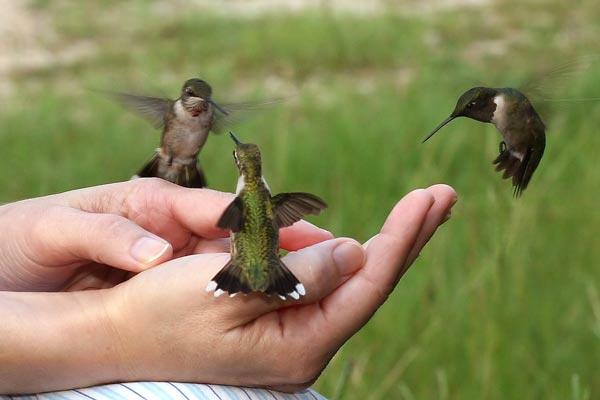
Credit: www.snopes.com
Frequently Asked Questions
How Do I Attract Hummingbirds For Hand Feeding?
Use a bright feeder with fresh nectar near flowers. Stay still and patient. Hummingbirds are drawn to red colors and sweet nectar.
What Is The Best Nectar Recipe For Hummingbirds?
Mix four parts water with one part white granulated sugar. Boil to dissolve sugar and cool. Avoid honey or artificial sweeteners.
How Do I Safely Feed Hummingbirds By Hand?
Use a shallow dish or finger with nectar. Move slowly to avoid startling them. Keep hands clean and avoid sudden movements.
When Is The Best Time To Feed Hummingbirds By Hand?
Early morning or late afternoon is ideal. Birds are most active then and hungry. Avoid feeding during extreme heat or rain.
Conclusion
Feeding hummingbirds by hand is a rewarding experience. You connect with nature. These tiny creatures bring joy and wonder. Start slow and be patient. Use the right feeder. Choose the best nectar. Be still and calm. Enjoy their vibrant colors and swift movements.
Each visit is special. It takes time, but it’s worth it. Your garden becomes a haven. You become a part of their world. The bond you create is unique. Appreciate these moments with nature’s jewels. Happy birdwatching!