
Are you wondering how to give your baby birds the best start with mealworms? Feeding mealworms to baby birds can be a game-changer for their growth and health.
But if you’re unsure about when, how, or why to offer them, you’re not alone. This guide will show you simple, clear steps to make sure your feathered friends get the right nutrition without any hassle. Keep reading, and you’ll learn everything you need to know to help your baby birds thrive with mealworms.
Credit: hermie.com
Benefits Of Mealworms For Baby Birds
Mealworms offer several benefits when feeding baby birds. They provide essential nutrients that support health and growth. Baby birds find mealworms easy to eat and digest. This makes mealworms a practical food choice for young birds in need of energy and nutrients.
Nutritional Value
Mealworms are rich in protein, which is vital for baby birds. Protein helps build strong muscles and feathers. They also contain fats that give energy for daily activities. Mealworms include important vitamins and minerals like calcium and iron. These nutrients support healthy bones and blood development.
Enhancing Growth And Development
Feeding mealworms promotes faster growth in baby birds. The protein content helps repair tissues and build new ones. Energy from fats supports active movement and exploration. Vitamins in mealworms improve the immune system. This helps baby birds fight diseases and stay strong.
Credit: www.petsradar.com
Choosing The Right Mealworms
Choosing the right mealworms is key to feeding baby birds safely and effectively. Not all mealworms are suitable for young birds, so knowing the differences helps in selecting the best option. Proper mealworms support healthy growth and prevent choking or digestive issues.
Live Vs. Dried Mealworms
Live mealworms are soft and wriggly, which attracts baby birds naturally. They provide moisture and encourage natural hunting behavior. Live worms are rich in nutrients but need careful handling to avoid harm.
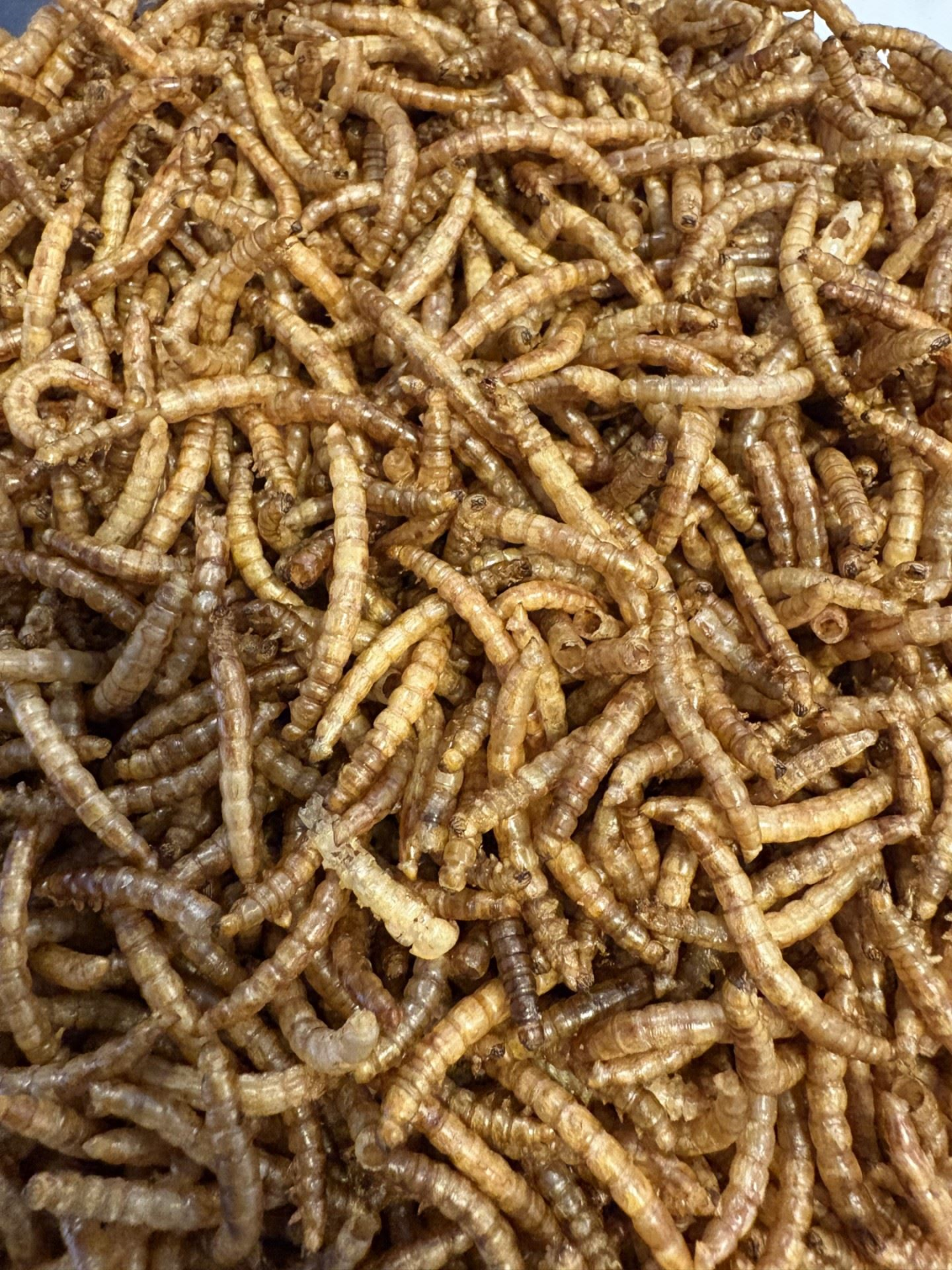
Dried mealworms have a longer shelf life and are easier to store. They lack moisture, so birds might need extra water. Dried worms are less messy and good for quick feeding but may not appeal as much to some birds.
Size And Quality Considerations
Choose mealworms small enough for baby birds to swallow easily. Large worms can cause choking or be hard to digest. Look for fresh, active live worms or clean, intact dried ones.
Avoid mealworms that look dark, shriveled, or dry. These signs show poor quality and reduced nutritional value. High-quality mealworms boost bird health and growth.
Preparing Mealworms Safely
Preparing mealworms safely is essential before feeding them to baby birds. Ensuring the mealworms are clean and free from harmful substances protects the delicate digestive systems of your feathered friends. Taking a few extra minutes to handle mealworms properly can make a big difference in their health and growth.
Cleaning And Handling
Start by gently rinsing the mealworms under cool water to remove any dirt or debris. Avoid using soap or any chemicals, as these can be toxic to birds. After rinsing, pat them dry with a clean paper towel to prevent excess moisture, which can promote mold growth.
Handle mealworms with clean hands or use tweezers to minimize contamination. Make sure to keep them in a clean container until feeding time. Have you noticed how even small changes in cleanliness can impact the health of baby birds?
Avoiding Contaminants
Purchase mealworms from reputable sources that raise them specifically for feeding wildlife or pets. Avoid mealworms intended for fishing bait, as they might contain harmful preservatives or chemicals. If you raise your own mealworms, ensure their bedding is clean and free of pesticides or mold.
Keep mealworms away from areas with household chemicals or strong odors. Contaminants can easily transfer to the mealworms and then to the baby birds. What steps can you add to your routine to guarantee your mealworms stay safe and natural?
Feeding Techniques For Baby Birds
Feeding baby birds mealworms requires gentle care and precise techniques to ensure they receive the right nutrition and develop healthy eating habits. It’s important to approach feeding with patience and attention, as baby birds can be delicate and easily stressed. Let’s look at some practical ways to feed mealworms effectively and safely.
Hand-feeding Tips
Use your fingers to gently offer mealworms, holding them close to the baby bird’s beak. Be patient—some birds might hesitate at first, but persistence usually pays off.
Keep your hand steady and avoid sudden movements to prevent scaring the bird. If the mealworm is too large, try breaking it into smaller pieces to make it easier to swallow.
Have you noticed how some baby birds prefer live mealworms, while others accept dried ones? Observing their preferences can guide your feeding approach.
Using Feeding Tools
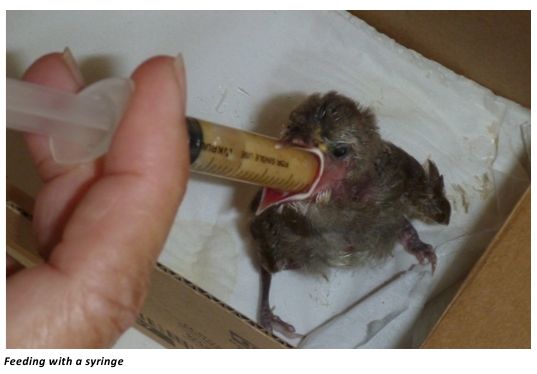
Feeding tools like tweezers, small tongs, or feeding syringes can help if you’re uncomfortable using your fingers. These tools allow you to place mealworms precisely without touching the bird.
Choose tools that are soft and smooth to avoid injuring the bird’s delicate mouth. Practice using the tools beforehand to avoid fumbling during feeding sessions.
Remember to clean feeding tools thoroughly after each use to keep everything hygienic and safe.
Frequency And Portion Control
Baby birds have tiny stomachs and need frequent, small meals throughout the day. Feeding every 20 to 30 minutes during daylight hours helps mimic natural feeding patterns.
Offer only as much as the bird can eat in one sitting to avoid overfeeding and waste. Watch for signs of fullness like closing their beak or turning away from food.
Have you tracked your bird’s appetite changes as it grows? Adjusting mealworm size and quantity can support their development perfectly.
Monitoring Baby Birds’ Health
Keeping a close eye on your baby birds’ health is crucial when feeding them mealworms. Their growth and energy levels reveal how well they are responding to the new food. Observing subtle changes can help you adjust their diet before problems arise.
Signs Of Proper Nutrition
Healthy baby birds have bright eyes and smooth, clean feathers. They remain active and alert throughout the day, showing good energy levels. Regular weight gain is a strong indicator that they are getting enough nutrients from mealworms and other foods.
You might notice their beaks staying clean and free from debris, which means they are handling the mealworms well. Proper digestion is shown by consistent droppings without any unusual color or smell. These signs mean your feeding routine supports their growth effectively.
Identifying Feeding Issues
Watch for signs like lethargy or excessive sleeping, which could signal a lack of nutrition. If baby birds refuse to eat or spit out mealworms, they may be struggling with the texture or taste. Weight loss or slow growth are red flags that require immediate attention.
Digestive problems may appear as diarrhea or unusual droppings. You could also see swelling around the crop or the bird making retching sounds, indicating feeding difficulties. Catching these issues early helps you change the feeding approach and protect your baby birds’ health.
Credit: www.kwikpets.com
Alternatives And Supplements
While mealworms are a popular choice for feeding baby birds, relying solely on them can limit the variety of nutrients your little feathered friends receive. Offering alternatives and supplements ensures a more balanced diet, promoting healthier growth and development. Let’s explore some practical options you can add to your feeding routine.
Other Insects And Protein Sources
Baby birds benefit from a diverse range of protein sources beyond mealworms. Consider offering crickets, waxworms, or small caterpillars to provide different nutrients and textures. You might notice your birds respond differently to each option, which helps you understand their preferences and nutritional needs better.
Additionally, finely chopped boiled eggs or small pieces of cooked lean meat can be excellent protein supplements. These choices can be especially useful if you’re raising birds that require more energy or are in rapid growth phases. Have you tried mixing these options to see which your birds prefer?
Vitamins And Mineral Additions
Adding vitamins and minerals to your baby birds’ diet can make a big difference in their overall health. You can sprinkle calcium powder or a specialized avian vitamin supplement onto their food. This helps support strong bones and immune function, which are crucial during the early stages of life.
Fresh fruits and vegetables, finely chopped, also serve as natural sources of vitamins and minerals. Blueberries, peas, or grated carrots can be gentle on their digestive systems while offering essential nutrients. What natural supplements have you found easiest to introduce to your baby birds?
Common Mistakes To Avoid
Feeding mealworms to baby birds can be helpful, but mistakes can harm their health. Avoiding common errors ensures the birds get safe and nutritious food. Careful attention to feeding habits and preparation makes a big difference.
Overfeeding Risks
Too many mealworms can upset a baby bird’s digestion. It may cause diarrhea or bloating. Overfeeding also reduces the intake of other vital nutrients. Balance mealworms with other foods for a healthy diet. Watch the bird’s appetite and stop feeding if it looks full.
Improper Mealworm Preparation
Feeding mealworms without proper preparation can be dangerous. Mealworms should be soft, not hard or dry. Hard mealworms can choke baby birds. Always kill mealworms by freezing before feeding. Cut large mealworms into smaller pieces for easier swallowing. Clean mealworms to avoid germs and parasites.
Storing Mealworms Properly
Storing mealworms properly keeps them fresh and healthy for baby birds. Proper storage prevents spoilage and keeps mealworms active and nutritious. This section covers the best ways to store mealworms safely and extend their shelf life.
Ideal Storage Conditions
Mealworms need a cool, dry place to stay fresh. Store them in a container with small air holes for ventilation. Avoid airtight containers that trap moisture. A temperature between 40°F and 50°F (4°C to 10°C) is best. Too cold can kill them, and too warm speeds up their growth and death.
Keep mealworms away from direct sunlight and humidity. Use a shallow container to spread them out evenly. Place some bran or oats inside as bedding and food. This helps keep mealworms comfortable and fed.
Extending Shelf Life
To make mealworms last longer, feed them fresh veggies like carrots or potatoes. These add moisture without making the container wet. Change the vegetables every few days to prevent mold. Remove any dead mealworms quickly to avoid contamination.
For long-term storage, refrigerate mealworms in a breathable container. Check on them regularly and remove waste. Avoid freezing live mealworms, as it kills them. Freezing works only for dead mealworms if you want to store them as dried food.
Frequently Asked Questions
What Are The Benefits Of Feeding Mealworms To Baby Birds?
Mealworms are rich in protein and essential nutrients. They help baby birds grow strong and healthy. Mealworms are easy to digest and mimic natural prey. Feeding mealworms supports the birds’ immune system and energy levels. They are a natural and nutritious food source for baby birds.
How Should I Prepare Mealworms For Baby Birds?
Offer mealworms live or dried, depending on baby birds’ age. For very young birds, use small, soft mealworms or cut them into pieces. Avoid seasoning or additives. Ensure mealworms are fresh and clean. Proper preparation makes feeding safe and nutritious for baby birds.
How Often Can I Feed Mealworms To Baby Birds?
Feed baby birds mealworms 2-3 times daily in small amounts. Avoid overfeeding to prevent digestive issues. Supplement mealworms with other natural foods like fruits and insects. Balanced feeding helps baby birds develop properly. Always monitor their reaction to adjust feeding frequency.
Can Mealworms Replace Other Foods For Baby Birds?
Mealworms are an excellent protein source but should not be the sole diet. Baby birds need variety, including seeds, fruits, and insects. A balanced diet ensures proper nutrition and growth. Use mealworms as a supplement, not a complete replacement. Variety promotes healthy development in baby birds.
Conclusion
Feeding mealworms to baby birds offers great nutritional benefits. They provide essential proteins and fats. Always choose fresh and healthy mealworms. Ensure mealworms are the right size for the chicks. Avoid feeding them too many at once. Observe the baby birds’ reactions carefully.
Adjust the feeding amount based on their needs. Clean feeding areas to prevent any infections. Patience and care lead to successful feeding. With practice, you’ll nurture healthy and strong baby birds. Enjoy watching them thrive and grow.