
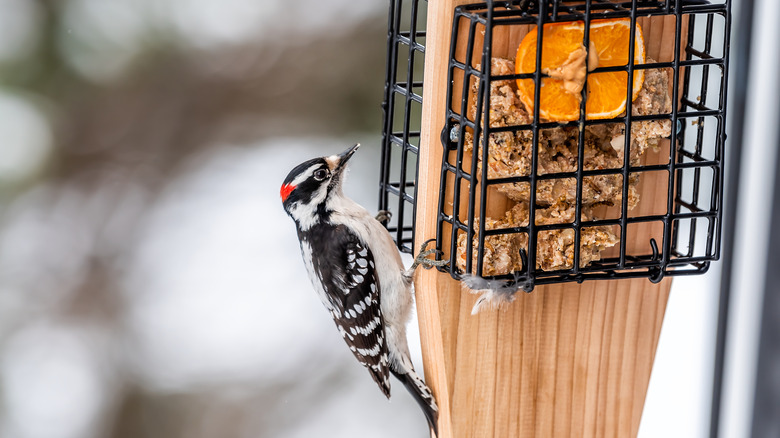
Winter can be tough for birds trying to find food. You might want to help them, and peanut butter is a great choice.
But how do you feed peanut butter to birds safely and effectively during the cold months? If you’ve ever wondered about the best way to do this, you’re in the right place. Keep reading to discover simple, practical tips that will make your backyard a warm haven for birds all winter long.
Your feathered friends will thank you!
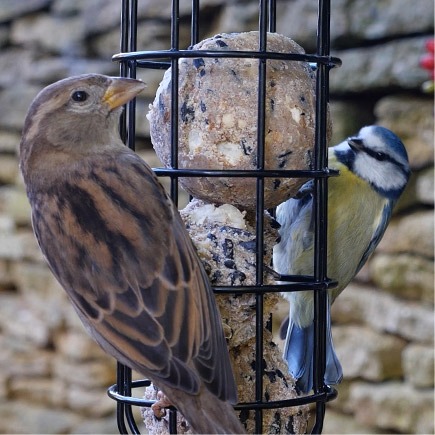
Credit: www.richardjacksonsgarden.co.uk
Choosing The Right Peanut Butter
Choosing the right peanut butter is key to feeding birds safely in winter. Not all peanut butters are suitable for birds. Some types contain ingredients harmful to their health. The right choice keeps birds healthy and happy during cold months.
Natural Vs Processed Options
Natural peanut butter contains only peanuts and sometimes salt. It has no added sugars or oils. Processed peanut butter often has added sugar, salt, and hydrogenated oils. These additives can harm birds.
Natural peanut butter is best for feeding birds. It provides pure nutrients without extra chemicals. Always check the label for simple ingredients.
Avoiding Harmful Additives
Read labels carefully to avoid additives. Stay away from peanut butters with:
- Added sugar
- Salt
- Hydrogenated oils or trans fats
- Chocolate or flavorings
These ingredients can cause illness or attract pests. Pure peanut butter is safest and healthiest for birds.
Best Texture For Birds
Texture matters for easy feeding. Choose peanut butter that is creamy or slightly chunky. Avoid very thick or hardened types that birds cannot eat easily.
Creamy peanut butter spreads well on feeders or suet cakes. Chunky peanut butter offers small nut pieces birds enjoy. Both textures provide energy needed in cold weather.

Credit: www.bendsource.com
Safe Feeding Methods
Feeding peanut butter to birds in winter requires care to keep them safe and healthy. Birds rely on high-energy foods during cold months. Peanut butter offers protein and fat but must be given correctly. Unsafe feeding can harm birds or attract pests. Follow safe feeding methods to support birds effectively.
Using Feeders And Platforms
Use feeders designed for sticky foods like peanut butter. Platform feeders work well. Spread peanut butter thinly on the surface. Avoid clumping to help birds easily pick it up. Place feeders in sheltered spots to protect food from weather. Keep feeders clean to prevent bacteria buildup.
Direct Application Techniques
Apply peanut butter directly on tree bark or branches. Choose rough surfaces where birds can cling. Use small amounts to avoid waste. Avoid areas where peanut butter can drip or fall to the ground. This reduces risk of mold and unwanted animals.
Avoiding Mold And Spoilage
Check peanut butter regularly for signs of mold. Remove any spoiled food immediately. Use fresh, natural peanut butter without added sugar or salt. Store peanut butter in a cool, dry place. Replace old peanut butter often to keep birds safe and healthy.
Selecting Bird Species
Selecting the right bird species to feed peanut butter during winter can make a big difference in your backyard birdwatching experience. Not all birds enjoy or can safely eat peanut butter, so understanding which species to attract is crucial. This helps you provide a safe, nutritious treat that supports their energy needs in cold weather.
Birds That Enjoy Peanut Butter
Many common backyard birds love peanut butter, especially in winter when natural food is scarce. Woodpeckers, chickadees, nuthatches, and titmice are some favorites known for eagerly pecking at peanut butter. These birds benefit from the high fat content, which helps keep them warm.
You might notice how quickly chickadees flock to a peanut butter feeder once you put it out. Their tiny bodies burn energy fast, so the extra calories are a lifesaver during freezing temperatures. If you want to attract these lively visitors, offering peanut butter is a smart choice.
Species To Avoid Feeding
Not every bird should be offered peanut butter. Avoid feeding it to birds that primarily eat seeds or nectar, like finches and hummingbirds, as peanut butter can upset their digestion. Also, steer clear of feeding it to larger birds that might dominate the feeder and scare smaller birds away.
It’s important to watch the feeder and notice which species are coming by. If aggressive birds like grackles or crows take over, they can prevent smaller birds from getting a chance. You might need to change your feeding strategy if you see this happening.
Timing And Frequency
Feeding peanut butter to birds during winter requires attention to timing and frequency. Birds need energy to stay warm, so offering food at the right moments helps them survive harsh conditions. Your schedule for feeding can make a real difference in attracting and supporting your feathered visitors.
Best Time Of Day To Feed
Early morning is the best time to offer peanut butter to birds. After a cold night, they are hungry and need quick energy to start their day. Providing food when they are most active increases the chances they will find and enjoy your offering.
Late afternoon is another good time. Birds often stock up before nightfall, so having peanut butter available then helps them prepare for colder hours. Try to avoid feeding late at night as birds naturally reduce activity after dusk.
How Often To Refill
Check the peanut butter supply daily, especially during freezing weather. Birds can consume it quickly, so refilling regularly ensures they always have access. If you notice the peanut butter is hard or frozen, replace it with a fresh, softer batch to make eating easier.
Consider the number of birds visiting your feeder. A small group might need refills every two or three days, while larger flocks could empty it daily. Pay attention to their behavior; if you see them searching or waiting near the feeder, it’s time to add more.
Winter Feeding Tips
Feeding birds peanut butter in winter requires special care. Cold weather changes how food stays fresh and how birds use energy. Proper feeding helps birds survive harsh conditions. Follow these tips to support birds during winter.
Keeping Food Fresh In Cold Weather
Cold air can harden peanut butter quickly. Use soft, spreadable peanut butter to make eating easier. Check feeders daily for mold or spoilage. Remove old peanut butter to prevent sickness. Keep feeders dry by placing them under shelter or using covers.
Providing Additional Warmth
Birds use more energy to stay warm in winter. Offer food near natural windbreaks like trees or bushes. Avoid placing feeders in open, windy areas. Adding nesting materials nearby helps birds conserve heat. Use feeders that retain heat, such as wood or insulated designs.
Combining Peanut Butter With Other Foods
Mix peanut butter with seeds or oats for variety. This blend attracts different bird species. Spread peanut butter on pine cones or small logs for easy access. Avoid mixing peanut butter with salty or sugary foods. Use plain, natural peanut butter to keep birds healthy.

Credit: www.willyswilderness.org
Safety Precautions
Feeding peanut butter to birds in winter can be rewarding. Safety for birds is important. Careful steps protect birds from harm. Taking precautions ensures birds stay healthy and safe during harsh months.
Preventing Overfeeding
Birds need balanced diets. Peanut butter is rich and calorie-dense. Offer small amounts to avoid overfeeding. Rotate with other bird foods for variety. Overfeeding can cause health problems and dependency.
Avoiding Predators
Place feeders in safe spots. Keep them away from places predators hide. Use feeders with guards or covers to protect birds. Watch for signs of predators nearby. Remove feeders if predators become a risk.
Maintaining Clean Feeding Areas
Clean feeders regularly to stop disease spread. Remove old or moldy peanut butter quickly. Use mild soap and water for cleaning. Dry feeders completely before refilling. Clean areas prevent illness and keep birds returning.
Frequently Asked Questions
What Is The Best Peanut Butter For Feeding Birds In Winter?
Choose natural, unsweetened peanut butter without salt or additives. Avoid chunky varieties to prevent bird choking. Smooth, pure peanut butter is safest and most nutritious for winter bird feeding.
How Do I Safely Offer Peanut Butter To Birds?
Spread a thin layer of peanut butter on pine cones or tree bark. Avoid placing it in open containers to prevent spoilage and pests. Regularly clean feeding areas to keep birds healthy.
Which Birds Eat Peanut Butter In Winter?
Woodpeckers, chickadees, nuthatches, and titmice enjoy peanut butter. It provides essential fats and energy for cold months. Different bird species benefit from this high-calorie treat during winter.
Can Peanut Butter Harm Birds In Winter?
Only if it contains harmful additives like salt or sugar. Use pure peanut butter to avoid health risks. Feeding large amounts can cause obesity, so offer it in moderation.
Conclusion
Feeding peanut butter to birds in winter is simple and rewarding. They love the rich taste and energy it provides. Spread it on pinecones or mix it with seeds. Hang these in trees. Watch birds enjoy their treat. Ensure it’s unsalted and sugar-free.
These options keep birds healthy and happy. Keep feeders clean and check them often. Fresh food attracts more birds. Enjoy the beauty of nature in your backyard. A small effort goes a long way in helping them thrive. Happy birdwatching!