
Have you ever found a tiny baby bird all alone and wondered how to help it? Feeding random baby birds can feel tricky and even a little scary.
You want to do the right thing but might worry about harming them instead. This guide is here to clear up the confusion and give you simple, clear steps to make sure your little feathered friend gets the care it needs.
Keep reading, and you’ll learn exactly what to do to give that baby bird the best chance to grow strong and healthy.
Identifying Baby Birds
Identifying baby birds is crucial before feeding them. It helps you provide the right care and avoid harm. Baby birds look different at various stages of growth. Knowing their stage guides you on how to help properly.
Recognizing Nestlings Vs Fledglings
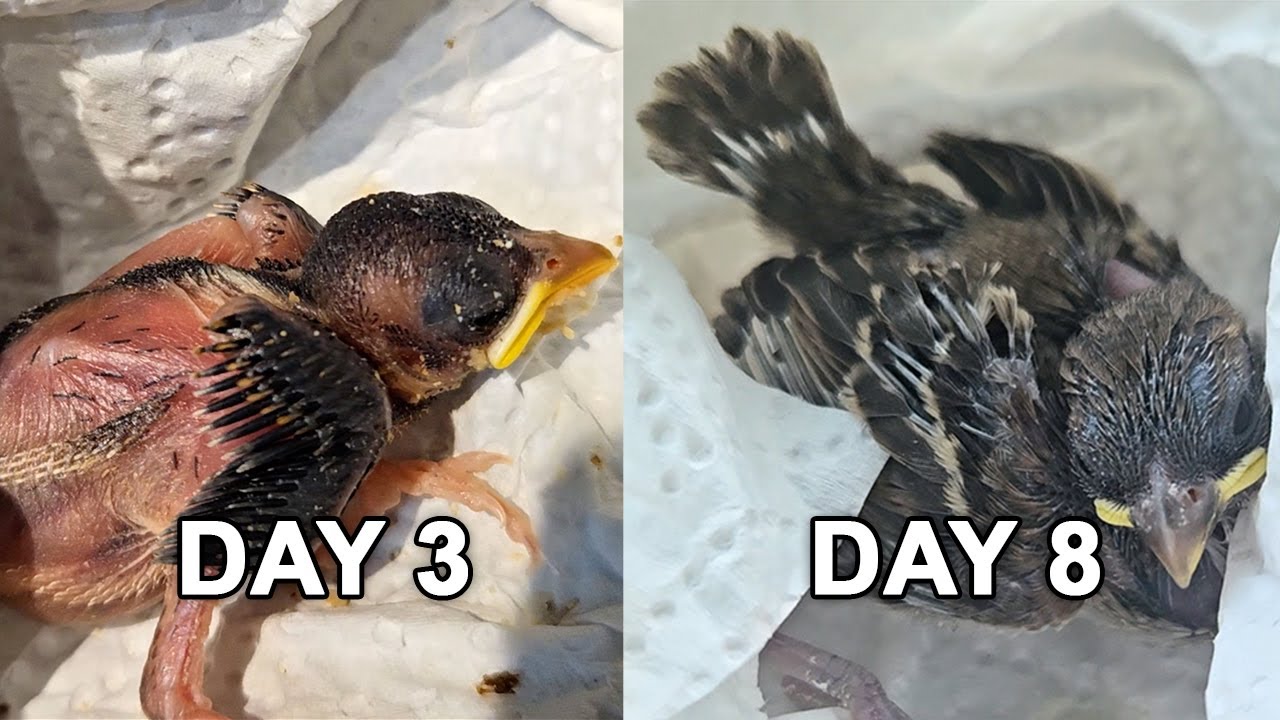
Nestlings are very young birds. They have little or no feathers. Their eyes may be closed or just opening. They stay in the nest and cannot walk or fly.
Fledglings are older baby birds. They have feathers and can hop or flutter short distances. They often leave the nest but stay nearby. Fledglings can sometimes be seen on the ground.
- Nestlings:naked or fluffy skin, weak, depend on parents for warmth and food
- Fledglings:covered in feathers, active, learning to fly and feed themselves
Common Baby Bird Species
Some baby birds appear more often in urban and rural areas. Knowing common species helps identify them quickly.
| Species | Description | Typical Habitat |
|---|---|---|
| American Robin | Orange belly, spotted feathers, common in yards | Gardens, parks, forests |
| House Sparrow | Small, brown and gray feathers | Urban areas, near buildings |
| Blue Jay | Bright blue feathers, crest on head | Woodlands, suburbs |
| Chickadee | Small, fluffy, black cap on head | Forests, parks, backyards |
Assessing The Baby Bird’s Condition
Assessing a baby bird’s condition is key before feeding it. Not every bird needs help. Sometimes, the best choice is to let nature take its course. Careful observation helps decide the right action.
Signs Of Health And Distress
Healthy baby birds appear active and alert. Their eyes stay open and bright. They make soft chirping sounds. Their skin looks smooth and warm.
Distressed birds may be cold or weak. They might lie still or shiver. Their eyes could be closed or dull. Sometimes, you see wounds or missing feathers.
- Healthy birds stretch and move easily.
- Distressed birds show little movement.
- Healthy birds respond to sounds nearby.
- Distressed birds remain silent or limp.
When To Intervene
Intervene if a baby bird is injured or very cold. If it is stuck in a dangerous place, help may be needed. Birds that stay silent and still for long hours often need assistance.
Do not interfere if the bird is simply alone but healthy. Parents may be nearby, returning soon. Check from a distance before acting. Immediate action is required only in urgent cases.
Safe Feeding Practices
Feeding random baby birds can be a rewarding experience, but it requires careful attention to safety. Providing the right food in the right way helps the birds grow strong and avoid health problems. Let’s look at how you can feed these tiny creatures without causing harm.
Suitable Food Types
Baby birds need foods that match their natural diet. Most baby birds eat insects, worms, or soft fruits, depending on the species. You can offer small, soft foods like:
- Mashed hard-boiled eggs
- Insect-based baby bird formula (available in pet stores)
- Soft fruits like mashed bananas or berries
- Small pieces of cooked chicken or mealworms
Remember, sticking close to their natural diet gives them the nutrients they need to thrive. Have you noticed how some birds prefer insects while others go for fruits? Matching their preferences is key.
Preparing Food For Feeding
Always prepare food fresh and in small portions. Chop or mash food until it’s easy for the baby bird to swallow. Avoid large chunks that could cause choking.
Use clean utensils and containers to avoid contamination. Warm the food slightly to body temperature, never hot, as cold or hot food can upset their digestive system.
Offering food with a small spoon or dropper works best. This allows you to control the amount and avoid overfeeding, which can be dangerous.
Avoiding Harmful Foods
Some foods that seem harmless can actually harm baby birds. Never feed bread, milk, or salty snacks — these can cause serious health issues. Avoid honey and processed foods as well, since they may contain bacteria or chemicals.
Also, steer clear of feeding wild insects caught outside, as they might carry pesticides or parasites. Stick to safe, clean options to protect the baby bird’s health.
Have you ever wondered if your favorite snack could hurt a bird? It’s better to ask than guess when it comes to feeding wildlife.

Credit: www.youtube.com
Feeding Techniques
Feeding random baby birds requires patience and a gentle approach. Knowing the right techniques can make a huge difference in their survival and growth. Whether you’re hand-feeding or using tools, understanding the best practices will help you provide the care these fragile creatures need.
Hand-feeding Methods
Hand-feeding baby birds means using your hands to offer food directly. It’s important to be very gentle to avoid injuring the bird’s delicate beak and body.
Use your fingers to mimic a parent bird’s feeding action by softly placing food near their mouth. You might find it easier to feed them by holding the bird in your palm or on a soft cloth.
Patience is key here. Some birds may be shy or scared, so take your time and let them get comfortable with your touch.
Using Feeding Tools
Feeding tools like syringes or small spoons can be a big help, especially if the baby bird is too small or weak to eat from your hand.
A syringe without a needle allows you to control the amount of food and avoid choking hazards. Make sure the food is the right temperature—warm but not hot—to prevent harming the bird.
For very tiny birds, a dropper can work well, delivering small amounts of liquid food slowly. Have you noticed how precise you need to be? It’s all about balance and care.
Frequency And Amount Of Feeding
Baby birds need frequent feeding, often every 15 to 20 minutes during daylight hours. This can feel overwhelming but is crucial for their energy and growth.
Start with small amounts of food and gradually increase as the bird grows. Overfeeding can cause health issues, so watch for signs like regurgitation or bloating.
Keeping a feeding schedule helps both you and the bird stay on track. How do you manage when life gets busy but the baby bird still needs you every few minutes?
Maintaining Hygiene
Maintaining hygiene is crucial when feeding random baby birds. Dirty feeding tools and unsanitary conditions can harm these fragile creatures instead of helping them. You need to be vigilant about cleanliness to keep baby birds safe and healthy.
Cleaning Feeding Equipment
Always clean feeding bottles, syringes, or spoons immediately after use. Use warm water and mild soap to remove any leftover food. Rinse thoroughly to avoid soap residue, which can upset the baby birds’ digestion.
Sanitize the equipment regularly with a solution of one part white vinegar to three parts water. Let the items air dry completely before the next feeding session. This simple routine can prevent the buildup of harmful bacteria and mold.
Preventing Disease Transmission
Washing your hands before and after feeding is essential. Birds can carry germs that might spread to you or other animals. Use disposable gloves if possible, especially if the bird appears sick.
Avoid sharing feeding tools between different birds without cleaning them first. This helps reduce the risk of passing infections from one bird to another. Have a dedicated feeding kit for each bird whenever possible.
Have you noticed how quickly contamination can spread in close quarters? Taking these small hygiene steps makes a huge difference in protecting baby birds from illness.

Credit: www.youtube.com
When To Seek Professional Help
Feeding random baby birds can be tricky and sometimes risky. Knowing when to seek professional help is very important. Some situations need expert care to give the bird the best chance of survival.
Signs of injury, illness, or abandonment require immediate attention. Also, if you are unsure about the bird’s needs, it is safer to contact professionals. They have the skills and tools to care for wild birds properly.
Contacting Wildlife Rehabilitators
Wildlife rehabilitators are trained to care for wild animals, including baby birds. They know how to feed, treat, and release birds safely back into nature. You can find local rehabilitators by searching online or asking animal shelters.
Calling a rehabilitator is best if the bird is hurt or very weak. Do not try to care for the bird alone for a long time. Experts can provide the right food and medical care the bird needs.
Legal Considerations
Many wild birds are protected by laws. It is illegal to keep or harm them without permission. Feeding and caring for baby birds may require special permits in some areas.
Contact local wildlife authorities to learn about the rules. Following the law helps protect both the birds and yourself. Always hand over wild birds to authorized people to avoid legal trouble.

Credit: www.amazon.com
Frequently Asked Questions
How Do I Safely Feed Random Baby Birds?
Use a small dropper or syringe to feed baby birds gently. Avoid feeding bread or milk. Provide moistened bird food or insects. Always keep the bird warm and contact a wildlife rehabilitator quickly for proper care.
What Foods Are Best For Feeding Baby Birds?
Offer soft, protein-rich foods like soaked dog kibble, mealworms, or finely chopped cooked eggs. Avoid processed human food and dairy. Providing water is crucial but do not force-feed liquids. Proper nutrition supports healthy growth in baby birds.
When Should I Feed Abandoned Baby Birds?
Feed baby birds every 15-20 minutes from dawn to dusk. Young birds need frequent feeding for energy and growth. Overfeeding can cause harm, so feed small amounts carefully. Promptly contacting a wildlife expert improves survival chances.
Can I Use Milk To Feed Baby Birds?
Never feed milk to baby birds; it can cause digestive issues. Birds lack the enzymes to digest lactose. Instead, use specialized baby bird formula or suitable insect-based food. Milk substitutes can be harmful and should be avoided at all costs.
Conclusion
Caring for baby birds requires patience and gentle handling. Remember to research each bird’s needs. Use the right food and feeding tools. Keep feedings on a regular schedule for better health. Always ensure a clean, safe environment for the birds.
Listen to their needs and adjust as they grow. If unsure, seek guidance from wildlife experts. Your efforts can help these little creatures thrive. Every small act of care makes a big difference. Enjoy the rewarding experience of helping nature’s young ones.
Keep learning and observing to improve your skills. Your dedication matters.