
If you love watching birds up close, a wire bird feeder is a simple way to invite them right to your yard. But filling it the right way can make all the difference in attracting your feathered visitors and keeping the food fresh.
You might wonder how to avoid mess, spills, or scaring the birds away. In this guide, you’ll discover easy steps that make filling your wire bird feeder quick and stress-free. Keep reading to turn your feeder into a buzzing hotspot for beautiful birds!
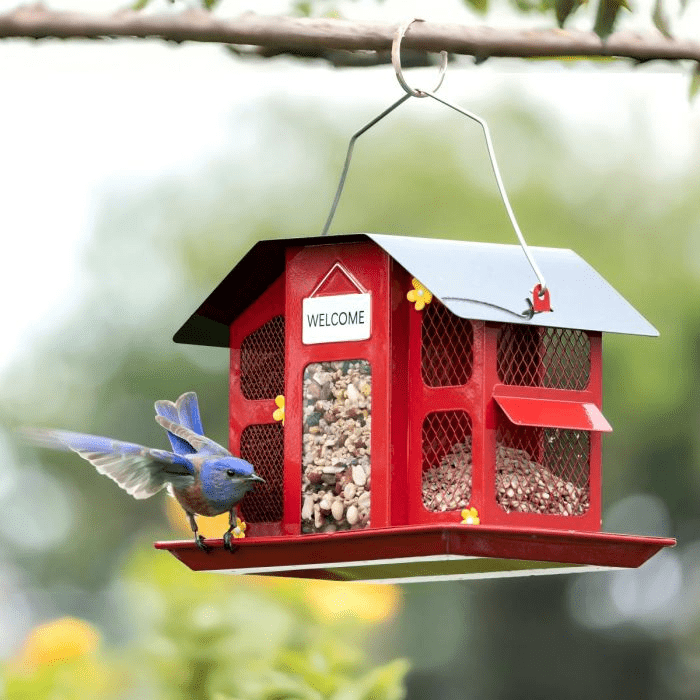
Credit: www.kingsyard.com
Choosing The Right Birdseed
Choosing the right birdseed is key to attracting many bird species to your wire feeder. Different birds prefer different seeds. Selecting the best seeds keeps birds coming back and ensures they get good nutrition.
Some seeds work better in wire feeders than others. Seeds that are too small or powdery may fall through the gaps. It is important to pick seeds that stay inside the feeder but remain visible to birds.
Popular Seeds For Wire Feeders
- Black oil sunflower seeds: Loved by most wild birds. Easy to hold and rich in oil.
- Striped sunflower seeds: Slightly larger, with a harder shell. Good for bigger birds.
- Nyjer (thistle) seeds: Small and fine, best in feeders designed for tiny seeds.
- Safflower seeds: Bitter taste keeps squirrels away. Preferred by cardinals and finches.
- Peanuts: High in protein. Use shelled or unshelled in wire feeders with larger gaps.
Seasonal Seed Choices
Bird feeding needs change with the seasons. Seeds that work well in winter might not suit summer feeding.
- Winter: Black oil sunflower and peanuts provide energy to stay warm.
- Spring: Mix in seeds that attract nesting birds like millet and nyjer.
- Summer: Use seeds favored by insect-eating birds, such as safflower.
- Fall: Offer sunflower and cracked corn to help birds prepare for migration.
Avoiding Harmful Seeds
Some seeds can harm birds or attract pests. Avoid these to keep birds safe and healthy.
- Moldy or old seeds cause illness. Always buy fresh seed.
- Seeds treated with pesticides can poison birds.
- Millet can attract unwanted rodents if spilled on the ground.
- Avoid small, dusty seeds that fall through wire gaps and waste food.
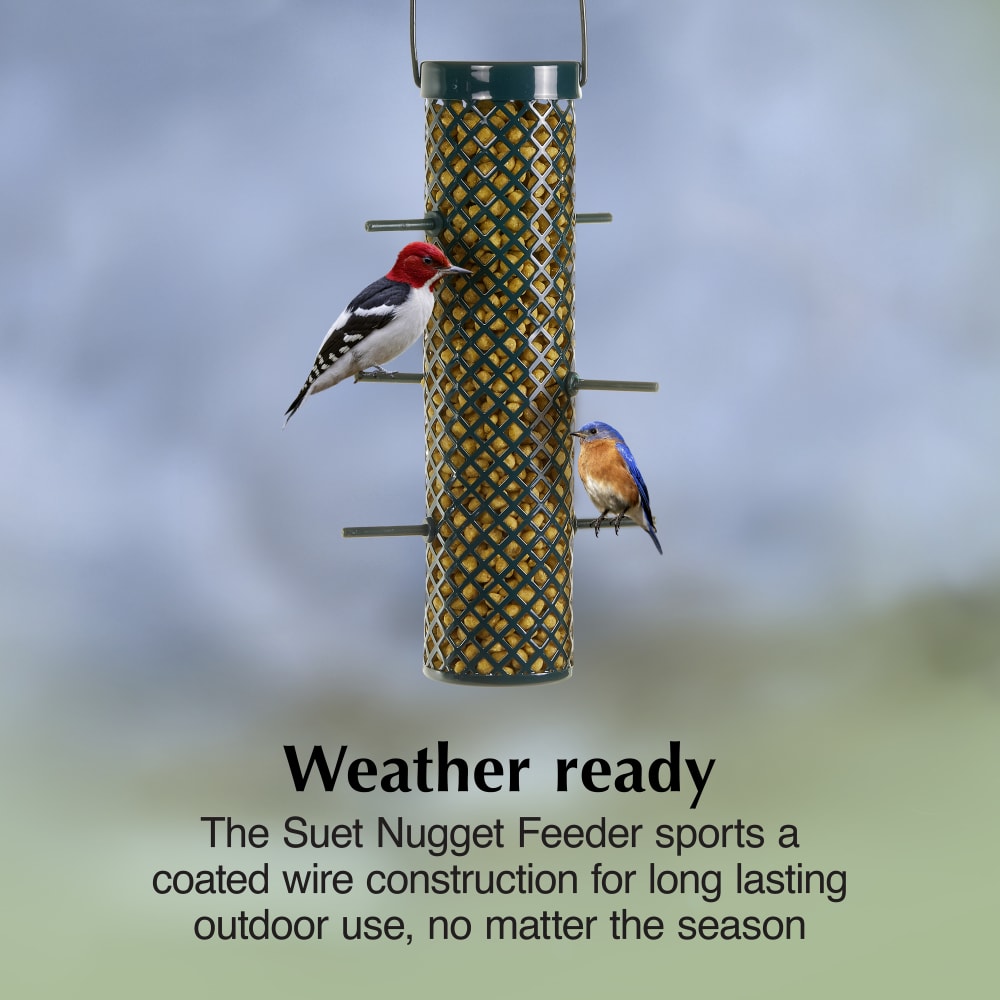
Credit: www.wildbirdsuets.com
Preparing The Feeder
Preparing the wire bird feeder is an important part of attracting healthy birds. A clean and safe feeder helps birds enjoy their food without risk. Taking time to prepare the feeder ensures a great feeding experience for your feathered visitors.
Cleaning Before Filling
Start by removing any old seeds or debris from the feeder. Use warm water and mild soap to wash all parts. A soft brush helps remove dirt from small corners. Rinse thoroughly to remove soap residue. Allow the feeder to dry completely before adding new seeds. Clean feeders prevent mold and bacteria growth. This keeps birds safe and healthy.
Checking For Damage
Look carefully for cracks or sharp edges on the feeder. Check the wire mesh and hooks for rust or breaks. Damaged parts can hurt birds or let seeds spill out. Replace any broken pieces or tighten loose parts. A strong feeder lasts longer and provides better service. Safe feeders invite more birds to visit your yard.
Filling Techniques
Filling a wire bird feeder requires some care to keep birds happy and avoid mess. Using the right techniques helps feed birds efficiently. It also keeps the feeding area clean and safe. Here are simple tips to fill your feeder the best way.
How Much Seed To Add
Fill the feeder enough to attract birds without overloading it. Overfilling can cause seeds to spill out. It also makes the feeder heavy and hard to hang.
A good rule is to fill the feeder about two-thirds full. This amount provides enough food for birds. It also reduces waste and keeps seeds fresh longer.
Filling Without Spillage
Preventing seed spillage keeps your yard tidy and avoids attracting unwanted pests. Use a small scoop or funnel to pour seeds slowly into the feeder. This controls the flow and stops seeds from falling out.
Hold the feeder steady with one hand while filling it with the other. Filling over a tray or newspaper can catch any stray seeds. Clean up spilled seeds immediately to avoid mold or insects.
Placement Tips
Choosing the right spot for your wire bird feeder can make all the difference in attracting colorful, lively visitors to your yard. Placement affects not only how easily birds find your feeder but also their safety and comfort while feeding. Let’s look at some practical tips to get the location just right.
Best Locations For Feeders
Place your feeder where you can easily watch the birds without disturbing them. Near a window or on a patio works well, giving you a front-row seat to their activity.
Think about natural cover like trees or shrubs nearby. Birds feel safer when they can quickly fly to a hiding spot if they sense danger.
Avoid areas with strong winds or direct afternoon sun, which can spoil the seeds and make birds uncomfortable. A spot with morning sun and afternoon shade is ideal.
Avoiding Predators
Keep your feeder at least 10 feet away from places where cats or other predators can hide. This distance gives birds a better chance to spot threats early and escape.
Consider mounting your feeder on a pole with a baffle to prevent climbing predators. If you’ve seen hawks in your area, placing feeders near dense bushes can help birds quickly dive into cover.
Have you noticed where squirrels tend to approach your yard? Positioning feeders away from their favorite paths can reduce unwanted visitors and keep your seeds for the birds you want to attract.
Maintaining The Feeder
Maintaining your wire bird feeder is key to keeping birds healthy and encouraging them to visit regularly. A well-kept feeder prevents mold, bacteria, and pests, ensuring the food stays fresh and attractive. You’ll find that a little effort in maintenance goes a long way in creating a safe and inviting space for your feathered friends.
Regular Cleaning Schedule
Clean your bird feeder at least once every two weeks. If you notice wet or clumped seeds, clean it immediately to avoid mold growth. Use warm soapy water and a brush to scrub all surfaces, then rinse thoroughly and let it dry completely before refilling.
Have you ever seen birds avoid a feeder? Dirty feeders often repel birds because they can carry diseases. Keeping your feeder spotless helps you enjoy more visits and vibrant bird activity.
Refilling Frequency
Check your feeder daily during peak bird seasons and refill as needed. Birds eat quickly, and an empty feeder won’t attract them back. In colder months, they rely more heavily on your feeder, so keep it well-stocked.
Try to refill in the morning or late afternoon when birds are most active. This timing ensures fresh food is available during their prime feeding times. Have you noticed which times your backyard birds prefer? Adjust your routine to match their habits for the best results.
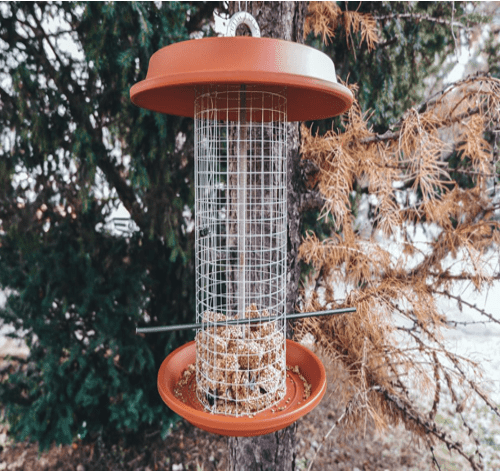
Credit: greengoddess.co.nz
Encouraging More Birds
Encouraging more birds to visit your wire bird feeder can turn your backyard into a lively, colorful sanctuary. It’s not just about filling the feeder; it’s about creating an inviting environment that meets birds’ basic needs. Small changes can make a big difference in attracting a wider variety of feathered friends.
Adding Water Sources
Birds need water for drinking and bathing, which helps them stay healthy and clean. Adding a birdbath or a shallow water dish near your feeder can draw more birds to the area. Keep the water fresh and clean, especially in hot weather, to make your feeder spot more appealing.
Have you noticed how birds flock around water? It’s a natural behavior that you can use to your advantage. Even a small fountain or dripping water feature can catch their attention and invite longer visits.
Using Multiple Feeders
Placing several feeders in different spots reduces competition and allows more birds to feed comfortably. Try using feeders with different seed types to attract a variety of species. For example, sunflower seeds appeal to cardinals, while nyjer seed attracts finches.
Spread your feeders at varying heights and locations to mimic natural feeding areas. This setup not only encourages more birds but also helps you observe diverse behaviors. Could your backyard become a bird-watching hotspot with just a few extra feeders?
Frequently Asked Questions
How Do I Fill A Wire Bird Feeder Safely?
To fill a wire bird feeder safely, use clean hands or gloves. Hold the feeder firmly and pour birdseed slowly. Avoid spilling to prevent attracting unwanted pests. Refill the feeder regularly to keep birds fed and healthy.
What Type Of Seed Is Best For Wire Feeders?
Black oil sunflower seeds work best for wire feeders. They attract a wide variety of birds and are easy to handle. Avoid large or sticky seeds that may clog the feeder or fall out.
How Often Should I Refill My Wire Bird Feeder?
Refill your wire bird feeder every 2 to 3 days. This keeps seed fresh and birds coming back. During high bird activity, check daily to prevent the seed from running out.
Can I Use Any Bird Seed For Wire Feeders?
Not all bird seeds suit wire feeders. Choose small, non-sticky seeds like sunflower or millet. Avoid wet or oily seeds that may clump or damage the feeder.
Conclusion
Filling a wire bird feeder is simple and rewarding. First, choose quality birdseed for healthy birds. Next, open the feeder carefully and pour the seeds. Keep the feeder clean to avoid mold and disease. Place the feeder in a safe, visible spot for birds.
Enjoy watching your feathered friends visit daily. Regularly refill the feeder to keep birds coming back. Remember, happy birds create a lively garden. By following these steps, you ensure a vibrant, bird-friendly environment. Birdwatching can be a joyful, everyday activity.
Keep your feeder full and your garden lively.