

Are you tired of squirrels stealing all the bird food before the birds even get a chance? Filling a squirrel proof bird feeder the right way can save you time, money, and frustration.
In this guide, you’ll learn simple steps to keep those pesky critters at bay while making sure your feathered friends stay well-fed. Keep reading, and you’ll discover easy tips that make your bird feeder work perfectly every time.

Credit: feedsnneeds.ca
Choosing The Right Feeder
Choosing the right squirrel proof bird feeder is key to enjoying your backyard visitors without the frustration of constant squirrel raids. The perfect feeder not only keeps squirrels at bay but also ensures your feathered friends have easy access to food. Understanding the different types, materials, and capacity options can help you make a smart choice that fits your needs and environment.
Types Of Squirrel Proof Feeders
There are several types of squirrel proof feeders designed with unique features to deter squirrels. Some use weight-sensitive mechanisms that close feeding ports when a squirrel climbs on. Others employ cages or baffles that physically block squirrels from reaching the seeds.
Think about your yard’s layout and squirrel activity. Would a cage feeder work better, or is a weight-activated feeder more suitable? Your choice affects how much effort squirrels must exert to get to the food — the harder, the better for your birds.
Materials And Durability
Material quality influences how long your feeder will last and how well it withstands squirrel attacks. Metal feeders tend to be more durable and chew-resistant compared to plastic ones. However, some high-grade plastics are designed to be tough and weather-resistant.
Consider feeders with powder-coated finishes or stainless steel parts to prevent rust and damage. Have you noticed squirrels chewing through plastic feeders in your neighborhood? This insight can guide you toward more robust options.
Capacity Considerations
Feeder capacity affects how often you need to refill and how much food is available to birds. Larger feeders reduce refill frequency but may attract more squirrels if not properly protected. Smaller feeders require more maintenance but can help keep squirrels from stockpiling food.
Reflect on how often you can refill the feeder and the typical number of birds visiting your area. Matching capacity to your routine and bird population helps maintain a steady food supply without inviting squirrel trouble.

Credit: www.youtube.com
Selecting Bird Seed
Choosing the right bird seed is key to filling your squirrel proof bird feeder effectively. The seed you pick can either invite a variety of beautiful birds or give squirrels an excuse to try harder. Understanding what seeds attract birds and which ones repel squirrels will help keep your feeder busy with feathered friends, not furry pests.
Seeds That Attract Birds
Black oil sunflower seeds top the list for attracting a wide range of birds. Their thin shells make them easy for small and medium birds to crack open. Nyjer (thistle) seeds are a favorite of finches and can bring colorful species to your feeder.
Other popular choices include safflower seeds, which many songbirds enjoy, and peanuts, loved by jays and woodpeckers. Mix these seeds to attract different species and keep your feeder lively throughout the year.
Avoiding Seeds That Attract Squirrels
Squirrels have a strong preference for corn and millet, so avoid these if you want to keep them away. Safflower seeds are less appealing to squirrels but still tasty for many birds, making them a good choice for your feeder.
Spicy blends with cayenne pepper or chili flakes can deter squirrels without bothering birds. Have you ever noticed how squirrels quickly abandon feeders when the seed tastes spicy? This simple trick can save you a lot of frustration.
Seed Freshness And Storage
Freshness matters more than you might think. Old or stale seeds lose their nutritional value and can repel birds. Always buy seeds in smaller quantities that you can use within a month or two.
Store your seeds in airtight containers in a cool, dry place to prevent mold and pests. Have you ever opened a seed bag only to find it clumpy or smelly? That’s a sign it’s time to replace your stock to keep your birds healthy and happy.
Preparing The Feeder
Preparing a squirrel proof bird feeder ensures it works well and lasts longer. Proper preparation stops squirrels from stealing birdseed. It also keeps birds safe and happy. Start by cleaning the feeder thoroughly. Next, check for any damage. Finally, assemble all parts carefully. These steps help the feeder perform its best.
Cleaning The Feeder
Wash the feeder with warm, soapy water. Use a brush to remove dirt and old seeds. Rinse it well to remove soap. Let the feeder dry completely before filling it. Clean feeders prevent mold and disease in birds.
Checking For Damage
Look for cracks, holes, or loose parts. Damaged feeders let squirrels get inside easily. Repair or replace broken pieces. Make sure all moving parts work smoothly. A strong feeder keeps squirrels out effectively.
Assembling Components
Put all parts together as the instructions say. Tighten screws and secure lids firmly. Check the seed ports to ensure they open and close well. Proper assembly stops squirrels from finding weak spots. Double-check before filling the feeder with seed.
Credit: www.homesandgardens.com
Filling The Feeder
Filling your squirrel proof bird feeder might seem straightforward, but doing it right makes a big difference in attracting birds while keeping squirrels at bay. Paying attention to how you fill the feeder prevents messes and ensures the feed stays fresh longer. Let’s look at some practical tips that make this task easier and more efficient for you.
Filling Techniques
Use a small scoop or cup to pour seed into the feeder instead of dumping it directly from the bag. This gives you better control and helps avoid overfilling. Holding the feeder over a tray or newspaper can catch any stray seeds, saving you cleanup time.
Try to fill the feeder slowly to prevent seeds from bouncing out or spilling over the edges. If your feeder has narrow openings, consider using a funnel to direct the seeds precisely where they need to go. Have you noticed how a little patience here can reduce frustration later?
Avoiding Spills And Waste
Spilled seeds attract unwanted pests and waste valuable feed. Always fill your feeder away from the ground or hard surfaces where seeds can scatter. If possible, place a seed-catching tray beneath the feeder to collect any that fall.
Check the feeder’s seed level regularly, so you only add what’s needed. Overfilling not only causes spills but can also lead to mold if the seed sits too long. How often do you find leftover seeds on the ground after filling your feeder?
Securing The Lid
Once filled, firmly secure the lid or top of your feeder. A loosely closed lid invites squirrels to pry it open and access the seed inside. Make sure any locks or clips are properly engaged to keep the feeder sealed tight.
Some feeders have twist-on tops or sliding locks—test these before hanging the feeder back up. If you’ve ever found your feeder empty overnight, it might be time to double-check the lid’s security. Keeping the lid secure not only protects your seed but also keeps birds safe from potential hazards.
Installing The Feeder
Installing your squirrel proof bird feeder correctly is key to keeping those pesky squirrels at bay while providing a safe feeding spot for your feathered friends. Proper installation not only protects the feeder but also enhances your bird-watching experience. Let’s look at practical ways to set up your feeder for success.
Ideal Placement Tips
Pick a spot that’s visible to you but tricky for squirrels to reach. Avoid placing the feeder near trees or structures squirrels can jump from. A distance of at least 10 feet away from launch points keeps squirrels guessing and birds happy.
Think about sun exposure too. Morning sun helps dry dew and keeps seeds fresh longer. Also, choose a location where you can easily refill the feeder without disturbing the birds.
Mounting Methods
You can mount your feeder on poles, hang it from sturdy branches, or attach it to your porch. Poles with a smooth finish work best because squirrels find them hard to climb. If you hang the feeder, use strong wire or chains that can support the weight and movement.
Remember, stability matters. A swinging feeder attracts squirrels, so secure it firmly to avoid unwanted acrobatics. Have you tested the feeder’s steadiness before filling it up?
Using Baffles And Guards
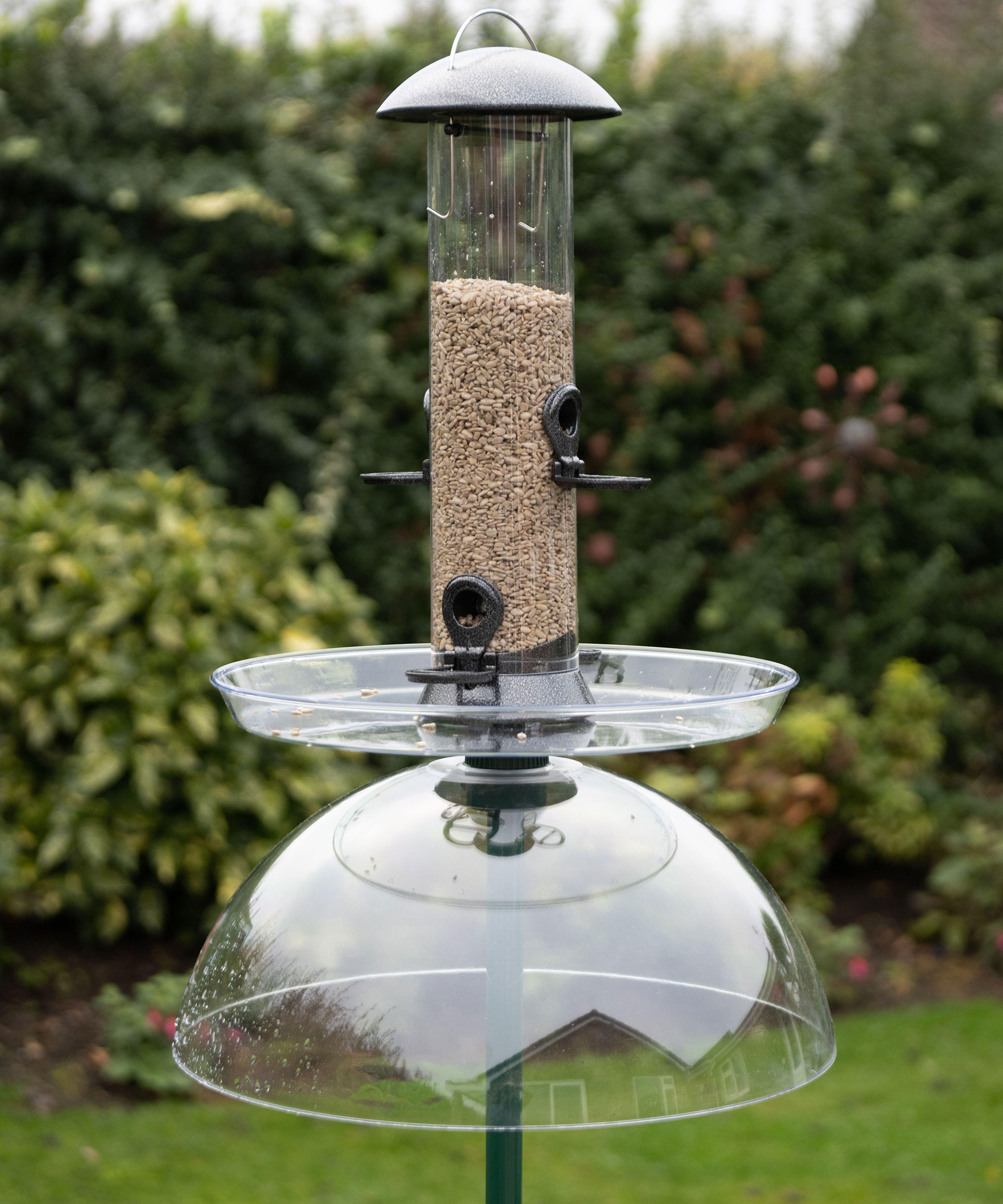
Baffles are your feeder’s best friends against squirrels. Place dome-shaped or cone baffles above or below the feeder to block climbing attempts. Make sure the baffle is wide enough so squirrels can’t squeeze around it.
Guards on feeder poles prevent squirrels from climbing up. Look for materials that resist chewing, like metal or tough plastic. Adding these barriers creates a fortress that squirrels struggle to breach, giving birds free access.
Maintaining The Feeder
Maintaining your squirrel proof bird feeder is key to keeping birds happy and squirrels at bay. It’s not just about filling it up; regular care ensures the feeder works effectively and stays clean. Taking a few minutes regularly can prevent common issues and make your feeder a safe spot for birds to visit.
Regular Cleaning Schedule
Bird feeders need cleaning to prevent mold, bacteria, and leftover seeds from spoiling. Aim to clean your feeder every two weeks, or more often if the weather is wet. Use warm soapy water and a brush to scrub all parts, then rinse thoroughly.
Have you noticed birds avoiding your feeder? Dirty feeders can be a reason. Keeping it clean attracts more birds and reduces the risk of disease spreading among them.
Refilling Frequency
How often you refill depends on the number of birds visiting and the feeder size. Check your feeder daily during peak feeding times and add fresh seed as needed. Avoid overfilling, as leftover seed can spoil and attract pests.
Try to keep a consistent routine; birds learn when food is available and will return regularly. A steady supply helps maintain their health, especially in colder months.
Monitoring For Squirrel Activity
Even the best squirrel proof feeders can attract persistent squirrels. Watch your feeder daily for signs of squirrel damage or attempts to steal food. If squirrels are getting through, consider repositioning the feeder or adding more deterrents.
Have you tried different feeder spots? Sometimes moving it just a few feet away from trees or structures makes a big difference. Keep a log of what works and what doesn’t to outsmart these clever visitors.
Frequently Asked Questions
How To Open A Squirrel Proof Bird Feeder?
To open a squirrel proof bird feeder, locate the latch or locking mechanism. Gently unfasten it, ensuring not to spill any seed. Most feeders have a lid or top that easily lifts off once the lock is disengaged. Always check the manufacturer’s instructions for specific details.
What Type Of Bird Seed Is Best?
Choose seeds that attract the birds you wish to feed. Black oil sunflower seeds are popular for many birds. They are nutritious and preferred by most species. Avoid seeds that might attract squirrels, like corn, or use a mix that deters them.
How Often Should You Refill The Feeder?
Refill your bird feeder every few days or as needed. Check the seed level regularly to ensure it’s not empty. Consistent refilling will keep your feathered visitors happy and returning. Be mindful of weather conditions that might spoil the seed quickly.
How To Keep Squirrels Away From Feeders?
To keep squirrels away, place feeders away from trees and structures. Use baffles or squirrel-proof feeders. Consider spicy bird seed, which birds tolerate but squirrels dislike. Regularly monitor and adjust your setup to ensure squirrels stay deterred.
Conclusion
Filling a squirrel proof bird feeder takes some care and patience. Use the right seeds and fill it gently. Avoid overfilling to keep squirrels away. Check the feeder often to keep it clean and full. Watch the birds enjoy their safe feeding spot.
Simple steps bring more birds to your yard. A happy bird feeder means less mess and more fun. Keep trying and enjoy the peaceful birdwatching moments.