
If you love watching birds visit your yard, hanging a bird feeder on a wire is a simple and effective way to attract them. But you might wonder how to do it safely and securely so your feathered friends can enjoy their snacks without any trouble.
In this guide, you’ll discover easy steps and smart tips to hang your bird feeder on a wire the right way. By the end, you’ll have everything you need to create a cozy feeding spot that brings nature closer to you.
Keep reading to learn how to make your bird feeder a favorite stop for local birds!

Credit: edis.ifas.ufl.edu
Choosing The Right Bird Feeder
Choosing the right bird feeder is key to attracting birds and making feeding easy. The feeder type affects which birds visit and how often. Size and material impact durability and maintenance. Consider these factors before hanging your feeder on a wire.
Types Of Bird Feeders
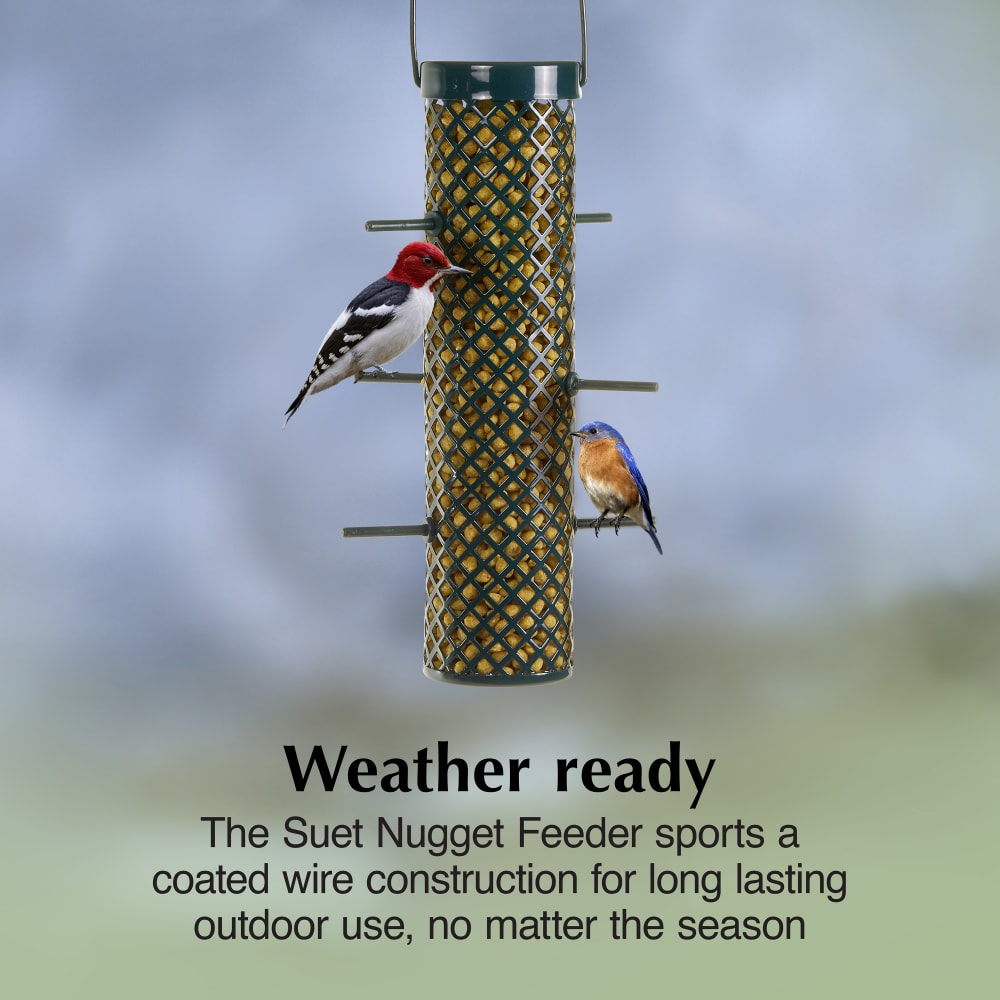
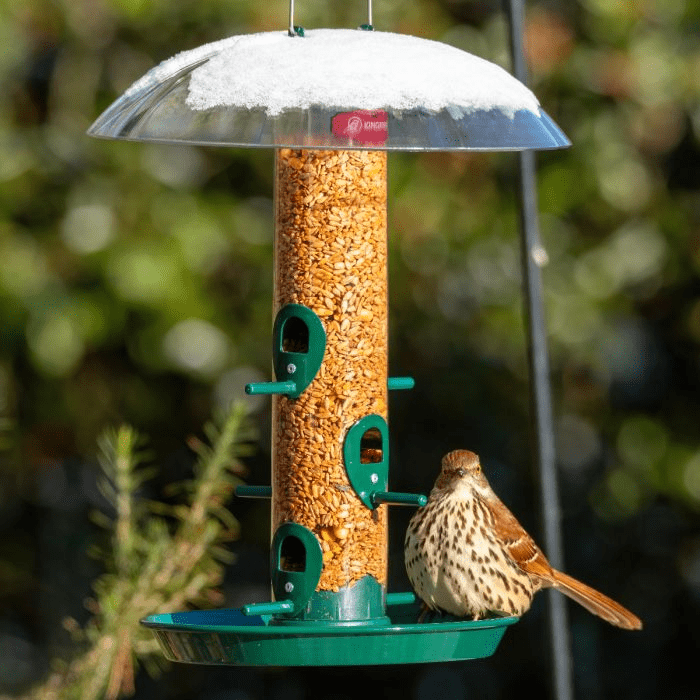
Different feeders suit different bird species and food types. Tube feeders work well for small birds like finches. Hopper feeders hold more food and attract larger birds. Platform feeders offer easy access but may invite squirrels. Suet feeders attract woodpeckers and insect-eaters. Choose based on the birds you want to see.
Materials And Durability
Feeders come in plastic, metal, and wood. Plastic is lightweight and affordable but may crack in cold weather. Metal feeders resist squirrels and last longer. Wood blends with nature but needs protection from rain. Pick a material that suits your climate and keeps food fresh.
Size And Capacity
Consider how much seed the feeder holds. Small feeders need frequent refilling but reduce waste. Large feeders feed many birds at once but may spoil food if not refilled often. Match feeder size to your bird activity and how often you want to refill.

Credit: www.amazon.com
Selecting The Perfect Wire
Selecting the perfect wire is key to hanging a bird feeder safely and securely. The right wire supports the feeder’s weight and withstands outdoor conditions. Choosing the proper wire helps avoid feeder falls and keeps birds safe. Consider wire types, strength, length, thickness, and weather resistance before making a choice.
Wire Types And Strength
Steel wire and stainless steel wire are strong choices. They hold heavy feeders well without bending. Copper wire looks nice but may not hold much weight. Nylon-coated wire resists rust and adds strength. Choose wire with enough strength to carry your feeder and bird visits.
Length And Thickness Considerations
Select wire long enough to reach from the hanging point to the feeder. Add extra length for tying knots or loops. Thicker wire holds more weight but may be harder to bend. Thinner wire is easier to handle but can break under strain. Pick thickness based on feeder size and location height.
Weather Resistance
Outdoor wires face rain, sun, wind, and snow. Rust-resistant wires last longer and need less replacement. Stainless steel and coated wires resist corrosion well. Avoid plain steel wire that rusts quickly. Weatherproof wire keeps your feeder hanging safely through all seasons.
Preparing The Hanging Spot
Choosing the right spot to hang a bird feeder on a wire is crucial for attracting birds and keeping them safe. Preparation helps create a welcoming environment. It also prevents common problems that can scare birds away or cause damage. Consider factors like location, safety, and obstructions before hanging the feeder.
Ideal Location For Birds
Pick a spot with good visibility for birds to see the feeder easily. Place it near trees or shrubs for quick shelter and rest. Avoid areas with strong wind or direct, harsh sunlight to keep birds comfortable. A spot with natural cover encourages birds to visit often.
Safety From Predators
Make sure the feeder is out of reach of cats and other predators. Avoid placing it too close to low branches where predators can hide. Keep a clear space around the feeder so birds have a safe escape route. Safety helps birds feel secure and stay longer at the feeder.
Avoiding Obstructions
Check for wires, branches, or other objects that can block birds’ flight paths. Remove or trim nearby obstacles to prevent collisions. Ensure the feeder hangs freely and can swing slightly to keep birds steady. Clear surroundings help birds land and feed easily.
Attaching The Feeder To The Wire
Attaching a bird feeder to a wire requires care to keep it secure and steady. The feeder must hang firmly to prevent swinging or falling. Choosing the right attachment method helps maintain balance and stability. This section covers simple ways to connect your feeder to a wire safely and effectively.
Using Hooks And Clips
Hooks and clips offer a quick way to hang a feeder. S-hooks work well by slipping one end on the wire and the other on the feeder loop. Clips, like carabiner clips, provide a strong hold and easy removal. Both options keep the feeder hanging straight and prevent it from spinning too much.
Securing With Twine Or Zip Ties
Twine or zip ties create a tight bond between the feeder and wire. Wrap twine around the wire and feeder hook, then tie a secure knot. Zip ties slide around the wire and feeder base for a firm grip. Trim any extra twine or zip tie ends to avoid mess and keep the look neat.
Ensuring Stability And Balance
Check that the feeder hangs level to avoid spilling seeds. Adjust the attachment point to center the feeder’s weight. Avoid letting the feeder swing freely in strong wind. Adding a weight or stabilizer below the feeder helps keep it steady.
Maintaining The Bird Feeder Setup
Maintaining your bird feeder setup on a wire is key to keeping feathered visitors happy and healthy. Regular attention ensures the feeder stays safe, clean, and attractive to birds throughout the seasons. Small efforts on your part can lead to more frequent visits and a more enjoyable birdwatching experience.
Regular Cleaning Tips
Keeping your bird feeder clean prevents the spread of disease among birds. Rinse the feeder with warm, soapy water every two weeks, or more often during wet weather. Let it dry completely before refilling to avoid mold growth.
Pay special attention to corners and crevices where old seed debris can accumulate. If you notice sticky residue or mold, scrub with a soft brush and a mild bleach solution (1 part bleach to 9 parts water), then rinse thoroughly. Have you checked your feeder for grime lately?
Checking Wire Tension
The wire holding your bird feeder needs to stay taut but not overly tight. Too loose, and the feeder swings wildly, scaring birds away. Too tight, and the wire might snap under strain or damage nearby branches.
Test the tension by gently pushing the feeder—if it swings excessively, tighten the wire slightly. Over time, wires can stretch or loosen, so inspect the setup monthly. Adjustments are quick and keep your feeder steady and inviting.
Refilling And Monitoring Feed
Birds prefer fresh seed, so refill your feeder before it empties completely. Check the seed level every few days, especially during cold weather when birds eat more. Using fresh, high-quality seed encourages regular visits.
Watch which seeds your local birds prefer and adjust your mix accordingly. If you notice leftover seed getting wet or moldy, empty the feeder and refill with dry seed. How often do you check your feeder’s contents to keep it fresh?
Credit: www.kingsyard.com
Frequently Asked Questions
How Do I Hang A Bird Feeder On A Wire Safely?
Use strong, weather-resistant wire and secure the feeder tightly. Ensure it is balanced to prevent swinging. Attach hooks or clips designed for wire mounting to avoid damage.
What Wire Types Work Best For Hanging Bird Feeders?
Galvanized steel or coated stainless steel wire works best. These wires resist rust and provide strong support. Avoid thin or weak wires that may snap under weight.
How High Should A Bird Feeder Be Hung On A Wire?
Hang the feeder about 5 to 6 feet off the ground. This height keeps birds safe from predators. It also makes refilling and cleaning easy.
Can I Hang Multiple Bird Feeders On One Wire?
Yes, but space them at least 3 feet apart. This prevents crowding and reduces bird competition. Ensure the wire can support the total weight.
Conclusion
Hanging a bird feeder on a wire is simple and rewarding. It attracts beautiful birds to your garden. Follow these steps for a safe and secure setup. Choose a sturdy wire. Ensure it can hold the feeder’s weight. Use a level to hang the wire straight.
Protect the feeder from predators by placing it high. Regularly check and refill the feeder. Clean it to keep birds healthy. Enjoy watching the birds visit your feeder daily. It’s a peaceful and joyful experience. Plus, it supports local wildlife.
Happy bird watching!