
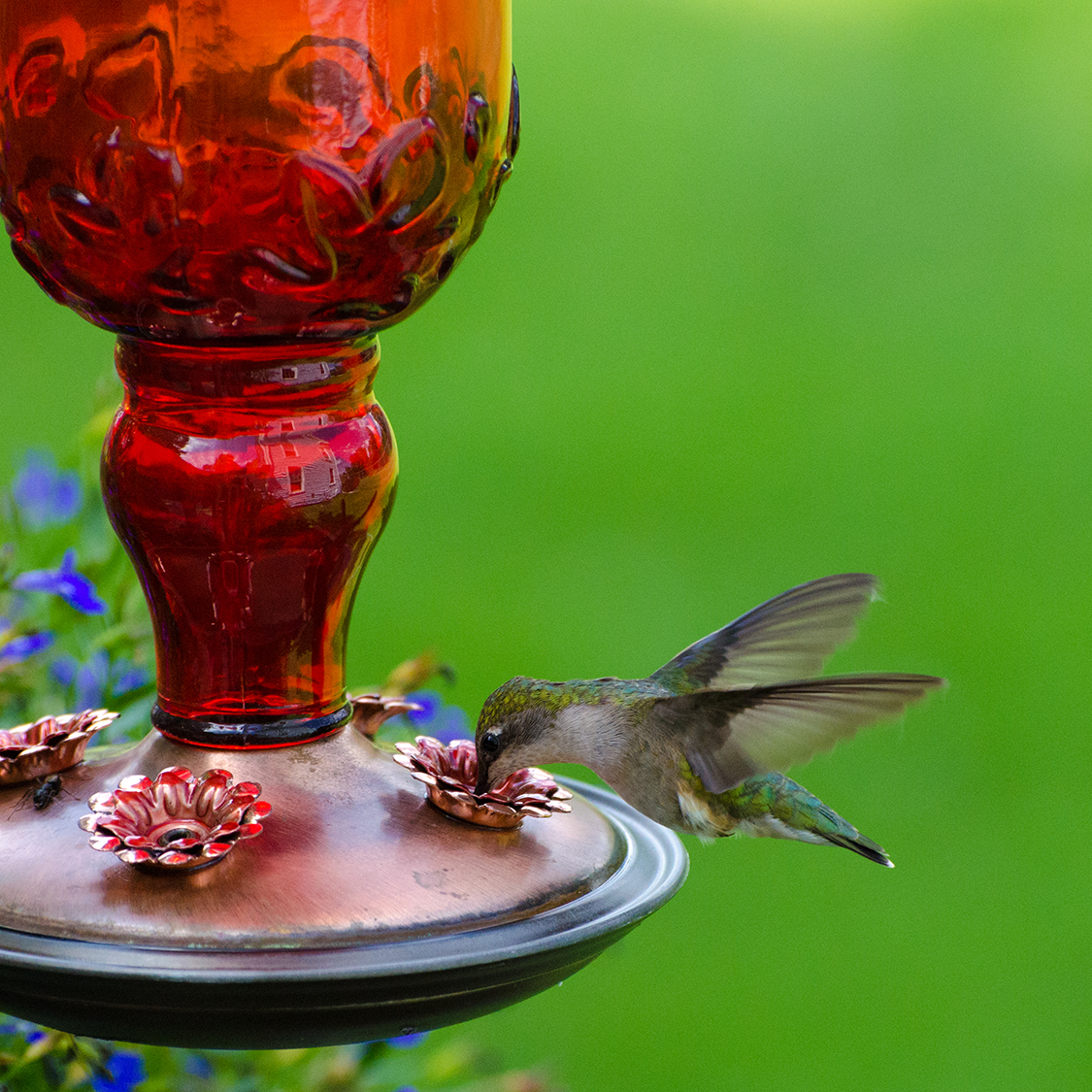
Are you tired of seeing green slime take over your hummingbird feeder? Algae growth not only looks messy but can also harm the tiny birds you want to attract.
Keeping your feeder clean and free from algae isn’t as hard as you might think. You’ll discover simple, effective ways to stop algae before it starts, so your hummingbird feeder stays fresh and inviting all season long. Let’s make sure your feathered friends have a safe, sparkling place to enjoy their sweet nectar.
Keep reading to learn how!
Credit: www.homesandgardens.com
Why Algae Grows In Feeders
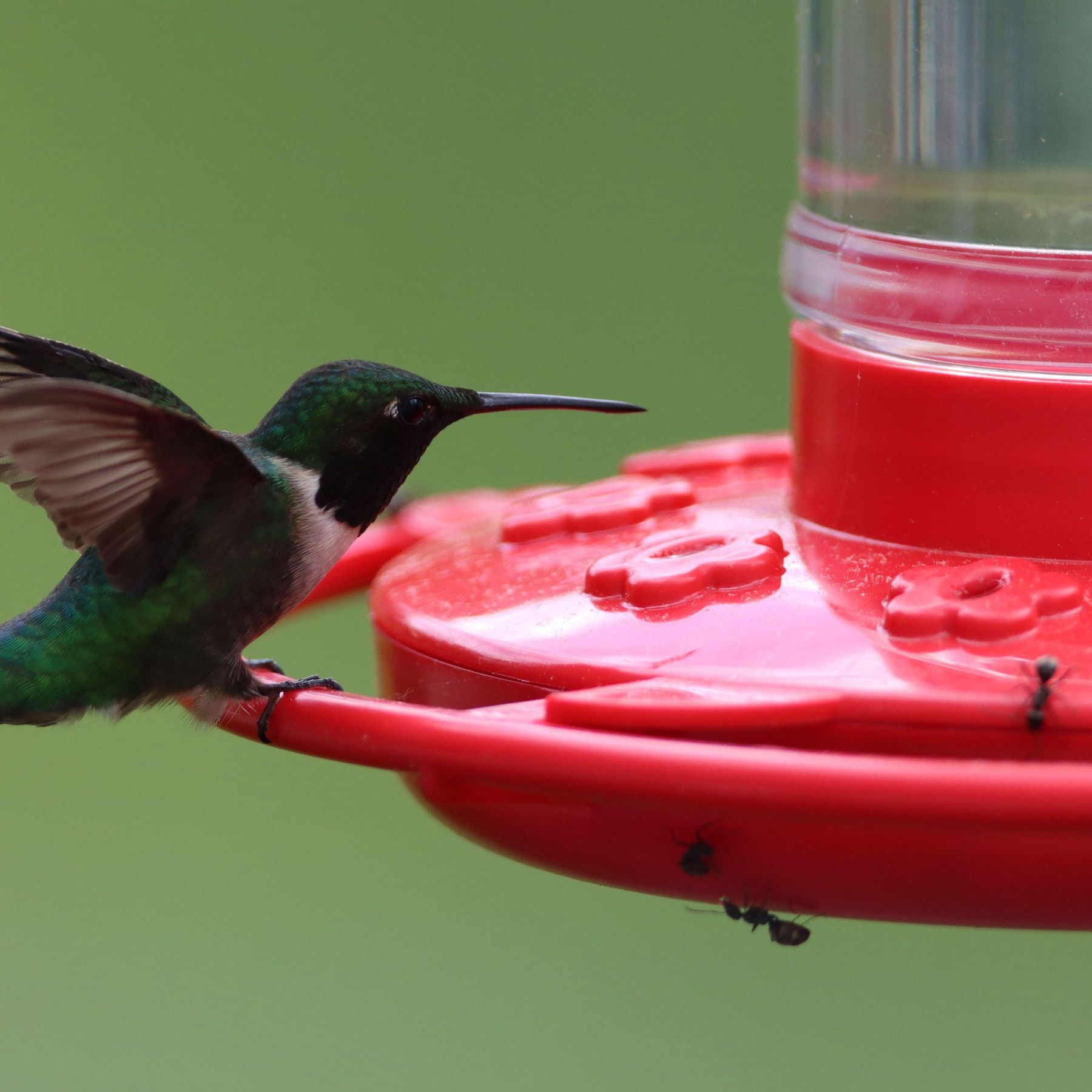
Algae growth in hummingbird feeders is more than just an eyesore—it can deter the birds you want to attract and even harm their health. Understanding why algae thrive in these feeders is the first step to keeping your feeder clean and inviting. Let’s look closely at what creates the perfect environment for algae and the types that commonly invade your feeder.
Conditions That Promote Growth
Algae need a few key ingredients to multiply quickly, and your feeder often provides them without you realizing it. Warm temperatures encourage algae growth, especially during sunny days when the feeder is exposed to direct sunlight.
Stagnant nectar left in the feeder for several days turns into a breeding ground. The sugar in the nectar acts as food for algae, while moisture and warmth make a perfect home.
- Sunlight exposure
- Warm weather
- Sugar-rich nectar
- Limited airflow around the feeder
Have you noticed algae appearing faster in summer than in spring? That’s because warmer weather speeds up their life cycle. Regular cleaning disrupts their growth cycle by removing these conditions.
Common Types Of Algae
Not all algae look the same, and identifying the type can help you choose the right cleaning method. Green algae is the most common type found in feeders. It appears as a slimy green film or clumps and thrives in sunlight.
Blue-green algae, which is actually a type of bacteria, can also grow in feeders. It looks bluish or greenish but can be harmful to hummingbirds if ingested.
| Algae Type | Appearance | Impact |
|---|---|---|
| Green Algae | Slimy green film or clumps | Generally harmless but unattractive and deters birds |
| Blue-Green Algae (Cyanobacteria) | Bluish or greenish sticky layer | Potentially toxic to hummingbirds |
Have you ever wondered why your feeder sometimes looks cleaner than others? The type of algae and the conditions it grows in make a big difference. Spotting these signs early helps you keep your feeder safe and appealing.
Credit: feedmybirds.com
Choosing The Right Feeder
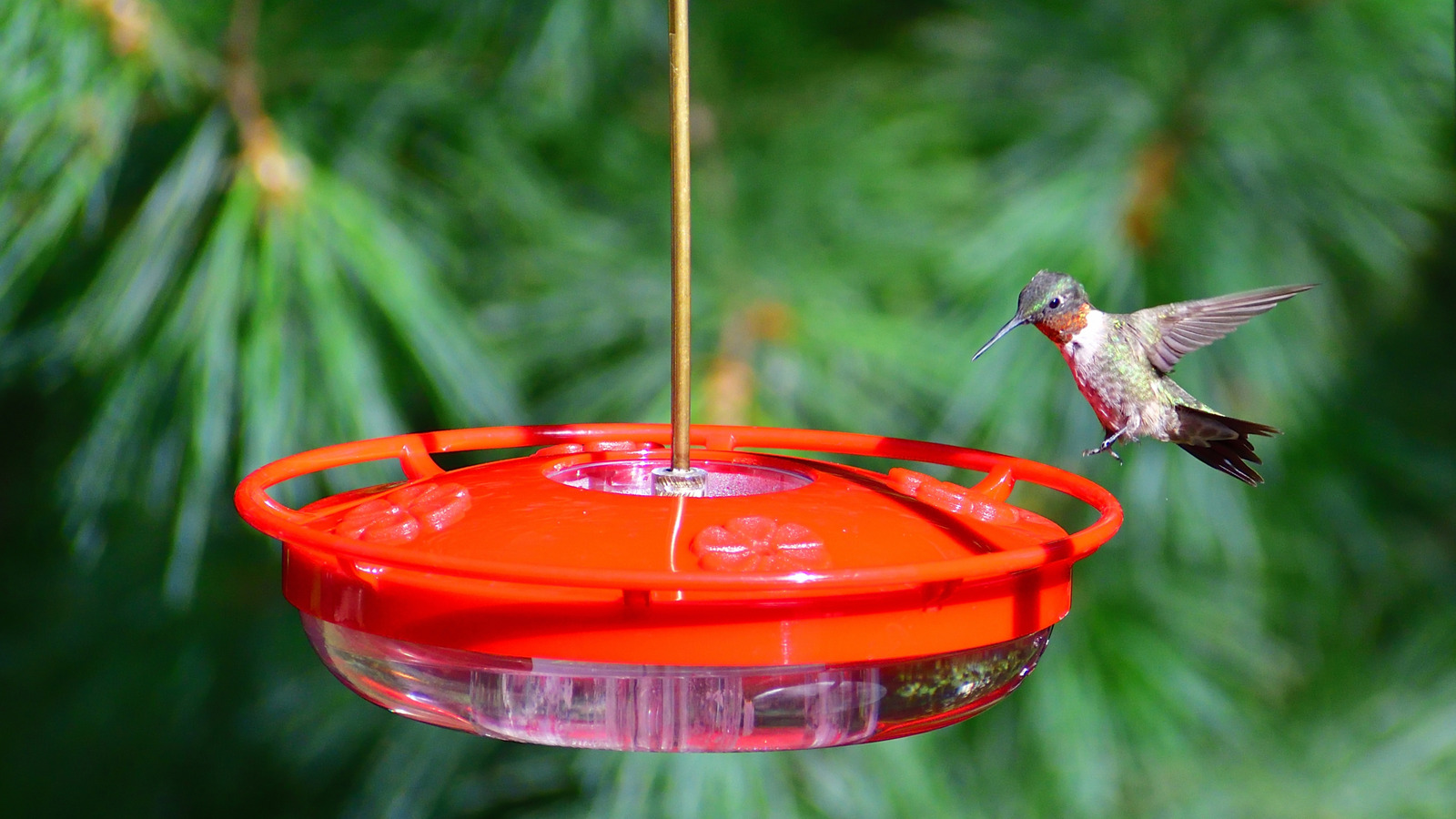
Choosing the right hummingbird feeder plays a crucial role in keeping algae at bay. Not all feeders are created equal when it comes to resisting algae growth. The material and design can make a big difference in how often you need to clean and refill your feeder.
Material Matters
Plastic feeders are common and affordable, but they often encourage algae growth because they can scratch easily, creating tiny crevices where algae thrive. Glass feeders, on the other hand, are smooth and less likely to hold onto algae, making cleaning easier and more effective.
Consider feeders made from thick, clear glass or high-quality, BPA-free plastic that resists scratches. Some feeders come with UV-resistant coatings that help slow down algae growth by blocking sunlight exposure.
Design Features To Prevent Algae
Look for feeders with fewer parts and simple shapes. Complex designs with lots of nooks and crannies trap nectar and make cleaning difficult, which gives algae a perfect breeding ground.
Feeders with built-in ant moats or bee guards often have smaller feeding ports, which can reduce the surface area exposed to air and light, slowing algae growth. Also, models with removable bases or wide openings allow for thorough cleaning, preventing algae buildup.
Have you noticed that feeders with red accents tend to attract more hummingbirds? Choosing a feeder with bright colors but minimal transparent surfaces can limit sunlight reaching the nectar and reduce algae formation.
Proper Placement Tips
Proper placement of your hummingbird feeder plays a key role in preventing algae growth. Positioning the feeder in the right spot slows down algae development. It also keeps the nectar fresh and safe for hummingbirds. Consider sunlight and shade carefully to maintain a clean feeder.
Avoiding Direct Sunlight
Direct sunlight heats the nectar quickly. Warm nectar encourages algae to grow fast. Choose a spot that gets little or no direct sunlight. Early morning or late afternoon light is okay. Avoid placing feeders where the sun shines all day. Cooler nectar stays fresher for longer.
Shaded Locations
Shaded areas help keep nectar cool and slow algae growth. Trees, bushes, or porch overhangs provide natural shade. Make sure the feeder still gets some light for hummingbirds to see it. Shaded spots reduce evaporation, which lowers sugar concentration and algae risk. Keep feeders in a shaded place for best results.
Daily Maintenance Habits
Keeping your hummingbird feeder free from algae is easier if you develop consistent daily habits. These simple routines help you enjoy clear nectar and vibrant visits from hummingbirds. Small efforts each day can prevent algae from taking hold and keep your feeder inviting for your feathered friends.
Cleaning Frequency
Check your feeder every day, especially in warm weather. Nectar can ferment or grow algae quickly within 24 to 48 hours. If you notice cloudiness or any green tint, it’s time to clean immediately.
Even if you don’t see algae, changing the nectar every two to three days is a smart habit. This prevents buildup and keeps the nectar fresh. Ask yourself: could skipping a day lead to a less healthy feeder environment?
Best Cleaning Methods
Use warm water and a mild soap to clean the feeder thoroughly. Avoid harsh chemicals that could harm birds. A small brush or pipe cleaner works well to reach tight spots and remove hidden algae.
- Rinse all parts completely to remove soap residue.
- Allow the feeder to dry fully before refilling to discourage algae growth.
- Consider soaking the feeder in a vinegar solution once a week to kill stubborn algae.
Personal experience shows that cleaning every day takes only a few minutes but makes a big difference. This routine stops algae before it starts and keeps hummingbirds returning eagerly. How much time can you spare to protect these tiny visitors?
Using Natural Deterrents
Using natural deterrents helps keep algae out of hummingbird feeders without harming the birds. These methods use safe ingredients to maintain clean nectar. Natural options avoid chemicals that can be risky for hummingbirds and the environment.
Natural deterrents reduce algae growth by balancing the feeder’s environment. They create conditions where algae cannot thrive. These solutions are gentle, easy to apply, and cost-effective.
Safe Additives
Some safe additives can prevent algae growth in hummingbird feeders.
- Vitamin C powder helps lower the pH, slowing algae growth.
- Lemon juice acts as a natural acidifier, keeping nectar fresh.
- Food-grade hydrogen peroxide can be used in small amounts to clean feeders.
- These additives should be used carefully to avoid harming hummingbirds.
Homemade Solutions
Simple homemade solutions can keep feeders clean and algae-free.
- Mix one part white vinegar with four parts water for cleaning.
- Use warm soapy water to scrub the feeder every few days.
- Rinse thoroughly to remove all soap and vinegar residue.
- Store extra nectar in the refrigerator to slow algae growth.

Credit: www.yahoo.com
Sugar Water Preparation
Preparing sugar water correctly helps keep algae from growing in hummingbird feeders. Clean water and the right sugar mix prevent mold and bacteria. This keeps hummingbirds healthy and attracts them to your feeder.
Correct Sugar-to-water Ratio
Use a simple sugar-to-water ratio of 1:4. That means one part white granulated sugar to four parts water. Avoid using honey, brown sugar, or artificial sweeteners. They can harm hummingbirds and promote algae growth.
Boil the water first to kill any germs. Let the water cool before mixing the sugar. Stir until the sugar fully dissolves. This creates a clean, clear solution that hummingbirds love.
Avoiding Contaminants
Always use clean, fresh water for the sugar mix. Avoid using tap water with chemicals or dirt. Use filtered or bottled water if possible. Clean all utensils and containers before use to stop bacteria and algae from starting.
Do not add anything else to the sugar water. Avoid dyes or flavors. These can harm birds and cause feeder problems. Change the sugar water every few days to keep it fresh and safe.
Seasonal Care Adjustments
Adjusting your hummingbird feeder care based on the season is key to preventing algae growth. Each season brings different challenges, and understanding these can help you keep your feeder clean and inviting for hummingbirds year-round.
Warm Weather Tips
Warm weather creates the perfect environment for algae to thrive. To combat this, clean your feeder at least twice a week with hot, soapy water and a bottle brush. Rinse thoroughly to remove all soap residue.
Try placing your feeder in a shaded spot to reduce sunlight exposure, which fuels algae growth. You might also consider adding a few drops of lemon juice to the nectar; its acidity helps slow algae development without harming the birds.
Have you noticed how quickly nectar turns cloudy in summer? Quick cleaning and fresh nectar refills are your best defense against that slimy buildup.
Cold Weather Considerations
In colder months, algae growth slows but doesn’t stop completely. Check your feeder weekly to remove any debris or mold that might start forming. If temperatures drop below freezing, use a feeder heater or bring the feeder indoors overnight to keep nectar from freezing.
Cold weather means hummingbirds visit less often, so nectar can sit longer and spoil. Replace nectar more frequently, even if it looks clear. This prevents the growth of harmful bacteria and keeps your feeder safe for visitors.
Have you thought about how your feeder’s location affects its condition in winter? Placing it near a warm wall or protected area can reduce freezing and algae risks.
Frequently Asked Questions
How Do I Clean My Hummingbird Feeder?
To clean your hummingbird feeder, use warm soapy water and a brush. Rinse thoroughly to remove soap residue. Clean it every few days, especially in warm weather, to prevent algae and bacteria growth. Regular cleaning ensures the health of hummingbirds and keeps the feeder algae-free.
How Often Should I Change The Nectar?
Change the nectar every 3-5 days, depending on the temperature. In warmer weather, change it more frequently to prevent spoilage. Fresh nectar prevents algae growth and keeps hummingbirds healthy. Regularly changing nectar ensures it remains fresh and attractive to hummingbirds.
What Type Of Feeder Prevents Algae?
Use a feeder with a wide mouth and minimal crevices. This design makes cleaning easier and reduces algae growth. Opt for feeders made of glass or hard plastic, which are less prone to algae. Regular maintenance is crucial regardless of the feeder type.
Can I Add Anything To Stop Algae?
Avoid adding any chemicals or substances to the nectar. Instead, focus on regular cleaning and maintenance. Ensure your feeder is kept in a shaded area, which helps slow algae growth. Clean feeders and fresh nectar are the best prevention methods.
Conclusion
Keeping algae out of your hummingbird feeder takes regular care and simple steps. Clean the feeder often using warm water and mild soap. Change the nectar every few days to stop algae from growing. Place the feeder in a shaded area to reduce sunlight exposure.
These easy actions help keep your feeder fresh and safe for hummingbirds. Enjoy watching these beautiful birds without worry. Small efforts bring big results.