
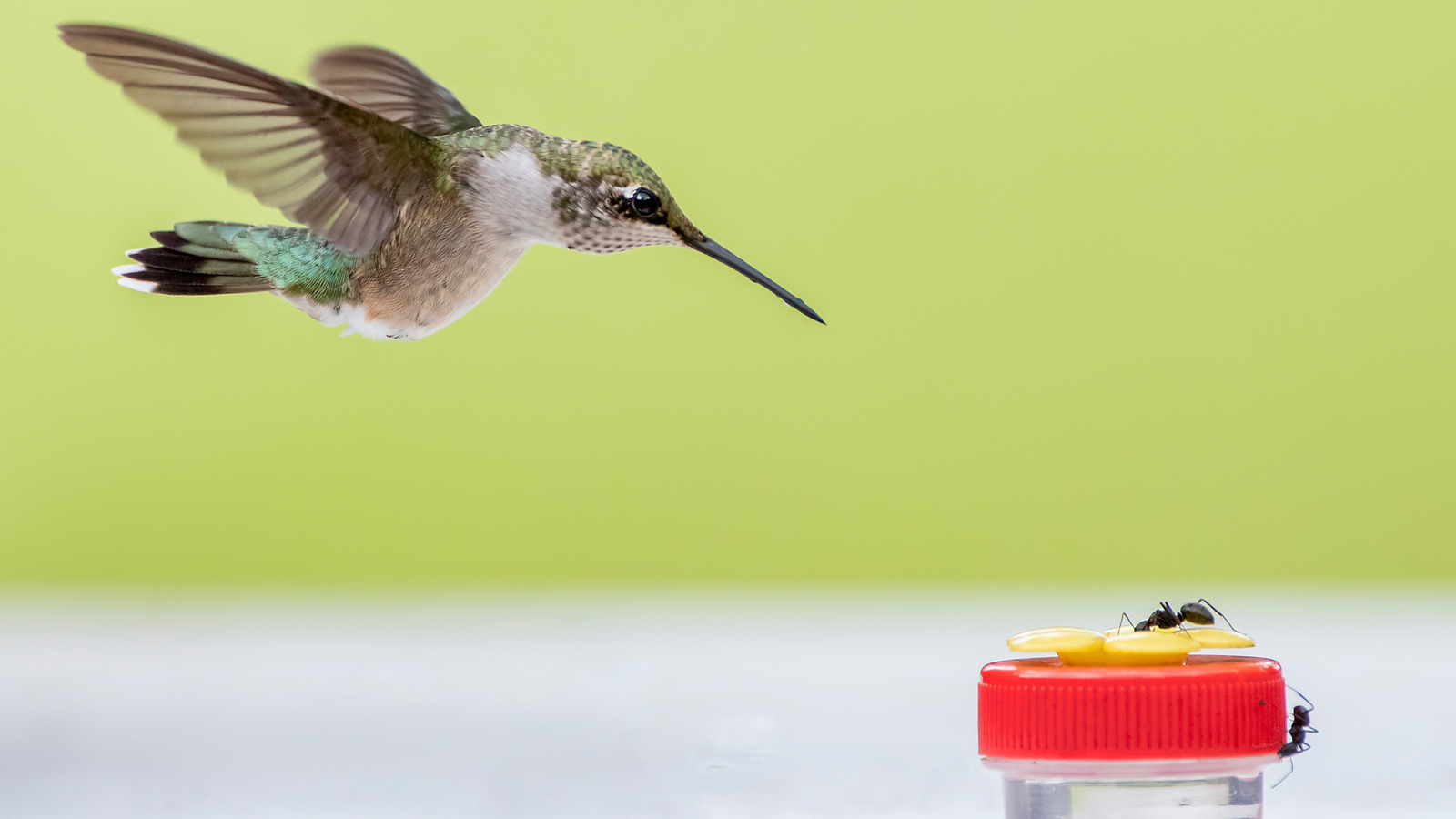
Are you tired of ants invading your hummingbird feeder and stealing the sweet nectar meant for your feathered friends? It’s frustrating to see those tiny pests take over, making it hard for hummingbirds to enjoy their meal.
But don’t worry—you can stop ants from ruining your feeder with a few simple tricks. Keep reading, and you’ll discover easy, effective ways to protect your feeder so you can enjoy watching hummingbirds without the unwanted guests. Your garden—and your hummingbirds—will thank you!
Why Ants Are Attracted To Feeders
Ants invading your hummingbird feeder can quickly turn a peaceful backyard moment into a frustrating battle. Understanding why ants are drawn to these feeders helps you tackle the problem effectively. It’s not just about the sweet liquid; it’s also about how ants behave and the types of ants you might be dealing with.
Sweet Nectar And Ant Behavior
The sugary nectar in hummingbird feeders acts like a beacon for ants. They are naturally attracted to sweet substances because they provide a quick energy source. Once an ant finds the nectar, it leaves a chemical trail that guides other ants to the feeder.
This behavior explains why you often see a line of ants marching straight to your feeder. Ants work as a team, so even if you remove some, others will keep coming back unless the source is completely inaccessible. Have you noticed how persistent these tiny invaders can be?
Common Ant Species Near Feeders
Not all ants behave the same way around feeders. Some species are more aggressive in raiding sweet spots, while others are less interested. Identifying which ant species is causing trouble can help you choose the right control method.
| Ant Species | Behavior Around Feeders | Control Tips |
|---|---|---|
| Argentine Ants | Highly attracted to sweet nectar; form large colonies | Use bait stations away from feeder; clean spills promptly |
| Odorous House Ants | Commonly invade feeders; strong scent when crushed | Seal entry points; maintain feeder cleanliness |
| Carpenter Ants | Less attracted to sugar, more to protein; still visit feeders | Inspect wood structures; reduce moisture |
Knowing which ants are around helps you act smartly. Next time you see ants on your feeder, take a moment to observe their behavior. It might just give you the clue you need to keep them away.

Credit: www.hummingbirdsociety.org
Choosing The Right Feeder
Choosing the right hummingbird feeder is key to keeping ants at bay. Not all feeders are created equal, and some designs naturally discourage ants from invading your bird’s nectar. Picking the right feeder can save you time and frustration, letting you enjoy watching hummingbirds without constantly battling ants.
Ant-resistant Feeder Designs
Look for feeders that include built-in ant moats—small water-filled barriers that prevent ants from crossing onto the feeder. These moats act like natural ant traps, stopping them before they reach the nectar.
Feeders with upside-down feeding ports or those suspended by thin wires also make it harder for ants to climb. The fewer flat surfaces ants can walk on, the better. Have you noticed how ants struggle to navigate smooth, slippery surfaces? Choosing feeders with these features plays on that difficulty.
Materials That Deter Ants
Materials matter. Glass feeders tend to be less attractive to ants compared to plastic ones because they are harder to grip and less porous. Metal components, especially stainless steel, can also discourage ants from climbing.
Some feeders use textured or coated surfaces that ants find difficult to traverse. If you’ve ever tried to stop ants with natural substances like petroleum jelly, you’ll understand how certain surfaces can serve as barriers. Choosing feeders made from these materials gives you an edge against ants without extra effort.
Placement Strategies To Avoid Ants
Keeping ants away from your hummingbird feeder starts with choosing the right spot and creating natural barriers. Proper placement can save you from constant battles with these tiny invaders. Let’s look at practical ways to position your feeder so ants stay far away.
Ideal Locations For Feeders
Pick a spot that’s not directly connected to trees or shrubs, as ants use branches to reach the feeder. Instead, hang your feeder from a thin, smooth pole or wire that ants find hard to climb.
Place the feeder at least 10 feet away from any ant nests or anthills. If you’ve noticed ants in one area, avoid setting the feeder there altogether.
Think about sun exposure too—ants prefer warm paths. Placing your feeder in a partially shaded area can make it less attractive to ants.
Using Natural Barriers
Natural barriers like sticky substances or water moats can block ants from reaching the feeder. Wrap the hanging pole with a sticky tape designed to trap insects, but make sure it’s safe for the birds.
Another effective trick is to create a water moat around the feeder’s hanger. Simply place the feeder so it dangles over a shallow dish filled with water. Ants can’t swim, so this stops their march.
Have you tried sprinkling cinnamon or chalk powder around the base of the feeder’s stand? These natural repellents confuse ants and keep them away without harming your feathered visitors.
Credit: www.housedigest.com
Homemade Ant Deterrents
Homemade ant deterrents offer a natural way to keep ants away from hummingbird feeders. They use simple ingredients found in most homes. These remedies help protect your feeder without harming birds or the environment.
Natural Ingredients That Repel Ants
Several natural ingredients work well to repel ants near feeders. They create barriers ants avoid crossing.
- Vinegar: Its strong smell deters ants effectively. Wipe around the feeder base with a vinegar solution.
- Cinnamon: Sprinkle ground cinnamon near the feeder. Ants dislike its spicy scent.
- Chalk: Drawing a chalk line around the feeder base can stop ants. The powder disrupts their scent trails.
- Peppermint oil: A few drops on cotton balls placed near the feeder keep ants away.
- Baby powder: Like chalk, it breaks ant scent trails. Sprinkle lightly around the feeder.
Safe Solutions For Birds And Environment
Using safe homemade deterrents protects hummingbirds and nature. Avoid harsh chemicals that can harm wildlife.
- Use only natural oils or spices. They don’t cause harm or stress to birds.
- Apply solutions outside the feeder’s reach. Keep feeders clean and dry to reduce ant attraction.
- Check regularly and reapply deterrents as needed. Nature’s solutions need refreshing after rain or wind.
- Keep sugary spills wiped up quickly. This limits ants’ food sources and keeps feeders inviting for birds.
Maintaining A Clean Feeding Area
Keeping the feeding area clean helps stop ants from invading your hummingbird feeder. Dirt and spilled nectar attract ants and other pests. A tidy space makes the feeder less tempting for ants and more enjoyable for hummingbirds.
Regular Cleaning Tips
Clean the feeder at least once a week. Use warm water and mild soap to remove sticky nectar. Rinse well to avoid soap residue. Wipe the feeder’s base and hanging parts. Clean the area around the feeder to remove any fallen nectar or debris.
Preventing Nectar Spills
Fill the feeder carefully to avoid drips. Use a funnel for precise pouring. Place a tray or plate under the feeder to catch spills. Check the feeder daily for leaks or cracks. Fix any problems quickly to stop ants from getting attracted.
Using Commercial Ant Barriers
Using commercial ant barriers is a straightforward and effective way to protect your hummingbird feeder from unwanted ant visitors. These products create a physical or chemical shield that ants cannot cross, ensuring your feeder remains clean and accessible only to the birds. Choosing the right barrier and applying it correctly can save you a lot of frustration and keep your hummingbird feeding spot peaceful.
Types Of Ant Barriers
Commercial ant barriers come in various forms, each designed to suit different needs and preferences. Here are some common types you might consider:
- Sticky Barriers:These are adhesive strips or tapes you place around the feeder’s hanger or pole. Ants get stuck when they try to cross, effectively blocking their path.
- Liquid Repellents:Sprays or liquids that create a chemical barrier. They often use natural ingredients like peppermint oil or synthetic compounds that ants dislike.
- Powdered Barriers:Powders such as diatomaceous earth or specially formulated ant deterrent powders can be sprinkled around the feeder’s base.
- Physical Barriers:Products like moats or ant guards that hold water or create gaps ants can’t cross. These are often attached directly to the feeder’s hanger.
Each type has its pros and cons. Sticky barriers work well but need replacement when dirty. Liquid repellents require reapplication after rain or watering. Powders can be messy and need careful placement to avoid harming hummingbirds.
Application And Safety Tips
Applying ant barriers properly is key to keeping ants away without disturbing your hummingbirds. Start by cleaning the feeder and the surrounding area; a clean surface helps the barrier stick better.
If you use sticky tapes, wrap them tightly around the feeder’s hanging wire or pole. Check regularly for trapped ants or dirt, and replace the tape as needed.
For liquid repellents, spray only on the outer areas where ants travel, not directly on the feeder or nectar. Always read the label to ensure the product is safe around birds.
Powders should be applied sparingly and kept dry. Avoid placing them where rain can wash them into the nectar or onto the birds.
Physical barriers like moats need regular water refills and cleaning to prevent algae growth. Make sure they are secure and don’t sway in the wind, which can scare hummingbirds away.
Have you ever tried an ant barrier that didn’t work as expected? Sometimes, small adjustments in placement or barrier type make a big difference. Experimenting with these tips can help you find the perfect solution for your feeder setup.
Monitoring And Adjusting Your Setup
Keeping ants away from your hummingbird feeder requires regular care. Monitoring your setup helps catch ant problems early. Adjusting your setup based on what you observe keeps ants at bay. Small changes can protect your feeder and keep hummingbirds happy.
Signs Of Ant Infestation
Check for ants marching near the feeder base. Notice sticky trails on the feeder surface. Watch for ants inside nectar ports or around the hanging hook. Ants crawling on the feeder often mean they found a way in. A sudden drop in nectar levels might signal ant activity.
When To Change Strategies
Change your ant prevention method if ants keep returning. If water moat barriers dry out or freeze, replace or refill them. Switch to a different ant guard if the current one gets clogged. Move the feeder to a new spot if ants find a new path. Clean the feeder thoroughly before trying a new tactic.

Credit: www.yahoo.com
Frequently Asked Questions
How Do I Prevent Ants In Hummingbird Feeders?
To prevent ants, use an ant moat. Fill it with water and place it above the feeder. This creates a barrier ants can’t cross. Additionally, regularly clean the feeder and surrounding area. Removing any sugar residue helps deter ants.
What Attracts Ants To Hummingbird Feeders?
Ants are attracted to the sweet nectar. The sugar content is a food source for them. Ensure your feeder is tightly sealed and clean to reduce spills. Regularly check for leaks and clean the feeder to prevent attracting ants.
Are Ant Moats Effective For Feeders?
Yes, ant moats are highly effective. They create a water barrier that ants can’t pass. This simple tool prevents ants from reaching the nectar. It’s a cost-effective and efficient way to keep ants away from your feeder.
Can I Use Natural Repellents For Ants?
Yes, natural repellents like cinnamon and peppermint oil can deter ants. Sprinkle cinnamon around the feeder or use a few drops of peppermint oil. These natural options are safe for birds and effectively keep ants away from the feeder.
Conclusion
Keeping ants away from your hummingbird feeder protects the birds and keeps the nectar clean. Use simple tricks like ant moats or sticky barriers on the feeder. Regular cleaning also helps stop ants from settling. Watch your feeder often to catch ants early.
Small actions make a big difference for peaceful bird watching. Enjoy the sweet sight of hummingbirds without the ants’ disturbance. Stay patient and consistent with your methods. Your feeder can stay ant-free and inviting all season long.