

Have you ever wanted to bring more birds to your backyard without spending a lot of money? Making a bird feeder out of a soda bottle is a simple and fun way to do just that.
Not only will you help feed your feathered friends, but you’ll also turn trash into something useful. In this guide, you’ll discover easy steps to create your own bird feeder with items you already have at home. Ready to attract colorful birds and enjoy nature up close?
Let’s get started!
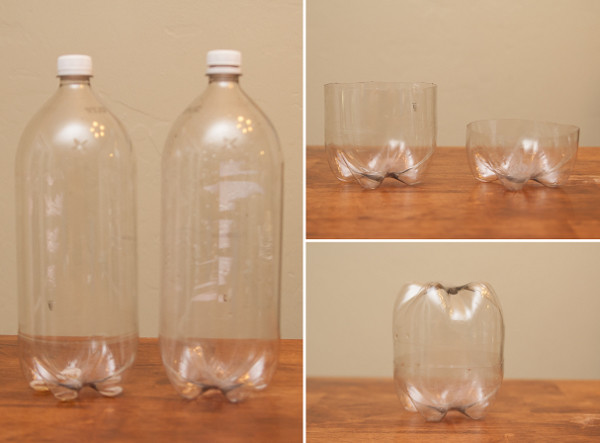
Credit: www.stitchedbycrystal.com
Materials Needed
Gathering the right materials is the first step to making a bird feeder out of a soda bottle. The good news is, you probably already have many of these items at home. Using simple, everyday objects makes this project affordable and easy to complete.
Think about what you need for both the structure and the feeding function. The materials should be safe for birds and sturdy enough to hold seeds. Have you checked your recycling bin lately? That soda bottle could be your next bird feeder!
Plastic Soda Bottle
Choose a clean, empty plastic soda bottle. A 1-liter or 2-liter bottle works best because it holds enough seed and is easy to handle. Make sure the bottle has no sharp edges and is free of labels, or remove them for a cleaner look.
Cutting Tools
You’ll need a sharp pair of scissors or a craft knife to cut openings for the birdseed and perches. A small hole punch or drill can help make holes for hanging the feeder. Always be careful when handling sharp tools to avoid injury.
Perch Materials
Birds need a place to sit while they eat. Wooden dowels, chopsticks, or sturdy sticks work perfectly. Choose something about ¼ inch thick so birds can grip comfortably.
String Or Wire For Hanging
You’ll have to hang your feeder outside, so strong string or thin wire is essential. Nylon cord or garden wire works well and withstands weather. Make sure it’s long enough to hang from a tree branch or hook.
Birdseed
Different birds prefer different seeds. Black oil sunflower seeds attract many species, while millet is great for smaller birds. Pick a seed mix suited to your local birds to keep them coming back.

Credit: ramblingsfromutopia.wordpress.com
Preparing The Bottle
Preparing the bottle is the first key step in making a bird feeder from a soda bottle. This stage ensures the bottle is safe and ready to hold birdseed. A clean, well-cut bottle will attract birds and keep the food fresh. Taking time to prepare the bottle properly makes the feeder last longer and work better.
Cleaning The Bottle
Start by removing any labels from the bottle. Soak the bottle in warm, soapy water to loosen glue and dirt. Use a sponge or cloth to scrub inside and outside the bottle. Rinse it well with clean water to remove soap. Let the bottle dry completely before moving on.
Cutting The Openings
Mark where to cut openings for the birds. Make holes big enough for birds to reach seeds. Use sharp scissors or a craft knife for clean cuts. Create small perches below the openings for birds to sit. Smooth any rough edges with sandpaper or tape to avoid harm.
Adding Feeding Ports
Adding feeding ports to your soda bottle bird feeder is key for easy access to seeds. These openings let birds feed comfortably while keeping seeds inside. Proper placement and design of feeding ports attract more birds to your feeder.
Creating Perches
Perches give birds a place to sit while they eat. Use small sticks or wooden dowels. Insert them just below the feeding holes. Make sure perches are sturdy and long enough for birds to balance.
Drill holes slightly bigger than the perch size. Push the perch through the hole until secure. Check that it does not wobble. Perches help birds stay safe and comfortable.
Securing Feeding Holes
Feeding holes must be the right size for birds to reach seeds. Use a sharp tool to cut round holes about 1 to 1.5 inches wide. Smooth edges with sandpaper to prevent injury.
Place holes at different heights around the bottle. This allows birds of various sizes to feed. Avoid making holes too large to stop seeds from spilling out. Test the holes by adding seeds and watching seed flow.
Assembling The Feeder
Assembling the bird feeder is where your project starts to take shape. This step transforms simple materials into a welcoming space for birds. Paying attention to details here will make your feeder sturdy and easy for birds to use.
Attaching Perches
Perches give birds a place to land and enjoy their meal. Use small wooden dowels, pencils, or even sturdy sticks to create these perches.
- Make holes near the feeding openings on opposite sides of the bottle.
- Push the perches through these holes so they stick out evenly.
- Ensure they are secure and strong enough to hold a bird’s weight.
Test the perches by gently pressing down; they shouldn’t wobble or fall out. Have you noticed how a shaky perch discourages birds from landing? Stable perches invite birds back again and again.
Inserting The Hanger
Your feeder needs a hanger to be suspended from a tree or hook. Choose a strong wire, string, or rope that can support the feeder’s weight when full.
- Make two small holes near the bottle’s top, opposite each other.
- Thread the wire or string through these holes, creating a loop for hanging.
- Secure the ends tightly with knots or twists so it won’t slip.
Think about where you want to hang your feeder—accessible for refilling but safe from predators. Does your hanger allow easy removal for cleaning? A well-planned hanger keeps your feeder steady and your birds coming back.
Choosing Bird Food
Choosing the right bird food is key to attracting birds to your soda bottle feeder. Different birds prefer different types of seeds and food. Offering the right food helps keep birds healthy and coming back to your feeder.
Bird food should be fresh and free from mold or dust. Old or spoiled seeds can harm birds and discourage visits. Clean food keeps your feeder safe and inviting.
Understanding Bird Preferences
Bird species have unique tastes. Some enjoy sunflower seeds, while others prefer millet or cracked corn. Knowing which birds live in your area helps pick the best food.
Popular Bird Seeds
- Black oil sunflower seeds: Attracts many birds like finches and cardinals
- Millet: Loved by smaller birds such as sparrows and juncos
- Nyjer (thistle) seeds: Favorite of finches and siskins
- Cracked corn: Good for larger birds like pigeons and doves
Using Mixed Bird Seed
Mixed seed blends offer variety and attract many bird types. Choose blends with mostly black oil sunflower seeds for best results. Avoid cheap mixes with too much filler like wheat or oats.
Additional Treats To Consider
- Suet: Provides energy in colder months
- Peanuts: Good for woodpeckers and jays
- Fruit pieces: Attracts birds like orioles and robins
Placing Your Feeder
Placing your bird feeder correctly is key to attracting birds and keeping them safe. The right spot makes your feeder inviting and easy for birds to find. It also helps you enjoy watching your feathered visitors up close without disturbing them.
Selecting The Location
Choose a spot visible from your window so you can enjoy birdwatching anytime. A quiet corner of your yard or balcony often works well. Birds prefer feeders near natural cover like trees or bushes, which give them a quick escape route.
Try to avoid placing the feeder too close to busy walkways or noisy areas. Too much human activity can scare birds away. Also, consider the direction of the sun; placing the feeder where it gets morning sun helps keep the seeds dry and fresh.
Ensuring Safety
Safety is crucial to protect birds from predators like cats or hawks. Hang your feeder at least 5 feet off the ground and 10 feet away from any jumping-off points like fences or branches. This distance prevents cats from leaping onto the feeder.
Check that your feeder is stable and won’t swing wildly in the wind. A swinging feeder can scare birds or spill seeds. You might want to add a baffle or place it near a windbreak for extra protection.
How often do you think about your feeder’s safety? Small adjustments can make a big difference in creating a safe feeding spot that birds will return to day after day.
Maintaining The Feeder
Keeping your soda bottle bird feeder in good shape helps birds stay safe and happy. Regular care stops mold and dirt from building up. It also keeps the food fresh and tasty for the birds. Simple maintenance tasks make the feeder last longer and attract more birds to your yard.
Regular Cleaning
Clean the feeder every two weeks or more often if needed. Use warm water and mild soap to wash all parts. Rinse well to remove soap traces. Avoid harsh chemicals that can harm birds. Let the feeder dry completely before refilling.
Remove any old seeds, shells, or droppings. These can cause disease in birds. Check for cracks or damage in the bottle. Replace the feeder if it looks worn out or unsafe.
Refilling Tips
Refill the feeder with fresh seeds regularly. Use dry seeds to avoid mold growth. Fill only as much as birds can eat in a few days. Overfilling leads to wasted food and attracts pests.
Choose seeds that suit local birds. Mix sunflower seeds, millet, and cracked corn for variety. Keep the feeding area clean to prevent unwanted animals. Watch how birds use the feeder and adjust seed types if needed.

Credit: news.yahoo.com
Troubleshooting Common Issues
Building a bird feeder from a soda bottle is simple and fun. Sometimes, problems arise that need quick fixes. Troubleshooting common issues keeps your feeder useful and birds happy. Small adjustments improve durability and effectiveness.
Check your feeder often. Watch how animals interact with it. This helps spot problems early. Below are solutions for common troubles.
Preventing Squirrels
Squirrels love bird feeders but can cause damage. Protect your feeder to keep birds safe and food for them only.
- Place the feeder on a thin pole with a baffle below.
- Use slippery materials like metal or plastic on the pole.
- Hang the feeder away from trees or fences squirrels can jump from.
- Add spicy pepper to birdseed; squirrels dislike the taste but birds do not mind.
- Keep the area clean to avoid attracting more squirrels.
Dealing With Weather Damage
Outdoor feeders face rain, wind, and sun. Weather can weaken the soda bottle and spoil food.
- Use a thick plastic bottle to withstand wind and rain.
- Apply waterproof paint or sealant outside the bottle for extra protection.
- Hang the feeder under a roof or tree branch to shield it from rain.
- Check and replace wet or moldy birdseed quickly.
- Inspect the feeder regularly for cracks or holes and fix them fast.
Frequently Asked Questions
How Do You Make A Soda Bottle Bird Feeder?
To make a soda bottle bird feeder, clean a bottle, cut feeding holes, and attach a perch. Fill it with birdseed and hang it in a tree or garden. This simple DIY project is eco-friendly and attracts various bird species to your backyard, providing them with easy access to food.
What Materials Are Needed For A Bird Feeder?
To create a bird feeder, you’ll need an empty soda bottle, scissors, a wooden dowel or sticks for perches, birdseed, and strong string or wire for hanging. These materials are affordable and easily accessible, making your DIY bird feeder both economical and environmentally friendly.
Can A Soda Bottle Bird Feeder Attract Many Birds?
Yes, a soda bottle bird feeder can attract a variety of birds. The feeder provides easy access to birdseed, which is appealing to many bird species. By placing it in a visible location, you’ll enjoy watching different birds visit your garden, enhancing your outdoor experience and supporting local wildlife.
How Do You Clean A Soda Bottle Bird Feeder?
To clean a soda bottle bird feeder, empty any remaining birdseed and rinse the bottle with warm soapy water. Scrub the inside with a bottle brush to remove residue. Rinse thoroughly and let it dry completely before refilling with fresh birdseed.
Regular cleaning ensures a healthy feeding environment.
Conclusion
Making a bird feeder from a soda bottle is simple and fun. It saves money and helps the environment by reusing plastic. Birds will enjoy the food, and you get to watch them up close. This project suits all ages and skill levels.
Give it a try and bring nature closer to your home. Small steps like this can make a big difference. Enjoy feeding the birds and caring for wildlife every day.