

Have you ever wanted to bring more color and life to your backyard? Making a homemade blue bird feeder is a simple and rewarding way to attract these beautiful birds right to your window.
Imagine watching bright blue feathers flutter as you enjoy your morning coffee. In this guide, you’ll discover easy steps to create a feeder that not only invites blue birds but also adds charm to your outdoor space. Ready to turn your yard into a bird lover’s paradise?
Let’s get started!
Choosing The Right Materials
Choosing the right materials for your homemade bluebird feeder is crucial to ensure it lasts through seasons and keeps your feathered friends safe. The materials you pick will affect not only the durability but also how inviting the feeder is to birds. Let’s look at key components that make your project successful.
Wood Types For Feeders
Wood is the most popular choice for bird feeders because it’s natural and sturdy. Cedar is a top pick since it resists rot and insects without toxic treatments. Pine is affordable and easy to work with but needs extra protection against weather.
Avoid pressure-treated wood because it contains chemicals harmful to birds. Instead, choose untreated hardwoods like oak or maple if cedar isn’t available. These woods hold up well outdoors and provide a safe environment for bluebirds.
Safe Paint And Sealants
Paint and sealants protect your feeder from moisture but can be risky if they contain harmful chemicals. Look for non-toxic, water-based paints and sealants labeled as safe for outdoor use. These will shield the wood without endangering the birds.
Avoid glossy or brightly colored paints that can confuse or deter bluebirds. Earthy tones like soft greens, browns, or blues often blend better with nature and attract birds more effectively. Remember, a well-sealed feeder lasts longer and requires less maintenance.
Essential Tools
You don’t need a full workshop to build a simple bird feeder, but some basic tools will make the process smoother. A handsaw or jigsaw helps cut wood accurately. Sandpaper smooths rough edges, preventing injuries to birds.
Drills are handy for making clean holes for screws or ventilation. Don’t forget clamps to hold pieces steady while you assemble. With these tools, your building experience becomes safer and more enjoyable.

Credit: www.bluebirdlanding.com
Designing Your Feeder
Designing your homemade bluebird feeder is a fun and creative process that can greatly impact how many feathered friends visit your yard. The design affects not only the feeder’s appearance but also its functionality and safety. Thinking carefully about style, size, and safety ensures your feeder becomes a favorite spot for bluebirds.
Simple Feeder Styles
Keep your design simple to attract bluebirds effectively. A basic tray feeder or a small box with an open front works well. Bluebirds prefer feeders that mimic natural perching spots, so adding a small wooden perch can invite them to land comfortably.
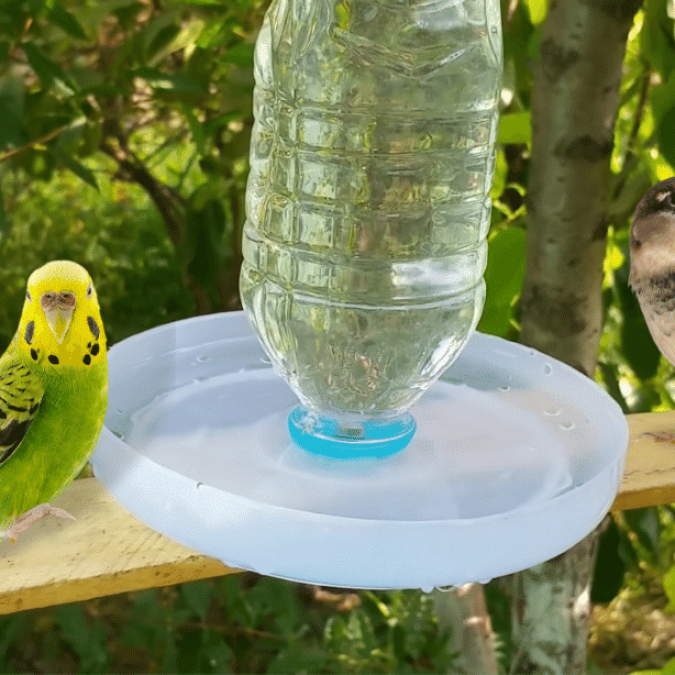
You can also use repurposed items like a clean, shallow dish or a wooden crate. Painting it with non-toxic, bird-safe colors adds charm without overwhelming the birds. Have you tried using natural materials like twigs or bark? They blend well into the environment and make birds feel secure.
Size And Shape Considerations
Bluebirds are medium-sized birds, so your feeder should suit their size. A feeder about 6 to 8 inches wide and 8 to 10 inches long offers enough space for several birds at once. Avoid making it too deep; shallow feeders allow birds to easily access the food.
The shape should protect the food from rain but still keep it visible. A roof or overhang helps keep the seeds dry. Think about where you will hang or place the feeder—ensure there’s room for bluebirds to approach from different angles without obstruction.
Ensuring Bird Safety
Safety is crucial for keeping bluebirds healthy and happy. Use untreated wood or bird-safe materials—avoid metals or plastics that can heat up or harm birds. Smooth all edges and surfaces to prevent injuries.
Make sure perches are sturdy but not too long, so birds don’t crowd or fight. Place your feeder away from predators like cats and squirrels. Have you checked if your feeder has proper drainage holes? This prevents water buildup, which can spoil food and attract mold.
Step-by-step Construction
Building your own bluebird feeder is a rewarding experience that connects you with nature and creativity. The process involves simple tools and materials, and you’ll see how each step brings your project to life. Let’s break down the construction so you can enjoy watching bluebirds visit your handmade feeder soon.
Cutting And Assembling Parts
Start by choosing wood that’s safe for birds, like cedar or pine. Cut the pieces carefully: a base, sides, roof, and a back panel. Use a fine saw to keep edges smooth and avoid splinters.
Next, assemble the pieces using wood glue and small nails or screws. Make sure the sides are perpendicular to the base for stability. I learned the hard way that a quick dry time on glue helps avoid shifting parts during assembly.
- Base: 8×8 inches
- Sides: 8×6 inches
- Back panel: 8×10 inches
- Roof: two pieces, 8×5 inches each, angled
Painting And Finishing
Choose non-toxic, water-based paint to protect your feeder from weather and keep birds safe. Paint the assembled feeder with two coats, allowing each to dry completely. Bright colors like blue or yellow attract bluebirds but avoid shiny or metallic paints.
Apply a clear sealant for extra durability if your feeder will be outside year-round. From personal experience, sealing the feeder extends its life by months, saving you time and effort later.
Adding Perches And Hooks
Perches give birds a comfortable spot to land and feed. Use small wooden dowels or sturdy sticks, about 6 inches long. Attach them near the feeding area with screws or strong glue.
Don’t forget a hook or wire for hanging your feeder securely from a tree or pole. Make sure it’s sturdy enough to hold the feeder’s weight plus visiting birds. How might the placement of perches change the way birds interact with your feeder?
- Perch diameter: ¾ inch for easy grip
- Hook type: metal S-hook or looped wire
- Placement: perches 1-2 inches below feeding ports
Credit: diyjoy.com
Selecting Bird Food
Selecting the right bird food is essential for attracting bluebirds to your homemade feeder. The food you choose not only draws them in but also supports their health and energy throughout the day. Understanding what bluebirds prefer and what they should avoid can make your feeder a favorite spot in your backyard.
Best Seeds For Bluebirds
Bluebirds mainly enjoy insects, but when feeding seeds, focus on those that provide good nutrition and are easy for them to eat. Mealworms are a top choice—they offer high protein and mimic their natural diet. You can offer live or dried mealworms depending on your preference.
Other seeds that work well include sunflower seeds, especially the smaller black oil sunflower seeds. These seeds are rich in fats and nutrients. Avoid large seeds that bluebirds might struggle to handle.
Avoiding Harmful Foods
Not all bird food is safe for bluebirds. Avoid bread, as it lacks nutrients and can cause digestive issues. Also, steer clear of foods with added salts, sugars, or artificial colors.
Seeds like millet and cracked corn are often wasted by bluebirds since they prefer insects and small seeds. Offering these can attract unwanted pests instead. Think about whether your feeding spot might attract other animals and choose your food accordingly.
Feeding Tips
Keep your feeder clean and dry to prevent mold and bacteria growth that can harm birds. Change the food regularly, especially mealworms, to ensure freshness. Try placing the feeder in a quiet, sheltered area to make bluebirds feel safe.
Have you noticed how bluebirds react when you switch up the food? Sometimes, they might take a little time to find the new offerings. Patience pays off—consistent, quality food will bring them back often.
Placing Your Feeder
Placing your homemade blue bird feeder thoughtfully can make all the difference in attracting these charming visitors. Choosing the right spot not only keeps the birds safe but also ensures you get a great view while enjoying their presence. Let’s look at how to pick the best location, mount your feeder securely, and keep it clean for happy birds.
Ideal Locations
Bluebirds prefer open spaces with nearby trees or shrubs for shelter. Place your feeder at least 5 feet off the ground to protect birds from predators like cats. Avoid areas with heavy foot traffic or noisy equipment that might scare them away.
Think about visibility too. Position your feeder where you can easily watch the birds, such as near a window or on a patio. Have you noticed how bluebirds like perching on fence posts or wires? Mimicking these spots can encourage them to visit your feeder.
Mounting Options
Secure your feeder firmly to avoid swinging in the wind, which might frighten birds. You can mount it on a sturdy pole, attach it to a tree branch, or hang it from a shepherd’s hook in your garden.
Consider mounting height and stability. A pole with a baffle can help keep squirrels away, ensuring bluebirds get the food. If you use a tree branch, pick one that’s strong and not prone to movement.
Keeping Feeders Clean
Regular cleaning prevents mold and disease, keeping your feathered friends healthy. Use a solution of one part vinegar to four parts water to wipe down the feeder every two weeks or after heavy rain.
Discard any wet or moldy seed immediately. Have you ever noticed birds avoiding a feeder? Dirty feeders are often the culprit. Keeping it clean encourages frequent visits and vibrant bird activity around your home.
Attracting Bluebirds
Attracting bluebirds to your homemade feeder is about more than just putting out food. You need to create an environment that makes them feel safe and welcome. Paying attention to their natural needs and habits increases your chances of seeing these beautiful birds visit regularly.
Creating A Bird-friendly Habitat
Bluebirds prefer open spaces with scattered trees or shrubs nearby. You can add native plants like dogwood, serviceberry, or sumac to provide natural food and shelter. Avoid dense bushes where predators might hide, but make sure there are perches within sight of your feeder.
Think about what bluebirds need for nesting. Adding a birdhouse designed specifically for them within 100 yards of your feeder can encourage them to stay around. Have you noticed any natural bluebird activity in your yard? Use that to guide where you place your feeder and plants.
Using Water Sources
Fresh water is a big draw for bluebirds. A shallow birdbath with a gentle slope works well. Keep the water clean and change it every couple of days to prevent mosquitoes and bacteria.
Moving water, like a small fountain or dripper, catches the bluebirds’ attention more than still water. If space allows, place the water source near your feeder but not too close to nesting areas to avoid disturbance. Have you ever watched bluebirds splash? It’s a joyful sight that also keeps them healthy.
Avoiding Predators
Predators like cats, raccoons, and snakes can scare away bluebirds quickly. Mount your feeder at least 5 feet off the ground to reduce risk. Avoid placing feeders near thick bushes where predators can hide and pounce.
Adding baffles to poles and keeping your yard tidy can keep unwanted guests away. Think about how you can protect bluebirds without creating a fortress—balance is key. Have you spotted signs of predators in your yard before? Adjust your feeder location to stay one step ahead.
Credit: diyjoy.com
Frequently Asked Questions
What Materials Do I Need For A Blue Bird Feeder?
To make a blue bird feeder, gather wood, screws, a saw, drill, and sandpaper. Include a hook for hanging and non-toxic paint for decoration. Consider adding a small roof for weather protection. Ensure materials are safe for birds and the environment.
How Do I Attract Blue Birds To My Feeder?
To attract blue birds, fill the feeder with mealworms, berries, or sunflower seeds. Position the feeder in a quiet, open area, avoiding dense foliage. Provide nearby water sources and maintain cleanliness. Avoid using chemicals or pesticides in your garden to create a safe environment.
Can I Use Recycled Materials For The Feeder?
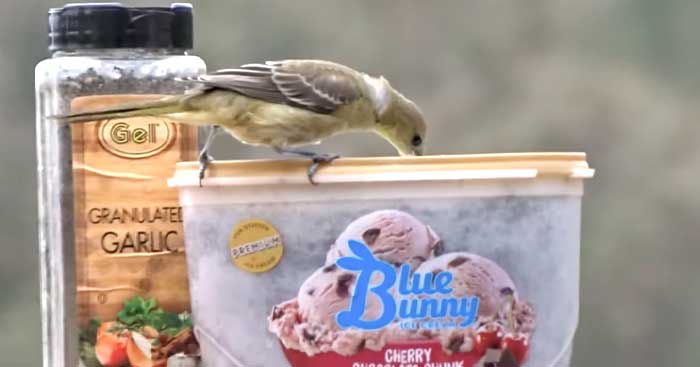
Yes, using recycled materials is eco-friendly and effective. Old plastic bottles, tin cans, or scrap wood can be repurposed. Ensure materials are clean and safe for birds. Avoid sharp edges or toxic substances. Creativity in design can enhance both aesthetics and functionality.
How Often Should I Clean The Feeder?
Clean the feeder every two weeks to prevent disease. Use warm, soapy water and rinse thoroughly. During wet weather or if mold appears, clean more frequently. Regular maintenance ensures a healthy feeding environment for blue birds and other visiting wildlife.
Conclusion
Building a homemade blue bird feeder brings joy and nature close. It is simple and fun to make with basic materials. Birds will visit your garden and brighten your day. You can watch them feed and enjoy their songs. This small project helps you connect with wildlife.
Try making one and see the birds arrive. Nature is easier to enjoy with a homemade feeder. Start today and welcome beautiful birds to your home.