
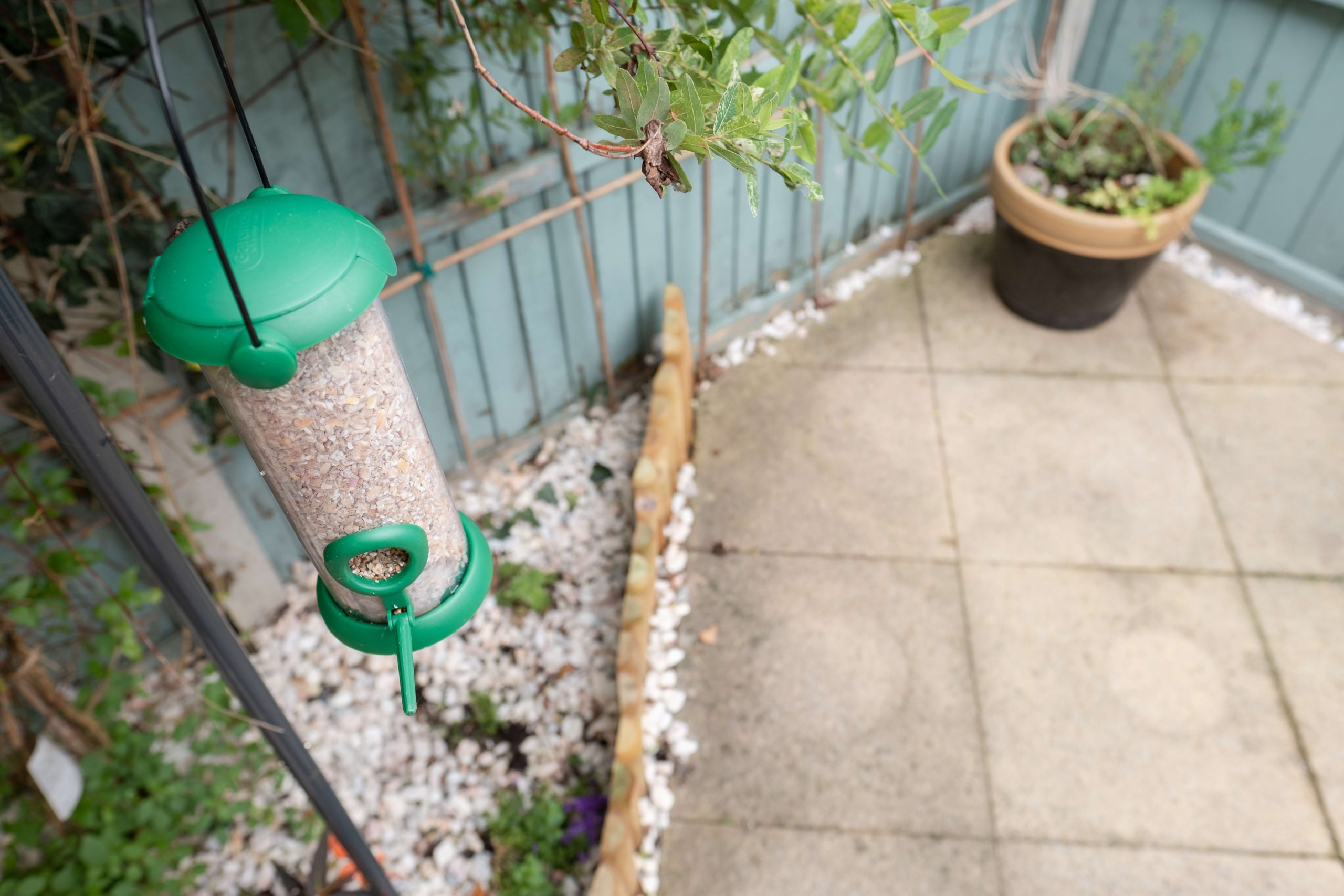
Do you want to bring more life and color to your yard? Making your yard bird friendly can turn it into a lively haven filled with beautiful feathered visitors.
But it all starts with the right feeder. Imagine watching bright birds flutter to your yard every day, adding joy and calm to your outdoor space. In this guide, you’ll learn simple, effective steps to create a bird feeder that attracts a variety of birds safely and easily.
Ready to transform your yard into a bird’s paradise? Let’s get started!
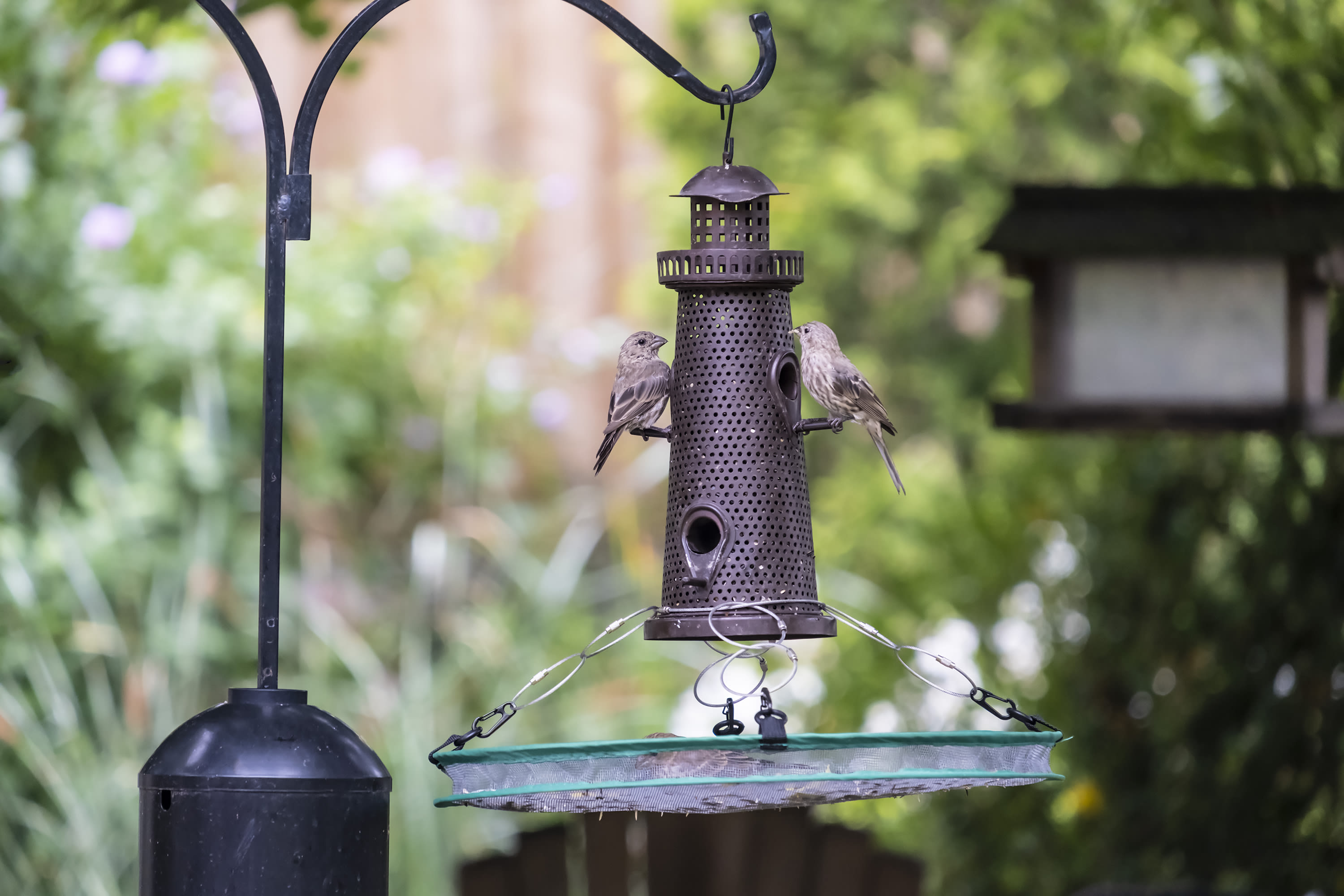
Credit: dengarden.com
Choose The Right Feeder
Choosing the right feeder is important for attracting birds to your yard. The feeder you select affects which birds visit and how often. Some feeders suit certain bird species better than others. The feeder’s design also impacts how easy it is to clean and refill.
Think about the types of birds you want to attract. Consider the feeder’s material and how long it will last outdoors. Placement matters too. The right spot helps keep birds safe and comfortable while they eat.
Types Of Bird Feeders
- Tube Feeders:These have small holes perfect for seeds like sunflower or nyjer. They attract finches, chickadees, and sparrows.
- Platform Feeders:Open trays that hold mixed seeds or fruit. They welcome larger birds like cardinals and jays.
- Hopper Feeders:These hold more seed and protect it from rain. Many bird types use them, including doves and grosbeaks.
- Nectar Feeders:Designed for hummingbirds. They hold sweet liquid and have small feeding ports.
- Suet Feeders:Hold suet cakes for woodpeckers and nuthatches. Usually made of wire cages.
Materials And Durability
- Plastic:Lightweight and often inexpensive. Can crack in cold weather or fade in sun.
- Metal:Sturdy and long-lasting. Resists chewing by squirrels and rodents.
- Wood:Natural look that blends with the yard. Needs regular maintenance to avoid rot.
- Glass:Attractive but fragile. Best for protected areas.
Placement Tips
- Place feeders near shrubs or trees for cover from predators.
- Keep feeders away from windows to avoid bird collisions.
- Mount feeders at a height safe from cats and other pets.
- Ensure easy access for refilling and cleaning.
- Provide some shade to keep seeds fresh longer.
Select Bird-friendly Food
Choosing the right food is key to attracting birds to your yard. Birds need nutrients to stay healthy and active. Providing the right seeds and treats helps them thrive near your feeder. Different bird species prefer different foods. Offering a variety keeps many birds visiting your yard all year long.
Popular Bird Seeds
- Black oil sunflower seeds – loved by many songbirds
- Nyjer (thistle) seeds – perfect for finches and siskins
- Millet – a favorite for sparrows and juncos
- Safflower seeds – attracts cardinals and grosbeaks
- Cracked corn – enjoyed by doves and jays
Seasonal Feeding Options
Adjust food types by season to suit bird needs.
- Spring: Offer high-protein foods like suet and mealworms.
- Summer: Provide fresh fruits and berries for energy.
- Fall: Add seeds with high fat content to prepare for winter.
- Winter: Use high-energy foods such as sunflower seeds and suet.
Avoiding Harmful Foods
Some foods can harm birds or attract pests. Avoid these items:
- Salted or flavored seeds and nuts
- Bread and processed human foods
- Moldy or spoiled food
- Raw beans, which are toxic to birds
- Onions and garlic, harmful to birds’ health
Create A Safe Environment
Creating a safe environment is key to attracting birds to your yard. Birds need protection from dangers and a place to rest. Providing a secure space helps them feel comfortable and return often. Safety supports their health and encourages feeding at your bird feeder.
Avoiding Predators
Place feeders away from areas where cats and other predators hide. Keep feeders at least 10 feet from bushes and fences. Use tall poles or hang feeders where predators cannot reach. Clear nearby branches that allow predators to jump to feeders. Watching for signs of predators helps keep birds safe.
Providing Shelter And Water
Offer nearby bushes or trees for birds to hide and rest. Dense shrubs protect birds from weather and enemies. Fresh water attracts birds and helps them stay healthy. Use shallow birdbaths or trays for drinking and bathing. Change water daily to keep it clean and safe.
Keeping Feeders Clean
Clean feeders regularly to prevent disease spread among birds. Use hot, soapy water and rinse well after cleaning. Dry feeders completely before refilling with seed. Remove old or moldy seed to protect bird health. Clean feeding areas below feeders to avoid pests and germs.
Attract Different Bird Species
Creating a bird-friendly yard means inviting a variety of species to visit and thrive in your outdoor space. Different birds have unique needs and preferences, so offering diverse resources can make your feeder a hotspot for feathered friends. Think about what attracts them naturally and how you can replicate those conditions in your yard.
Using Native Plants
Native plants provide the best food and shelter for local bird species. They offer seeds, berries, and insects that birds are used to eating. Adding a mix of shrubs, trees, and flowering plants native to your area can support birds throughout the year.
Try planting species like coneflowers, serviceberries, or dogwoods. These plants attract insects and produce fruit that many birds love. Have you noticed how birds flock to certain bushes in your neighborhood? That’s nature’s way of showing you what works.
Adding Nesting Materials
Birds need safe places to build their nests. You can help by providing natural materials like twigs, dried grass, and feathers near your feeder. These small touches encourage birds to stay longer and even raise their young in your yard.
Scatter bits of cotton, yarn, or pine needles in a mesh bag or small container. Avoid anything treated with chemicals or synthetic fibers that could harm birds. This simple effort turns your feeder area into a cozy home, not just a dining spot.
Incorporating Birdbaths
Fresh water is essential for birds to drink and bathe. Adding a birdbath near your feeder makes your yard more attractive and supports bird health. Choose a shallow basin with a rough surface so birds can perch safely.
Keep the water clean and change it frequently to prevent mosquitoes and algae. Adding a small fountain or dripper can catch birds’ attention with moving water. How often do you watch birds splash and preen? It’s one of the most rewarding sights in a bird-friendly yard.
Maintain And Monitor Your Feeder
Maintaining and monitoring your bird feeder keeps it safe and inviting. Clean feeders help prevent disease among visiting birds. Careful watching stops pests from taking over. Adjusting feeders with the seasons ensures birds get the right food year-round. These simple steps create a healthy feeding spot that birds will love.
Regular Cleaning Schedule
Clean your feeder every two weeks or more often in wet weather. Use warm water and mild soap to remove old seeds and dirt. Rinse well to avoid soap residue. Dry the feeder completely before refilling it. This routine stops mold and bacteria from growing.
Watching For Pests
Check your feeder daily for ants, squirrels, or other pests. Use baffles or guards to keep squirrels away. Remove spilled seeds from the ground to avoid attracting unwanted visitors. Keep feeders in open areas so you can spot pests easily. Protecting your feeder helps birds feed safely.
Adjusting Feeders Seasonally
Change the type of seed to match the season and bird species. Offer high-fat seeds like sunflower or suet in winter for energy. Use milder seeds such as millet or cracked corn in spring and summer. Move feeders to shaded spots in hot months. Seasonal changes keep birds healthy and happy.
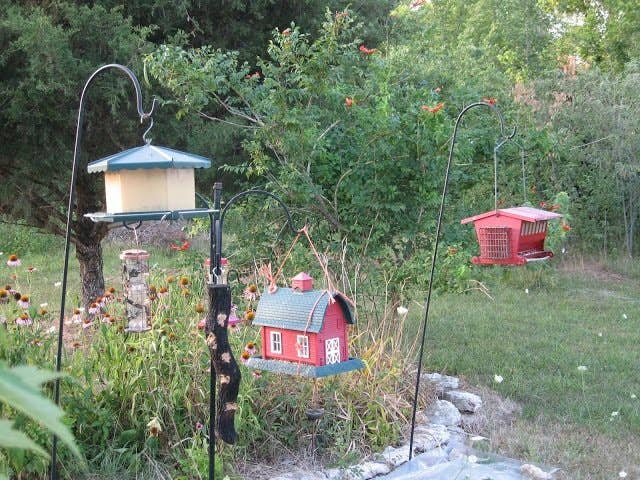
Credit: dengarden.com
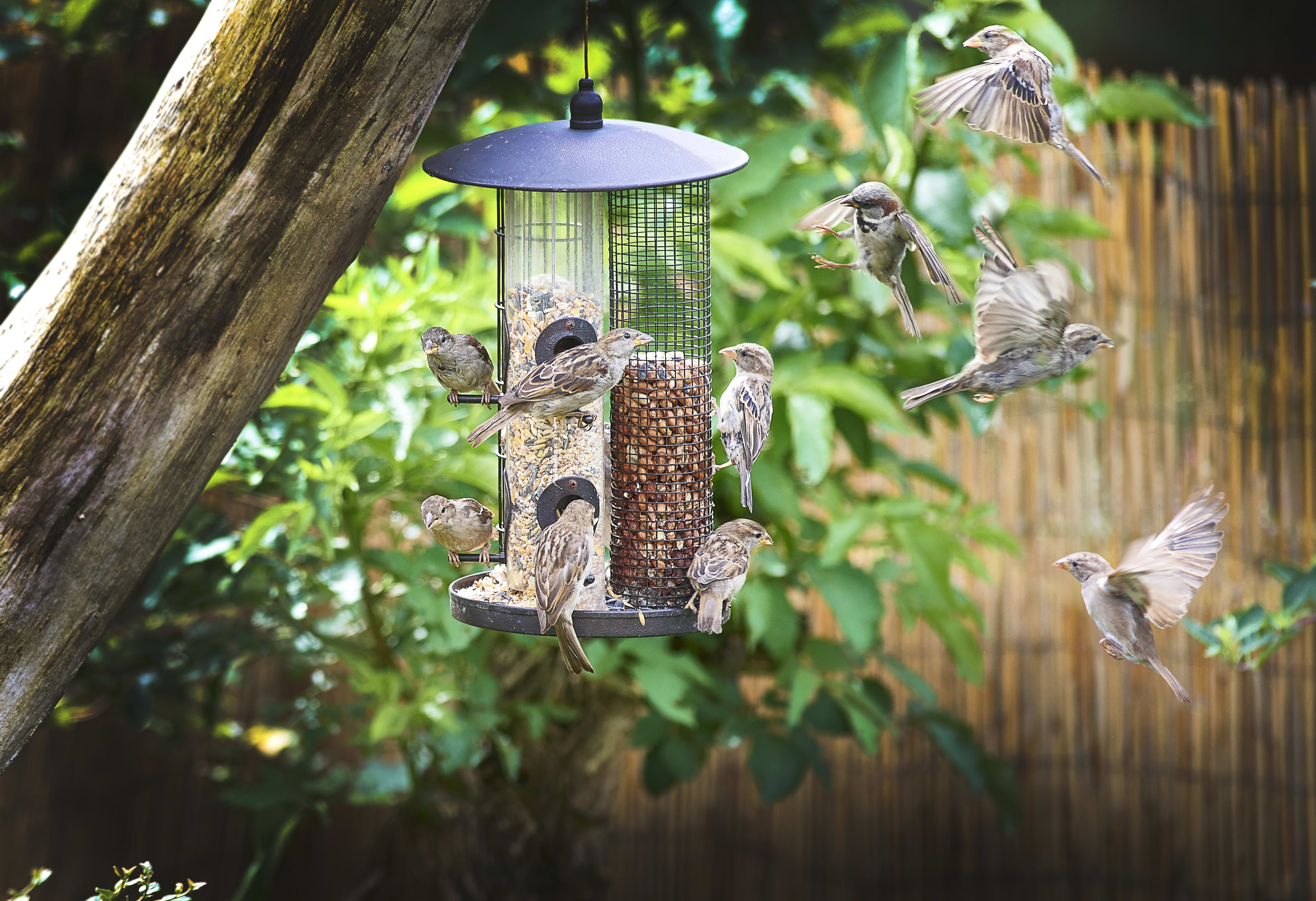
Credit: dengarden.com
Frequently Asked Questions
What Materials Are Best For Bird-friendly Feeders?
Use natural, non-toxic materials like untreated wood or bamboo. Avoid plastics that can harm birds or degrade quickly. These materials blend well with your yard and offer durability, ensuring a safe feeding spot for birds.
How To Choose Bird Seed For Yard Feeders?
Select seeds based on local bird species’ preferences. Black oil sunflower seeds attract many birds, while nyjer seeds suit finches. Offering diverse seeds encourages a variety of birds to visit your feeder.
Where Should I Place My Bird Feeder In The Yard?
Place feeders 5-10 feet from trees or shrubs for shelter and safety. Avoid spots near predators or heavy foot traffic to keep birds comfortable and secure.
How Often Should I Clean My Bird Feeder?
Clean feeders every two weeks to prevent mold and disease. Use warm, soapy water and rinse well. Regular cleaning keeps birds healthy and feeder attractive.
Conclusion
Creating a bird-friendly yard brings joy and life to your space. Attracting colorful birds is simple with the right feeder. Choose quality seeds and keep your feeder clean. Birds love fresh water, so add a birdbath. Observe and enjoy the beauty they bring.
Simple steps make a big difference. Your yard becomes a lively haven for birds. A place where nature thrives. Embrace this rewarding hobby and cherish the lively chirps. Your efforts help birds and bring peace to your environment. Watch your yard transform into a bird paradise.
A joyful experience for every nature lover.