
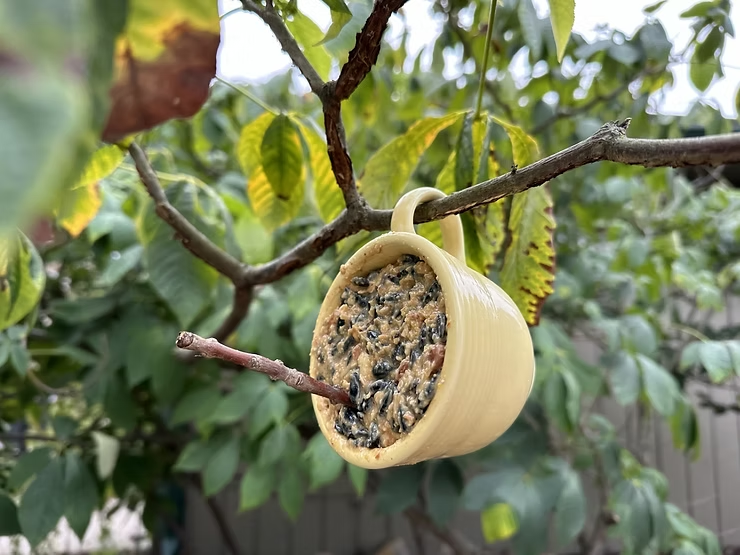
Are you looking to attract a vibrant array of birds to your garden? Putting suet in your bird feeder is a simple yet effective way to invite these feathered friends to visit your outdoor space.
Suet is a high-energy food that birds love, especially during colder months when they need extra fuel. But how exactly do you go about adding it to your feeder? Don’t worry—you’re about to discover the easy steps to do just that.
By the end of this article, you’ll be ready to transform your garden into a bustling haven for birds. Keep reading, and learn how a small tweak to your feeder can make a big difference in your backyard birdwatching experience.
Credit: www.wildbirdsuets.com
Choosing The Right Suet
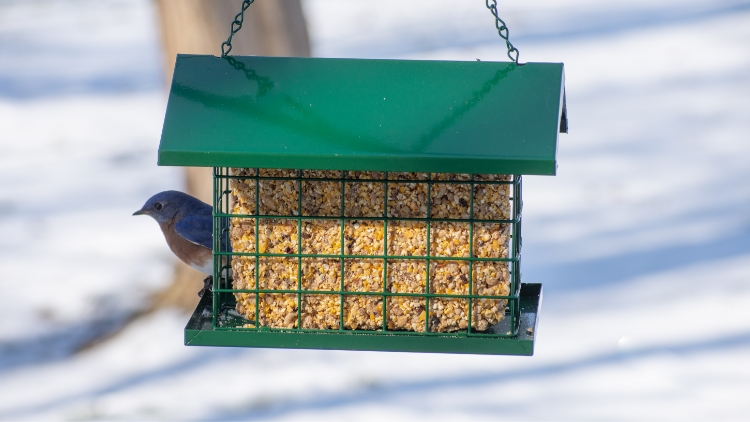
Choosing the right suet is key for attracting birds to your feeder. Suet offers essential energy, especially in cold weather. The type of suet affects which birds visit your feeder. Different birds prefer different ingredients and textures. Knowing the best suet type helps you feed birds safely and happily.
Types Of Suet Available
- Traditional suet cakes:Made from animal fat mixed with seeds and grains.
- Seed and nut suet:Contains a mix of seeds and chopped nuts for extra crunch.
- Fruit-infused suet:Blended with dried fruits like raisins or berries for sweetness.
- Vegetarian suet:Made without animal fat, using vegetable oils and plant ingredients.
Best Suet For Different Birds
| Bird Type | Suet Preference |
|---|---|
| Woodpeckers | Traditional suet with insects and seeds |
| Nuthatches | Seed and nut suet |
| Chickadees | Fruit-infused suet |
| Mourning doves | Vegetarian suet with grains |
Homemade Vs Store-bought Suet
Store-bought suet is easy and ready to use. It comes in many varieties and lasts long. Homemade suet allows control over ingredients. You can avoid additives and customize for local birds.
Homemade suet needs proper storage to stay fresh. Use animal fat or vegetable shortening as a base. Mix seeds, nuts, or dried fruits and chill until firm.
Credit: www.wildbirdsuets.com
Selecting A Suitable Feeder
Choosing the right feeder for your suet is crucial to attract the birds you want and keep the suet fresh and accessible. The feeder you pick affects which birds visit and how easy it is for you to refill and clean. Let’s look at different types of suet feeders, the materials they’re made from, and where to place them for the best results.
Suet Feeder Styles
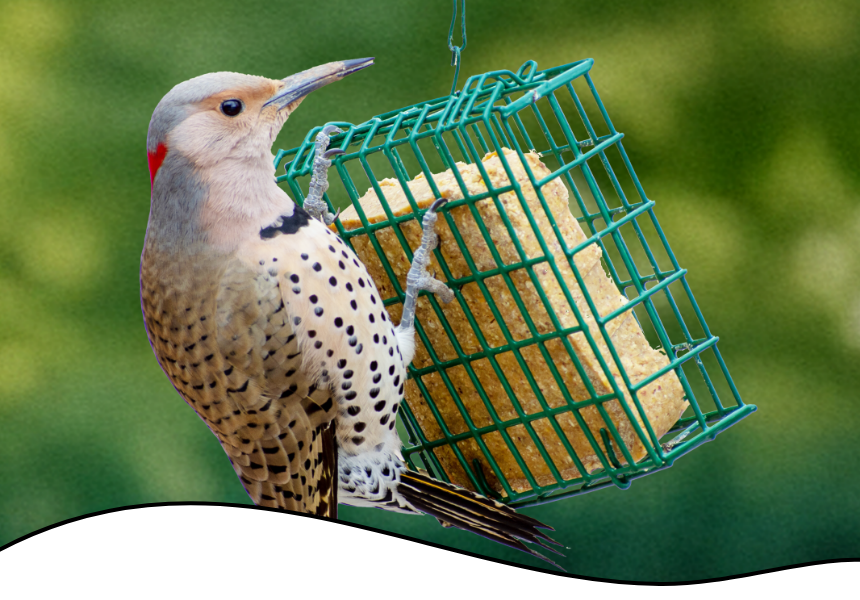
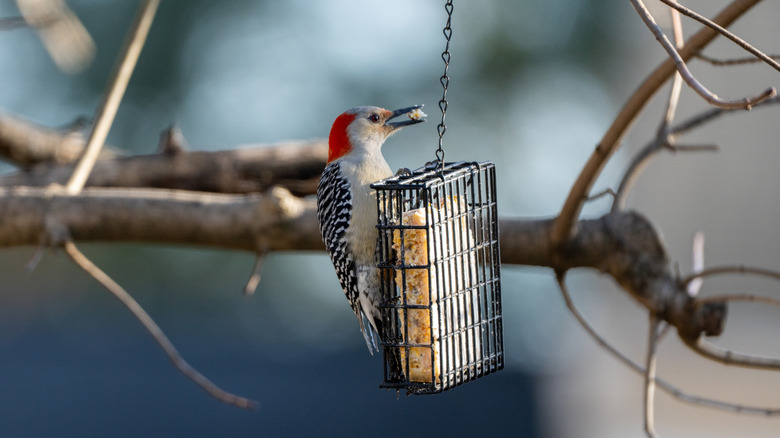
Suet feeders come in various styles, each designed to suit different bird species and feeding habits. Cage-style feeders are popular because they protect the suet block and allow birds like woodpeckers and chickadees to cling while feeding.
Tray feeders offer an open platform, attracting ground-feeding birds and larger species. Some feeders combine both styles, giving you flexibility. Think about the birds in your area and their feeding preferences when selecting a style.
Material And Durability
Look for feeders made from weather-resistant materials like coated metal or heavy-duty plastic to withstand rain, snow, and sun. Metal feeders usually last longer and resist squirrels better than plastic ones.
Plastic feeders can be lighter and less expensive but might crack or fade over time. If you’ve dealt with squirrels before, choose a feeder with sturdy construction and small openings to protect your suet from theft.
Placement Tips
Placing your suet feeder is as important as choosing the right one. Hang it in a shady spot to prevent the suet from melting too quickly on hot days.
Try to position the feeder near trees or shrubs where birds can perch and hide from predators. Avoid placing it too close to windows to reduce the risk of bird collisions.
Have you noticed if birds prefer feeders in quieter areas of your yard? Experiment with different spots to find the sweet spot that attracts the most visitors.
Preparing Suet For Feeding
Preparing suet for feeding birds requires simple steps to ensure it stays fresh and attractive. Proper preparation helps birds easily access the suet. It also prevents mess and waste around your feeder.
Start by handling suet correctly. Then shape it to fit your feeder. Mixing suet with seeds can make it even more appealing.
Handling Suet Safely
Always wash your hands before touching suet. Use clean utensils and surfaces to avoid contamination. Keep suet refrigerated until you are ready to use it. Avoid leaving suet out in warm weather for too long. This stops it from melting and spoiling.
Cutting And Shaping Suet
Use a sharp knife to cut suet into pieces that fit your feeder. Square or rectangle shapes usually work best. Avoid very thin pieces that can break easily. Make sure pieces are small enough for birds to cling to.
Combining Suet With Seeds
Mixing seeds with suet can attract more birds. Use seeds like sunflower, millet, or cracked corn. Gently press seeds into the suet so they stick well. This mix provides extra nutrition and variety for birds.
Loading Suet Into The Feeder
Loading suet into your bird feeder might seem straightforward, but doing it right ensures the suet stays fresh and attracts more birds. It’s not just about dropping the suet block in; you want to make sure it fits well and stays secure to avoid mess and waste. Proper loading also helps maintain the suet’s shape, making it easier for birds to feed without struggling.
Step-by-step Filling Process
Start by opening your suet feeder carefully. Some feeders have clips or sliding panels—handle these gently to avoid damage.
Place the suet block inside the feeder, aligning it with the cage or holder designed to grip it. If your feeder has multiple compartments, fill each one evenly to keep the feeder balanced.
Close the feeder securely, checking that the suet is snug but not overly compressed. This allows birds to peck at the suet easily without it falling apart.
Securing Suet In The Feeder
Make sure the locking mechanism on your feeder is fully engaged. A loose latch can cause the suet to fall out, especially when birds flap their wings or during windy days.
If your feeder uses a cage design, check that the wires hold the suet firmly in place without crushing it. Adjust the cage tension if possible to keep the suet stable.
Consider placing the feeder in a sheltered spot to reduce exposure to rain or strong winds, which can make the suet soggy or dislodge it.
Avoiding Common Mistakes
- Don’t overfill the feeder.Stuffing too much suet can cause it to crumble or block bird access.
- Avoid handling suet with warm hands.The warmth can melt the suet slightly, making it messy and harder to secure.
- Don’t leave the feeder open for long.This can attract unwanted pests or cause the suet to dry out.
- Check for feeder damage regularly.Broken parts can cause the suet to fall or become inaccessible.
Have you noticed your feeder losing suet quickly? It might be time to check how securely it’s loaded and if pests are involved. Small adjustments can make a big difference in keeping your feathered friends happy.
Maintaining Your Suet Feeder
Maintaining your suet feeder is essential for healthy birds and a clean feeding area. Regular care keeps suet fresh and birds safe. It also attracts more birds to your yard.
Cleaning Frequency
Clean your suet feeder every two weeks or sooner in wet weather. Use warm, soapy water to remove old suet and dirt. Rinse well to avoid soap residue. Dry the feeder completely before refilling it. This prevents bacteria buildup and keeps birds healthy.
Preventing Mold And Spoilage
Store suet in a cool, dry place before use. Avoid leaving suet out too long, especially in warm weather. Remove any suet that looks soft, discolored, or smells bad. Mold can harm birds and spoil the feeding experience. Change suet regularly to keep it fresh and safe.
Monitoring Bird Activity
Watch how birds use your feeder to know when to refill. If birds stop visiting, check the suet’s condition. Too much leftover suet means it may be spoiling. Adjust feeding times to avoid waste. Monitoring helps keep birds coming back to your yard.
Credit: www.housedigest.com
Tips For Attracting More Birds
Attracting more birds to your suet feeder involves more than just hanging it up. The right spot, timing, and additional resources can make a big difference in how often birds visit. Paying attention to these details can turn your backyard into a lively bird hotspot.
Best Locations For Feeders
Place your suet feeder where birds feel safe. Near trees or shrubs is ideal because birds can quickly escape if they sense danger.
Avoid placing feeders too close to windows to prevent collisions. Also, keep the feeder away from areas with heavy foot traffic or pets.
Think about the sun’s position; a shaded spot will keep the suet from melting too fast on hot days. Have you noticed birds prefer feeders that offer both food and nearby cover?
Timing And Seasonal Adjustments
Bird activity changes with the seasons, and so should your feeding routine. In colder months, suet is especially attractive as it provides energy to stay warm.
During spring and summer, try offering suet early in the morning when birds first start searching for food. You might find more visitors if you adjust feeding times based on local bird behavior.
Consider reducing suet during hot months to avoid spoilage. Do you track which seasons bring the most bird activity to your feeder?
Additional Food And Water Sources
Adding variety can draw more birds to your yard. Providing fresh water near your feeder invites birds to stay longer and visit more frequently.
Mix suet with other foods like seeds, nuts, or fruit. This variety attracts different bird species and keeps your feeder interesting.
Keep water dishes clean and filled, especially during dry or freezing weather. Have you tried placing a shallow birdbath or a drip system to encourage visits?
Frequently Asked Questions
What Type Of Suet Is Best For Bird Feeders?
Choose suet blocks made from natural fats and seeds. Avoid artificial additives. This attracts a variety of wild birds and ensures their health. Hard suet holds better in feeders, especially in warm weather.
How Do You Safely Put Suet In A Bird Feeder?
Use a suet cage feeder for safety. Press the suet block firmly inside the cage. Hang the feeder securely on a sturdy branch or hook. This prevents the suet from falling and keeps birds safe.
When Is The Best Time To Put Suet In Feeders?
Put suet in feeders during colder months. Birds need extra energy in winter. Suet is especially beneficial from fall to early spring. However, some birds enjoy suet year-round in cooler climates.
Can Suet Attract Unwanted Animals To Feeders?
Yes, suet can attract squirrels and raccoons. Use squirrel-proof suet feeders to minimize this. Place feeders away from easy animal access. Regularly check and clean the feeder to prevent pests.
Conclusion
Placing suet in a bird feeder is simple and fun. Birds enjoy the extra energy, especially in cold weather. Make sure the feeder is clean and secure for safety. Change suet regularly to keep it fresh and tasty. Watch as birds come to feed and brighten your day.
Enjoy nature right outside your window with easy steps. Suet feeding helps support local birds during tough times. Try it today and see the difference in your garden.