

Have you ever stopped to wonder if feeding wild birds is actually against the law? It seems like a simple act of kindness, right?
But what if your good intentions could land you in trouble? Understanding the rules around feeding wild birds isn’t just about avoiding fines—it’s about protecting the birds and your community. Keep reading to discover what you need to know before you toss that next handful of seeds.
This might change the way you think about helping our feathered friends.
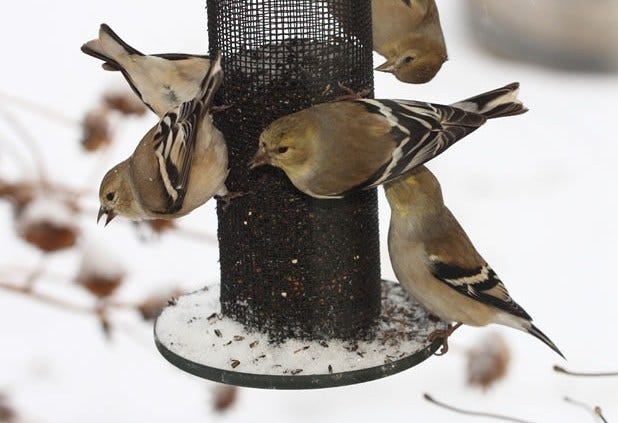
Credit: wdfw.medium.com
Laws Governing Bird Feeding
Feeding wild birds might seem like a harmless way to connect with nature, but there are rules you need to know. Laws exist to protect bird populations and their habitats, and these rules can vary widely depending on where you live. Understanding these laws helps you feed birds responsibly without risking penalties or harming wildlife.
Local Regulations And Ordinances
Many cities and towns have specific rules about feeding wild birds. Some neighborhoods prohibit feeding to avoid attracting pests or causing messes in public spaces. Others may allow it but with restrictions, such as limiting the type of food or the feeding locations.
If you’ve ever been warned by a homeowner’s association or local officials about feeding birds, it’s likely due to these local ordinances. Checking with your city’s website or local animal control office can help you stay on the right side of the law.
Federal Wildlife Protection Laws
At the federal level, laws protect many bird species, especially those that are endangered or migratory. The Migratory Bird Treaty Act, for example, makes it illegal to harm or disturb protected bird species, which can include feeding them in ways that might cause harm.
This means you cannot feed certain birds if doing so leads to dependency, disease, or disrupts their natural behavior. Have you considered how your bird feeding habits might affect their migration patterns or survival skills?
State-specific Rules
Each state has its own set of rules regarding bird feeding, often tailored to local bird populations and environmental concerns. Some states require permits for feeding wild birds in large quantities or in public parks.
For example, in California, feeding certain waterfowl is restricted due to concerns about overpopulation and disease spread. Before you set up a bird feeder, it’s smart to review your state’s wildlife agency website to understand any specific regulations.

Credit: www.forthebirdsofacadiana.com
Reasons For Feeding Restrictions
Feeding wild birds may seem like a harmless and even kind activity, but there are important reasons why many places have restrictions on it. These rules aim to protect the birds, the environment, and people. Understanding these reasons can help you decide how to interact with wildlife responsibly and safely.
Impact On Bird Health
Feeding wild birds can harm their health in several ways. Human food often lacks the nutrients birds need and can lead to malnutrition or illness.
For example, bread is a common food given to birds but offers little nutritional value and can cause digestive problems. Birds may also become dependent on handouts, losing their natural ability to find food on their own.
Have you ever noticed how some birds gather around feeding spots more eagerly than others? This can cause overcrowding and increase the spread of diseases among bird populations.
Environmental Concerns
Leaving food for birds can disrupt local ecosystems. Uneaten food attracts pests like rats and insects, which may harm other wildlife and plants.
Feeding birds in public parks or near water bodies can lead to pollution. Accumulated bird droppings can damage vegetation and degrade water quality, affecting fish and other aquatic life.
When you feed birds regularly, you might unintentionally change their migration patterns or encourage overpopulation in one area. This imbalance can have long-lasting effects on natural habitats.
Public Safety Issues
Feeding wild birds can create safety problems for people too. Birds gathering in large numbers may become aggressive or aggressive towards humans, especially if they expect food.
In urban areas, bird droppings can make sidewalks slippery and unsanitary. They also cause damage to buildings and vehicles, leading to costly repairs.
Have you seen signs in parks warning against feeding birds? These rules help prevent accidents and maintain a clean, safe environment for everyone.
Common Misconceptions
Many people have strong opinions about feeding wild birds, but not all of what you hear is true. Misunderstandings can shape how you interact with nature, sometimes causing more harm than good. Let’s clear up some common misconceptions that might be influencing your views.
Feeding Helps Birds Survive
It’s easy to think that feeding birds always helps them survive, especially during harsh winters. While offering food can provide a short-term boost, it might reduce birds’ natural foraging skills over time.
Birds that rely too much on handouts may struggle when food sources disappear. Instead of feeding constantly, consider planting native plants that support birds year-round. This approach encourages natural behaviors and strengthens local ecosystems.
All Bird Feeding Is Illegal
Some people believe feeding wild birds is against the law everywhere. However, legality varies by location and species. Certain areas have rules to protect endangered birds or prevent invasive species from benefiting.
Before you start putting out birdseed, check your local regulations. Knowing the rules helps you avoid fines and supports conservation efforts where feeding might cause harm.
Feeding Does Not Affect Ecosystems
Many assume feeding birds is harmless to the environment. But adding food can disrupt local ecosystems by attracting non-native species or causing overcrowding.
Overfeeding can also lead to waste buildup and spread diseases among birds. Think about the bigger picture: how might your actions change the balance of nature around your home?
Legal Consequences Of Feeding
Feeding wild birds may seem harmless or even kind, but it can have serious legal consequences depending on where you live. Laws exist to protect wildlife and maintain ecological balance. Ignoring these rules can lead to fines, penalties, and even legal action.
Fines And Penalties
Many local governments impose fines on individuals caught feeding wild birds in prohibited areas. These fines can range from small amounts, like $50, to several hundred dollars for repeat offenders.
In some cases, penalties go beyond fines. You might face community service or mandatory educational programs about wildlife protection. Have you ever wondered if your bird-feeding habit could land you in trouble?
Enforcement Agencies
Wildlife protection and enforcement usually fall under the jurisdiction of local animal control, parks departments, or environmental agencies. These groups patrol parks, reserves, and public spaces to ensure compliance with feeding bans.
They also respond to complaints from residents who notice harmful feeding practices. If you see someone feeding birds illegally, reporting it could prompt an investigation.
Case Studies And Incidents
In New York City, a man was fined $200 for feeding pigeons in a public park after multiple warnings. The city cited concerns about health risks and overcrowding of birds.
Another incident in California involved a homeowner fined for feeding protected migratory birds, disrupting their natural behaviors. These examples show that even well-meaning actions can have unintended consequences.
What would you do if you found out your favorite feeding spot is actually off-limits? Understanding the legal side can help you make safer choices for both you and the birds you care about.
Safe And Legal Bird Feeding Tips
Feeding wild birds can be a rewarding experience, but it’s important to do it safely and legally. Feeding birds without knowing the rules or best practices can harm their health and disrupt local ecosystems. Here are some practical tips to help you enjoy bird feeding while respecting nature and the law.
Permitted Locations And Times
Not all areas allow bird feeding, especially in parks or nature reserves where it might disturb wildlife. Check local regulations before setting out food. Some places only permit feeding during certain seasons to protect breeding or migration patterns.
Have you noticed signs in your neighborhood about feeding birds? Those usually indicate restrictions. Feeding birds near roads or busy public spaces can be unsafe for both you and the birds.
Proper Food Choices
Choosing the right food is key to keeping birds healthy. Avoid bread and processed foods, which lack nutrition and can cause digestive problems in birds. Instead, offer seeds like sunflower, millet, or native plants’ fruits.
Think about the species in your area. For example, finches prefer thistle seeds, while woodpeckers like suet. Providing food that matches their natural diet supports their well-being and encourages natural feeding habits.
Minimizing Negative Effects
Overfeeding can lead to dependency and overcrowding, increasing disease risks among birds. Keep your feeding area clean by regularly washing feeders and removing uneaten food. This prevents mold and bacteria buildup that harm birds.
Also, scatter food in different spots to reduce competition and aggressive behavior. Have you ever seen birds fighting over food? Spreading feeding spots helps keep peace in your backyard bird community.
Alternatives To Feeding Wild Birds
Feeding wild birds might seem like a harmless way to connect with nature, but it can sometimes cause unintended problems for their health and local ecosystems. Instead of offering food directly, there are smarter ways you can help birds thrive. These alternatives support their natural behaviors and habitats without risking their well-being.
Habitat Preservation Efforts
One of the best ways to help wild birds is by protecting the places they live. You can get involved in local habitat preservation projects or advocate for the protection of green spaces in your community. Healthy habitats offer natural food sources and safe nesting spots, which are far better than handouts.
Have you ever noticed how birds behave differently in well-preserved areas compared to urban spots? Supporting habitat preservation ensures they have the resources they need to survive naturally. Think about joining a local group or donating to organizations focused on conserving wetlands, forests, or grasslands.
Supporting Bird Conservation Groups
Bird conservation groups work hard to study and protect wild bird populations. Your support can fund research, rescue efforts, and education programs that benefit birds on a larger scale. You don’t need to feed birds yourself when you can contribute to experts who understand their needs deeply.
Consider volunteering or donating to a conservation group near you. These groups often organize bird counts, habitat restoration, and public awareness campaigns. By backing their efforts, you help create a safer environment for birds without disturbing their natural habits.
Creating Bird-friendly Gardens
Transform your outdoor space into a haven for birds by planting native trees, shrubs, and flowers. Native plants provide natural food like berries and seeds, plus shelter from predators and harsh weather. You’ll attract birds naturally, reducing the urge to feed them artificially.
Adding birdbaths, nesting boxes, and avoiding pesticides makes your garden even more inviting. Have you ever watched birds discover a new feeder or bath in your yard? Imagine how rewarding it is to see them thrive in a space you designed with their needs in mind.
These alternatives not only protect wild birds but also enrich your connection with the natural world around you. What small changes can you make today to help wild birds live healthier, safer lives?

Credit: www.allaboutbirds.org
Frequently Asked Questions
Is Feeding Wild Birds Illegal In My Area?
Feeding wild birds is legal in most places, but local regulations vary. Some areas have restrictions to protect ecosystems and bird health. Check local wildlife laws or consult with local authorities to ensure compliance. Always prioritize bird safety and environmental impact when providing food.
What Are The Risks Of Feeding Wild Birds?
Feeding wild birds can lead to dependency, overcrowding, and disease spread. It may also attract predators or invasive species. Providing inappropriate food can harm birds. To minimize risks, offer suitable food, maintain cleanliness, and follow local guidelines. Responsible feeding supports bird health and ecological balance.
Can I Feed Bread To Wild Birds?
Bread is not recommended for wild birds. It lacks essential nutrients and can cause health issues. Moldy bread is particularly harmful. Instead, offer seeds, fruits, or specially formulated bird food. Providing nutritious options supports bird health and encourages natural foraging behaviors.
What Foods Are Safe For Wild Birds?
Safe foods for wild birds include seeds, nuts, and fruits. Offer sunflower seeds, millet, and suet for energy. Fresh water is also essential. Avoid processed foods, bread, and sugary snacks. Providing a variety of natural foods supports bird health and attracts diverse species.
Conclusion
Feeding wild birds can seem kind and fun. Laws about it differ by place. Some areas allow feeding, while others restrict it. Rules protect birds and their natural habits. Feeding birds without knowing the law can cause trouble. Always check local rules before feeding wild birds.
Respect nature to keep birds safe and healthy. Enjoy watching birds, but do it wisely and legally. Caring for wildlife means understanding how to help best. Keep these points in mind to enjoy birds responsibly.